
Can Dogs Eat Cooked Eggs? Vet-Approved Guide
Eggs are a nutritional powerhouse for humans, but what about our canine companions? The short answer is yes—cooked eggs are safe and beneficial for dogs when prepared properly. In fact, many veterinarians recommend eggs as a healthy addition to your dog’s diet, whether as an occasional treat or a regular protein source. However, there are important guidelines to follow to ensure your furry friend gets maximum nutrition without any health risks.
If you’re wondering whether your dog can enjoy eggs, you’re asking the right question. This comprehensive guide explores everything you need to know about feeding cooked eggs to dogs, including preparation methods, nutritional benefits, potential risks, and expert recommendations from veterinary professionals.
Nutritional Benefits of Cooked Eggs for Dogs
Cooked eggs are packed with essential nutrients that support your dog’s overall health and wellness. According to the Association of American Feed Control Officials, eggs provide complete proteins containing all nine essential amino acids that dogs require. These amino acids are crucial for building and maintaining muscle tissue, supporting immune function, and promoting healthy skin and coat.
One large cooked egg contains approximately:
- 6 grams of high-quality protein – essential for muscle development and repair
- Choline – supports brain health and cognitive function
- Selenium – a powerful antioxidant that protects cells
- Lutein and zeaxanthin – promote eye health and vision
- Vitamin B12 – supports energy metabolism and nervous system function
- Vitamin A – maintains healthy skin and immune system
- Iron – essential for oxygen transport in blood
The bioavailability of egg protein is exceptional for dogs, meaning their bodies can easily absorb and utilize these nutrients. Research published in veterinary nutrition journals confirms that eggs rank among the most digestible protein sources available for canine diets. The yolk, in particular, contains choline—a nutrient that supports cognitive function and may be especially beneficial for aging dogs.
Many dog owners also use eggs as a natural remedy for improving coat quality, and the nutritional science supports this practice. The selenium and vitamins in eggs promote shinier, healthier fur and stronger nails.
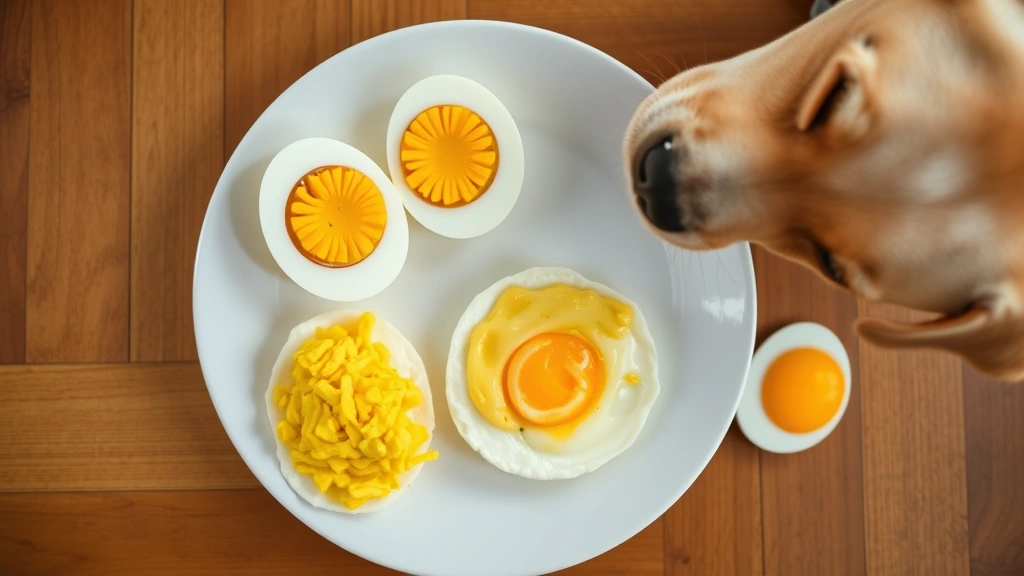
How to Safely Prepare Eggs for Dogs
Preparation method is crucial when feeding eggs to your dog. Always cook eggs thoroughly before serving—never offer raw eggs, as they may contain harmful bacteria like Salmonella that can affect both dogs and humans in your household.
Safe Cooking Methods:
- Boiled eggs – The safest option. Boil for 10-12 minutes until fully cooked. This method requires no added oils or seasonings.
- Scrambled eggs – Cook without butter, oil, or salt. Plain scrambled eggs are convenient and easy to portion.
- Baked eggs – Bake in a muffin tin without added fats or seasonings for simple portioning.
- Poached eggs – Cook in plain water without any additions. This preserves maximum nutritional value.
What to Avoid:
- Never add butter, oil, or cooking spray – these increase unnecessary fat and calories
- Avoid salt, pepper, garlic, or onions, which can be toxic to dogs
- Don’t use seasonings like paprika or chives
- Skip cheese or cream additions – save these for special occasions in moderation
- Never offer eggs cooked in non-stick cookware treated with PTFE
The simplest approach is boiling. Place eggs in a pot of water, bring to a boil, then remove from heat and let sit for 10-12 minutes. Cool completely before serving, and you can peel them or leave the shell on (shells provide calcium). Many dogs will happily eat the entire egg, including the shell.
Portion Sizes and Feeding Guidelines
Proper portioning ensures your dog receives nutritional benefits without consuming excessive calories. The appropriate amount depends on your dog’s size, age, activity level, and overall diet.
General Guidelines by Dog Size:
- Small dogs (under 20 lbs) – ½ to 1 egg per week, or ¼ egg daily
- Medium dogs (20-50 lbs) – 1 whole egg daily or 3-4 eggs per week
- Large dogs (50-100 lbs) – 1-2 eggs daily or up to 5 eggs per week
- Giant breeds (over 100 lbs) – 2-3 eggs daily or 5-7 eggs per week
A practical rule of thumb: eggs should comprise no more than 10% of your dog’s total daily caloric intake. For example, a 50-pound dog requiring approximately 1,000 calories daily can safely consume one egg (70 calories) as part of their regular diet.
You can serve cooked eggs:
- As a standalone treat
- Mixed into regular kibble to enhance palatability
- Combined with other dog-safe vegetables
- Frozen in ice cube trays for refreshing summer treats
- Mixed with plain pumpkin for digestive support
Start with small portions if your dog has never eaten eggs before, and monitor for any digestive changes over 24-48 hours.

Potential Risks and Precautions
While cooked eggs are generally safe for most dogs, certain situations require caution. The ASPCA notes that while eggs themselves aren’t toxic, specific circumstances warrant careful consideration.
Dogs with Pancreatitis: High-fat diets can trigger or worsen pancreatitis in susceptible dogs. Since egg yolks contain significant fat, consult your veterinarian before including eggs in the diet of dogs with this condition. Egg whites are a safer alternative for these dogs.
Overweight or Obese Dogs: Eggs are calorie-dense. Dogs struggling with weight management should have eggs counted carefully into their daily caloric allowance. Your veterinarian can help determine appropriate portions.
Dogs with Certain Allergies: Some dogs develop protein sensitivities to eggs. Signs include itching, vomiting, diarrhea, or skin issues. If your dog has a history of food allergies, introduce eggs gradually and monitor closely.
High Cholesterol Concerns: While eggs contain cholesterol, this is rarely a problem for dogs, as they metabolize cholesterol differently than humans. However, dogs with specific metabolic conditions should be discussed with their veterinarian.
Raw Egg Risks: Raw eggs may contain Salmonella or E. coli, which can cause serious infections in dogs and potentially spread to human family members through feces. Always cook eggs thoroughly.
Additionally, if your dog is taking certain medications or has specific health conditions, check with your veterinarian before adding eggs to their diet. Some dogs on prescription diets for kidney disease or other conditions may need dietary restrictions.
Eggs vs Other Protein Sources
How do eggs compare to other protein options you might offer your dog? Understanding the differences helps you create a balanced, varied diet.
Eggs vs Chicken: Both are excellent protein sources. Chicken is leaner but requires cooking without seasoning. Eggs offer superior nutrient density with less preparation time. Many dogs benefit from rotating between both sources.
Eggs vs Fish: Fish provides omega-3 fatty acids that eggs lack, making fish superior for coat and joint health. However, eggs contain more choline for brain function. Consider alternating sources for comprehensive nutrition.
Eggs vs Beef: Beef offers iron and B vitamins, while eggs provide choline and selenium. Beef is often fattier than eggs, making eggs a better choice for weight management. Dairy products like cheese can complement eggs for variety.
Eggs vs Plant-Based Proteins: While vegetables provide fiber and nutrients, they lack complete amino acid profiles. Eggs remain superior for complete protein needs, though combining plant and animal proteins creates nutritional balance.
The best approach is variety. Rotate eggs with chicken, fish, beef, and other dog-safe foods to provide diverse nutrient profiles and prevent dietary boredom.
Special Considerations for Different Dogs
Puppies: Cooked eggs are excellent for growing puppies, supporting muscle development and cognitive function. However, maintain appropriate portions—puppies need balanced nutrition with proper calcium-to-phosphorus ratios. Consult your veterinarian about integrating eggs into a complete puppy diet.
Senior Dogs: Older dogs benefit significantly from eggs. The choline supports cognitive function and may help with age-related mental decline. The high-quality protein supports muscle maintenance, which naturally decreases with age. Eggs are easily digestible, making them ideal for seniors with sensitive stomachs.
Pregnant or Nursing Dogs: Eggs are particularly beneficial for pregnant and nursing females. The additional protein, choline, and vitamins support fetal development and milk production. Increase portions slightly during these periods, but consult your veterinarian for specific recommendations.
Dogs with Sensitive Stomachs: Boiled eggs are among the most digestible foods available and are often recommended during recovery from gastrointestinal upset. Plain boiled eggs can help settle upset stomachs and provide nutrition during recovery periods.
Athletic and Working Dogs: High-energy dogs benefit from eggs’ complete amino acid profile, which supports muscle recovery and maintenance. Active dogs can consume eggs more frequently than sedentary companions.
Dogs with Kidney Disease: While eggs are protein sources, dogs with kidney disease require specific dietary management. Consult your veterinarian before adding eggs, as protein quantity and quality may need adjustment based on your dog’s specific condition.
FAQ
Are raw eggs safe for dogs?
No, raw eggs should be avoided. They may contain harmful bacteria like Salmonella and E. coli that can cause serious infections in dogs and potentially spread to humans. Always cook eggs thoroughly before serving. Additionally, raw eggs contain avidin, an enzyme that can interfere with B vitamin absorption with long-term feeding.
Can dogs eat eggshells?
Yes, crushed eggshells are safe and provide calcium. Many raw feeding advocates include eggshells. If offering whole cooked eggs, most dogs will crack and eat the shell themselves. However, ensure shells are finely ground if adding to food, as large pieces could be choking hazards for small dogs.
How often can I feed my dog eggs?
Most healthy adult dogs can safely consume eggs daily, with portions based on size (½ to 3 eggs daily depending on dog weight). However, variety in diet is beneficial. Many veterinarians recommend eggs 3-5 times weekly as part of a balanced diet that includes other protein sources.
Can eggs help with my dog’s coat?
Yes, eggs can contribute to coat health through selenium, vitamins A and B, and choline. However, optimal coat quality requires comprehensive nutrition including omega-3 fatty acids from fish or fish oil. Combine eggs with fish or fish oil supplements for maximum coat benefits.
My dog has pancreatitis—can they eat eggs?
Dogs with pancreatitis should avoid egg yolks due to high fat content, which can trigger inflammation. Egg whites are a safer alternative, providing protein without excessive fat. Always consult your veterinarian before making dietary changes for dogs with pancreatitis.
What if my dog vomits after eating eggs?
Occasional vomiting might indicate egg intolerance or eating too quickly. Try offering smaller portions more slowly. If vomiting persists or occurs with diarrhea or other symptoms, discontinue eggs and contact your veterinarian, as this could indicate an allergy or digestive issue.
Can puppies eat cooked eggs?
Yes, puppies can eat cooked eggs in appropriate portions. Eggs support growth and cognitive development. However, maintain balanced nutrition with proper calcium-to-phosphorus ratios and complete puppy formulas. Consult your veterinarian about appropriate egg portions for your puppy’s age and size.
Are there dog breeds that shouldn’t eat eggs?
No specific breeds are prohibited from eating eggs. However, individual dogs may have allergies or health conditions requiring dietary restrictions. Breeds predisposed to pancreatitis (like Miniature Schnauzers) should have eggs introduced cautiously. Consult your veterinarian about your specific dog’s health profile.