
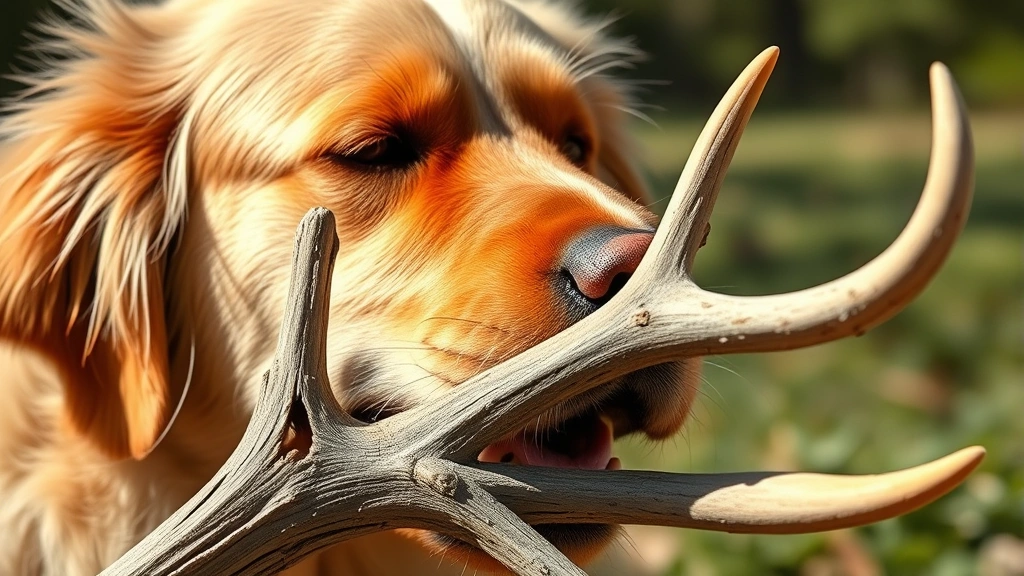
Are Deer Antlers Safe for Dogs? Vet Insights on This Popular Chew
Deer antlers have become increasingly popular as dog chews in recent years, marketed as natural, long-lasting alternatives to synthetic toys and rawhide. Pet owners are drawn to their appeal—they’re shed naturally, don’t require processing like rawhide, and promise hours of entertainment for even the most aggressive chewers. But the question remains: are deer antlers actually safe for our canine companions? The answer is more nuanced than a simple yes or no.
Veterinarians have mixed opinions about antler chews, and understanding the science behind both the benefits and risks is essential for making an informed decision about your dog’s dental health and overall safety. This comprehensive guide explores what veterinary professionals say about deer antlers, the potential dangers, and safer alternatives to consider.
What Are Deer Antlers and Why Dogs Love Them
Deer antlers, also called “antler chews” or “deer antler chews,” are the naturally shed horns from deer, elk, moose, and other cervids. Unlike horns, which are permanent, antlers are regrown annually and naturally shed, making them a renewable resource. These shed antlers are typically collected, cleaned, and packaged as dog chews without additional processing or chemical treatments.
Dogs are attracted to antler chews for several reasons. First, they’re highly palatable—the natural minerals and marrow appeal to canine instincts. Second, they provide sustained chewing activity, which satisfies the natural urge to chew. Third, they’re durable, meaning a single antler can last weeks or months depending on the dog’s chewing intensity. For busy pet owners, this longevity is appealing because it reduces the frequency of purchasing replacement toys.
The antler market has exploded in recent years, with options ranging from whole antlers to split antlers (cut lengthwise to expose the marrow), powder supplements, and even antler-based dog treats. Prices vary widely based on size, source, and processing method, typically ranging from $10 to $50 per antler.
Dental and Safety Concerns Vets Warn About
Despite their popularity, veterinarians express legitimate concerns about deer antler chews. The primary worry centers on dental health and potential injuries.
Fractured Teeth and Broken Fangs
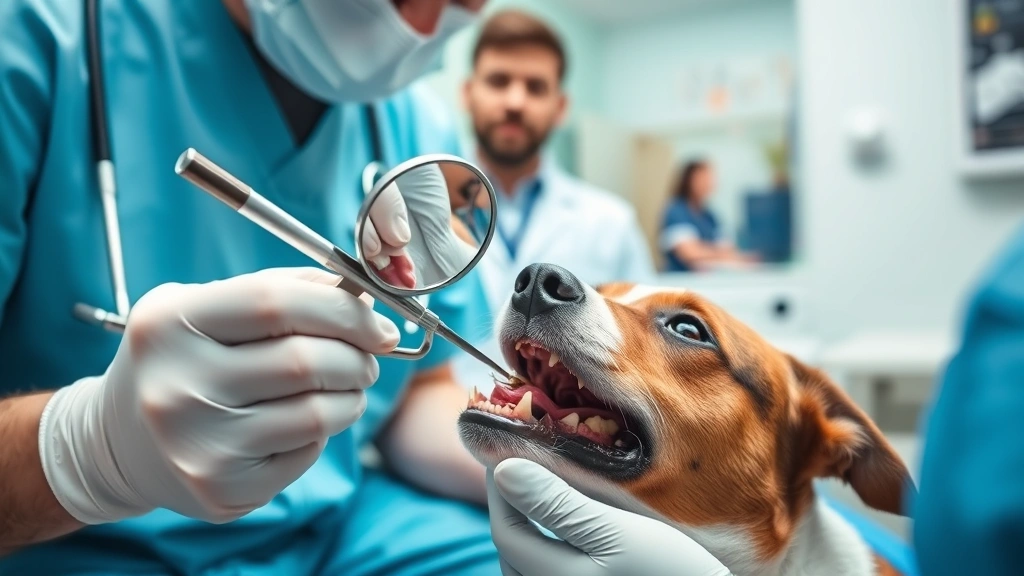
The most common issue veterinarians report is fractured teeth. Antlers are extremely hard—harder than many dog teeth, particularly the premolars and molars that bears the brunt of chewing pressure. When dogs bite down on antlers with significant force, the tooth can crack or fracture rather than the antler yielding. According to the American Veterinary Dental College, hard chews like antlers, bones, and hooves are among the leading causes of slab fractures (where a vertical crack splits the tooth) and other dental trauma in dogs.
These fractures can be painful and often require veterinary intervention. Treatment may involve root canals, tooth extraction, or crowns—procedures that can cost $1,000 to $3,000 per tooth. Worse, a fractured tooth can lead to infection, abscess formation, and systemic health complications if left untreated.
Gastrointestinal Obstruction
Another serious concern is gastrointestinal obstruction. If a dog breaks off large chunks of antler, these pieces can lodge in the stomach or intestines, causing a blockage. This is a surgical emergency requiring immediate veterinary attention. Signs include vomiting, loss of appetite, abdominal pain, and constipation. Surgery to remove the obstruction can cost $2,000 to $5,000 and carries inherent surgical risks.
Small dogs and aggressive chewers who don’t properly break down antler pieces are at highest risk for this complication.
Choking Hazard
Pieces of antler can also pose a choking hazard, particularly if a dog attempts to swallow large fragments whole. This requires immediate intervention and can be life-threatening.
Splinter Risk
While less common than with bone chews, antlers can splinter, especially split antlers or those that have been partially chewed. These splinters can cause oral cuts, gum damage, or GI tract irritation if swallowed.
Potential Benefits of Antler Chews
Despite the risks, antler chews do offer some legitimate benefits when used appropriately.
Mental Stimulation and Exercise
Chewing is a natural, stress-relieving behavior for dogs. Extended chewing sessions provide mental enrichment and can help reduce anxiety and boredom-related destructive behaviors. Antler chews, due to their durability, can provide hours of engagement.
Dental Health Support
The mechanical action of chewing can help remove plaque and tartar buildup on tooth surfaces, particularly on the outer surfaces of the teeth. However, this benefit must be weighed against the risk of fracture.
Natural Composition
Antlers contain minerals like calcium and phosphorus, which support bone health. Unlike processed rawhide chews, antlers are a natural product without artificial additives, dyes, or preservatives. For owners seeking chemical-free options, this is appealing.
Low Risk of Contamination
Because antlers are shed naturally and require minimal processing, they carry a lower risk of bacterial contamination compared to rawhide chews, which undergo significant processing and have been subject to recalls.
How to Choose and Use Deer Antlers Safely
If you decide to offer your dog antler chews, implementing safety measures significantly reduces risk.
Select the Right Size
Choose an antler that’s appropriately sized for your dog. It should be large enough that your dog cannot fit the entire antler in their mouth. A good rule of thumb is that the antler should be roughly the size of your dog’s head or larger. For small breeds, consider alternatives or only offer antlers under direct supervision.
Monitor Chewing Intensity
Observe how aggressively your dog chews. Heavy chewers who apply tremendous force are at higher risk for dental fractures. If your dog is an aggressive chewer, antlers may not be appropriate, regardless of size.
Supervise Chewing Sessions
Never leave your dog unsupervised with an antler chew. Watch for signs of pieces breaking off, and remove the antler if your dog seems to be creating large fragments. Supervise chewing sessions and limit them to 15-30 minutes at a time.
Rotate and Remove Worn Antlers
As an antler becomes worn, splintered, or small enough that your dog could swallow it, remove it immediately. Don’t wait until it’s completely consumed or broken apart.
Choose Whole Over Split
While split antlers expose the marrow (which dogs love), they’re more prone to splintering and creating sharp edges. Whole antlers are generally safer, though still not risk-free.
Consult Your Veterinarian
Before introducing antler chews, discuss them with your vet, especially if your dog has a history of dental problems, is a senior, or has compromised teeth. Your veterinarian can assess your individual dog’s risk factors.
Watch for Warning Signs
After introducing antlers, monitor your dog for broken or fractured teeth (visible chips or cracks), reluctance to eat, drooling, bad breath, facial swelling, or signs of gastrointestinal distress like vomiting or constipation. Any of these warrant immediate veterinary evaluation.
Safer Chewing Alternatives
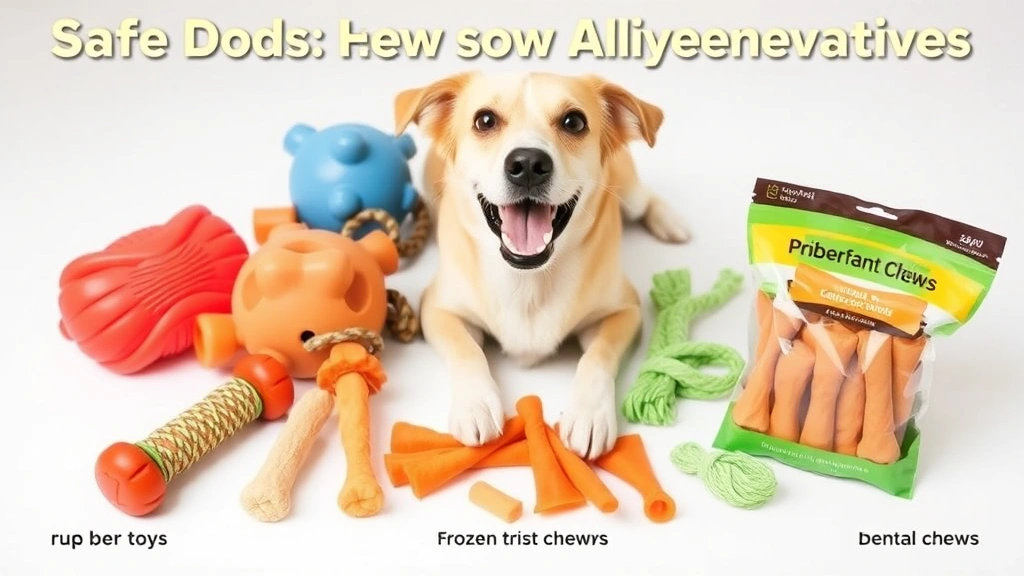
If you’re concerned about antler safety, numerous alternatives provide similar benefits with potentially lower risk.
Rubber Chew Toys
High-quality rubber chew toys like Kongs are designed to be softer than teeth, reducing fracture risk while still providing mental stimulation. You can stuff them with treats or frozen peanut butter for extended engagement.
Rope Toys
Rope toys satisfy the chewing urge and can be used for interactive play. However, ensure your dog doesn’t ingest rope fibers, which can cause intestinal blockage.
Bully Sticks and Yak Chews
These are softer than antlers and less likely to cause dental fractures. They do have their own risks (choking, GI upset), but many veterinarians view them as preferable to antlers for heavy chewers. Learn more about safe food options to complement your dog’s chewing routine.
Dental Chews
Specifically formulated dental chews are designed to clean teeth without the fracture risk of hard antlers. The American Veterinary Dental College recognizes certain products that meet safety and efficacy standards.
Puzzle Toys and Treat Dispensers
These engage your dog’s mind without the physical trauma risk of hard chews. Examples include snuffle mats, puzzle feeders, and interactive treat-dispensing toys.
Edible Chews
Options like sweet potato chews, carrot chews, or apple-based treats provide nutritional value and satisfy the chewing impulse while being digestible. You can even freeze carrots for a refreshing, safe chew.
Antler Powder Supplements
If you want the nutritional benefits of antlers without the chewing hazard, antler powder supplements provide minerals without the fracture risk. These can be added to food, though consult your vet about appropriate dosing.
Frequently Asked Questions
Are deer antlers better than rawhide for dogs?
Both have risks, but they differ. Rawhide can cause choking and GI blockage, and processing involves chemicals and potential bacterial contamination. Antlers carry a higher risk of dental fractures but lower contamination risk. Neither is ideal; they’re both “choose your risk” options. Your veterinarian can help determine which is more appropriate for your individual dog.
Can puppies have deer antlers?
Puppies have developing teeth that are more vulnerable to fracture. Most veterinarians recommend waiting until a puppy’s adult teeth are fully erupted (around 6-7 months) before offering any hard chews, and even then, with careful supervision. Softer alternatives are generally better for puppies.
What’s the difference between shed antlers and farmed antlers?
Shed antlers are naturally dropped and collected from the wild. Farmed antlers come from captive cervids that are often cut off, which raises ethical concerns. Both carry similar safety risks for dogs; the primary difference is sourcing and animal welfare considerations.
How often can dogs chew on antlers?
If you choose to offer antlers, limit chewing sessions to 15-30 minutes, a few times per week. Constant access increases the risk of dental damage and GI issues. Consider rotating antlers with other chew options.
What should I do if my dog breaks a tooth on an antler?
Contact your veterinarian immediately. A fractured tooth is painful and can lead to infection. Your vet will assess whether root canal therapy, extraction, or other treatment is needed. Don’t delay, as untreated dental fractures can cause serious complications.
Are antler chews safe for senior dogs?
Senior dogs often have weaker or compromised teeth due to age and wear. Antler chews are generally not recommended for senior dogs unless they have exceptionally strong teeth and the vet approves. Softer alternatives are safer.
Can dogs digest antlers?
Antlers are not digestible. If your dog swallows large pieces, they can cause GI obstruction. This is why supervision and removing antlers before they’re completely consumed is critical.
Do antlers help clean dog teeth?
The mechanical action of chewing can help remove some surface plaque, but antlers don’t clean teeth as effectively as dental chews specifically formulated for this purpose. The fracture risk often outweighs the minimal dental benefit.
Are there antler chews made specifically for small dogs?
Yes, smaller antler pieces are available, but many veterinarians caution against antlers for small breeds due to their aggressive chewing style and smaller jaw structure. Softer alternatives are typically safer for small dogs.
What’s the ASPCA’s stance on antler chews?
The ASPCA lists antlers among chew items that can cause dental fractures and recommends safer alternatives. They advise owners to monitor chewing closely and consult veterinarians before offering hard chews.
Can I give my dog an antler if they’re already missing teeth?
If your dog is already missing teeth or has dental disease, antlers are not recommended. Dogs with compromised dentition are at higher risk for additional fractures and related complications.
How do I know if my dog has a fractured tooth from an antler?
Signs include visible cracks or chips, reluctance to eat or chew, favoring one side of the mouth, excessive drooling, bad breath, or facial swelling. Some fractures aren’t immediately visible, so if your dog shows any concerning signs after chewing an antler, seek veterinary evaluation.





