
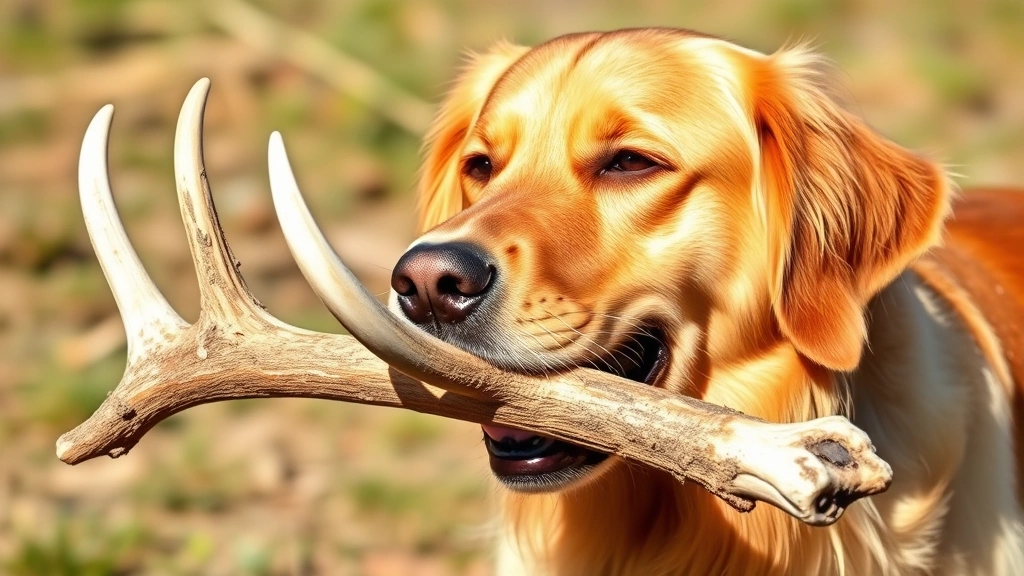
Are Elk Antlers Safe for Dogs? Vet Insights on Chewing Safety
Elk antlers have become increasingly popular as natural dog chews, marketed as long-lasting alternatives to synthetic toys and treats. Pet owners are drawn to their durability and perceived health benefits, but the question remains: are they truly safe for our furry companions? This comprehensive guide explores what veterinarians say about elk antlers, their potential risks, and how to use them responsibly.
As a dog owner, you want the best for your pet’s health and happiness. Chewing is a natural behavior that provides mental stimulation and helps maintain dental health. However, not all chewing materials are created equal. Understanding the science behind elk antler safety can help you make informed decisions about your dog’s chew toys and treats.
What Are Elk Antlers?
Elk antlers, also known as “whole antlers” or “shed antlers,” are the naturally shed antlers from elk (wapiti). These antlers are harvested after elk naturally drop them each winter, typically between March and April. Unlike deer antlers or moose antlers, elk antlers are notably larger and denser, making them an attractive option for heavy chewers.
The antlers are usually cleaned and packaged whole or split lengthwise to expose the softer interior marrow. Pet supply companies market them as 100% natural, long-lasting chews that don’t require chemical processing. They’re available in various sizes to accommodate different dog breeds, from small Chihuahuas to large Great Danes.
Elk antlers are composed primarily of minerals including calcium, phosphorus, and trace elements, along with a protein matrix. The density of elk antlers is significantly higher than softer chewing materials, which contributes to both their appeal and their potential risks.
Potential Benefits for Dogs
When used appropriately, elk antlers do offer some legitimate advantages for canine health and enrichment:
- Long-lasting chewing: Elk antlers can provide hours of entertainment, keeping dogs mentally stimulated and reducing boredom-related behaviors.
- Dental health support: The mechanical action of chewing can help remove plaque and tartar buildup, though this shouldn’t replace professional dental care.
- Natural composition: Unlike many synthetic chews, elk antlers contain no artificial additives or preservatives, appealing to owners seeking natural products.
- Nutritional content: The marrow and minerals in antlers provide some nutritional value, though dogs shouldn’t rely on antlers as a primary nutrient source.
- No artificial flavoring: Unlike many commercial dog treats, elk antlers don’t require artificial flavoring agents or chemical treatments.
These benefits explain why many pet owners and even some veterinarians cautiously recommend elk antlers as part of a balanced enrichment routine.
Health Risks and Safety Concerns
Despite their natural appeal, elk antlers present several documented health risks that veterinarians take seriously:
Tooth Fractures and Dental Damage
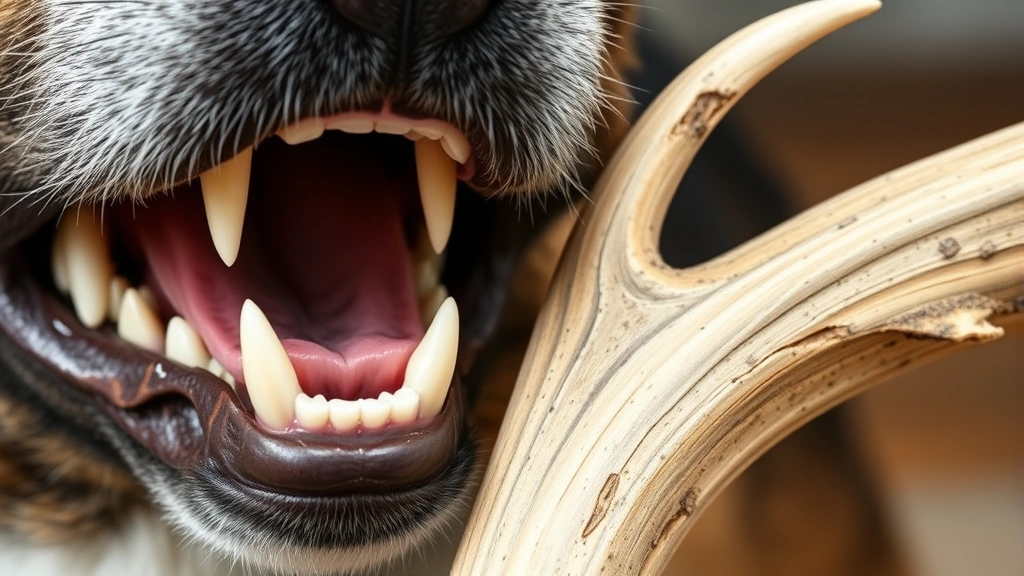
The most commonly reported complication associated with elk antler chewing is fractured teeth. The extreme hardness of elk antlers can cause canine teeth to crack or break, particularly in dogs with pre-existing dental weakness or senior dogs with age-related tooth deterioration. A fractured tooth is painful and often requires expensive veterinary dental work, including potential extraction or root canal therapy.
Veterinary dentists report that antler-related tooth fractures are becoming increasingly common in their practices. The damage typically affects the carnassial teeth (the large molars used for grinding), which bear significant chewing force.
Gastrointestinal Obstruction
When dogs break off pieces of elk antlers, these fragments can lodge in the digestive tract, causing partial or complete obstruction. This emergency requires immediate veterinary intervention and often surgery. Symptoms include vomiting, loss of appetite, abdominal pain, and constipation. Puppies and enthusiastic chewers are at highest risk.
Choking Hazard
Pieces that break off too quickly can pose a choking risk, particularly in dogs that don’t chew thoroughly before swallowing. Large fragments can become lodged in the throat or esophagus.
Mouth and Throat Injuries
Sharp fragments can lacerate the gums, tongue, or throat tissues, potentially leading to bleeding and infection.
Splinter Formation
Unlike cooked bones that splinter predictably, antlers can break into unpredictable sharp fragments that may cause internal injuries.
Periostitis and Bone Inflammation
The repetitive stress and trauma from intense chewing can cause inflammation of the bone (periostitis), leading to pain and lameness in rare cases.
Veterinary Recommendations
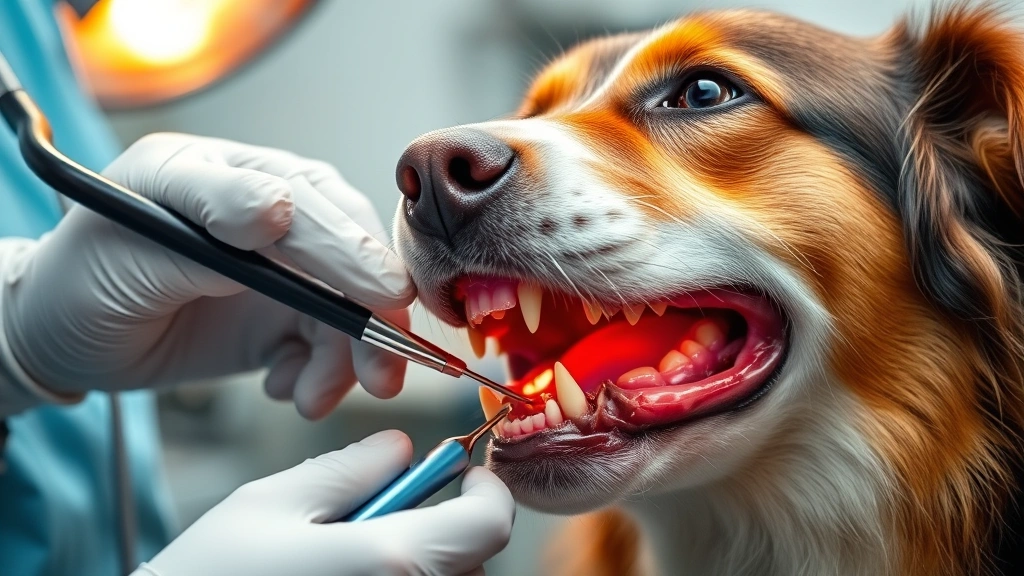
Major veterinary organizations have varying positions on elk antlers. The American Animal Hospital Association recommends cautious use with close supervision. The ASPCA lists antlers among items that should be used with caution.
Most veterinarians who specialize in dental health suggest that the risks often outweigh the benefits, particularly for dogs prone to aggressive chewing or those with existing dental issues. However, some veterinarians support limited use under specific conditions.
Key veterinary consensus points include:
- Supervision is essential whenever a dog has access to an elk antler
- Dogs with previous dental issues should avoid antlers entirely
- Senior dogs (over 7 years) are at higher risk for complications
- Puppies under 12 months should not have antlers due to their developing teeth
- Dogs should never be left unsupervised with antlers
- Antlers should be removed if the dog becomes overly aggressive or if pieces break off
Research published in veterinary journals documents antler-related injuries, with dental fractures being the most frequently reported complication. A study from the American Veterinary Medical Association found that dogs with access to hard chewing materials experienced significantly higher rates of tooth fractures compared to those without such access.
How to Use Elk Antlers Safely
If you decide to offer your dog elk antlers despite the risks, follow these safety guidelines:
Choose the Right Size
Select antler sizes appropriate for your dog’s breed and jaw strength. The antler should be large enough that your dog cannot fit it entirely in their mouth. Split antlers (halved lengthwise) expose marrow but are riskier than whole antlers.
Supervise Constantly
Never leave your dog alone with an elk antler. Watch for signs of aggressive chewing, tooth fractures, or pieces breaking off.
Limit Chewing Time
Restrict elk antler access to 10-15 minute sessions rather than allowing all-day chewing. This reduces the cumulative stress on teeth and jaw.
Inspect Regularly
Check the antler frequently for cracks, splinters, or pieces coming loose. Discard immediately if damage occurs.
Remove When Pieces Break Off
The moment your dog breaks off a piece, remove the antler to prevent ingestion and potential obstruction.
Know Your Dog
Avoid antlers for aggressive chewers, senior dogs, puppies, or dogs with any history of dental disease or gastrointestinal sensitivity.
Monitor Health
Watch for signs of dental problems, digestive upset, or behavioral changes. Schedule regular dental checkups with your veterinarian.
Safe Alternatives to Elk Antlers
If you’re concerned about elk antler safety, numerous alternatives provide enrichment and mental stimulation without the associated risks:
Softer natural chews: Bully sticks, yak chews, and bully springs are digestible and pose lower fracture risks. These are excellent alternatives for heavy chewers.
Rubber toys options: Kong toys, Nylabone products designed for safe chewing, and similar rubber-based toys are engineered to be gentler on teeth while still providing long-lasting entertainment.
You might also consider carrots as safe chewing alternatives, which provide nutritional benefits and natural teeth cleaning without injury risk. Similarly, exploring what foods like rice work well for dogs helps create balanced enrichment strategies.
Interactive puzzle toys: Treat-dispensing toys and puzzle feeders stimulate mental engagement without the dental risks of hard chewing materials.
Rope toys: Supervised rope toy play provides tactile satisfaction and can be removed when worn or fraying.
Frozen treats: Frozen broth, plain yogurt, or frozen vegetables like broccoli offer cooling relief and gentle chewing satisfaction, especially during warm months.
Rawhide alternatives: While traditional rawhide poses obstruction risks, modern alternatives like compressed vegetable chews provide similar satisfaction with better digestibility.
For dogs seeking variety, you can rotate different safe options. Understanding what foods like corn work for your dog and what treats like cheese you can safely offer helps create a comprehensive enrichment plan that doesn’t rely solely on risky chewing materials.
FAQ
Are elk antlers better than deer antlers for dogs?
Elk antlers are larger and denser than deer antlers, but this actually makes them riskier. The increased hardness raises the likelihood of tooth fractures. Deer antlers pose similar risks but may be slightly less dangerous due to reduced density. Neither is considered ideal by most veterinary dentists.
Can antlers cause intestinal blockage?
Yes. When dogs break off and swallow antler pieces, these fragments can cause partial or complete gastrointestinal obstruction. This is a medical emergency requiring immediate veterinary attention and potentially surgery. Small pieces are more likely to pass naturally, but larger fragments frequently lodge in the intestines.
How long do elk antlers last?
Elk antlers can last weeks to months depending on the dog’s chewing intensity. However, the longer they last, the greater the cumulative risk of tooth damage and the longer your dog is exposed to potential injury.
What age is safe for elk antlers?
Most veterinarians recommend avoiding elk antlers for puppies under 12 months and senior dogs over 7-8 years. Adult dogs in their prime years have the strongest teeth, though risk still exists. Dogs with any dental disease should never have access to antlers.
Do vets recommend elk antlers?
Opinions vary among veterinarians. Dental specialists typically advise against them due to fracture risk. General practitioners may cautiously approve limited supervised use for appropriate dogs. Always consult your individual veterinarian about your dog’s specific health status.
What should I do if my dog breaks a tooth on an antler?
Contact your veterinarian immediately. Fractured teeth are painful and prone to infection. Depending on severity, your vet may recommend extraction, root canal therapy, or other treatments. Costs can range from several hundred to over a thousand dollars.
Can antlers cause choking?
Yes. Pieces that break off can lodge in the throat or esophagus, causing choking. This is a medical emergency requiring immediate intervention. Supervision during antler chewing is essential to catch this quickly.
Are split antlers safer than whole antlers?
No. Split antlers expose the marrow, which dogs find more appealing, often leading to more aggressive chewing and faster piece breakage. Whole antlers are marginally safer, though both pose significant risks.
What are the signs of antler-related injury?
Watch for: broken or cracked teeth, excessive drooling, difficulty eating, pawing at the mouth, bad breath, vomiting, loss of appetite, abdominal pain, constipation, and behavioral changes indicating pain. Any of these warrant immediate veterinary evaluation.
Is marrow in antlers nutritious for dogs?
Antler marrow contains some nutrients, but dogs shouldn’t rely on antlers as a primary nutrient source. The risks of complications far outweigh the minimal nutritional benefit. A balanced commercial dog food provides superior nutrition without injury risk.





