
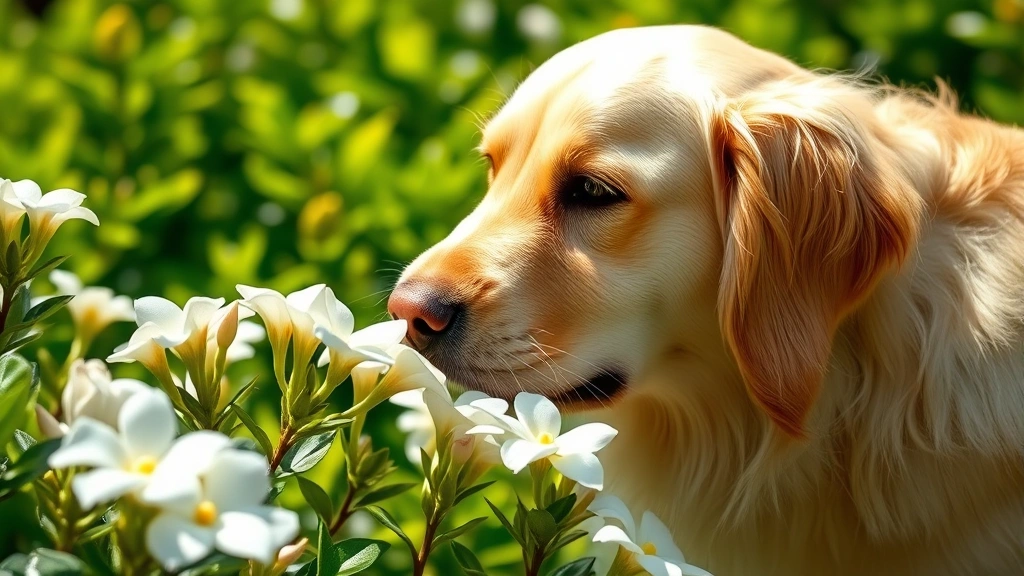
Are Gardenias Poisonous to Dogs? Vet’s Advice
If you’re a dog owner who loves gardening, you’ve probably wondered whether your beautiful gardenias pose any risk to your furry companion. The short answer is: gardenias are not considered highly toxic to dogs, but they can still cause mild to moderate gastrointestinal upset if ingested in significant quantities. While your pup won’t face life-threatening poisoning from nibbling a gardenia leaf, it’s still wise to understand what symptoms to watch for and how to prevent accidental consumption.
Many pet owners assume that all ornamental plants are dangerous for dogs, which leads to unnecessary worry. However, the toxicity level of gardenias falls into a gray area—they’re not on the ASPCA’s most dangerous plant list, yet they’re not completely harmless either. Understanding the specifics of gardenia toxicity can help you make informed decisions about where to place these fragrant flowers in your home and garden.
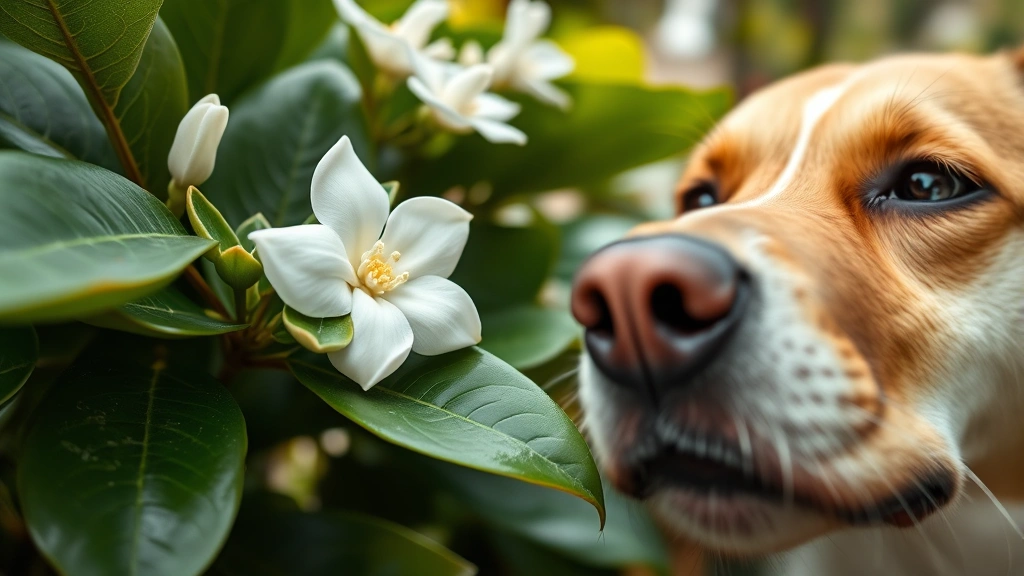
Are Gardenias Toxic to Dogs?
Gardenias contain compounds that can irritate a dog’s digestive system, but they’re not classified as highly toxic like substances tracked by ASPCA’s Animal Poison Control Center. The plant’s leaves and flowers contain glycosides and saponins, which are chemical compounds that can cause gastrointestinal distress when consumed. However, the concentration of these substances in gardenias is relatively low compared to truly dangerous plants.
Most cases of gardenia ingestion in dogs result in mild symptoms rather than severe toxicity. The risk level increases significantly if your dog consumes large quantities of the plant material. A curious puppy taking a single nibble is unlikely to experience serious consequences, but a dog that chews on multiple branches or flowers may develop noticeable symptoms. The individual dog’s size, age, and overall health also play crucial roles in determining how the plant will affect them.
It’s important to distinguish between gardenias and other potentially dangerous ornamental plants. For instance, if you’re also considering what other garden treats are safe, you might want to check whether dogs can eat broccoli or other vegetables you’re growing. Understanding the full spectrum of plant safety helps you create a truly pet-friendly outdoor space.
What Makes Gardenias Problematic
The primary concern with gardenias isn’t extreme toxicity but rather the irritating compounds present in all parts of the plant. When a dog ingests gardenia material, these compounds interact with the digestive tract lining, potentially causing inflammation and discomfort. The severity depends on several factors: the amount consumed, the part of the plant (flowers are generally less problematic than leaves), and the individual dog’s sensitivity.
Saponins, the soapy compounds found in gardenias, can create a foamy substance when they come into contact with stomach acid. This can lead to gastrointestinal upset and may cause vomiting or diarrhea. While this sounds alarming, it’s important to note that saponins are found in many common plants and foods that dogs encounter regularly. The key difference is that gardenias have enough saponin concentration to cause noticeable effects if consumed in meaningful quantities.
The glycosides in gardenias can also affect the digestive system, though research specifically on gardenia toxicity in dogs remains limited. Most veterinary knowledge about gardenia safety comes from general toxicology principles and reported cases of ingestion. This is why veterinarians typically recommend prevention rather than treatment, as the best approach is keeping your dog from accessing the plants in the first place.
If you’re concerned about various substances in your home and garden, you might also wonder whether dogs can drink milk or eat certain foods, as understanding overall dietary safety for your pet creates a comprehensive safety framework.
Symptoms of Gardenia Poisoning
Recognizing the signs that your dog has consumed gardenias is crucial for prompt intervention. The symptoms typically appear within a few hours of ingestion and can range from mild to moderate depending on the amount consumed. Vomiting is the most common symptom, often occurring within 1-4 hours after the plant material enters the stomach. The vomit may contain plant material or appear foamy due to the saponin content.
Diarrhea frequently accompanies vomiting and may persist for 24-48 hours after ingestion. Some dogs experience loose stools rather than full diarrhea, while others may have more severe intestinal distress. Abdominal discomfort and loss of appetite are also common, with affected dogs showing reluctance to eat their normal meals.
Other potential symptoms include:
- Drooling or excessive salivation
- Lethargy or decreased activity levels
- Abdominal pain or sensitivity when touched
- Dehydration, indicated by dry gums and decreased skin elasticity
- Mild fever in some cases
Most dogs recover within 24-72 hours without specific treatment, though supportive care is important. If your dog shows severe symptoms like persistent vomiting, bloody diarrhea, or signs of severe dehydration, seek veterinary attention immediately. It’s worth noting that some dogs may have greater sensitivity to plant toxins than others, just as individual dogs have different dietary needs—some thrive on certain foods while others experience issues with the same items.
Safe Gardening Practices
The best approach to gardenia safety is prevention. If you choose to grow gardenias in your home or garden, implementing smart placement and containment strategies protects your dog from accidental ingestion. Keep gardenias in elevated planters or hanging baskets that are genuinely inaccessible to your dog, not just positioned high enough that you think they can’t reach. Determined dogs can surprise you with their jumping and climbing abilities.
Consider creating a dedicated gardening area that’s physically separated from where your dog spends time. A fenced section of your yard, a screened porch, or an indoor garden room can house your gardenias while keeping your pup safe. If you have a large garden, designate a “dog-free zone” where you grow plants that aren’t safe for canine consumption and keep your dog’s play area restricted to dog-safe plants.
Supervision is essential when your dog has access to any part of your garden. Young puppies and curious dogs are particularly prone to investigating plants by chewing on them. Even well-trained dogs may succumb to temptation when they encounter an interesting smell or texture. Regular inspection of your garden helps you identify any damage to plants and catch early signs that your dog is showing interest in your gardenias.
If you’re redesigning your garden with pet safety in mind, consider what other plants and foods are safe. For example, you might explore whether dogs can eat corn if you’re growing vegetables, or check out whether dogs can eat cheese to understand safe treat options you can offer instead of plants.
Trimming dead leaves and fallen flowers from around your garden helps eliminate temptation. Dogs are often attracted to plant material that’s already separated from the main plant, as it seems more like “food” to them. Regular cleanup reduces the risk of accidental consumption.
Creating a Dog-Friendly Garden
Rather than simply removing gardenias, consider creating a comprehensive dog-friendly garden that includes both beautiful landscaping and pet safety. Numerous plants are completely safe for dogs and can provide similar aesthetic benefits to gardenias. The ASPCA maintains a comprehensive list of non-toxic plants that you can reference when redesigning your outdoor space.
Dog-safe flowering plants include sunflowers, zinnias, marigolds, and roses. These provide beautiful colors and fragrances without the toxicity concerns. Herbs like parsley, basil, and mint are not only safe but can actually provide health benefits for your dog. Some dogs enjoy nibbling on pet-safe herbs, and you can even grow a dedicated “dog herb garden” as an enrichment activity.
Create designated digging areas with soft soil or sand where your dog can indulge their natural digging instincts without destroying your garden. Provide shaded resting spots with comfortable outdoor bedding. Include dog-safe plants at ground level and taller structures (like pergolas with safe vining plants) to create visual interest while keeping hazardous plants out of reach.
Consider your dog’s personality when designing the space. Active dogs benefit from open running areas, while anxious dogs appreciate enclosed spaces with visual boundaries. Incorporating dog-safe plants that provide shade, wind breaks, and visual screening can help your pup feel secure while enjoying the outdoor environment.
What to Do If Your Dog Eats Gardenias
If you discover that your dog has consumed gardenias, stay calm and assess the situation. Determine how much plant material your dog ate and which part of the plant—flowers are less problematic than leaves or stems. Monitor your dog closely for the next 6-8 hours, watching for the symptoms mentioned earlier.
Contact your veterinarian or the ASPCA Animal Poison Control Center (888-426-4435) if you’re concerned about the amount consumed or if your dog shows any symptoms. Having information about the amount ingested and your dog’s weight helps the veterinarian provide accurate guidance. There’s no specific antidote for gardenia toxicity, so treatment is supportive and symptom-focused.
Supportive care includes:
- Offering small amounts of water frequently to prevent dehydration
- Withholding food for 12-24 hours if vomiting occurs, then reintroducing bland foods gradually
- Monitoring bowel movements and urine output
- Providing a comfortable, quiet space for recovery
- Observing for any worsening symptoms
Most cases resolve without veterinary intervention, but professional guidance is important if symptoms persist beyond 48 hours, worsen, or if your dog shows signs of severe dehydration. Puppies, elderly dogs, and dogs with pre-existing health conditions may require more aggressive supportive care.
After your dog recovers, take steps to prevent future incidents. If gardenias triggered the issue, remove them from your dog’s accessible areas. Consider your dog’s overall dietary safety too—understanding what’s safe to offer them prevents other accidental poisonings. Just as you might research whether cheese is good for dogs when considering treats, investigate plant safety regularly.
FAQ
Can dogs die from eating gardenias?
Death from gardenia ingestion is extremely unlikely. While gardenias can cause gastrointestinal upset, the toxins present aren’t in high enough concentrations to cause fatal poisoning in dogs. Most cases result in mild to moderate symptoms that resolve within 24-72 hours. Death would only occur in exceptional circumstances involving massive quantities of plant material, severe underlying health conditions, or lack of appropriate medical care for severe complications.
Are all parts of the gardenia plant toxic?
All parts of the gardenia plant contain the problematic compounds, but leaves and stems have higher concentrations than flowers. This means your dog is more likely to experience symptoms from chewing on branches than from accidentally ingesting a fallen flower. However, any part of the plant can cause issues if consumed in sufficient quantity.
How much gardenia is dangerous for dogs?
There’s no established toxic threshold dose for gardenias in dogs, but clinical signs typically appear when dogs consume significant amounts—usually several leaves or branches rather than trace amounts. A small puppy consuming a few leaves might show symptoms, while a large dog consuming the same amount might not. This is why veterinarians recommend erring on the side of caution and preventing access entirely.
Should I remove my gardenias if I have a dog?
You don’t necessarily need to remove gardenias, but you must ensure they’re completely inaccessible to your dog. If you can reliably keep them in a secured area away from your pet, you can maintain your gardenias. However, if your dog has access to your entire home or garden, or if they’re particularly destructive or curious, removing the plants is the safest option.
What’s the difference between gardenia toxicity and other poisonous plants?
Gardenias are significantly less toxic than plants like lilies, sago palms, or oleander, which can cause severe organ damage or death. Gardenias primarily cause gastrointestinal irritation rather than systemic toxicity. This doesn’t mean they’re harmless, but it does mean the risk level is considerably lower than with truly dangerous plants.
Can gardenias cause allergic reactions in dogs?
While allergic reactions are theoretically possible, they’re not commonly reported with gardenias. Most reactions are due to the irritating compounds rather than true allergies. If your dog shows signs of an allergic reaction (facial swelling, difficulty breathing, hives), seek emergency veterinary care immediately, as this would be a rare but serious complication.





