
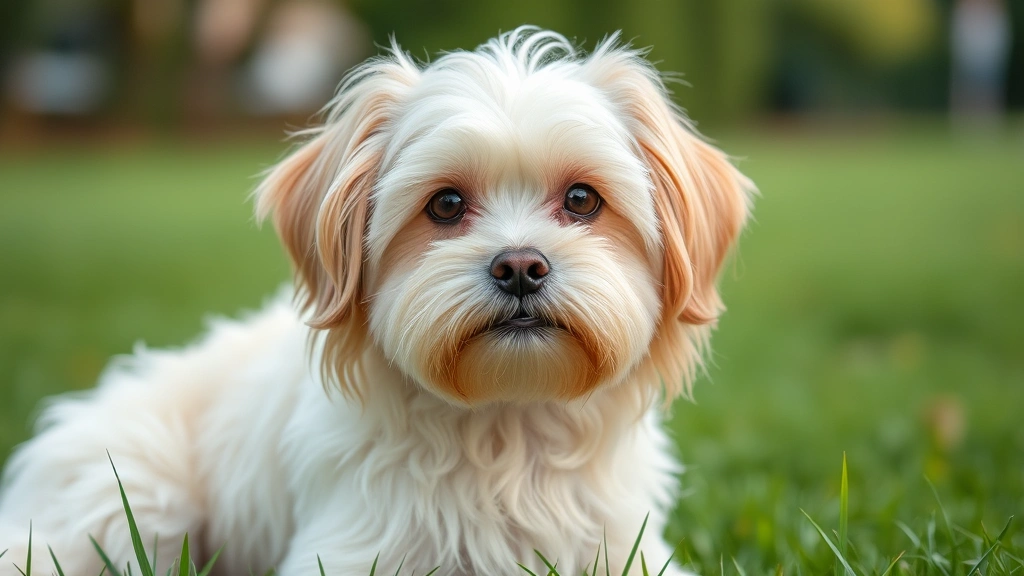
Are Havanese Dogs Hypoallergenic? Vet Insights on Allergies and Shedding
If you’re considering bringing a Havanese into your home, you’ve likely heard claims that they’re hypoallergenic. The truth is more nuanced than marketing suggests. While no dog breed is truly 100% hypoallergenic, Havanese dogs do produce fewer allergens than many other breeds, making them a potentially suitable choice for allergy sufferers. Understanding what makes them different—and what doesn’t—is essential before making your decision.
Havanese are small companion dogs with silky, long coats that shed minimally compared to double-coated breeds. However, shedding isn’t the only factor determining allergic reactions. Dander, saliva, and urine proteins trigger most dog allergies, and Havanese produce these allergens just like any other dog. This comprehensive guide explores the science behind hypoallergenic dogs, what makes Havanese unique, and practical steps to minimize allergic reactions if you want to welcome one into your family.
What Does Hypoallergenic Actually Mean?
The term “hypoallergenic” literally means “below normal” allergen production. When applied to dogs, it suggests a breed produces fewer allergens than typical breeds. However, the American Kennel Club and veterinary organizations emphasize that no dog breed is completely hypoallergenic. This distinction matters significantly for anyone with allergies considering dog ownership.
The confusion stems partly from marketing. Breeders and sellers often use the term “hypoallergenic” loosely to describe low-shedding breeds. But shedding and allergen production are different things. A dog that doesn’t shed visible hair might still produce substantial amounts of dander and other allergenic proteins. According to the American Kennel Club, individual variation within breeds is significant—some Havanese may trigger allergies while others don’t, depending on genetics and diet.
Allergies develop when the immune system overreacts to proteins found in dog saliva, urine, and skin cells. These proteins are microscopic and easily become airborne, settling on furniture, clothing, and in carpets. Understanding this mechanism helps explain why even “low-allergen” breeds can affect sensitive individuals.
Havanese Coat Characteristics
Havanese dogs possess a distinctive silky, soft coat that contributes to their hypoallergenic reputation. Their hair is long, flowing, and single-layered—meaning they lack the dense undercoat found in many other breeds. This structural difference affects how much hair they shed and how easily allergens become airborne.
The breed standard describes their coat as soft to the touch with a slight wave or curl. Colors range from cream and white to red, chocolate, and parti-colored patterns. This aesthetic appeal, combined with minimal shedding, makes them attractive to allergy-prone households. However, coat quality varies between individual dogs based on genetics, nutrition, and grooming practices.
Havanese require regular grooming to maintain coat health. Brushing 3-4 times weekly prevents matting and removes loose hair before it sheds naturally. Many owners opt for professional grooming every 6-8 weeks. This maintenance routine, while more demanding than short-coated breeds, actually helps minimize allergen accumulation in the home.
How Much Do Havanese Shed?
Havanese are genuinely low-shedding dogs compared to breeds like German Shepherds, Golden Retrievers, or Labradors. Their single-layer coat means they don’t experience the dramatic seasonal shedding associated with double-coated breeds. However, “low-shedding” doesn’t mean “non-shedding.”
You’ll notice occasional loose hairs, particularly during seasonal transitions in spring and fall. The amount varies by individual dog, diet quality, and environmental factors. Dogs with nutritional deficiencies or skin conditions may shed more heavily. Regular brushing captures most loose hair before it falls onto furniture and clothing.
A study published in the American Journal of Human Genetics examined allergen levels in homes with different dog breeds. Low-shedding breeds like Poodles and Bichon Frises produced measurably lower airborne allergen concentrations than high-shedding breeds. While Havanese weren’t specifically studied, their similar coat structure suggests comparable results.
The practical benefit: reduced visible hair on your furniture and clothing. However, this doesn’t guarantee reduced allergic reactions, since allergen production and shedding are separate factors.
The Real Allergen Culprits
Most people assume dog hair causes allergies. Actually, the primary allergen is a protein called Can f 1, found primarily in dog dander (dead skin cells), saliva, and urine. Hair itself isn’t allergenic—it’s simply a vehicle for these proteins.
Dander production is relatively consistent across dog breeds. All dogs shed skin cells continuously; the difference lies in how easily these cells become airborne. A dog’s saliva contains high concentrations of allergenic proteins. Every time your Havanese licks itself, plays with toys, or greets you with face licks, it spreads these proteins throughout your environment.
Urine contains another allergenic protein. Male dogs marking territory and intact females during heat cycles release higher allergen concentrations. This is one reason why neutered and spayed dogs may trigger fewer allergies in some households.
Interestingly, ASPCA research indicates individual dogs produce different allergen levels regardless of breed. Some Havanese may produce significantly less Can f 1 than others, explaining why allergy responses vary even within the same breed.
How Havanese Compare to Other Breeds
When evaluating whether Havanese are the right choice for allergy sufferers, comparison with other low-shedding breeds provides context. Poodles, Bichon Frises, Portuguese Water Dogs, and Schnauzers are similarly marketed as hypoallergenic. These breeds share characteristics with Havanese: single or low-shedding coats and minimal seasonal hair loss.
However, important differences exist. Poodles and Bichon Frises have curlier coats that trap dander more effectively, potentially reducing airborne allergen levels. Havanese coats are silkier and less dense, so dander may become airborne more easily despite lower overall shedding.
Size matters too. Smaller dogs occupy less space and have lower overall body surface area, producing somewhat less total allergen than large low-shedding breeds. Havanese’s small stature (typically 8-11 pounds) means lower absolute allergen production compared to Standard Poodles or Portuguese Water Dogs.
The key takeaway: Havanese are among the better choices for allergy sufferers, but they’re not superior to all other options. Individual variation within breeds is substantial, so spending time with a specific Havanese before committing is crucial.
Managing Allergies with a Havanese
If you’re determined to bring a Havanese home despite allergies, several evidence-based strategies minimize allergic reactions. These approaches work for any dog breed but are particularly effective with low-shedding dogs.
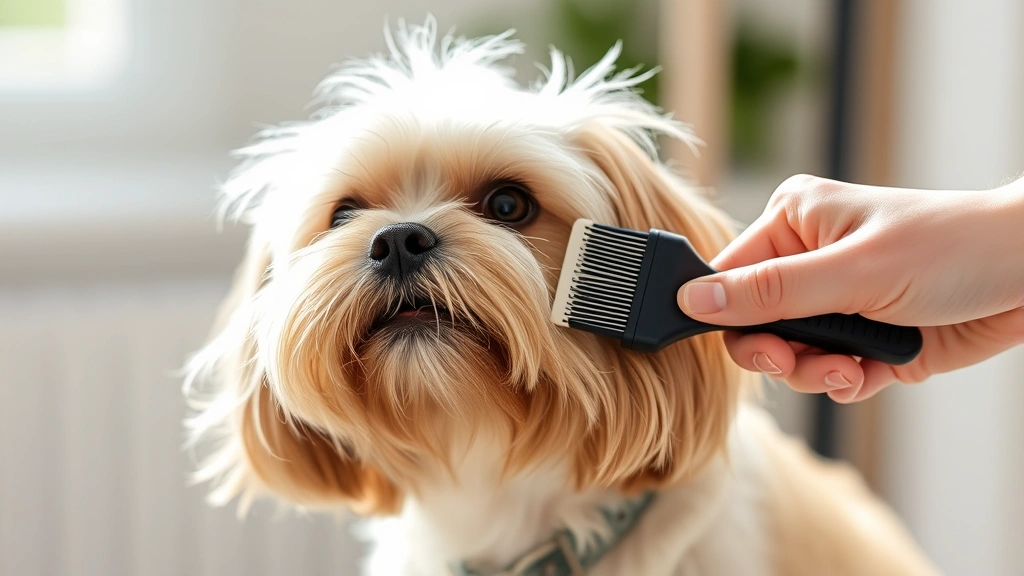
Regular Grooming and Brushing: Brushing your Havanese 3-4 times weekly removes loose hair and dander before they accumulate in your home. Use a slicker brush or metal comb, brushing thoroughly through the coat. Professional grooming every 6-8 weeks includes bathing, which removes accumulated dander and loose hair.
Home Environment Controls: HEPA air filters significantly reduce airborne allergens. Place units in bedrooms and main living areas. Wash bedding weekly in hot water, and vacuum frequently with a HEPA-filter vacuum. Hardwood or tile flooring is preferable to carpets, which trap allergens.
Bedroom Boundaries: Keeping your Havanese out of bedrooms creates an allergen-free sleeping zone. This single measure dramatically improves nighttime symptoms for many allergy sufferers.
Bathing Schedule: Bathing your Havanese weekly or bi-weekly reduces dander accumulation. Use a gentle, hypoallergenic dog shampoo to avoid skin irritation that increases shedding.
Allergy Medications: Consult your physician about antihistamines, nasal corticosteroids, or immunotherapy. Modern allergy medications allow many people to live comfortably with dogs despite allergies.
Immunotherapy Consideration: Some allergists recommend gradual exposure and immunotherapy to build tolerance. Spending increasing time with your Havanese helps some individuals develop reduced sensitivity.
Health and Nutrition for Coat Quality
A Havanese’s coat quality directly impacts allergen production and shedding. High-quality nutrition supports skin and coat health, potentially reducing excessive shedding and dander.
Essential fatty acids—particularly omega-3 and omega-6—are crucial for maintaining healthy skin and reducing inflammation. Dogs receiving adequate omega-3 fatty acids from fish oil or flaxseed show improved coat quality and reduced shedding. Look for dog foods listing fish as a primary ingredient or consider supplementation under veterinary guidance.
Protein quality matters significantly. Dogs require complete proteins containing all essential amino acids. High-quality animal proteins support keratin production, strengthening hair and skin. Conversely, poor-quality protein sources may result in weak hair and excessive shedding.
Proper hydration supports skin health and coat quality. Ensure your Havanese has constant access to fresh water. Some dogs benefit from adding moisture to their food through wet food or bone broth.
If your Havanese has food sensitivities or allergies, skin problems and excessive shedding may result. Common culprits include chicken, beef, dairy, and wheat. Working with your veterinarian to identify and eliminate problematic ingredients can dramatically improve coat quality. You might explore whether your dog tolerates foods like carrots, broccoli, and corn as nutritious additions to their diet, though always consult your vet first.
Skin conditions like yeast infections or bacterial overgrowth cause itching and excessive scratching, leading to increased shedding and dander production. Regular grooming and veterinary check-ups catch these issues early. Veterinary resources recommend monitoring your dog’s skin health as part of allergy management.
Probiotic supplements support skin health and immune function. Some research suggests probiotics reduce allergic responses in both dogs and their owners. Discuss probiotic supplementation with your veterinarian.
FAQ
Are Havanese dogs truly hypoallergenic?
No dog breed is completely hypoallergenic. Havanese are low-shedding and produce fewer allergens than many breeds, making them suitable for some allergy sufferers. However, they still produce dander, saliva, and urine proteins that trigger allergies. Individual Havanese vary in allergen production, so reactions differ between dogs.
Do Havanese shed more than other small breeds?
Havanese shed less than most breeds overall, though they may shed slightly more than Poodles or Bichon Frises due to their silkier, less-dense coat. Regular brushing and grooming minimize visible shedding significantly.
Can someone with severe dog allergies own a Havanese?
It depends on allergy severity and individual variation. Some severely allergic individuals may still react to Havanese. Before committing, spend extended time with a specific Havanese to gauge your reaction. Allergy testing and consultation with your physician and allergist are recommended.
What’s the best grooming schedule for allergy management?
Brush your Havanese 3-4 times weekly, bathe them weekly or bi-weekly, and schedule professional grooming every 6-8 weeks. This routine removes loose hair and dander before they accumulate in your home.
Does diet affect Havanese allergen production?
Yes. High-quality nutrition supporting skin and coat health reduces shedding and dander production. Omega-3 fatty acids, quality protein, and proper hydration are particularly important. Food sensitivities causing skin inflammation increase shedding and allergen production.
Are male or female Havanese less allergenic?
Neutered males and spayed females produce fewer allergens than intact dogs. Intact males mark territory more frequently, spreading urine-based allergens. Intact females release additional allergens during heat cycles. Spaying or neutering reduces these allergens significantly.
How does a HEPA air filter help with Havanese allergies?
HEPA filters trap microscopic allergen particles, reducing airborne dander and other dog-related proteins. Placing HEPA filters in bedrooms and main living areas provides significant relief for many allergy sufferers, particularly during sleep.
Can immunotherapy help with Havanese allergies?
Some people develop reduced sensitivity through gradual exposure and immunotherapy. Consult an allergist about whether this approach is appropriate for your situation. Modern allergy medications also help many people live comfortably with dogs.





