

Are Milk Bones Good for Dogs? Vet Insights
Milk Bones have been a staple in dog treat aisles for over a century, with many pet owners reaching for these iconic biscuits without hesitation. But are they actually good for your dog? The answer isn’t as simple as yes or no. While Milk Bones are generally safe for most dogs, veterinarians have nuanced perspectives on their nutritional value and whether they should be a regular part of your dog’s diet.
This comprehensive guide explores what Milk Bones contain, their potential benefits and drawbacks, and what veterinary professionals recommend for optimal canine nutrition. Whether you’re a devoted Milk Bone user or considering them for the first time, understanding the facts will help you make informed decisions about your dog’s treats and overall health.
What Are Milk Bones?
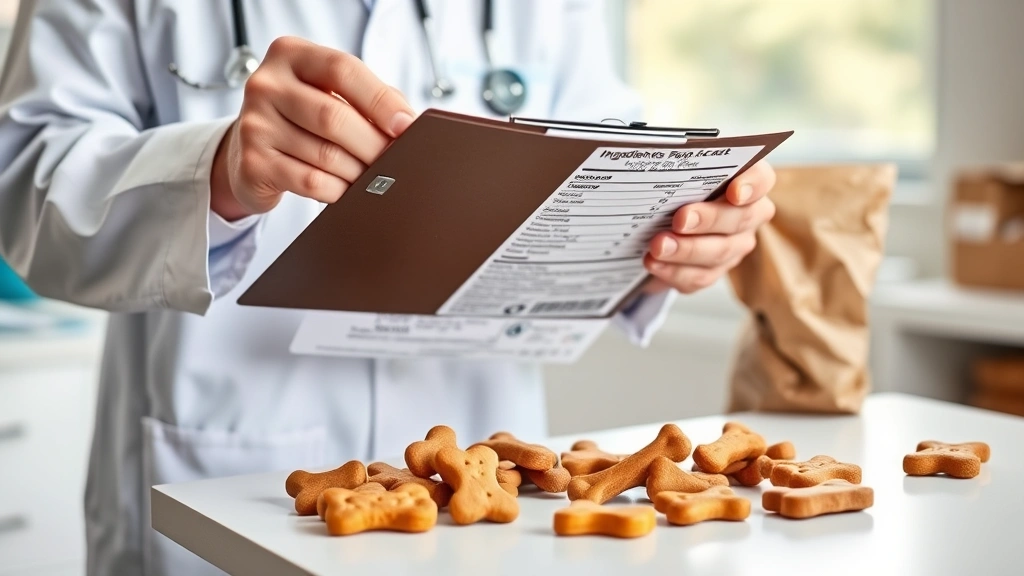
Milk Bones are biscuit-style treats manufactured by Big Heart Pet Brands, now owned by J.M. Smucker Company. These treats have been around since 1915, making them one of the longest-standing dog treat brands in North America. The iconic bone shape and mild flavor have made them recognizable to generations of dog owners.
The basic formula hasn’t changed dramatically over the decades: a wheat-based biscuit fortified with vitamins and minerals, with dairy components included in the recipe. The treats come in various sizes—from tiny treats for small dogs to large biscuits for bigger breeds—allowing owners to match the treat size to their pet’s stature.
Milk Bones are designed as a crunchy treat that dogs can chew on, with manufacturers claiming the mechanical action of chewing provides dental benefits. However, the actual efficacy of this claim requires closer examination, as we’ll explore in detail below.
Nutritional Content Analysis
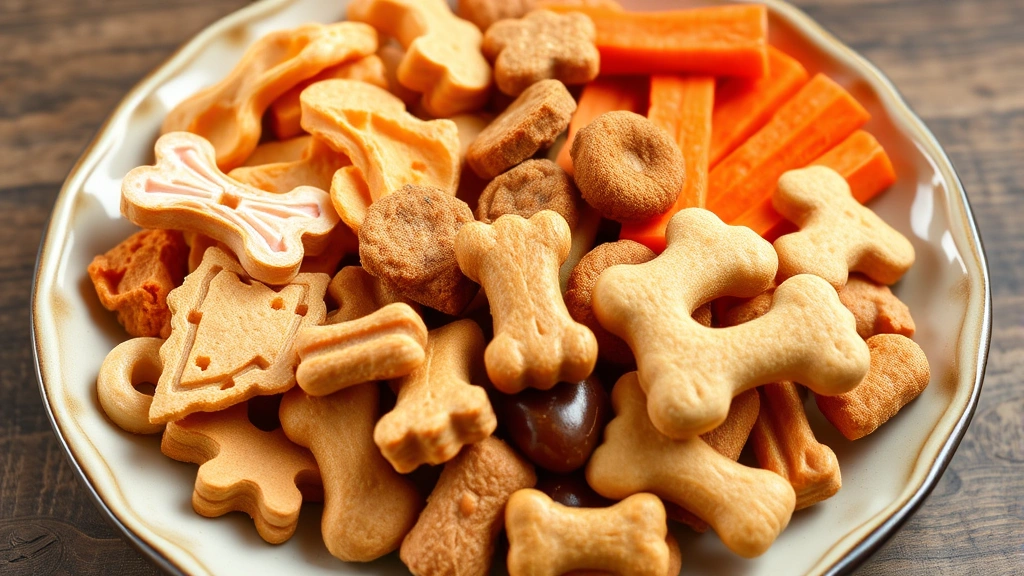
When evaluating whether Milk Bones are good for dogs, the nutritional breakdown is essential. A typical Milk Bone biscuit contains:
- Calories: 15-20 calories per small biscuit (varies by size)
- Protein: 0.5-1 gram per biscuit
- Fat: 0.5-1 gram per biscuit
- Carbohydrates: 2-3 grams per biscuit
- Fiber: Minimal amounts
The ingredient list typically includes wheat flour, meat and bone meal, soybean meal, wheat gluten, and various vitamins and minerals. While these ingredients are technically safe, they don’t represent a nutritionally dense treat option. Most Milk Bones derive their calories from carbohydrates rather than protein, which isn’t ideal for carnivorous animals.
Compared to whole food options like carrots, which are good for dogs and provide natural fiber and nutrients, or cheese, which offers higher protein content, Milk Bones offer minimal nutritional advantage. The fortified vitamins and minerals are synthetic additions that don’t compare to naturally occurring nutrients found in whole foods.
Safety Concerns and Ingredients
One critical question pet owners ask is whether Milk Bones are safe for their dogs. The good news is that Milk Bones don’t contain ingredients that are inherently toxic to dogs. However, there are several considerations worth noting:
Wheat Content: Milk Bones are primarily wheat-based, which poses challenges for dogs with grain sensitivities or celiac-like conditions. If your dog has a wheat allergy or sensitivity, Milk Bones should be avoided entirely. Signs of grain sensitivity include itching, digestive upset, or skin issues.
Artificial Preservatives: Some Milk Bone formulations contain BHA (butylated hydroxyanisole), a preservative that has raised concerns among some veterinarians and pet nutritionists. While the FDA considers BHA safe at current levels, some pet owners prefer treats without artificial preservatives.
Choking Risk: While rare, Milk Bones can pose a choking hazard, particularly for dogs who don’t chew thoroughly or gulp treats whole. Always supervise your dog with treats and ensure the size is appropriate for your pet. Dogs who are aggressive chewers or have a tendency to swallow without chewing should avoid hard biscuits entirely.
Caloric Density: For dogs on restricted calorie diets or those prone to obesity, Milk Bones contribute empty calories without substantial nutritional benefit. This is particularly important since corn and similar carbohydrate-heavy ingredients can contribute to weight gain.
According to the ASPCA Pet Care guidelines, treats should comprise no more than 10% of your dog’s daily caloric intake, making proper portion control essential regardless of treat choice.
Dental Benefits: Myth or Reality?
The marketing claim that Milk Bones promote dental health through mechanical abrasion is one of the most common reasons owners purchase them. Let’s examine whether this claim holds up to scientific scrutiny.
The theory is sound: the act of chewing harder foods can help remove some plaque and tartar from tooth surfaces. However, research shows that this benefit is minimal and doesn’t replace proper dental care. A 2015 study published in the American Journal of Veterinary Research found that while some dental chews do provide modest plaque reduction, the effect is significantly less than professional dental cleaning or proper home care with toothbrushing.
For genuine dental benefits, veterinarians recommend:
- Daily tooth brushing with dog-safe toothpaste
- Professional dental cleanings as recommended by your veterinarian
- Dental chews specifically formulated and tested for efficacy (look for the Veterinary Oral Health Council seal)
- A balanced diet that supports overall oral health
While Milk Bones won’t harm your dog’s teeth, they shouldn’t be relied upon as a primary dental care strategy. The carbohydrate content actually provides bacteria with fuel, potentially counteracting any mechanical cleaning benefit.
Healthier Treat Alternatives
If you’re concerned about whether Milk Bones are the best choice for your dog, numerous healthier alternatives exist. These options provide better nutritional profiles while still offering the satisfaction of a treat:
Whole Food Treats: Fresh vegetables like broccoli offer low calories, fiber, and nutrients. Frozen vegetables can provide dental benefits through natural chewing resistance while being lower in calories than commercial treats.
Protein-Based Treats: Freeze-dried meat treats, bully sticks, or dehydrated chicken provide high protein content and satisfy natural chewing instincts. These align better with a dog’s carnivorous nutritional needs.
Dental-Specific Chews: Products with Veterinary Oral Health Council approval offer proven dental benefits. Look for chews specifically tested for plaque and tartar reduction.
Homemade Options: Many veterinarians recommend homemade treats using ingredients like pumpkin, peanut butter (xylitol-free), and oats. These allow you to control ingredients and portion sizes precisely.
Other Safe Foods: Certain mushrooms are safe for dogs, as are many other vegetables that provide nutritional value without artificial additives.
The Association of American Feed Control Officials (AAFCO) provides guidelines for nutritional adequacy in pet treats, so checking for AAFCO certification on alternative treats ensures they meet established nutritional standards.
Proper Feeding Guidelines
If you decide to give your dog Milk Bones, following proper feeding guidelines ensures they’re incorporated safely into your dog’s diet:
The 10% Rule: Treats, including Milk Bones, should comprise no more than 10% of your dog’s daily caloric intake. For a typical 50-pound dog requiring approximately 1,000 calories daily, this means no more than 100 calories from treats, or roughly 5-7 small Milk Bones.
Size Appropriateness: Always choose the size designed for your dog’s weight and age. Small dogs should receive small treats, large dogs should receive appropriately sized biscuits. Never give a large Milk Bone to a small dog.
Frequency: Milk Bones can be given occasionally as a treat, but shouldn’t be a daily staple. Rotating treats prevents dietary monotony and ensures your dog receives varied nutrition.
Health Considerations: Dogs with wheat sensitivities, grain allergies, or those on restricted diets should avoid Milk Bones entirely. Consult your veterinarian before introducing any new treat if your dog has health conditions or dietary restrictions.
Supervision: Always supervise your dog while eating treats. Remove any pieces that break off and could pose choking hazards, particularly for aggressive chewers.
Storage: Keep Milk Bones in an airtight container to maintain freshness and prevent spoilage. Check expiration dates regularly and discard expired treats.
Your veterinarian can provide personalized recommendations based on your dog’s age, weight, health status, and dietary needs. What works for one dog might not be ideal for another, so professional guidance is valuable.
FAQ
Are Milk Bones toxic to dogs?
No, Milk Bones are not toxic to dogs in the amounts typically given as treats. They contain no ingredients inherently poisonous to canines. However, individual dogs may have sensitivities to specific ingredients like wheat. Always monitor your dog for adverse reactions when introducing any new treat.
Can puppies have Milk Bones?
Puppies can have Milk Bones designed for their size, though they’re not nutritionally necessary. Focus on puppy-specific nutrition during growth phases. For puppies with developing teeth, softer treats might be more appropriate than hard biscuits. Consult your veterinarian about appropriate treats for puppies under six months old.
How many Milk Bones can I give my dog daily?
This depends on your dog’s size and daily caloric needs, but following the 10% treat rule, most dogs can safely have 3-7 small Milk Bones daily without exceeding recommended treat intake. Larger dogs might tolerate more, while small dogs should receive fewer. Adjust based on your dog’s overall diet and caloric requirements.
Do Milk Bones really clean dogs’ teeth?
While the mechanical action of chewing can remove some plaque, Milk Bones are not an effective substitute for proper dental care. Professional cleanings and daily tooth brushing provide far superior dental health benefits. Milk Bones should not be relied upon as a primary dental health tool.
Are there grain-free Milk Bones?
Yes, Milk Bones offers grain-free varieties for dogs with wheat sensitivities or grain allergies. However, grain-free treats often contain higher fat content and different binders, so they’re not automatically healthier. Check the ingredient list and nutritional content of grain-free options.
What’s the best alternative to Milk Bones?
The best alternative depends on your dog’s needs. For dental health, look for treats with Veterinary Oral Health Council approval. For nutrition, consider whole foods like vegetables or freeze-dried meat. For a balanced option, consult your veterinarian about treats that align with your dog’s specific dietary needs.
Can Milk Bones cause allergies?
Dogs can develop allergies to ingredients in Milk Bones, most commonly wheat. If your dog shows signs of allergies (itching, digestive upset, skin issues) after eating Milk Bones, discontinue use and consult your veterinarian. An elimination diet can help identify specific triggers.





