
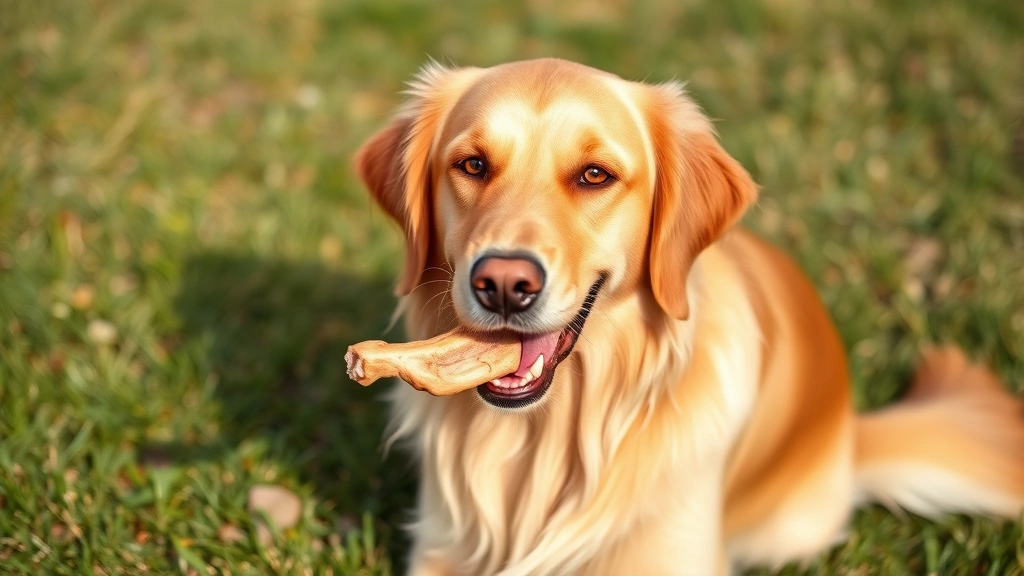
Are Pork Ears Safe for Dogs? Vet Insights
Pork ears have become increasingly popular as dog treats, marketed as natural chews that satisfy a dog’s instinct to gnaw while promoting dental health. But as a pet owner, you’re right to ask: are they actually safe? The answer is nuanced and depends on several factors including sourcing, preparation, and your individual dog’s health status.
This comprehensive guide explores what veterinarians say about pork ears, potential risks, benefits, and how to choose the safest options for your furry companion. Whether you’re considering pork ears for the first time or reassessing your current treat choices, we’ll provide evidence-based insights to help you make informed decisions.
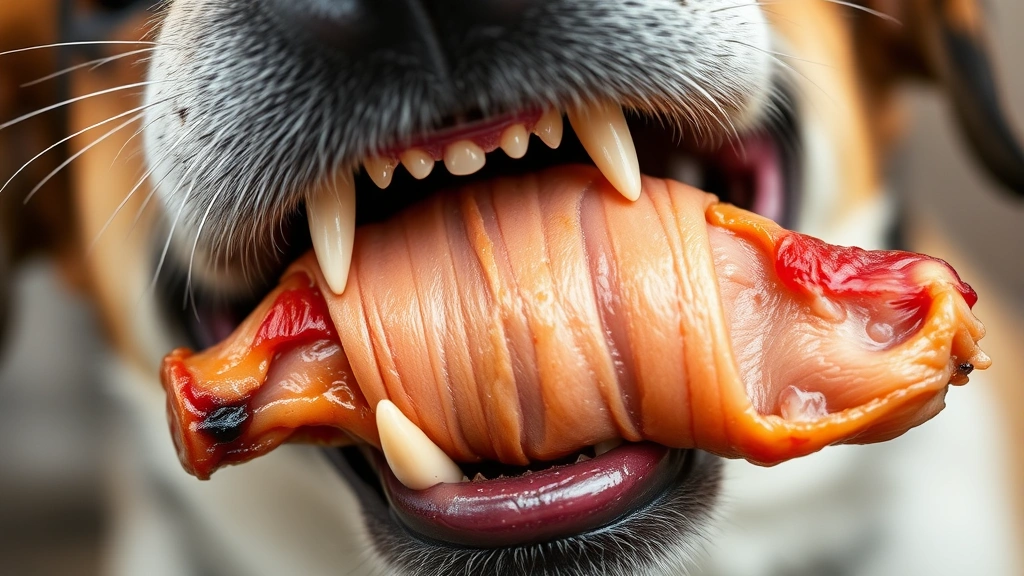
Are Pork Ears Safe for Dogs?
The short answer: Yes, pork ears can be safe for most dogs when sourced responsibly and given appropriately, but they’re not risk-free. According to the Association of American Feed Control Officials (AAFCO), pork products can be included in dog food formulations, and many commercial treats incorporate pork safely.
However, safety depends heavily on how the pork ears are sourced, processed, and stored. Veterinarians generally agree that high-quality pork ears from reputable manufacturers are preferable to those from unknown sources. The key concern isn’t pork itself—many dogs eat pork-based kibble without issue—but rather the processing methods and potential contamination risks.
Dogs have evolved to digest meat-based products, including pork, for thousands of years. What matters most is the quality of the product and how it’s handled. A certified veterinarian from the American Animal Hospital Association would likely recommend choosing pork ears that meet food safety standards.
Nutritional Content and Benefits
Pork ears are primarily composed of protein, fat, and collagen—nutrients that can benefit dogs when part of a balanced diet. Here’s what makes them appealing to pet owners:
- Protein content: Pork ears provide amino acids essential for muscle maintenance and repair
- Collagen: Supports joint health and skin quality in aging dogs
- Natural chewing action: The texture encourages natural jaw movement and can help reduce plaque buildup
- Mental stimulation: Chewing provides enrichment and can reduce anxiety-related behaviors
- Low carbohydrate: Unlike many commercial treats, pork ears contain minimal carbs
The chewing action itself offers therapeutic benefits. When dogs chew, they release endorphins that promote relaxation. For anxious dogs or those prone to destructive behavior, appropriate chew treats like pork ears can redirect that energy productively. This is especially valuable for puppies during teething or adult dogs that need mental enrichment.
Many pet owners note improved dental health markers after their dogs regularly chew on pork ears, though the American Veterinary Medical Association (AVMA) emphasizes that chew treats should complement, not replace, proper dental care including brushing.
Potential Health Risks
While pork ears offer benefits, veterinarians have identified several potential concerns worth considering:
- Fat content: Pork ears are relatively high in fat, which can trigger pancreatitis in susceptible dogs
- Caloric density: A single pork ear can contain 100+ calories, impacting weight management
- Bacterial contamination: Raw or improperly processed pork ears pose salmonella and E. coli risks
- Choking hazard: Pieces can break off and obstruct airways or digestive tract
- Allergic reactions: Some dogs develop sensitivities to pork products
Dogs with pancreatitis history, obesity, or sensitive digestive systems should avoid pork ears entirely. If your dog has underlying health conditions, consult your veterinarian before introducing new treats. The high fat content is particularly concerning for breeds predisposed to pancreatic issues like Schnauzers and Dachshunds.
Bacterial Contamination Concerns
One of the most serious risks associated with pork ears involves bacterial pathogens. A study published in the Journal of Food Protection examined commercially available raw pet treats and found concerning contamination rates. Raw or minimally processed pork products can harbor salmonella and pathogenic E. coli.
These bacteria don’t just affect your dog—they can transfer to humans through contact. If your dog ingests contaminated pork ears, bacteria can colonize their digestive tract and be shed in feces, potentially contaminating your home environment. This poses particular risks to immunocompromised family members, young children, and elderly individuals.
Signs of bacterial infection include:
- Diarrhea (sometimes bloody)
- Vomiting
- Lethargy and loss of appetite
- Abdominal pain
- Fever
To minimize contamination risk, purchase pork ears that have been heat-treated or otherwise processed to eliminate pathogens. Look for products from manufacturers who conduct regular safety testing and maintain transparent sourcing practices. Avoid raw pork ears unless they’ve been specifically tested for pathogen-free status.
Choking and Digestive Issues
Pork ears present mechanical risks beyond bacterial concerns. As dogs chew, pieces can break off and become lodged in the throat or esophagus. This is particularly problematic for:
- Puppies who haven’t developed appropriate chewing skills
- Senior dogs with dental disease or loose teeth
- Aggressive chewers who gulp rather than chew methodically
- Small breeds with proportionally smaller airways
- Dogs with a history of GI obstruction
Large chunks can also cause impaction in the colon or small intestine. Symptoms of GI obstruction include persistent vomiting, inability to defecate, abdominal distension, and lethargy. This is a surgical emergency requiring immediate veterinary intervention.
To reduce choking risk, supervise your dog while they chew pork ears. Remove the treat if pieces become small enough to swallow whole. Some veterinarians recommend soaking pork ears briefly to soften them, or choosing smaller sizes appropriate for your dog’s mouth.
How to Safely Give Pork Ears
If you’ve decided pork ears are appropriate for your dog, follow these safety guidelines:
- Choose quality products: Select pork ears from reputable manufacturers with transparent sourcing and safety testing protocols. Look for products labeled as meeting AAFCO standards or those certified by third-party testing organizations.
- Verify processing methods: Ensure pork ears have been heat-treated to eliminate pathogens. Avoid raw pork ears unless specifically tested for safety.
- Supervise chewing: Never leave your dog alone with a pork ear. Watch for choking risks and remove the treat if it becomes too small.
- Limit frequency: Pork ears should be occasional treats, not daily staples. Once or twice weekly is reasonable for most adult dogs.
- Account for calories: Subtract pork ear calories from your dog’s daily food allowance to prevent weight gain. Treats should comprise no more than 10% of daily caloric intake.
- Monitor digestion: Watch for diarrhea, vomiting, or other GI upset after introducing pork ears. Discontinue use if problems develop.
- Store properly: Keep pork ears in cool, dry conditions. Opened packages should be sealed and refrigerated if not consumed quickly.
- Check with your vet: If your dog has pancreatitis history, obesity, or gastrointestinal disease, ask your veterinarian before offering pork ears.
For puppies under six months old, it’s best to avoid pork ears entirely. Their teeth are still developing, and the choking risk is higher. Opt for softer puppy-appropriate chews instead.
Best Practices and Alternatives
While pork ears can be safe when chosen carefully, several alternatives offer comparable benefits with potentially lower risks:
Safer chew alternatives include:
- Bully sticks: High protein, single-ingredient treats from beef that are digestible and lower choking risk
- Yak cheese chews: Hard, long-lasting, and naturally shed small pieces that are easily digestible
- Raw carrots: Low-calorie, crunchy texture promotes dental health (learn more about whether carrots are safe for dogs)
- Dental chew toys: Rubber or nylon options designed specifically for plaque reduction
- Antlers or horns: Extremely durable options that last longer than pork ears
When considering any treat, including corn-based products or vegetable options like broccoli, the same principles apply: quality sourcing, appropriate portion control, and individual dog suitability.
Dogs with specific dietary restrictions may benefit from alternatives. For instance, dogs with sensitivities to certain foods or those avoiding specific ingredients should choose treats accordingly. Similarly, dogs sensitive to ingredients like onions that are toxic to dogs require careful treat selection.
Best practices for any dog treat:
- Introduce new treats gradually to assess tolerance
- Watch for allergic reactions or digestive upset
- Maintain proper portion control
- Prioritize high-quality, well-sourced products
- Supervise chewing when possible
- Remove treats if they become choking hazards
- Combine treats with regular dental care practices
- Consult your veterinarian about individual dog needs
Your dog’s nutritional needs vary based on age, size, health status, and activity level. What’s appropriate for a healthy adult dog may not suit a senior dog with pancreatitis or a growing puppy. Always tailor treat choices to your individual dog’s circumstances.
FAQ
Can puppies eat pork ears?
It’s best to wait until puppies are at least 6-12 months old before offering pork ears. Puppies’ teeth are still developing, and they haven’t yet mastered safe chewing techniques. Additionally, their digestive systems are more sensitive to potential contaminants. Consult your veterinarian about appropriate puppy chews.
Are raw pork ears safer than cooked ones?
No—cooked or heat-treated pork ears are generally safer than raw options. Raw pork ears carry higher bacterial contamination risks. Heat processing eliminates most pathogens that could cause illness in your dog or spread to family members. Choose products that clearly indicate heat treatment or cooking.
What should I do if my dog chokes on a pork ear?
If your dog is actively choking and unable to breathe, attempt the Heimlich maneuver for dogs as described by the ASPCA. For smaller dogs, hold them upside down and gently tap their back. If the object doesn’t dislodge immediately, get to an emergency veterinary clinic. Don’t wait—airway obstruction is life-threatening.
How many pork ears can my dog eat per week?
One to two pork ears per week is reasonable for most healthy adult dogs. This assumes they’re part of a balanced diet where treats comprise no more than 10% of daily calories. Adjust based on your dog’s individual caloric needs and activity level. Obese or less active dogs should have fewer treats.
Can dogs with pancreatitis eat pork ears?
No. Dogs with pancreatitis history should avoid pork ears due to their high fat content, which can trigger pancreatitis flare-ups. Work with your veterinarian to identify safe, low-fat treat options for dogs with this condition.
Are pork ears good for dogs’ teeth?
Pork ears can support dental health through the mechanical action of chewing, which helps remove some plaque and tartar. However, they shouldn’t replace proper dental care including regular brushing and professional cleanings. Combining pork ears with a comprehensive dental routine provides the best results.
What are signs my dog is allergic to pork ears?
Allergic reactions may include itching, skin rashes, ear infections, vomiting, or diarrhea. If these symptoms appear after introducing pork ears, discontinue use and contact your veterinarian. Some dogs develop pork sensitivities, particularly those with pre-existing food allergies or inflammatory bowel disease.
Should I refrigerate pork ears?
Once a package is opened, pork ears should be stored in an airtight container in the refrigerator or freezer. Unopened packages can typically be stored in cool, dry conditions according to manufacturer guidelines. Always check for signs of spoilage before offering a treat to your dog.





