

Are Shih Tzus Hypoallergenic? Vet Insights & What You Need to Know
If you’re considering bringing a Shih Tzu into your home but suffer from allergies, you’ve likely encountered claims that this breed is hypoallergenic. The truth is more nuanced than marketing suggests. While Shih Tzus are often recommended for allergy sufferers, no dog breed is truly 100% hypoallergenic. Understanding what makes a Shih Tzu a better choice for some allergic individuals—and why they might still trigger symptoms in others—is essential before making this commitment.
Shih Tzus have become increasingly popular among people with dog allergies, and there are legitimate reasons for this preference. However, veterinarians and allergists agree that the term “hypoallergenic” is somewhat misleading when applied to any dog breed. This guide breaks down the science behind dog allergies, explains what makes Shih Tzus relatively allergy-friendly, and provides practical strategies for living comfortably with this charming breed.
What Actually Causes Dog Allergies?
Most people assume dog allergies stem from fur, but that’s a common misconception. The primary culprits are actually proteins found in dog saliva, urine, and skin cells (dander). When dogs shed or groom themselves, they spread these allergens throughout their environment. Additionally, dogs produce proteins in their skin secretions that become airborne and settle on furniture, clothing, and bedding.
According to the Asthma and Allergy Foundation of America, approximately 10% of the population has dog allergies. The severity varies dramatically from person to person—some individuals experience mild itching and sneezing, while others suffer from severe respiratory distress. Understanding the source of allergens is crucial because it explains why certain breeds and grooming practices can reduce allergic reactions.
The protein Can f 1 is the most significant allergen produced by dogs, found primarily in skin glands and sebaceous secretions. Other notable allergens include Can f 2, Can f 3, and Can f 4. Different breeds produce these proteins in varying concentrations, which is why some dogs trigger fewer symptoms in sensitive individuals. However, individual dogs within the same breed can produce different allergen levels, making breed selection just one factor in allergy management.
Shih Tzu Coat Characteristics
Shih Tzus possess a distinctive double coat consisting of a dense undercoat and longer, silky outer coat. Unlike many breeds that have fur, Shih Tzus technically have hair that grows continuously and doesn’t shed in the traditional sense. This structural difference is key to understanding why they’re often recommended for allergy sufferers. The hair grows long and remains on the dog’s body rather than falling out constantly, which means fewer allergen-laden hairs floating through your home.
The breed’s coat requires significant maintenance to prevent matting and tangling. Many owners maintain their Shih Tzus in a “puppy cut” or shorter grooming style, which makes daily care more manageable. The dense nature of their coat means that dander and skin cells don’t disperse as easily into the air as they do with breeds that shed heavily. This characteristic, combined with regular bathing and grooming, can substantially reduce allergen levels in the home environment.
It’s important to note that Shih Tzus do shed minimally—particularly during seasonal changes or if they’re stressed. This shedding is far less pronounced than breeds like Labrador Retrievers or German Shepherds, but it does occur. The continuous hair growth cycle means that dead hair must go somewhere; in Shih Tzus, it typically remains trapped in the coat until removed through grooming, rather than falling out naturally.
The Hypoallergenic Myth: What Veterinarians Say
The term “hypoallergenic” has become a marketing tool in dog breeding, but veterinarians consistently caution against taking this label at face value. According to the American Kennel Club, while Shih Tzus are listed among breeds that may be suitable for allergy sufferers, no breed is universally hypoallergenic. The American College of Allergy, Asthma & Immunology (ACAAI) emphasizes that individual reactions vary significantly, and some allergic individuals react to every dog breed without exception.
Veterinary dermatologists explain that the term “hypoallergenic” is misleading because it suggests a dog won’t trigger allergies in anyone. What Shih Tzus actually offer is a reduced likelihood of triggering allergies in some people, due to their hair type and lower shedding rates. However, someone with severe dog allergies might still experience symptoms around a Shih Tzu, while another person with mild allergies might have no problems whatsoever.
The reality is that allergen production varies among individual dogs within the breed. Some Shih Tzus produce lower levels of allergens, while others produce higher levels. Genetics, diet, skin health, and grooming frequency all influence how many allergens a specific dog produces. This is why spending time with the particular Shih Tzu you’re considering adopting is crucial before making a commitment.
Shedding, Dander & Allergen Reduction
The primary advantage of Shih Tzus for allergy sufferers lies in their minimal shedding and dander management. Traditional shedding breeds lose large amounts of fur constantly, distributing allergens throughout the home. Shih Tzus’ continuous hair growth means less hair ends up on your furniture, clothes, and floors—and consequently, fewer allergens are dispersed into the air you breathe.
Dander, which consists of dead skin cells, is more effectively controlled with Shih Tzus when proper grooming is maintained. Regular bathing removes loose skin cells and reduces the buildup of dander in the coat. When dander isn’t regularly removed through grooming, it accumulates and eventually becomes airborne, triggering allergic reactions. This is why grooming frequency directly impacts allergen levels in your home environment.
Research published in veterinary journals shows that regular bathing and grooming can reduce allergen levels by up to 84% compared to ungroomed dogs. This dramatic reduction demonstrates that the effort invested in maintaining a Shih Tzu’s coat provides real benefits for allergic household members. However, this benefit only materializes with consistent, proper grooming practices.
It’s worth noting that while Shih Tzus shed minimally, they still produce allergens through saliva and skin secretions. These proteins can transfer to furniture, bedding, and clothing through direct contact with the dog. This is why even a minimally shedding breed can trigger allergies in highly sensitive individuals who are exposed to these other allergen sources.

Managing Allergies While Living with a Shih Tzu
If you’re considering a Shih Tzu despite having dog allergies, implementing comprehensive management strategies can significantly improve your comfort level. The first step is consulting with your allergist or doctor before bringing a dog into your home. They can assess your specific allergy severity and recommend preventive medications or treatments that might help.
Creating designated dog-free zones in your home is one of the most effective strategies. Keeping your bedroom as a Shih Tzu-free space ensures you have at least one area where allergen levels remain low, allowing for better sleep quality and respiratory recovery. This simple measure can make a substantial difference in daily comfort levels and overall symptom management.
Air filtration is another critical component of allergy management. HEPA air purifiers effectively capture dog allergens and dander, removing them from the air before you inhale them. Placing purifiers in bedrooms and primary living spaces significantly reduces airborne allergen concentrations. Additionally, regular vacuuming with HEPA-filter vacuum cleaners removes allergen-laden dust from carpets and rugs more effectively than standard vacuums.
Washing your hands after petting your Shih Tzu and avoiding touching your face is a simple but effective practice. This prevents transferring allergens from the dog’s coat to your eyes, nose, and mouth where they can trigger symptoms. Similarly, washing clothes and bedding frequently removes accumulated allergens and reduces your exposure during sleep.
The Critical Role of Professional Grooming
Professional grooming every 4-6 weeks is essential for Shih Tzu owners with allergies. Groomers have specialized tools and expertise to thoroughly remove loose hair, dead skin cells, and accumulated dander from the coat. This level of cleaning is difficult to achieve at home, even with regular bathing. Between professional appointments, daily brushing helps prevent matting while removing additional loose hair before it sheds naturally.
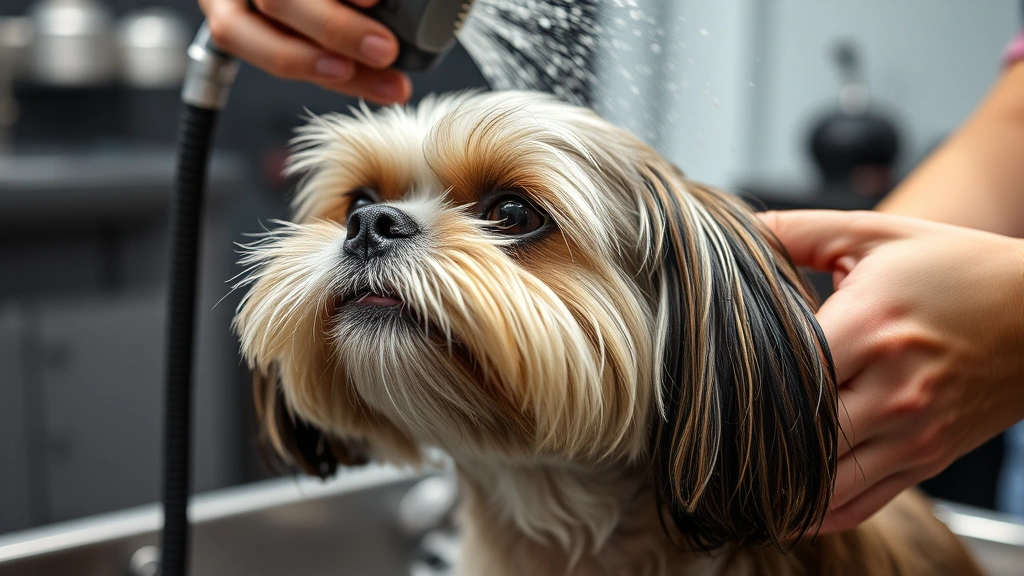
Bathing your Shih Tzu 1-2 times weekly with hypoallergenic dog shampoo further reduces allergen levels. The warm water and shampooing process removes dander and dead skin cells, temporarily lowering the allergen load your dog produces. Some allergists recommend that someone without dog allergies perform the bathing, as this minimizes the allergic individual’s exposure during the process.
Keeping your Shih Tzu’s facial hair trimmed short around the eyes and mouth is not just a grooming preference—it’s an allergy management strategy. Hair in these areas traps saliva and other secretions, which are significant allergen sources. Regular trimming reduces the amount of allergen-laden hair in areas where the dog frequently grooms itself.
The investment in professional grooming and regular home maintenance is substantial but necessary if you want to successfully live with a Shih Tzu while managing allergies. Without this commitment, the breed’s hypoallergenic advantages diminish significantly. Poor grooming practices can actually increase allergen production as dead skin cells accumulate and dander builds up in the coat.
Testing Your Compatibility Before Commitment
Before adopting a Shih Tzu, spend extended time with the specific dog you’re considering. Visit the breeder or rescue organization multiple times, handling the dog and spending several hours in close contact. This exposure will reveal whether you personally react to that individual dog. Some people tolerate one Shih Tzu without issues but react to another, demonstrating the variability within the breed.
Consider a trial period if possible. Some rescue organizations allow potential adopters to foster a dog for 1-2 weeks before making a permanent commitment. This trial period provides real-world insight into whether living in your home with your specific allergies and that particular dog is manageable. It’s far better to discover incompatibility during a trial than after signing adoption papers.
Discuss your allergy concerns with the breeder or rescue organization. Reputable breeders take allergies seriously and may have information about the parents’ allergen production levels. They can also provide guidance on grooming practices specific to their lines. Additionally, they should be willing to take the dog back if allergies prove unmanageable—a sign of an ethical breeder who prioritizes successful placements.
Allergy testing can provide additional insights. Ask your allergist about testing for specific dog allergen sensitivities. Some individuals react primarily to certain proteins while tolerating others. Understanding your specific allergen profile can help determine whether a Shih Tzu is likely to work for you, or whether you should consider alternatives.
FAQ
Are Shih Tzus truly hypoallergenic?
No breed is 100% hypoallergenic. Shih Tzus are better suited for some allergy sufferers due to minimal shedding and continuous hair growth, but they still produce allergens through saliva and skin secretions. Individual reactions vary significantly.
Do Shih Tzus shed?
Shih Tzus shed minimally compared to other breeds. They have continuous hair growth rather than shedding cycles, so loose hair remains in the coat until removed through grooming rather than falling out naturally.
How often should I groom my Shih Tzu if I have allergies?
Professional grooming every 4-6 weeks combined with weekly bathing and daily brushing provides optimal allergen reduction. More frequent grooming may be necessary for highly sensitive individuals.
Can I reduce dog allergies without grooming?
Grooming is the most effective way to reduce allergens, but air purifiers, frequent vacuuming with HEPA filters, designated dog-free zones, and regular hand washing also help manage symptoms. However, grooming remains essential for maximizing benefits.
What other breeds are good for people with allergies?
Other breeds often recommended for allergy sufferers include Poodles, Bichon Frises, Portuguese Water Dogs, and Maltese dogs. However, individual reactions vary, and spending time with the specific dog is important before adoption.
Should I get allergy tested before getting a Shih Tzu?
Yes, consulting with an allergist before adoption is wise. They can assess your allergy severity, perform specific allergen testing, and recommend preventive medications that might help you successfully live with a Shih Tzu.
Are male or female Shih Tzus less allergenic?
Sex doesn’t significantly impact allergen production. Individual dogs vary regardless of gender. Neutering or spaying doesn’t substantially change allergen levels either.
Can diet affect Shih Tzu allergen production?
Yes, skin health influenced by diet can affect allergen production. Dogs with healthy skin and coat due to proper nutrition may produce fewer allergens. Consult your veterinarian about optimal nutrition for skin health.
What should I do if I’m allergic but want a Shih Tzu?
Spend time with the specific dog before adoption, consult your allergist, implement comprehensive management strategies including regular grooming and air filtration, and consider a foster trial period to assess compatibility.
Is it worth adopting a Shih Tzu if I have mild allergies?
For many people with mild allergies, yes—with proper management strategies. However, for severe allergies, a Shih Tzu may not be ideal. Individual assessment with an allergist is recommended before making this decision.





