Are Sunflowers Toxic to Dogs? Vet Insights
Sunflowers are beloved garden staples that brighten any landscape with their cheerful yellow blooms. However, if you’re a dog owner with sunflowers in your yard or home, you may be wondering whether these vibrant flowers pose any health risks to your furry companion. The good news is that sunflowers are generally considered non-toxic to dogs, but there are important nuances and precautions you should understand to keep your pet safe.
While the flowers themselves aren’t poisonous, certain parts of the sunflower plant and potential contaminants can cause issues for dogs. Understanding these risks will help you create a safer environment for your beloved pet while still enjoying these beautiful plants. Let’s explore what veterinarians recommend about sunflower safety for dogs.
Are Sunflowers Toxic to Dogs?
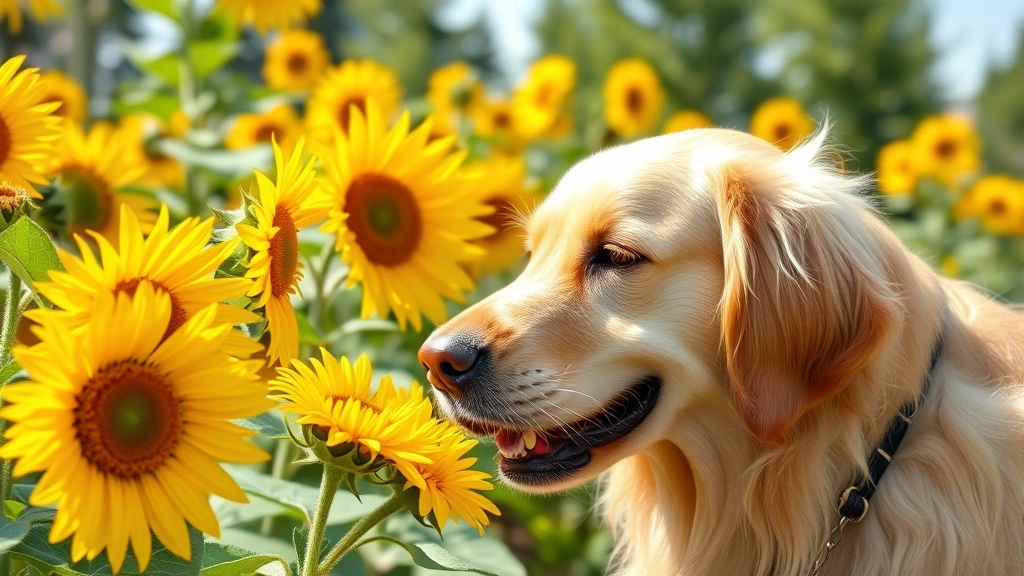
The straightforward answer is that sunflowers are not toxic to dogs according to the ASPCA Animal Poison Control Center. Dogs can safely consume sunflower petals, leaves, and even the flower heads without experiencing poisoning from the plant itself. This makes sunflowers one of the safer flowering plants to have around your home if you have a curious canine.
However, non-toxic doesn’t automatically mean risk-free. There are several factors beyond toxicity that could make sunflowers problematic for dogs. Pet owners need to consider the context in which their dogs might encounter these flowers, including how they’re grown, what pesticides might be present, and whether the dog might experience digestive upset from consuming plant material.
Veterinarians generally classify sunflowers as safe, but they recommend monitoring your dog and taking preventative measures to minimize potential problems. The key is understanding the specific risks associated with different parts of the plant and how your individual dog might react.
Different Parts of the Sunflower Plant
Understanding each component of the sunflower plant helps you assess which parts pose the greatest risks to your dog:
- Petals: The colorful outer petals are completely safe for dogs to eat. Many dogs find them mildly interesting due to their texture, though most won’t seek them out intentionally.
- Leaves and Stems: These parts are also non-toxic, but they can cause mild gastrointestinal upset in some dogs, particularly if consumed in large quantities. The fibrous nature might lead to digestive discomfort.
- Seeds: Sunflower seeds are safe but require careful consideration regarding portion size and preparation.
- Seed Heads: The large central disk containing developing seeds is safe but can pose choking hazards for enthusiastic dogs.
Most cases of dogs experiencing issues after sunflower exposure relate to overconsumption of plant material causing mild digestive upset rather than actual toxicity. This is similar to how dogs might react to other safe vegetables like broccoli when eaten excessively.
Sunflower Seeds and Safety Concerns
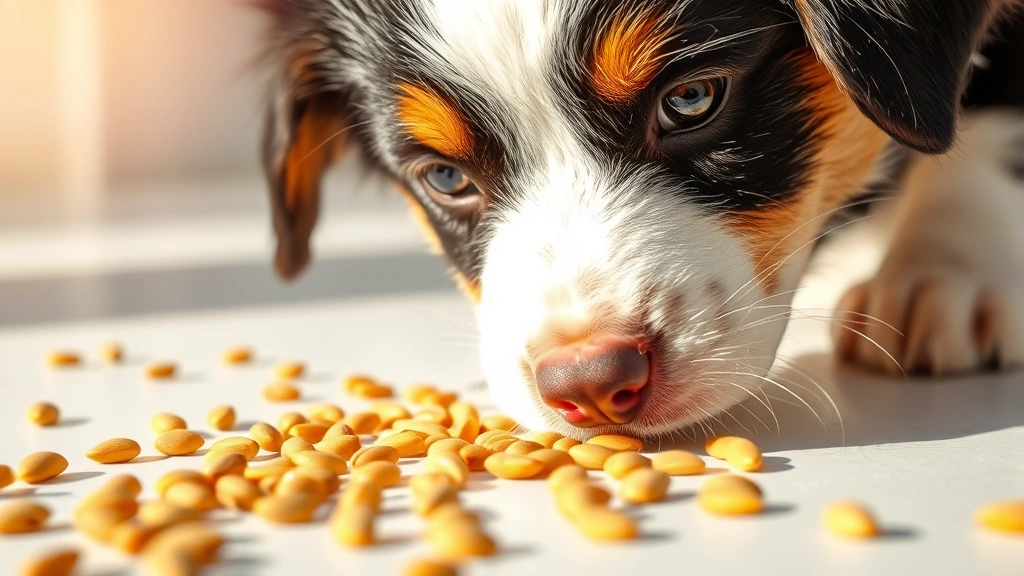
Sunflower seeds deserve special attention because they’re commonly consumed by both humans and dogs. Plain, unsalted sunflower seeds are safe for dogs in moderation. In fact, sunflower seeds can offer some nutritional benefits, including:
- Vitamin E and selenium for skin and coat health
- Healthy fats that support cognitive function
- Fiber that aids digestion
- Magnesium for bone health
However, several precautions apply:
- Portion Control: Seeds are high in fat and calories. A small handful occasionally is appropriate; regular large portions can lead to weight gain and pancreatitis.
- Shell Removal: Shells can cause intestinal blockages, particularly in small dogs. Always remove shells before offering seeds to your pet.
- Salt Content: Many commercially available sunflower seeds are salted, which isn’t appropriate for dogs. Choose unsalted varieties only.
- Raw vs. Roasted: Both raw and lightly roasted seeds are acceptable, but heavily roasted or flavored seeds should be avoided.
If your dog accidentally consumes a few seeds with shells, don’t panic. Most dogs’ digestive systems can handle this without problems. However, if you notice signs of intestinal blockage, contact your veterinarian immediately.
Pesticides and Chemical Risks
The most significant danger associated with sunflowers for dogs typically isn’t the plant itself but rather chemicals used to protect it. Pesticides, fungicides, and herbicides pose far greater risks than the sunflower’s natural compounds. Many commercial sunflower crops are treated with these substances to prevent pest damage and disease.
If you’re growing sunflowers specifically with dogs in your household, consider these practices:
- Organic Growing Methods: Use organic pest management techniques that avoid synthetic chemicals. This creates a safer environment for your entire family, including pets.
- Natural Alternatives: Implement companion planting, encourage beneficial insects, and use neem oil or other pet-safe options.
- Timing: Apply any necessary treatments when your dog cannot access the area, and allow adequate time for products to dry or dissipate.
- Labeling: If you must use commercial products, carefully read labels for pet safety information and follow all instructions.
Store-bought cut sunflowers may also have been treated with floral preservatives and chemicals. While these typically aren’t extremely toxic, they’re not meant for consumption. Keep cut flowers in vases your dog cannot access or knock over.
Signs Your Dog Has Eaten Sunflowers
Most dogs who consume sunflower plant material experience no adverse effects. However, watch for these signs that might indicate a problem:
- Mild vomiting or retching
- Diarrhea or loose stools
- Loss of appetite
- Abdominal discomfort or bloating
- Lethargy or unusual behavior
- Signs of choking or gagging
- Straining to defecate
- Signs of intestinal blockage (persistent vomiting, inability to eat, abdominal pain)
Mild digestive upset typically resolves within 24 hours without intervention. However, if symptoms persist, worsen, or your dog shows signs of distress, contact your veterinarian. This is particularly important if you suspect your dog consumed pesticide-treated flowers or large quantities of seeds with shells.
The American Kennel Club recommends calling your vet if you’re unsure whether your dog needs medical attention. It’s always better to err on the side of caution with your pet’s health.
Safe Practices for Dog Owners
Creating a dog-safe garden environment requires thoughtful planning and ongoing management. Here are evidence-based practices veterinarians recommend:
Garden Design and Placement
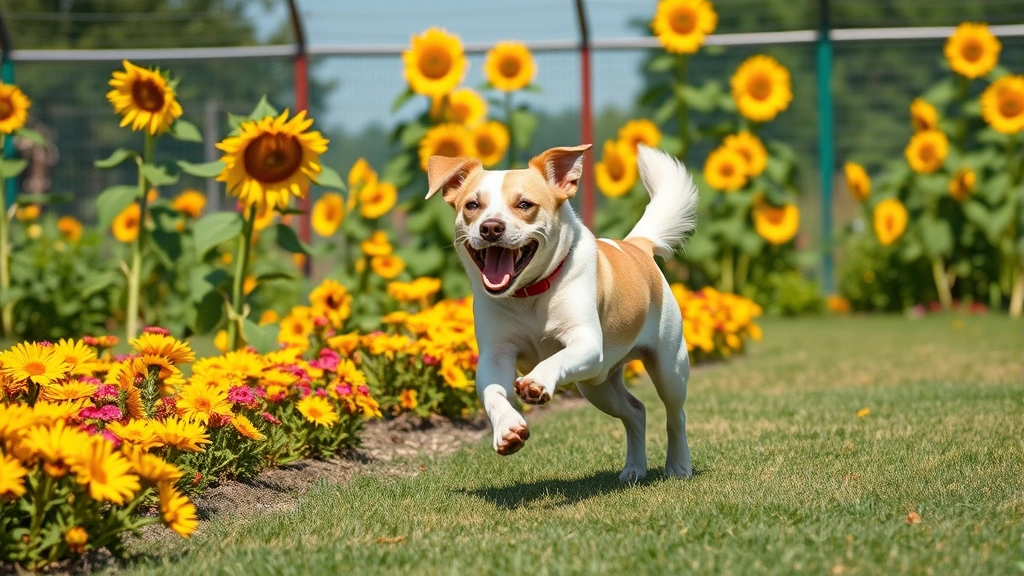
Position sunflowers where your dog cannot easily access them. Use fencing, raised beds, or designated garden areas that are off-limits to your pet. This simple barrier prevents most accidental consumption and reduces temptation. Consider your dog’s size, jumping ability, and climbing skills when planning placement.
Supervision and Training
Teach your dog to avoid eating plants through consistent training and positive reinforcement. Supervise outdoor time, especially during the initial growing season when your dog might be curious about new plants. Redirect their attention to appropriate toys and activities when they show interest in garden plants.
Regular Monitoring
Inspect your sunflowers regularly for signs of disease, pest damage, or excessive wilting. Remove any dead or decomposing plant material, which can harbor bacteria or mold that might upset your dog’s stomach. Keep your garden clean and well-maintained.
Complementary Safe Options
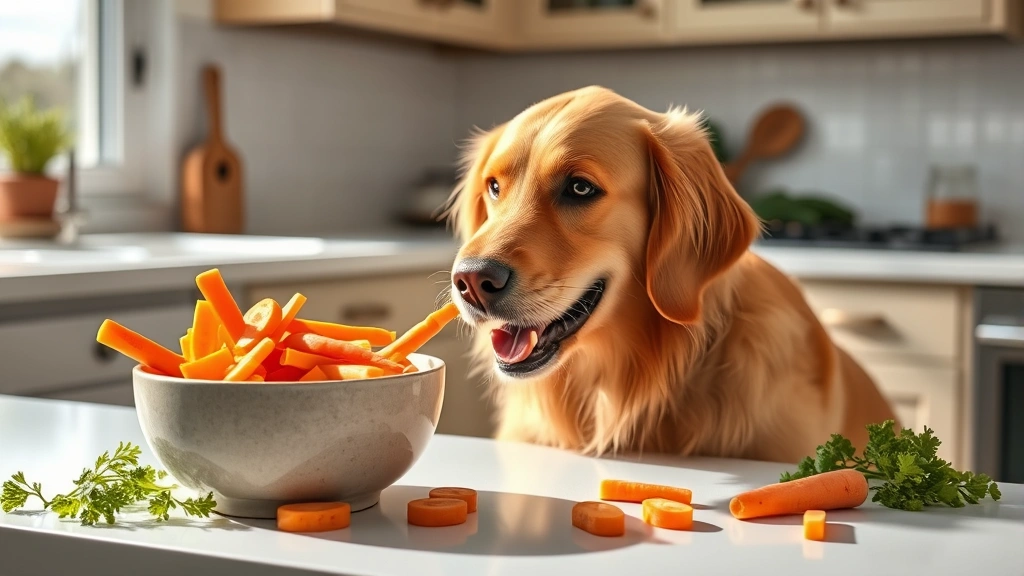
Consider growing other safe vegetables alongside your sunflowers. Dogs can safely enjoy carrots, corn, cauliflower, and zucchini as healthy treats. Creating a dog-friendly garden zone gives your pet safe options to explore.
Veterinary Consultation
Before introducing any new plants to your garden, consult with your veterinarian about their safety for your specific dog. Different dogs have different sensitivities, and your vet understands your pet’s individual health status and dietary needs.
Dog-Safe Garden Alternatives
If you’re concerned about sunflowers but want to maintain a beautiful garden, numerous pet-safe flowering plants offer similar visual appeal. These alternatives provide color and interest without the associated risks:
- Roses: Non-toxic to dogs and available in countless varieties and colors. Thorns can be a concern, so choose thornless varieties when possible.
- Sunflower Alternatives: Marigolds and zinnias provide similar bright colors with complete safety for dogs.
- Dog-Friendly Herbs: Grow basil, parsley, and dill that dogs can safely nibble.
- Native Wildflowers: Many native species are both beautiful and safe for pets. Check your local native plant society for recommendations.
- Ornamental Grasses: Add texture and movement to your garden safely with various grass species.
You can maintain your sunflowers while also creating designated areas with dog-safe plants. This balanced approach lets you enjoy gardening while prioritizing your pet’s safety.
FAQ
Can dogs eat sunflower oil?
Yes, plain sunflower oil is safe for dogs in small amounts. However, excessive oil can cause digestive upset and contribute to weight gain. Some commercial dog foods include sunflower oil as a healthy fat source. Always use food-grade oil and avoid flavored or seasoned varieties.
What should I do if my dog eats sunflower seeds with shells?
Monitor your dog for signs of intestinal blockage over the next few days. Most dogs pass seeds without problems. Contact your vet if you notice persistent vomiting, inability to defecate, abdominal pain, or lethargy. For small dogs or puppies, veterinary evaluation might be warranted sooner.
Are sunflower sprouts safe for dogs?
Yes, sunflower sprouts are safe and can be nutritious additions to your dog’s diet. They’re easier to digest than mature plants and contain concentrated nutrients. Introduce them gradually to avoid digestive upset, and ensure they’re grown without pesticides or chemical treatments.
Can dogs have sunflower butter?
Plain sunflower seed butter without added salt, sugar, or xylitol is safe for dogs in small amounts. However, it’s high in fat and calories. Many dogs enjoy it as an occasional treat. Always check labels to ensure no xylitol is present, as this artificial sweetener is toxic to dogs. The ASPCA maintains a comprehensive list of toxic substances for reference.
How can I tell if my sunflowers were treated with pesticides?
If you grew the sunflowers yourself, you know what treatments were used. For purchased flowers, ask the florist or grower about their growing practices. Most commercially grown ornamental flowers receive chemical treatments. When in doubt, assume they’ve been treated and keep them away from your dog.
Are there any dog breeds more susceptible to sunflower-related issues?
Small breeds and dogs with sensitive digestive systems may experience more noticeable effects from consuming plant material. Puppies and senior dogs might also be more vulnerable to blockages from seeds with shells. However, any dog can potentially experience problems depending on the quantity consumed and individual sensitivity.
Can sunflowers cause allergies in dogs?
While rare, some dogs might develop allergic reactions to sunflowers, particularly if they have known plant allergies. Signs would include itching, hives, facial swelling, or respiratory difficulty. If your dog shows these signs after sunflower exposure, seek veterinary care immediately and mention the potential allergen.
Is it safe to let my dog play with sunflower decorations?
Dried sunflower arrangements used for decoration may contain dyes, preservatives, or other chemical treatments. Additionally, they can splinter or cause choking hazards. It’s best to keep decorative sunflower items away from your dog’s reach. Stick with fresh, untreated sunflowers if you want your dog to interact with them, and always supervise.
Sunflowers can coexist safely with dogs when you take appropriate precautions and understand the specific risks involved. While the flowers themselves aren’t toxic, responsible pet ownership means considering your dog’s individual behavior, health status, and your garden’s growing practices. By following veterinary guidance and implementing safe practices, you can enjoy the beauty of sunflowers while keeping your beloved companion healthy and happy.
For more information about pet safety, consult the American Veterinary Medical Association or contact your local veterinary clinic. Your vet remains your best resource for personalized advice about your dog’s diet and environment.