

Are Zinnias Toxic to Dogs? Vet Insights on Garden Safety
If you’re a dog owner with a green thumb, you’ve probably wondered whether your beloved garden plants are safe for your furry companion. Zinnias are popular flowering plants found in many gardens across North America, known for their vibrant colors and easy cultivation. But the question remains: are zinnias poisonous to dogs? The good news is that zinnias are generally considered non-toxic to dogs, making them a safer choice for pet-friendly gardens.
However, understanding the nuances of plant toxicity, recognizing potential risks, and knowing how to keep your dog safe around garden plants is crucial for responsible pet ownership. This comprehensive guide explores what veterinarians say about zinnias, potential concerns, and practical strategies for maintaining a dog-safe garden environment.
Are Zinnias Safe for Dogs?
According to the ASPCA Animal Poison Control Center, zinnias are not listed among toxic plants for dogs. This means that if your dog accidentally nibbles on zinnia petals or leaves, you generally don’t need to panic. Zinnias are considered non-toxic and safe for dogs to be around, even if they consume small amounts.
Veterinarians consistently report that zinnias pose minimal risk to canine health. The plant contains no known toxic compounds that would cause serious harm to dogs. This makes zinnias an excellent choice for dog owners who want to enjoy colorful flowers without compromising their pet’s safety. Many veterinary professionals recommend zinnias as part of a dog-friendly landscaping strategy.
That said, while zinnias themselves aren’t toxic, there are still important considerations. Dogs may experience mild gastrointestinal upset if they consume large quantities of any plant material, including zinnia flowers and leaves. The concern isn’t toxicity but rather potential digestive irritation from consuming non-food items.
Understanding Plant Toxicity in Dogs
Plant toxicity in dogs varies significantly depending on the species, the part of the plant consumed, and the amount ingested. Some plants contain alkaloids, glycosides, or other compounds that can cause serious health issues, while others are completely harmless. Understanding how plant toxicity works helps pet owners make informed decisions about their gardens.
The American Kennel Club maintains an extensive list of plants that are genuinely dangerous for dogs. These include lilies, sago palms, azaleas, oleander, and foxgloves. Zinnias do not appear on these danger lists because they lack the toxic compounds found in these hazardous plants.
When evaluating plant safety, veterinarians consider several factors: the plant’s chemical composition, the size and species of the dog, the amount consumed, and the dog’s individual sensitivity. A small dog consuming large amounts of any plant material faces greater risk than a large dog consuming minimal amounts. However, since zinnias lack toxic compounds, quantity becomes less critical for toxicity purposes.
It’s important to distinguish between true toxicity and simple digestive upset. While zinnias won’t poison your dog, eating large quantities of any plant can cause vomiting, diarrhea, or constipation due to the indigestible plant material. This is a gastrointestinal issue rather than a poisoning issue.
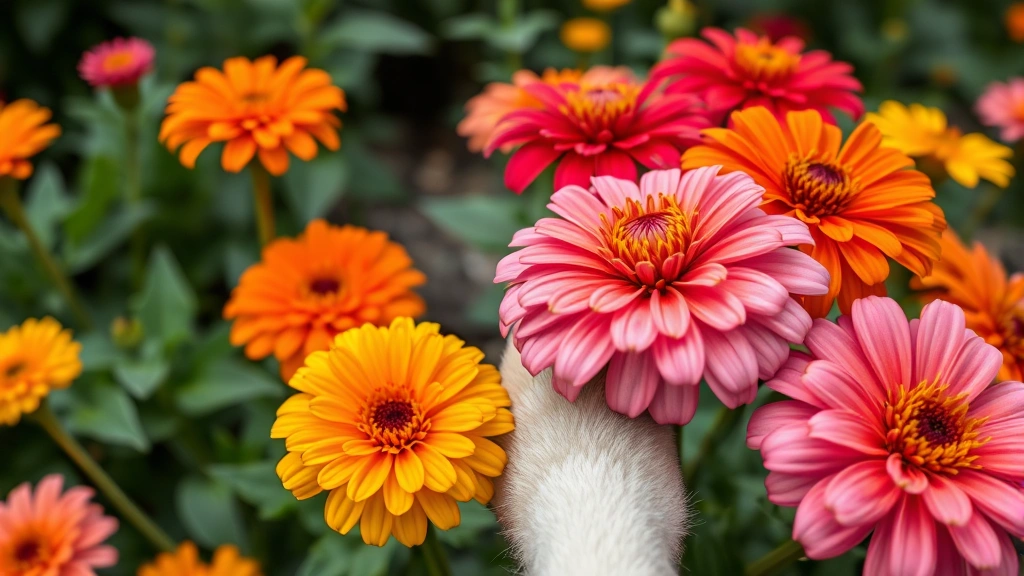
Symptoms of Plant Poisoning in Dogs
Recognizing the signs of plant poisoning is essential for dog owners. If your dog has consumed a toxic plant, symptoms typically appear within hours to days, depending on the toxin and amount consumed. Knowing what to look for can help you seek veterinary care quickly if needed.
Common symptoms of plant poisoning in dogs include:
- Gastrointestinal symptoms: Vomiting, diarrhea, drooling, abdominal pain, and loss of appetite
- Neurological symptoms: Trembling, seizures, lethargy, or unusual behavior
- Cardiovascular symptoms: Irregular heartbeat, weakness, or collapse
- Dermatological symptoms: Skin irritation, burning sensation in the mouth, or swelling of lips and tongue
- Respiratory symptoms: Difficulty breathing or coughing
Since zinnias are non-toxic, if your dog consumes them, you’re unlikely to see these serious symptoms. However, if your dog eats a large quantity of zinnia flowers or leaves, mild gastrointestinal upset is possible. This might include slight vomiting or loose stools, which typically resolve without treatment.
If your dog shows any concerning symptoms after plant consumption, contact your veterinarian or the ASPCA Poison Control hotline immediately. Even if the plant isn’t toxic, professional guidance ensures your dog receives appropriate care.
Other Common Garden Plants to Avoid
While zinnias are safe, many common garden plants are genuinely toxic to dogs. If you’re creating a pet-friendly garden, knowing which plants to avoid is just as important as knowing which are safe. Here are plants that pose real dangers:
Highly Toxic Plants:
- Lilies: Extremely toxic to dogs, especially certain varieties like Easter lilies and tiger lilies. Can cause kidney failure even in small amounts.
- Azaleas and Rhododendrons: Contain grayanotoxins that cause severe gastrointestinal and cardiac problems
- Oleander: Highly toxic plant containing cardiac glycosides; all parts are dangerous
- Sago Palm: One of the most toxic plants for dogs; can cause liver failure
- Foxgloves: Contain cardiac glycosides similar to oleander
- Daffodils and Narcissus: Contain lycorine and other alkaloids; bulbs are especially dangerous
Moderately Toxic Plants:
- Tulips: Toxic bulbs and leaves; can cause gastrointestinal upset and cardiac arrhythmias
- Yews: All parts extremely toxic; can cause sudden death
- Chrysanthemums: Contain pyrethrins that cause digestive upset
- English Ivy: Can cause gastrointestinal upset and dermatitis
When planning your garden, consult the ASPCA’s comprehensive plant database to verify safety before planting. This simple step prevents potentially life-threatening situations.
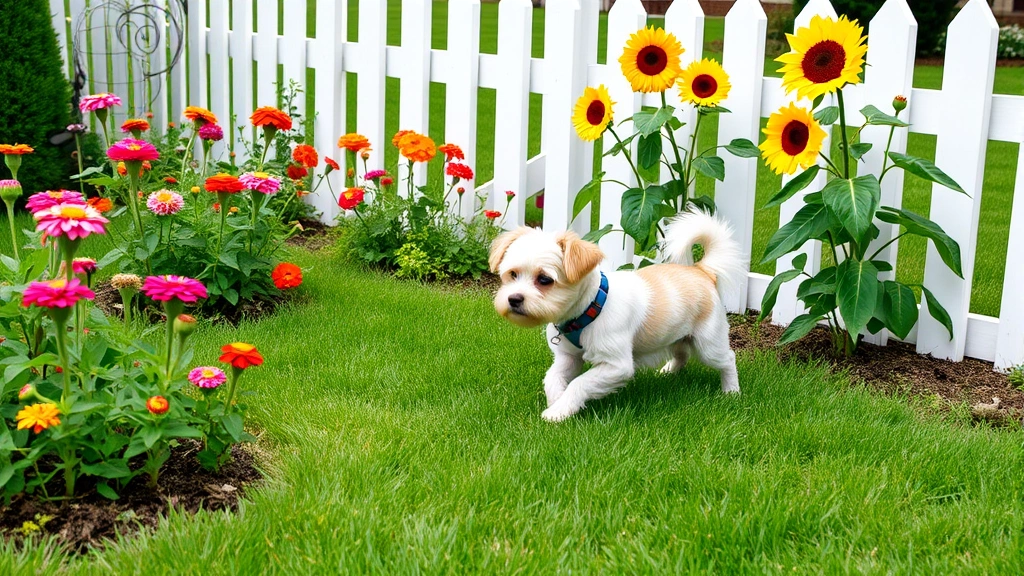
Creating a Dog-Safe Garden
Beyond avoiding toxic plants, creating a genuinely dog-safe garden involves multiple strategies. A well-planned pet-friendly landscape protects your dog while allowing you to enjoy gardening and landscaping.
Dog-Safe Flowering Plants:
Many beautiful flowers are completely safe for dogs. Consider incorporating these into your garden design:
- Zinnias (various colors and heights)
- Sunflowers
- Marigolds
- Petunias
- Roses (pesticide-free)
- Snapdragons
- Dahlias
- Impatiens
Dog-Safe Vegetables and Herbs:
Growing dog-safe vegetables and herbs creates opportunities for healthy treats. Can dogs eat broccoli is a common question, and the answer is yes—it’s safe in moderation. Similarly, can dogs eat corn safely, making it another garden option. Are carrots good for dogs? Absolutely—they’re nutritious and help with dental health. You might also explore whether can dogs eat rice as a garden companion crop.
Garden Layout Strategies:
- Designated dog areas: Create specific zones where your dog can safely roam without accessing toxic plants
- Physical barriers: Use fencing or raised beds to protect vulnerable plants and keep dogs away from hazardous areas
- Mulch selection: Avoid cocoa mulch (toxic to dogs) and use dog-safe alternatives like cedar or pine
- Pesticide management: Eliminate or minimize pesticide use; dogs can absorb toxins through skin contact or ingestion
- Plant placement: Position toxic plants in areas your dog cannot access
- Ground cover options: Use dog-safe grasses and clover instead of ornamental plants in high-traffic areas
Additional Safety Considerations:
Beyond plants, consider other garden hazards. Fertilizers, herbicides, and insecticides can be toxic to dogs. Choose organic, pet-safe alternatives whenever possible. Store garden chemicals securely away from pet access. Remove any mushrooms or fungi that grow naturally in your yard, as many varieties are toxic to dogs. Ensure your dog has access to fresh water and shaded areas during outdoor time.
What to Do If Your Dog Ingests Zinnias
If you catch your dog eating zinnias or suspect they’ve consumed a significant quantity, here’s what you should do:
Immediate Steps:
- Remain calm: Zinnias are non-toxic, so there’s no poisoning risk. Your dog is likely fine.
- Remove remaining plant material: Take away any zinnias your dog can still access
- Monitor your dog: Watch for signs of gastrointestinal upset over the next 24-48 hours
- Document what happened: Note the amount consumed and time of ingestion
When to Contact a Veterinarian:
Contact your vet if your dog shows any of these symptoms:
- Persistent vomiting or diarrhea lasting more than a few hours
- Signs of abdominal pain (restlessness, hunched posture, whining)
- Loss of appetite lasting more than 24 hours
- Lethargy or unusual behavior
- Difficulty defecating or constipation
For any concerns about plant ingestion, you can also contact the ASPCA Animal Poison Control Center at (888) 426-4435. They provide 24/7 guidance for potential poisoning situations and can advise whether your specific situation warrants veterinary care.
Treatment Approach:
If your dog experiences mild digestive upset from consuming zinnias, treatment is typically supportive. Your veterinarian might recommend fasting for a few hours followed by bland food, increased water intake, or probiotics to support digestive health. In most cases, dogs recover completely without intervention.
FAQ
Are all parts of the zinnia plant safe for dogs?
Yes, all parts of the zinnia plant—flowers, leaves, stems, and roots—are non-toxic to dogs. However, consuming large quantities of any plant material can cause mild gastrointestinal upset.
Can zinnias cause allergic reactions in dogs?
Allergic reactions to zinnias are extremely rare. Dogs are far more likely to experience mild digestive upset from consuming plant material than true allergic reactions. If your dog shows signs of allergic reaction (itching, swelling, difficulty breathing), contact your vet immediately.
Is it okay for my dog to eat zinnia flowers?
While zinnias are non-toxic, it’s still not ideal for dogs to eat them regularly. Flowers are not nutritionally complete for dogs, and consuming large quantities can cause digestive issues. Encourage your dog to enjoy the garden without eating the plants.
What should I do if my dog has a sensitive stomach and eats zinnias?
Dogs with sensitive stomachs may experience more pronounced gastrointestinal upset from consuming any plant material, including non-toxic zinnias. If your dog has known digestive sensitivities, try to prevent access to garden plants and offer appropriate dog treats instead.
Are zinnia seeds toxic to dogs?
Zinnia seeds are not toxic to dogs. However, they pose a choking hazard and offer no nutritional benefit, so it’s best to keep dogs away from seed heads.
Can I use zinnias in dog-safe flower arrangements?
Yes, zinnias are excellent choices for dog-safe floral arrangements. However, ensure any other flowers in the arrangement are also non-toxic to dogs. Keep arrangements in locations where your dog cannot knock them over or consume the water, which may contain harmful bacteria or flower preservatives.
How do I prevent my dog from eating garden plants?
Use physical barriers like fencing, provide supervised outdoor time, teach the “leave it” command, offer appropriate dog toys and treats, and ensure your dog gets sufficient exercise and mental stimulation to reduce destructive behavior.
What’s the difference between zinnia toxicity and digestive upset?
Toxicity refers to harmful chemical compounds in a plant that cause poisoning. Digestive upset refers to gastrointestinal discomfort from consuming indigestible plant material. Zinnias cause neither true toxicity nor significant digestive upset in normal quantities.





