
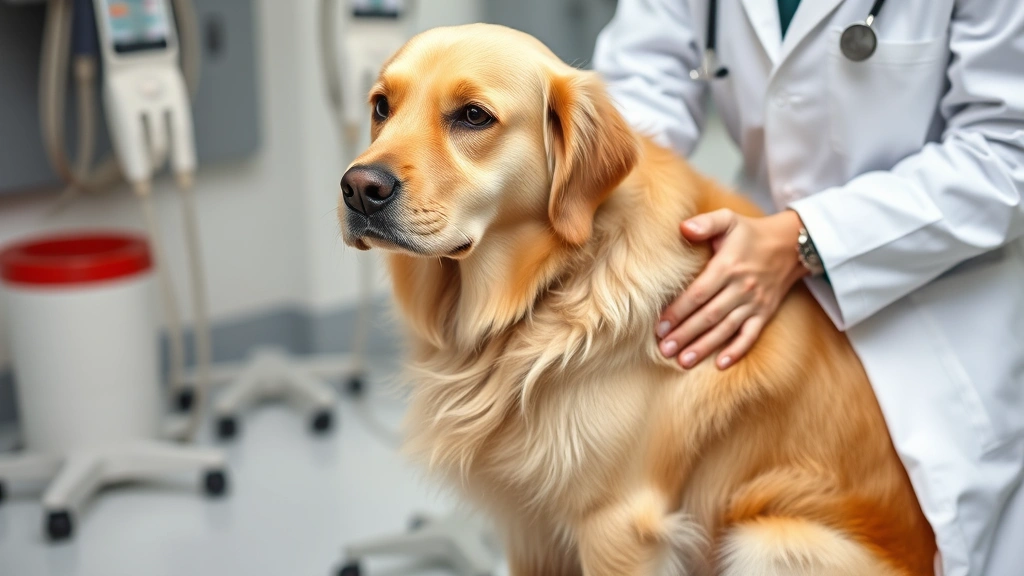
Spaying Dogs in Heat: Vet Advice & Considerations
One of the most common questions veterinarians receive from dog owners is whether their female dog can be spayed while in heat. The short answer is yes, but it comes with important considerations that every responsible pet owner should understand. Spaying during estrus (heat) is more complex than routine spaying procedures, and your veterinarian’s expertise becomes crucial in making the right decision for your dog’s health and safety.
Understanding the timing of spaying, the risks involved, and the medical facts can help you make an informed decision about your dog’s reproductive health. This comprehensive guide explores everything you need to know about spaying dogs in heat, from the biological processes involved to the practical advice veterinarians recommend.
Understanding the Estrous Cycle
The canine estrous cycle, commonly called being “in heat,” is a complex biological process that typically occurs twice per year in most dog breeds. This cycle consists of four distinct phases: proestrus, estrus, diestrus, and anestrus. Understanding these phases is essential when considering spaying during heat.
During proestrus, which lasts approximately 9 days, a female dog’s body prepares for breeding. Her vulva swells, and she begins producing pheromones that attract males. However, she won’t accept mating yet. The estrus phase follows, lasting 5-14 days, during which the dog is fertile and receptive to males. This is the period when most owners notice obvious signs of heat.
The hormonal changes during these phases cause significant physiological alterations in your dog’s body. Blood vessels dilate, hormone levels surge, and the reproductive tract undergoes substantial changes. These alterations directly impact surgical considerations and recovery protocols for spaying procedures.
Can Dogs Be Spayed in Heat?
Yes, dogs can technically be spayed while in heat, but most veterinarians recommend against it unless there are compelling medical reasons. The procedure is possible, but the circumstances surrounding it make it more challenging and potentially riskier than a routine spay operation.
When a dog is in heat, her reproductive tract is engorged with blood, and her uterine and ovarian blood vessels are significantly enlarged. This physiological state creates several surgical challenges that experienced veterinarians must navigate carefully. The increased blood flow means there’s a higher risk of hemorrhage during the procedure, requiring extra caution and technical skill.
Many veterinary clinics will schedule routine spays during the anestrus phase—the resting period between heat cycles—because it’s safer and simpler. However, emergency situations or specific medical circumstances may necessitate spaying a dog while she’s actively in heat. Your veterinarian will assess your individual dog’s situation to determine the best course of action.
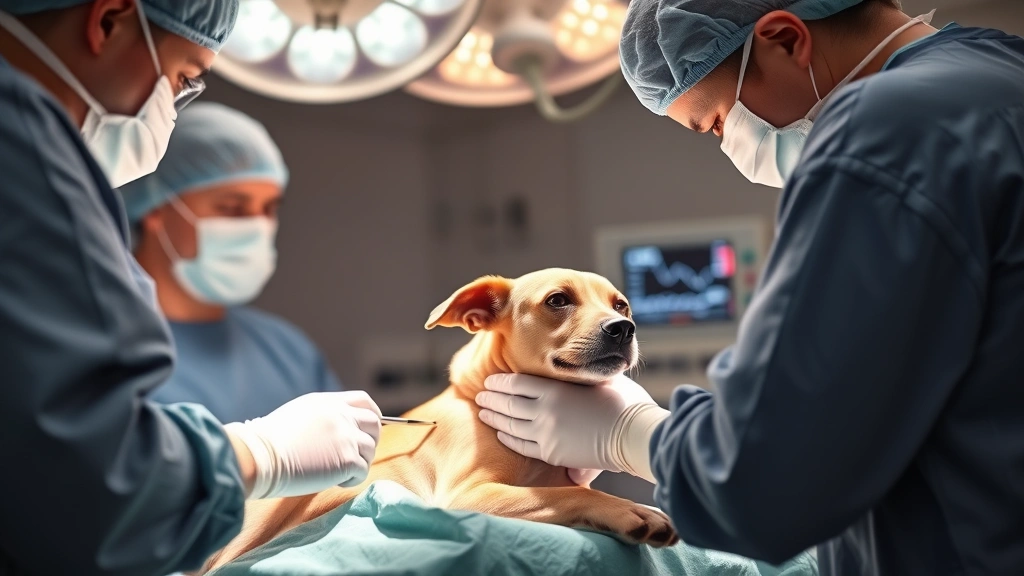
Risks and Benefits of Spaying During Heat
Increased Surgical Risks
The primary concern with spaying during heat involves the enlarged blood vessels surrounding the reproductive organs. This vascularization increases the risk of hemorrhage, requiring your veterinarian to use meticulous surgical technique and potentially take longer to complete the procedure. The increased bleeding risk means your dog may require blood transfusions in rare cases, and post-operative monitoring becomes even more critical.
Additionally, the hormone-rich environment during heat can affect anesthesia requirements and recovery times. Some dogs may need adjusted anesthetic protocols, and their recovery might be slightly prolonged compared to spays performed during non-heat cycles.
Benefits and Advantages
Despite the increased risks, there are legitimate reasons to proceed with spaying during heat in certain situations. If your dog has escaped and become pregnant, or if she has a serious medical condition requiring immediate spaying, the benefits may outweigh the risks. Spaying immediately during heat prevents pregnancy and eliminates the health risks associated with carrying a litter.
Additionally, spaying a dog in heat eliminates her ability to breed, which prevents unwanted litters and the behavioral changes associated with the estrous cycle. For owners struggling with managing a dog in heat, immediate spaying might be the most practical solution, provided their veterinarian agrees it’s appropriate.
What Veterinarians Recommend
The American Animal Hospital Association and most veterinary professionals recommend waiting until a dog has completed her heat cycle before performing routine spaying procedures. This typically means waiting 4-6 weeks after the end of estrus to allow hormone levels to normalize and blood vessel engorgement to decrease.
Your veterinarian will likely discuss several options with you. The safest approach involves scheduling your dog’s spay surgery during her anestrus phase, when her reproductive tract is in its normal, non-vascularized state. This timing reduces surgical complications and typically results in faster recovery.
However, if your dog is currently in heat and you have concerns about her health or behavior, don’t hesitate to contact your veterinarian. They can evaluate whether immediate spaying is necessary or if waiting is the safer option. Some situations—such as a dog with pyometra (a serious uterine infection) or an unplanned pregnancy—may require immediate surgical intervention.
The ASPCA emphasizes the importance of consulting with your veterinarian to determine the optimal timing for your specific dog’s spay procedure based on her age, health status, and breed.
Timing and Scheduling Considerations
If your dog isn’t currently in heat, planning ahead can help ensure she receives her spay surgery during the safest time. Most veterinarians recommend spaying dogs between 6-12 months of age, ideally during the anestrus phase. If you know your dog’s heat cycle schedule, you can work with your veterinary clinic to book the procedure during the appropriate window.
Keeping detailed records of your dog’s heat cycles helps you predict when the next cycle will occur. Most dogs follow a predictable pattern, cycling roughly every 6-8 months. By tracking these dates, you and your veterinarian can plan the surgery when conditions are optimal.
If you’re uncertain about your dog’s cycle timing or if your veterinarian recommends immediate spaying for medical reasons, trust their professional judgment. They have the expertise to assess your individual dog’s situation and determine whether proceeding during heat is justified or if waiting is preferable.
For dogs with irregular cycles or those who are difficult to schedule, some veterinarians may recommend spaying during heat if the risks are deemed acceptable for that particular patient. Your veterinarian will explain their reasoning and help you understand the decision-making process.
Recovery and Aftercare While in Heat
If your dog is spayed while in heat, her recovery period requires extra attention and careful management. Post-operative care becomes more critical because her body is already in a heightened hormonal state, which can affect healing.
Immediate Post-Operative Care
Following surgery, your dog will need strict rest and activity restriction for 10-14 days. This is even more important if she was spayed during heat, as excessive activity could compromise the surgical site or cause bleeding complications. Keep her confined to a small area, limit stairs, and prevent jumping or running.
Monitoring for Complications
Watch carefully for signs of complications such as excessive bleeding, swelling, redness, or discharge from the incision site. Contact your veterinarian immediately if you notice any concerning symptoms. Also monitor for signs of infection, including fever, lethargy, or loss of appetite.
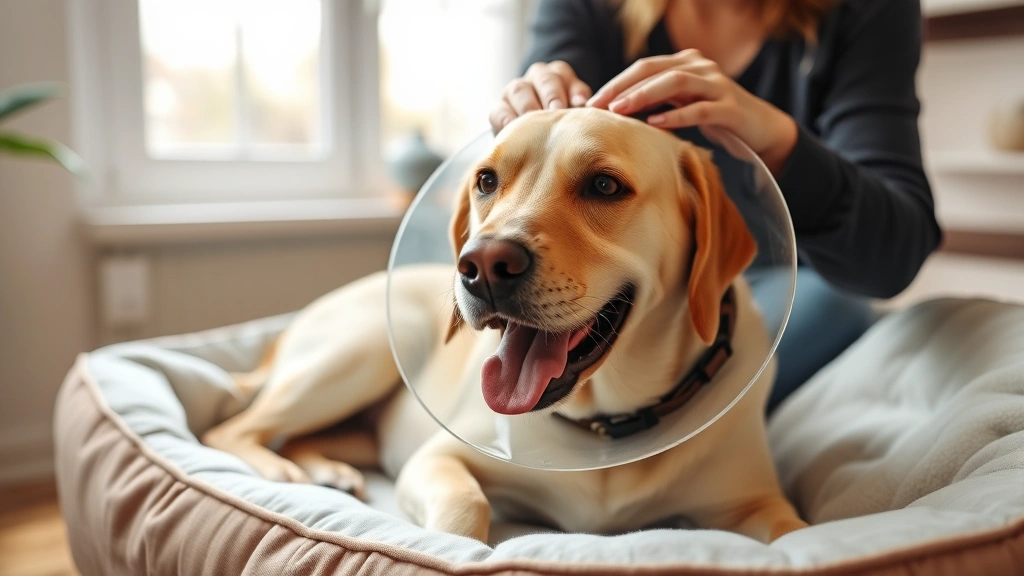
During the recovery period, maintain proper hygiene around the surgical incision. Keep the area clean and dry, and follow your veterinarian’s instructions regarding bandage changes or wound care. If your dog is spayed during heat, you may need to use protective garments to prevent her from licking the incision and to minimize contact with any remaining heat-related discharge.
Pain Management and Medications
Your veterinarian will prescribe pain medication to keep your dog comfortable during recovery. Administer these medications exactly as directed. Pain management is crucial for proper healing, and a comfortable dog is more likely to rest appropriately and avoid complications.
If your veterinarian prescribes antibiotics, complete the full course even if your dog seems better. This helps prevent post-operative infections, which are particularly important to avoid when surgery occurs during heat.
Frequently Asked Questions
Is it more expensive to spay a dog in heat?
Yes, spaying a dog during heat typically costs more than routine spaying. The increased surgical time, additional monitoring, and higher risk require more veterinary expertise and resources. Costs vary by location and clinic, but expect to pay 20-50% more for heat-cycle spaying. Ask your veterinarian for a specific quote before proceeding.
How long should I wait after heat to spay my dog?
Most veterinarians recommend waiting 4-6 weeks after your dog’s heat cycle ends before scheduling a spay surgery. This allows hormone levels to normalize and blood vessel engorgement to decrease, creating safer surgical conditions. Your veterinarian will provide specific timing recommendations based on your dog’s individual cycle.
Can I prevent my dog from going into heat?
Spaying is the only permanent way to prevent heat cycles. Temporary options like hormone injections exist but carry their own risks and side effects. Spaying during the anestrus phase remains the safest and most effective solution. Until your dog can be spayed safely, manage her by keeping her indoors, using protective garments, and preventing contact with male dogs.
What are signs my dog is in heat?
Common signs include vulvar swelling, bloody or clear discharge, behavioral changes (restlessness, increased affection), frequent urination, and attracting male dogs. Some dogs may show all these signs, while others display only subtle changes. If you’re unsure whether your dog is in heat, contact your veterinarian for evaluation.
Can my dog get pregnant if she’s spayed during heat?
No, spaying removes the ovaries and uterus, making pregnancy impossible regardless of whether the procedure occurs during heat or not. However, if your dog is already pregnant before spaying, the spay surgery will also remove the developing litter. Discuss this with your veterinarian if you suspect pregnancy.
Will spaying during heat affect my dog’s behavior?
Spaying at any time eliminates the hormonal fluctuations that drive heat-related behaviors. Whether spayed during heat or during anestrus, your dog will no longer experience behavioral changes associated with estrus, such as restlessness, increased affection, or attracting males. The timing of spaying doesn’t affect this behavioral outcome.
Should I feed my dog differently during recovery from heat-cycle spaying?
Follow your veterinarian’s post-operative feeding guidelines. Most dogs can resume normal feeding within 24 hours after surgery, though some may need a bland diet initially. Proper nutrition supports healing, so ensure your dog receives high-quality food. Consult your veterinarian about whether to adjust diet based on your dog’s recovery progress. You might also explore whether certain vegetables like broccoli are appropriate during recovery, though your vet should guide nutritional choices during this sensitive period.
What’s the difference between spaying and neutering?
Spaying refers to removing a female dog’s ovaries and uterus, while neutering refers to removing a male dog’s testicles. Both procedures are surgical sterilization methods that prevent reproduction. The risks and considerations discussed in this article apply specifically to female spaying procedures.





