
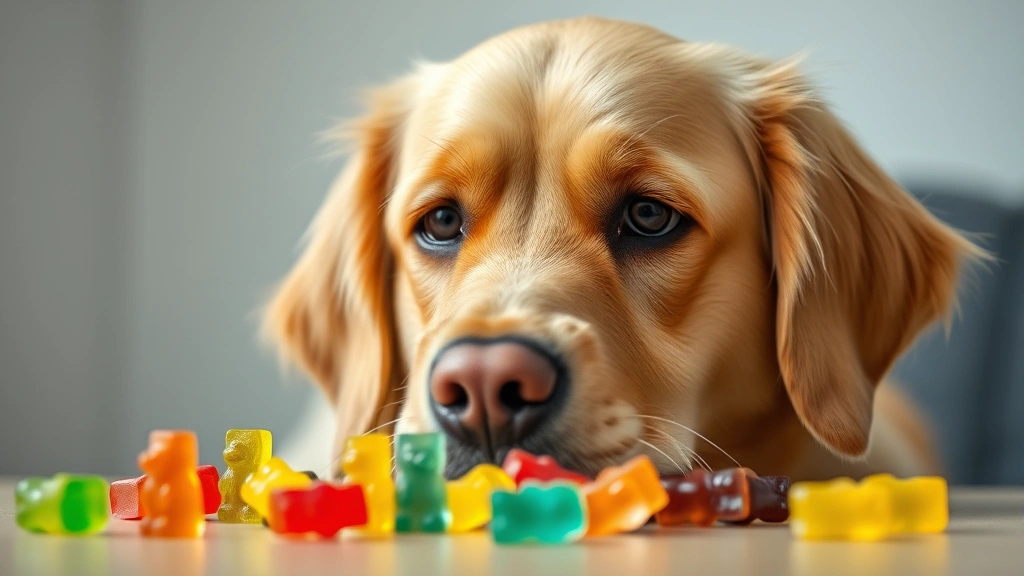
Can Dogs Eat Gummy Bears? Vet Advice on Safety and Risks
Gummy bears are a beloved candy treat for humans, but when your dog gives you those irresistible puppy eyes while you’re enjoying a handful, you might wonder: can dogs eat gummy bears? The short answer is no—gummy bears are not safe for dogs and should be kept out of reach. However, the reasons why go beyond simple sugar content, and understanding the specific dangers will help you protect your furry friend.
In this guide, we’ll explore what makes gummy bears problematic for dogs, which ingredients pose the greatest risks, and what to do if your dog accidentally consumes them. Whether you’re a new dog owner or looking to refresh your knowledge on canine nutrition, this comprehensive resource will help you make informed decisions about your pet’s diet.

Why Gummy Bears Aren’t Safe for Dogs
Gummy bears might seem like a harmless candy, but they contain multiple ingredients that are toxic or problematic for dogs. Unlike carrots, which are nutritious for dogs, gummy bears offer no nutritional benefit and pose genuine health risks. The dangers range from immediate toxicity to long-term health complications.
Dogs metabolize food differently than humans, and their digestive systems are designed for meat and whole foods, not processed sweets. When you give a dog gummy bears, you’re introducing substances their bodies simply cannot process safely. The combination of multiple problematic ingredients makes gummy bears particularly concerning compared to other human foods.
The primary dangers include artificial sweeteners (especially xylitol), excessive sugar, gelatin derived from animal products mixed with additives, food coloring, and various preservatives. Each of these components can affect your dog’s health in different ways, and the cumulative effect can be serious.
The Xylitol Danger: The Most Critical Concern
The most serious threat posed by gummy bears is xylitol, an artificial sweetener found in many sugar-free candy products. Xylitol is highly toxic to dogs according to the ASPCA, causing rapid insulin release that leads to severe hypoglycemia (dangerously low blood sugar) within 30 minutes to an hour of ingestion.
When a dog consumes xylitol, their pancreas is tricked into releasing massive amounts of insulin, thinking that blood sugar is rising. This sudden insulin surge causes blood glucose to plummet dramatically, potentially leading to:
- Seizures and tremors
- Loss of coordination and lethargy
- Vomiting and diarrhea
- Liver damage and failure
- Coma and death in severe cases
The toxic dose of xylitol for dogs is as little as 0.1 grams per kilogram of body weight. A single serving of sugar-free gummy bears could contain enough xylitol to poison a small dog. Even a 10-pound dog could be at serious risk from just a few pieces. The Association of American Feed Control Officials does not approve xylitol for pet foods, highlighting the recognized danger.
Regular (non-sugar-free) gummy bears don’t contain xylitol, but they pose other serious problems, which we’ll discuss next.
Sugar and Digestive Issues
Even sugar-containing gummy bears (the majority on store shelves) present significant problems for dogs. Gummy bears are loaded with refined sugar, which is entirely unnecessary in a dog’s diet and actively harmful to their health. High sugar consumption in dogs can lead to:
- Obesity: Sugar provides empty calories that contribute to excessive weight gain, increasing the risk of joint problems, diabetes, and heart disease
- Dental disease: Sugar promotes bacterial growth in the mouth, leading to cavities, gum disease, and tooth decay
- Pancreatitis: High-fat, high-sugar treats can trigger inflammation of the pancreas, causing severe pain and potentially life-threatening complications
- Diabetes: Repeated exposure to high sugar can impair insulin function, leading to canine diabetes
- Digestive upset: Dogs lack the enzymes to efficiently digest processed sugars, often resulting in vomiting and diarrhea
Dogs don’t have the taste receptors to crave sweets the way humans do. They eat gummy bears because they’re attracted to the smell, texture, and the fact that their beloved owner is eating them. Giving your dog gummy bears isn’t a treat in any meaningful sense—it’s purely junk food that increases health risks.
Artificial Ingredients and Additives
Beyond xylitol and sugar, gummy bears contain numerous artificial ingredients that can cause problems:
Artificial Food Coloring: Dyes like Red 40, Yellow 5, and Blue 1 are linked to hyperactivity, allergic reactions, and potential carcinogenic effects in both humans and animals. Dogs’ digestive systems aren’t equipped to safely process these synthetic chemicals.
Gelatin and Additives: While gelatin itself (derived from animal collagen) isn’t toxic, the additives mixed with it often include corn syrup, modified corn starch, and other problematic ingredients. Some gummy bears also contain citric acid, which can cause stomach upset.
Preservatives: Many gummy bears contain preservatives like potassium sorbate or sodium benzoate. While these are generally recognized as safe in small amounts for humans, they’re not intended for regular consumption by dogs and can accumulate in their systems.
Corn Syrup and Modified Starch: These fillers add to the glycemic load and provide no nutritional value. They can trigger digestive issues, particularly in dogs with sensitive stomachs. If your dog has trouble with certain foods, understanding how dogs process corn can help you avoid similar problematic ingredients.
What to Do If Your Dog Eats Gummy Bears
If you discover your dog has eaten gummy bears, your response depends on several factors: the type of gummy bears, the quantity consumed, and your dog’s size and health status.
Immediate Steps:
- Determine the type: Check the package immediately. Are they sugar-free (containing xylitol)? This is the critical question. If you can’t find the package, assume the worst and contact your vet.
- Calculate the dose: Estimate how many gummy bears your dog ate and the total weight. Remember that xylitol toxicity depends on body weight—what’s dangerous for a 5-pound Chihuahua might be different for a 60-pound Labrador.
- Contact your veterinarian immediately: Even if symptoms haven’t appeared yet, call your vet right away. Xylitol toxicity can develop rapidly, and early treatment is crucial. Have the gummy bear package or ingredient list ready.
- Contact poison control: The ASPCA Animal Poison Control Center (888-426-4435) is available 24/7 and can provide immediate guidance based on your specific situation. There is a consultation fee, but it’s worth the investment.
Watch for Symptoms:
Monitor your dog closely for the following signs, which can appear within 30 minutes to a few hours:
- Vomiting or retching
- Lethargy or unusual tiredness
- Loss of coordination or stumbling
- Seizures or tremors
- Excessive drooling
- Rapid heart rate
Veterinary Treatment:
If xylitol toxicity is confirmed or suspected, your vet may recommend:
- Inducing vomiting (if done within 30 minutes of ingestion)
- Activated charcoal administration
- IV fluid therapy and dextrose (sugar) infusion to counteract hypoglycemia
- Monitoring blood glucose levels
- Liver function tests and supportive care for potential liver damage
For sugar-only gummy bears (non-sugar-free), the primary concern is digestive upset. Your vet might recommend fasting, bland diet, or monitoring at home depending on the amount consumed.
Safe Treat Alternatives for Your Dog
Your dog deserves treats, but they should be nutritious and safe. Here are excellent alternatives to gummy bears:
Whole Food Treats:
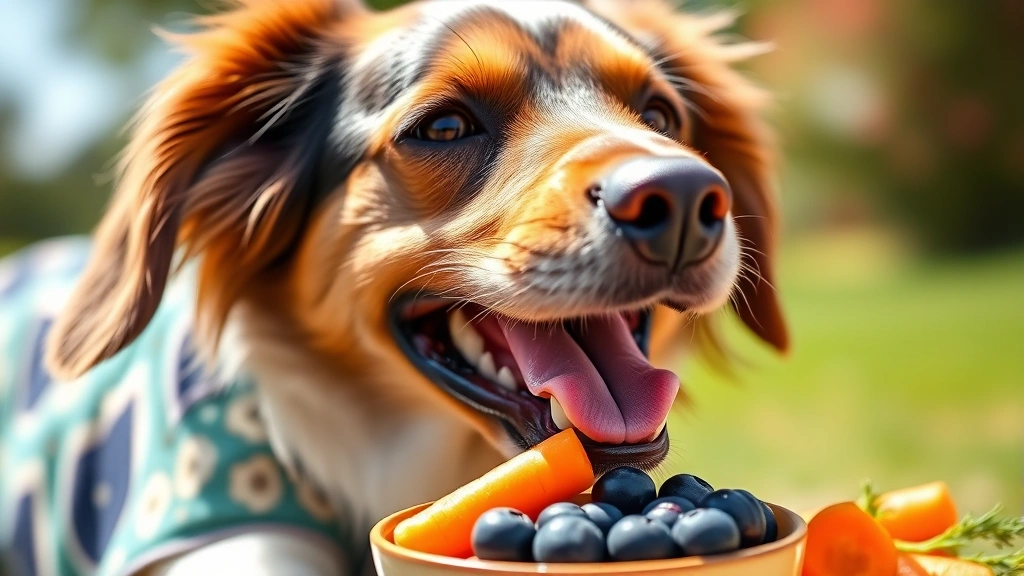
- Fruits: Blueberries, watermelon, apples (without seeds), and bananas are naturally sweet and packed with vitamins. Even vegetables like broccoli can serve as low-calorie training treats
- Vegetables: Carrots, green beans, and certain mushroom varieties are crunchy and satisfying without added sugar
- Protein-based treats: Plain cooked chicken, turkey, or beef (without seasoning or bones) provide excellent nutrition
- Peanut butter: Choose xylitol-free varieties and give in moderation due to high fat content
Commercial Dog Treats:
Look for treats with:
- Minimal ingredients you recognize
- No artificial sweeteners, especially xylitol
- Limited added sugars
- Real meat as the primary ingredient
- AAFCO certification
DIY Dog Treats:
Make your own treats using dog-safe ingredients like pumpkin puree, peanut butter (xylitol-free), oats, and eggs. This gives you complete control over ingredients and ensures safety.
Frequently Asked Questions
Can a single gummy bear hurt my dog?
A single regular gummy bear is unlikely to cause serious harm, but it depends on your dog’s size and the gummy bear’s ingredients. If it contains xylitol, even one gummy bear could be dangerous for small dogs. Regular sugar-only gummy bears might just cause mild digestive upset. However, why risk it? If your dog eats one, monitor closely and contact your vet if symptoms appear.
Are sugar-free gummy bears safer than regular ones?
No—quite the opposite. Sugar-free gummy bears are more dangerous because they typically contain xylitol, which is highly toxic to dogs. Always choose regular over sugar-free when comparing human candies (though neither should be fed to dogs).
What’s a safe amount of gummy bears for dogs?
The safe amount is zero. Dogs derive no nutritional benefit from gummy bears, and the risks always outweigh any perceived benefits. Your dog’s diet should consist of high-quality dog food and dog-appropriate treats.
How long after eating gummy bears do symptoms appear?
With xylitol-containing gummy bears, symptoms can appear within 30 minutes to an hour, though some signs may take several hours to manifest. Liver damage can develop over 24-72 hours. Don’t wait for symptoms—seek immediate veterinary care if xylitol ingestion is suspected.
Can dogs eat the gummy bear coating or just the inside?
Neither the coating nor the inside is safe for dogs. The entire gummy bear contains problematic ingredients throughout. The coating often has additional sugar and food coloring, making it equally problematic.
My dog ate gummy bears yesterday and seems fine. Should I still worry?
If xylitol was involved, absolutely. Liver damage can develop gradually, and symptoms may not be immediately obvious. Contact your vet or poison control for guidance based on the type and quantity consumed. Better safe than sorry with potential xylitol toxicity.
Are there any gummy bears that are safe for dogs?
No commercially available gummy bears are formulated for dogs or designed to be safe for them. Even “natural” or “organic” gummy bears contain high sugar and problematic additives. Stick to treats specifically formulated for canine nutrition.
What should I do to prevent my dog from eating gummy bears?
Store all candy in secure, dog-proof containers or cabinets. Be particularly vigilant during holidays and when guests visit, as they may not realize gummy bears are dangerous for dogs. Educate family members about the risks, and keep a list of toxic foods on your refrigerator. Crate your dog if necessary when eating treats, and never leave candy unattended on tables or counters.





