

Can a Dog Eat Pizza Crust? Vet Opinions Inside
Pizza night is a beloved tradition in many households, and if you have a furry friend watching from under the table with those irresistible puppy-dog eyes, you might wonder: can a dog eat pizza crust? The answer isn’t a simple yes or no. While plain pizza crust without toppings isn’t inherently toxic to dogs, it comes with several considerations that pet owners should understand before sharing.
Veterinarians generally advise caution when it comes to pizza crust for dogs. The main concerns center around ingredients like garlic, onions, excessive salt, and fat content that are commonly found in pizza recipes. Even plain crust can pose digestive challenges for some dogs, particularly those with sensitive stomachs or certain health conditions. Understanding what makes pizza crust potentially problematic and what safer alternatives exist will help you make informed decisions about your dog’s diet.
Is Pizza Crust Safe for Dogs?
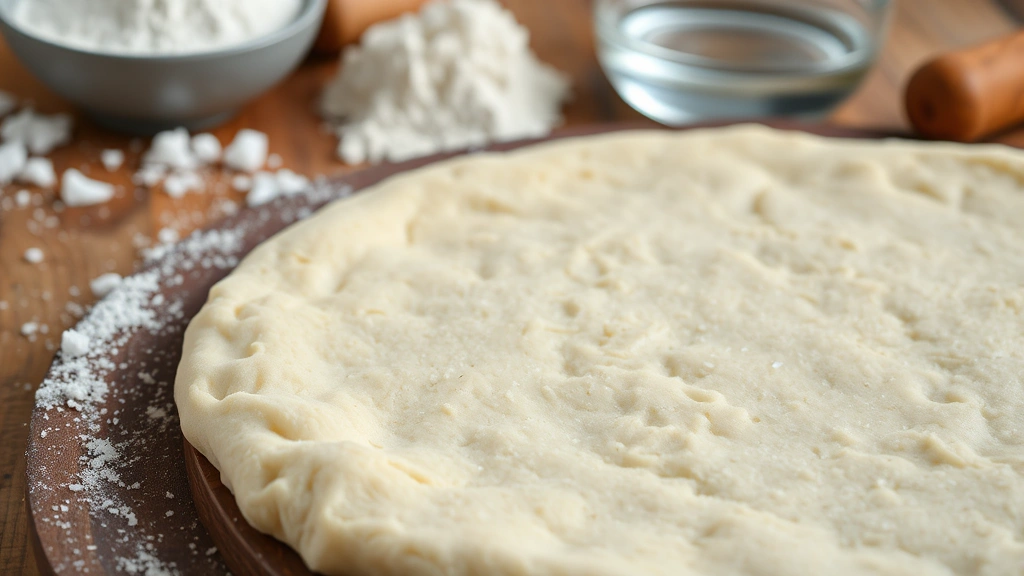
Plain pizza crust made with just flour, water, yeast, and salt is technically not toxic to dogs in small quantities. However, “safe” and “recommended” are two different things. A dog can eat plain pizza crust without immediate poisoning, but that doesn’t mean it’s a good treat option. The digestibility and nutritional value are minimal, and the risks often outweigh any benefits.
According to the American Kennel Club, while some human foods are safe for dogs, pizza crust isn’t among their recommended treats. The concern isn’t just about the crust itself but about the context in which dogs typically encounter it. Most pizza crusts contain ingredients beyond the basic four, including oils, garlic powder, herbs, and sometimes sugar.
The size and breed of your dog matter considerably. A large dog might handle a small piece of plain crust better than a small breed would. Additionally, a dog’s individual digestive sensitivity plays a crucial role. Some dogs have iron stomachs and can tolerate various foods, while others experience gastrointestinal upset from the slightest dietary deviation.
Why Veterinarians Recommend Caution
Veterinarians across the board recommend caution with pizza crust for several science-backed reasons. First, pizza crust is calorie-dense and nutritionally empty for dogs. It provides carbohydrates and little else that contributes to your dog’s health. For dogs already struggling with weight management, pizza crust adds unnecessary calories that can contribute to obesity and related health issues.
The yeast in pizza dough presents another concern. If your dog accidentally ingests unbaked dough, the yeast can continue to ferment in the stomach, causing bloating, gas, and potentially life-threatening gastric dilatation-volvulus (bloat). Even baked pizza crust retains some yeast, though it’s largely inactive after baking.
Dr. Jennifer Coates, veterinary advisor for the ASPCA, emphasizes that dogs don’t require variety in their diet the way humans do. Their nutritional needs are best met through complete and balanced commercial dog food or veterinarian-approved homemade diets. Treats should constitute no more than 10% of daily caloric intake.
High fat content in pizza crust, especially when cooked in oil or butter, can trigger pancreatitis in susceptible dogs. This inflammatory condition of the pancreas can be acute and severe, requiring emergency veterinary care. Dogs with pre-existing pancreatitis should absolutely avoid pizza crust and other fatty foods.
Toxic Ingredients in Pizza
While plain pizza crust might be marginally acceptable, most pizzas come topped with ingredients that are genuinely dangerous for dogs. Understanding which pizza components are toxic helps explain why veterinarians universally discourage sharing pizza with your pet.
Garlic and Onions: These are among the most common pizza toppings and are toxic to dogs in any form—raw, cooked, or powdered. They contain compounds called thiosulfates that damage red blood cells, leading to hemolytic anemia. Even small amounts can cause problems, and the effects are cumulative. A dog who eats garlic-laden pizza crust faces real health risks.
Xylitol: Some specialty or artisanal pizzas use xylitol as a sweetener in the dough or sauce. This artificial sweetener is extremely toxic to dogs, causing rapid insulin release and severe hypoglycemia. Even tiny amounts can be life-threatening.
Excessive Sodium: Pizza is notoriously high in sodium, which isn’t appropriate for dogs. Excessive salt intake can lead to hypernatremia and contribute to high blood pressure over time. Dogs require far less sodium than the average pizza contains.
Fat Content: Pizza, especially from restaurants, is often cooked in generous amounts of oil. This high fat content can cause acute pancreatitis or chronic digestive issues in dogs.
For perspective on other problematic foods, you might want to review whether dogs can safely eat mushrooms, as some pizza varieties include them.

Plain Crust vs. Topped Crust
There’s a meaningful difference between plain pizza crust and crust with toppings, though neither is ideal for dogs. Plain crust—made with only flour, water, yeast, and salt—poses fewer immediate risks than topped varieties. However, it’s still not recommended as a regular treat.
Plain crust concerns center on:
- Caloric density without nutritional value
- Potential for digestive upset
- Choking hazard if not properly chewed
- Possible yeast fermentation issues
Topped crust introduces additional hazards. Any pizza with garlic, onions, or excessive seasoning is dangerous. Even seemingly innocent toppings like cheese can be problematic in large quantities due to lactose content and high fat. Pepperoni and other processed meats are high in sodium and fat.
If you absolutely must give your dog pizza crust, plain crust with no toppings, no garlic powder, no salt, and ideally no oil is the only acceptable option. Even then, it should be an occasional, small piece—not a regular treat. Most veterinarians would prefer you skip it altogether.
Safe Alternatives to Pizza Crust
Rather than risk the potential problems with pizza crust, numerous safe and nutritious alternatives will satisfy your dog’s treat cravings. These alternatives provide actual health benefits and won’t jeopardize your pet’s wellbeing.
Vegetables: Many dogs enjoy vegetables as treats. Carrots are excellent for dental health and low in calories. Broccoli in moderation provides nutrients, and corn can be a fun occasional treat. These foods align with your dog’s nutritional needs far better than pizza crust.
Protein-Based Treats: Plain cooked chicken, turkey, or beef (without seasoning or fat) makes excellent treats. Dogs are carnivores and thrive on protein. These options satisfy their natural preferences while providing real nutritional value.
Commercial Dog Treats: Quality commercial treats formulated for dogs are nutritionally balanced and portion-controlled. Look for products with few ingredients and no artificial additives. Reputable brands conduct safety testing and adhere to AAFCO standards.
Pumpkin and Sweet Potato: These nutrient-dense options provide fiber and are beneficial for digestive health. Many dogs find them delicious, and they’re far superior to pizza crust nutritionally.
Frozen Treats: Frozen broth, plain yogurt, or banana pieces make refreshing treats, especially on warm days. These provide variety without health risks.
The key is choosing treats that contribute positively to your dog’s health rather than simply filling their stomach. Your veterinarian can recommend specific treats suited to your dog’s individual health status and dietary needs.
What to Do If Your Dog Ate Pizza
If your dog managed to snag a piece of pizza before you could stop them, don’t panic immediately. The response depends on what kind of pizza they consumed and how much.
If it was plain crust: Monitor your dog for the next 24-48 hours. Watch for vomiting, diarrhea, lethargy, or loss of appetite. Most dogs will pass a small piece of plain crust without incident. However, if your dog has a sensitive stomach or pre-existing digestive issues, contact your veterinarian for guidance.
If it contained garlic or onions: Contact your veterinarian or ASPCA Animal Poison Control Center immediately. Provide details about the amount consumed and the type of pizza. Garlic and onion toxicity can develop over several hours, and early intervention is crucial.
If it contained xylitol: This is an emergency. Contact your veterinarian or poison control immediately. Xylitol toxicity can cause severe hypoglycemia within 15-30 minutes.
General monitoring: Keep your dog calm and observe closely. If you notice any concerning symptoms—excessive drooling, difficulty breathing, abdominal pain, or unusual behavior—seek veterinary care immediately. It’s better to err on the side of caution with your pet’s health.
Prevention is always better than treatment. Keep pizza out of reach, educate family members about pet safety, and provide appropriate alternatives when you’re enjoying pizza night.
FAQ
Can dogs eat store-bought pizza crust?
Store-bought pizza crust often contains added preservatives, garlic powder, and oils that make it less suitable than homemade plain crust. The safest answer is no—store-bought pizza crust typically contains ingredients beyond basic flour and water that pose risks to dogs.
Is whole wheat pizza crust better for dogs than regular crust?
Whole wheat crust offers slightly more fiber and nutrients than white flour crust, but the difference is minimal for dogs. The fundamental issues with pizza crust—caloric density, potential digestive upset, and common problematic ingredients—remain the same regardless of flour type.
How much pizza crust is safe for a dog to eat?
If you must give pizza crust, the safest amount is the smallest piece possible—approximately the size of a dice. This should be an extremely rare occurrence, not a regular treat. For most dogs, zero pizza crust is the ideal amount.
Can puppies eat pizza crust?
Puppies should definitely avoid pizza crust. Their developing digestive systems are even more sensitive than adult dogs’, and they’re more prone to choking on bread products. Puppies require carefully balanced nutrition for proper growth and development, which pizza crust doesn’t provide.
What should I do if my dog ate pizza with pepperoni?
Monitor your dog closely. Pepperoni is high in fat and sodium but isn’t toxic. Watch for signs of digestive upset like vomiting or diarrhea. If symptoms develop or persist beyond 24 hours, contact your veterinarian. If the pizza also contained garlic or onions, contact poison control immediately.
Are there any health benefits to giving a dog pizza crust?
No. Pizza crust provides no unique health benefits that can’t be obtained from better sources. The carbohydrates in pizza crust aren’t necessary for dogs, and the risks outweigh any potential benefits. Your dog’s nutritional needs are best met through quality dog food and approved treats.





