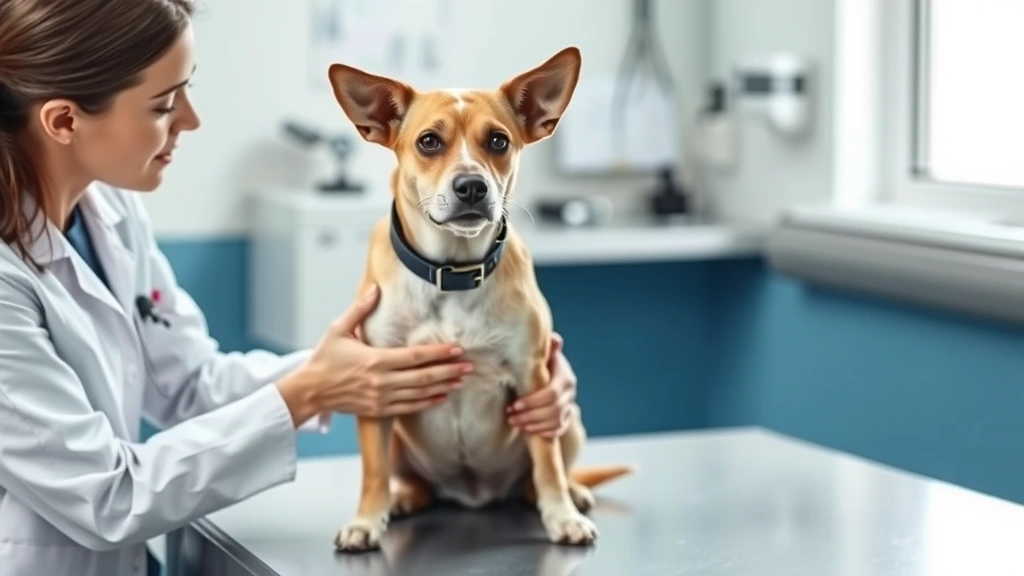
Can Dogs Be Spayed in Heat? Vet Insights and What You Need to Know
One of the most common questions veterinarians hear from dog owners is whether their female dog can be spayed while in heat. The short answer is: yes, dogs can be spayed during their estrous cycle, but it’s generally not recommended unless there are compelling medical reasons. Understanding the risks, benefits, and alternatives will help you make the best decision for your furry companion’s health and wellbeing.
Spaying—formally known as ovariohysterectomy or ovariectomy—is one of the most beneficial preventive procedures a dog owner can choose. It eliminates the risk of ovarian and uterine cancers, prevents unwanted litters, and stops the behavioral changes associated with heat cycles. However, timing matters significantly when it comes to safety and surgical outcomes. This guide explores everything you need to know about spaying a dog in heat, including what veterinarians recommend and why.
Understanding a Dog’s Heat Cycle
Before diving into whether spaying during heat is advisable, it’s essential to understand what happens during a dog’s estrous cycle. Female dogs typically enter their first heat cycle between six and twelve months of age, though this varies by breed. Larger breeds may not cycle until they’re older, while smaller breeds might cycle earlier.
The heat cycle consists of four distinct phases: proestrus, estrus, diestrus, and anestrus. During proestrus, which lasts about nine days, the vulva swells and bloody discharge appears. This is when male dogs become interested, but the female isn’t yet receptive to mating. The estrus phase follows, lasting roughly five to fourteen days, during which the female is fertile and willing to breed. Diestrus, the third phase, can last sixty to ninety days and involves hormonal changes preparing the uterus for pregnancy. Finally, anestrus is the resting phase between cycles, typically lasting several months.
Understanding these phases is crucial because they directly affect surgical considerations. The blood vessels surrounding the reproductive organs become engorged during heat, and hormone levels fluctuate dramatically. These physiological changes impact surgical risk and recovery.
Can Dogs Be Spayed During Heat?
Technically, veterinarians can perform spaying procedures on dogs in heat, and in some circumstances, they do. However, most veterinarians recommend waiting until the heat cycle is completely finished before scheduling elective spaying. The American Veterinary Medical Association and most veterinary textbooks suggest waiting at least two to three weeks after the heat cycle ends for routine spaying procedures.
The reason for this caution relates to physiology. During heat, the uterus and ovaries are significantly enlarged and have increased blood flow. The tissues are more friable—meaning they tear more easily—and there’s a higher risk of hemorrhage during surgery. Additionally, the hormonal environment during heat can affect blood clotting and wound healing.
However, it’s important to note that emergency spaying during heat is sometimes necessary. If a dog has a life-threatening condition like pyometra (uterine infection), she may need immediate surgery regardless of her cycle status. In these cases, the benefits of surgery far outweigh the increased risks.

Risks and Complications of Spaying During Heat
Understanding the specific risks associated with spaying a dog in heat helps you make an informed decision with your veterinarian. While complications are not guaranteed, they occur more frequently during heat cycles compared to surgery performed during anestrus.
Increased Bleeding Risk
The primary concern with spaying during heat is hemorrhage. The blood vessels supplying the ovaries and uterus are engorged and dilated during the estrous cycle. This means there’s more blood flow to these organs, and if a blood vessel is nicked or torn during surgery, bleeding can be more difficult to control. While experienced surgeons have techniques to manage this, it remains a legitimate concern that increases operative time and risk.
Tissue Fragility
Heat cycle hormones make reproductive tissues more delicate and prone to tearing. The uterine ligaments and blood vessels are under tension and are more likely to be damaged during manipulation. This can lead to incomplete hemostasis (stopping of bleeding) and post-operative complications.
Prolonged Recovery
Dogs spayed during heat may experience longer recovery periods compared to those spayed during anestrus. Increased inflammation and the body’s response to hormonal fluctuations can affect how quickly the surgical site heals. This extended recovery increases the window during which infection or other complications could develop.
Increased Infection Risk
The hormonal environment during heat can affect immune function and inflammatory responses. Combined with increased surgical trauma from the friable tissues, this creates a higher risk of post-operative infection. Proper antibiotic protocols become even more critical in these cases.
Ligature Slippage
Veterinarians use ligatures (sutures) to tie off blood vessels during spaying. In the engorged, friable tissues of a dog in heat, these ligatures are more likely to slip, potentially causing bleeding complications days or weeks after surgery.
It’s worth noting that many dogs are spayed during heat without complications. Modern surgical techniques, anesthesia protocols, and post-operative care have made the procedure safer than ever. However, the increased risks remain, which is why most veterinarians recommend elective procedures during anestrus.
Optimal Timing for Spaying Your Dog
Veterinary consensus strongly favors spaying during the anestrus phase—the resting period between heat cycles. This timing offers the safest surgical environment and the best outcomes for most dogs. Here’s what you should know about optimal timing:
Best Time: Anestrus Phase
Scheduling your dog’s spaying during anestrus, ideally two to three weeks after her heat cycle completely ends, provides the safest conditions. During this phase, reproductive tissues have returned to normal size, blood vessels are no longer engorged, and hormone levels are stable. The tissues are firmer and less prone to tearing, making the surgeon’s job easier and safer.
Early Spaying Considerations
Many veterinarians recommend spaying dogs before their first heat cycle, typically around six months of age. This approach eliminates the risks associated with heat cycles entirely and provides additional health benefits. Research shows that spaying before the first heat cycle significantly reduces the risk of mammary cancer later in life. However, some studies suggest waiting until skeletal maturity in large breed dogs may have orthopedic benefits, so discuss breed-specific recommendations with your veterinarian.
Age Factors
Puppies and young dogs typically recover more quickly from surgery than older dogs. If you’re considering spaying, doing it while your dog is young and healthy generally leads to easier recovery and fewer complications, regardless of heat cycle status. However, never rush into surgery; ensure your dog is healthy enough for anesthesia before proceeding.

When Emergency Spaying During Heat Is Necessary
While elective spaying during heat isn’t recommended, certain medical emergencies require immediate surgical intervention regardless of cycle status. Understanding these situations helps you recognize when waiting isn’t an option.
Pyometra
Pyometra is a life-threatening uterine infection that can develop during or after a heat cycle. Signs include lethargy, loss of appetite, excessive thirst, vaginal discharge (often with a foul smell), and abdominal distension. This condition requires emergency spaying to save your dog’s life. The infection can progress to sepsis and organ failure rapidly, making immediate surgery essential.
Uncontrolled Hemorrhage
If your dog experiences abnormal bleeding during her heat cycle that doesn’t stop or becomes excessive, emergency veterinary care is needed. In rare cases, surgery may be required to control the bleeding.
Uterine Rupture
Though uncommon, a ruptured uterus is a surgical emergency requiring immediate intervention. This can occur during heat cycles or pregnancy and causes peritonitis (abdominal infection) if not treated urgently.
Severe Behavioral Issues or Safety Concerns
In some cases, if a dog in heat poses a safety risk—such as escaping to find mates and getting hit by cars, or if an intact male in the home is becoming dangerously aggressive—emergency spaying might be considered. Discuss these situations with your veterinarian to weigh risks versus benefits.
Alternatives to Traditional Spaying
If you’re concerned about spaying your dog in heat or want to explore other options, several alternatives exist, though they have different implications for health and behavior.
Waiting for Heat to End
The simplest alternative is to simply wait. If your dog is in heat and elective spaying was planned, postponing the procedure until two to three weeks after the cycle ends is the safest choice for most dogs. During this waiting period, keep your dog indoors and away from intact males to prevent unwanted pregnancy.
Hormonal Contraceptives
Temporary hormonal birth control is available for dogs and can prevent heat cycles and pregnancy. However, these medications don’t provide the long-term health benefits of spaying and require ongoing administration. They’re typically used as temporary measures or in specific medical situations.
Ovary-Sparing Spay
Some veterinarians now offer ovary-sparing spay procedures, where the uterus is removed but the ovaries are retained. This preserves natural hormone production while eliminating the risk of uterine infections and unwanted pregnancy. However, the dog will continue to cycle, and this procedure is more controversial in veterinary medicine. Discuss the pros and cons with your veterinarian.
Hysterectomy Without Ovariectomy
Similar to ovary-sparing spay, this removes the uterus while leaving ovaries intact. It prevents pregnancy and uterine disease but preserves hormonal cycles.
Keep in mind that traditional ovariohysterectomy remains the gold standard for spaying because it provides the most comprehensive health benefits and eliminates all reproductive-related conditions.
Frequently Asked Questions
Is it dangerous to spay a dog in heat?
Spaying a dog in heat carries increased surgical risks compared to spaying during anestrus, primarily due to enlarged blood vessels and fragile tissues. However, complications aren’t guaranteed, and many dogs are successfully spayed during heat. The risks are manageable with experienced veterinarians but are still higher than with elective surgery during the resting phase.
Can a dog get pregnant if spayed while in heat?
No. Once the ovaries and uterus are removed during spaying—regardless of cycle phase—pregnancy cannot occur. The procedure is equally effective at preventing pregnancy whether performed during heat or anestrus.
How long should I wait after heat to spay my dog?
Most veterinarians recommend waiting two to three weeks after the heat cycle completely ends before scheduling elective spaying. This allows hormone levels to normalize and tissues to return to their resting state, creating optimal surgical conditions.
What if my dog gets pregnant during heat?
If your dog becomes pregnant, discuss options with your veterinarian. Spaying during pregnancy carries additional risks and is typically only performed in emergency situations. Prevention through keeping your dog indoors and away from intact males during heat is the best approach.
Does spaying during heat affect my dog’s behavior?
No. Whether spayed during heat or anestrus, spaying eliminates heat-related behavioral changes like marking, restlessness, and attraction to males. The timing of surgery doesn’t affect behavioral outcomes, only surgical safety considerations.
Can I use diet to help my dog recover from spaying?
Absolutely. Proper nutrition supports healing. During recovery, your dog needs high-quality protein and balanced nutrients. Some owners incorporate healthy vegetables into their dog’s diet—just ensure they’re safe options. For example, carrots are good for dogs and can be offered as part of a balanced diet. Similarly, dogs can eat broccoli in moderation, and dogs can eat squash as well. Always consult your vet about dietary changes during recovery.
What’s the difference between spaying and neutering?
Spaying removes the ovaries and uterus from female dogs, while neutering removes the testicles from male dogs. Both procedures prevent reproduction and provide health benefits. The risks and considerations differ slightly between the procedures.
Will my dog’s personality change after spaying?
Spaying may reduce some heat-related behaviors like roaming and marking, but it won’t change your dog’s fundamental personality. Your dog will still be the same loving companion, just without the hormonal fluctuations of heat cycles.
How much does it cost to spay a dog in heat?
Spaying during heat typically costs more than spaying during anestrus because the procedure is more complex and time-consuming due to enlarged tissues and increased bleeding risk. Costs vary by location and veterinary clinic, but expect to pay 20-50% more for surgery during heat.