
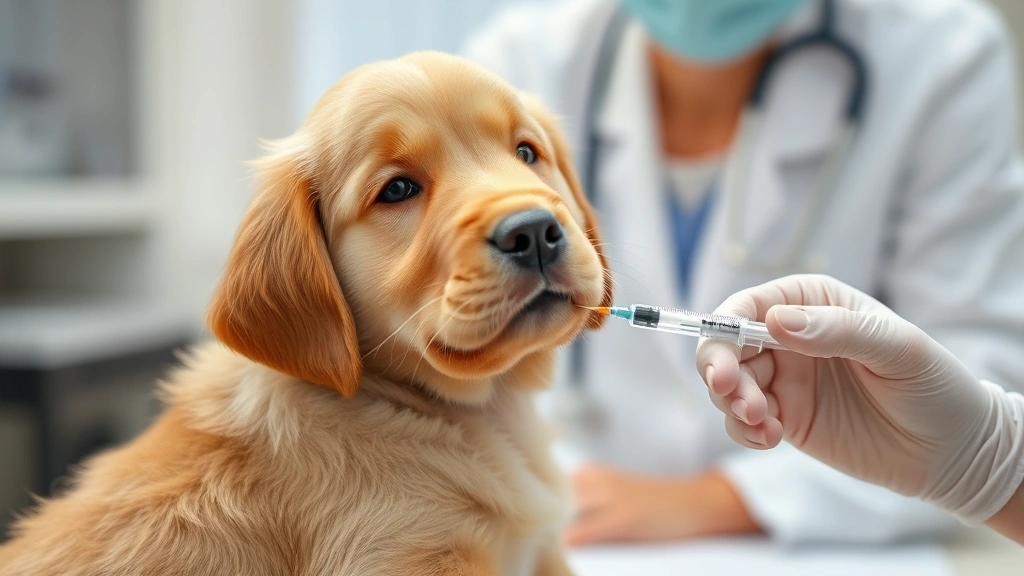
Can Vaccinated Dogs Get Parvo? Vet Insights on Parvovirus Protection
One of the most common questions veterinarians hear from concerned dog owners is: “Can my vaccinated dog still get parvovirus?” The short answer is yes, though it’s rare. While the parvovirus vaccine is highly effective, no vaccine provides 100% protection against disease. Understanding how parvo vaccination works, when breakthrough infections occur, and what steps you can take to protect your furry friend is essential for responsible pet ownership.
Parvovirus is a highly contagious viral disease that affects dogs of all ages but is particularly dangerous for puppies and unvaccinated dogs. The virus attacks the gastrointestinal tract and can cause severe, sometimes fatal illness. Fortunately, the development of effective vaccines in the 1970s dramatically reduced parvo cases worldwide. However, vaccine efficacy isn’t absolute, and certain circumstances can leave even vaccinated dogs vulnerable.
How Parvovirus Vaccines Work
The parvovirus vaccine teaches your dog’s immune system to recognize and fight the virus before actual infection occurs. Most modern parvo vaccines are modified live vaccines or inactivated vaccines, both of which stimulate antibody production against canine parvovirus types 2a, 2b, and 2c.
When administered properly, these vaccines trigger an immune response that creates memory cells. If your vaccinated dog encounters the actual virus, these memory cells quickly mobilize to eliminate the threat before serious illness develops. According to the American Animal Hospital Association (AAHA), properly vaccinated dogs develop robust immunity that prevents disease in the vast majority of cases.
The vaccination protocol typically involves:
- Initial puppy shots starting at 6-8 weeks of age
- Booster shots every 3-4 weeks until 16 weeks old
- A booster at one year of age
- Revaccination every 1-3 years based on lifestyle and risk factors
This schedule allows the immune system to build progressively stronger defenses against parvovirus. However, the effectiveness of this protection depends on several variables that we’ll explore in detail.

Why Vaccinated Dogs Can Still Get Parvo
Understanding vaccine failure requires knowledge of how the immune system works. Even the best vaccines aren’t 100% effective because individual immune responses vary significantly.
Maternal Antibodies and Timing Issues
One of the primary reasons vaccinated puppies can still contract parvo relates to maternal antibodies. When puppies nurse from their vaccinated mothers, they receive protective antibodies through colostrum and breast milk. These maternal antibodies provide temporary protection but also interfere with vaccine effectiveness by neutralizing the vaccine virus before the puppy’s immune system can respond.
This creates a narrow window of vulnerability. If a puppy encounters parvovirus during this period—when maternal antibodies are waning but vaccination immunity hasn’t yet fully developed—breakthrough infection can occur. This is why veterinarians recommend waiting until 16 weeks of age for the final puppy vaccination, ensuring maximum immune response once maternal antibodies have diminished.
Individual Immune Response Variation
Just as humans respond differently to vaccines, dogs exhibit individual variation in immune response. Some dogs mount exceptional antibody responses to vaccination, while others generate minimal protection. Genetic factors, overall health status, and age all influence vaccine efficacy. Research published in veterinary immunology journals shows that approximately 5-10% of vaccinated dogs fail to develop adequate antibody levels—a phenomenon called vaccine non-responders.
Viral Mutation and Strain Variation
Parvovirus evolves over time, and new strains occasionally emerge. While current vaccines protect against the most common variants, novel strains may partially evade vaccine-induced immunity. The virus has historically demonstrated the ability to adapt, particularly in vaccinated populations, though this occurs relatively slowly.
Risk Factors for Breakthrough Infections
Certain circumstances significantly increase the likelihood that a vaccinated dog will develop parvovirus disease:
Inadequate Vaccination History
Dogs that received incomplete vaccination series face higher risk. If your dog missed booster shots or never completed the initial puppy series, immunity may be insufficient. Adult dogs that haven’t received booster vaccinations in over three years may have waning antibody levels that provide reduced protection.
Immunocompromised Status
Dogs with compromised immune systems cannot mount effective responses to vaccines. Conditions causing immunosuppression include:
- Concurrent viral infections (like canine distemper)
- Chemotherapy or immunosuppressive medications
- Severe malnutrition or poor health
- Certain genetic immunodeficiencies
Extreme Viral Load Exposure
Parvovirus survives for months in the environment and concentrates in areas with high dog traffic. A vaccinated dog exposed to massive viral loads in contaminated environments (shelters, kennels with infected dogs, parks during outbreaks) faces higher breakthrough risk than dogs with minimal exposure.
Age and Life Stage
Senior dogs (over 10 years) may have declined immune function and waning vaccine immunity. Puppies during the maternal antibody window and recently vaccinated dogs whose immune response hasn’t fully developed are also vulnerable.
Stress and Environmental Factors
Stress suppresses immune function. Dogs experiencing significant stress from travel, boarding, rehoming, or major life changes may be more susceptible to breakthrough infection even with adequate vaccination history.
Signs Your Vaccinated Dog Has Parvo
Parvovirus symptoms typically appear 3-10 days after exposure. Even in vaccinated dogs, early recognition is crucial for treatment success. Contact your veterinarian immediately if your dog shows any of these signs:
- Severe vomiting (often with blood)
- Bloody diarrhea with distinctive foul odor
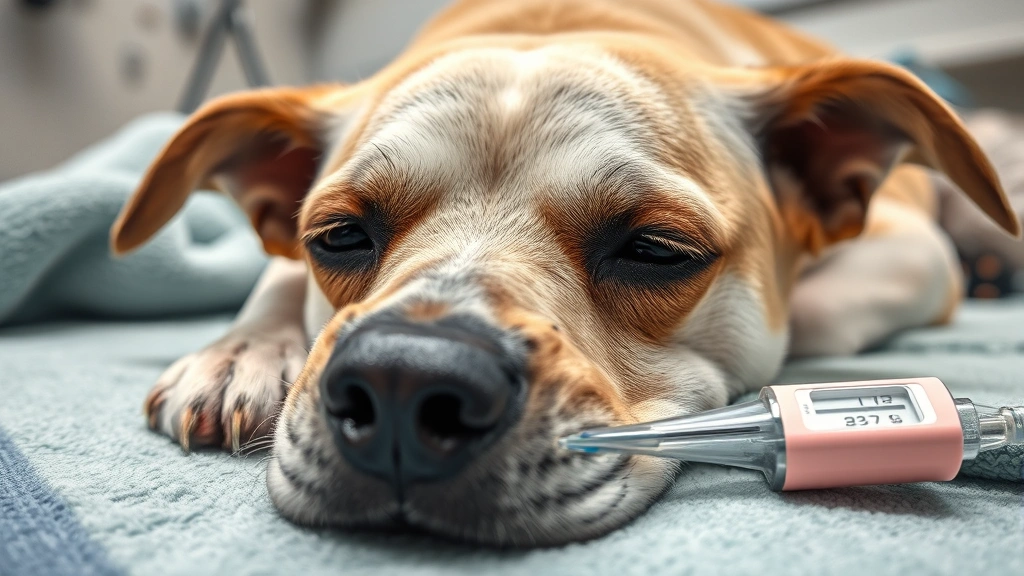
- Lethargy and depression (unwillingness to move or play)
- Loss of appetite
- Abdominal pain (hunched posture, whining)
- Fever (temperature above 103°F)
- Dehydration (dry mouth, sunken eyes)
- Rapid or weak pulse
Vaccinated dogs often show milder symptoms than unvaccinated dogs, which can delay diagnosis. Some vaccinated dogs develop subclinical infections with minimal signs, though they can still transmit the virus to others. This is why prompt veterinary evaluation matters even if symptoms seem mild.
Protecting Your Vaccinated Dog
While vaccination provides the foundation of parvo protection, additional strategies further reduce risk:
Maintain Current Vaccination Status
Schedule regular booster vaccinations as recommended by your veterinarian. The Association of American Feed Control Officials (AAFCO) and veterinary organizations recommend boosters every 1-3 years depending on your dog’s lifestyle and local disease prevalence. High-risk dogs (frequent travelers, kennel visitors, park regulars) may benefit from more frequent boosters.
Provide Optimal Nutrition
A strong immune system requires excellent nutrition. Feed high-quality dog food rich in protein, essential fatty acids, and micronutrients. While you might wonder about dietary components, understand that proper nutrition supports immunity—though certain foods like broccoli should be given only in moderation, and toxic foods must be avoided entirely. Consult your vet about whether supplementation would benefit your individual dog.
Minimize High-Risk Exposures
Limit your vaccinated dog’s contact with unvaccinated dogs, particularly puppies and rescue dogs with unknown vaccination status. Avoid areas with recent parvo cases. During shelter visits or when adopting, practice strict hygiene—wash hands and change clothes before handling your own dog.
Manage Stress
Reduce stress through consistent routines, adequate exercise, and mental stimulation. Stressed dogs have suppressed immune function, making them more vulnerable to breakthrough infections.
Regular Veterinary Care
Annual or semi-annual wellness exams allow your veterinarian to monitor your dog’s health status and adjust vaccination protocols as needed. Discuss your dog’s specific risk factors and lifestyle to determine optimal protection strategies.
Environmental Hygiene
Parvovirus survives on contaminated surfaces for extended periods. Clean your dog’s food and water bowls regularly, disinfect toys with bleach solution (1 part bleach to 30 parts water), and maintain clean living spaces. If your dog has been exposed to parvo, use appropriate disinfectants on all surfaces your dog contacted.
Treatment and Recovery
If your vaccinated dog develops parvovirus, prompt veterinary treatment dramatically improves survival rates. Unlike unvaccinated dogs where parvo carries 5-45% mortality risk, vaccinated dogs often recover with supportive care because their immune system recognizes the virus.
Diagnostic Testing
Veterinarians typically confirm parvo using ELISA tests or PCR testing that detect viral antigens or genetic material in fecal samples. Results usually arrive within hours to a day, allowing rapid treatment initiation.
Supportive Care Treatment
Parvo treatment focuses on supportive care since no antiviral medications directly kill the virus. Your dog’s own immune system must eliminate the infection. Treatment includes:
- Intravenous fluid therapy to combat severe dehydration
- Anti-nausea medications to control vomiting
- Antibiotics to prevent secondary bacterial infections
- Nutritional support through feeding tubes if necessary
- Pain management for gastrointestinal discomfort
Hospitalization typically lasts 5-7 days, though some dogs require longer support. The ASPCA notes that vaccinated dogs generally recover faster than unvaccinated dogs because their immune system responds more effectively to treatment.
Recovery and Contagion
Most vaccinated dogs that receive prompt treatment recover fully within 1-2 weeks. However, dogs continue shedding virus for weeks after recovery, so strict isolation from other dogs is essential. Feed your recovering dog bland, easily digestible foods—plain chicken and rice work well, though you should avoid giving foods that might upset a sensitive stomach, such as corn or rich items like cheese until your vet approves normal diet resumption.
FAQ
Can a vaccinated dog get parvo from another vaccinated dog?
Yes, though rarely. If one vaccinated dog is infected with parvovirus, it can transmit the virus to another vaccinated dog through direct contact or contaminated surfaces. However, the infected dog’s immune system typically controls the virus before it causes serious illness. The risk is much lower than transmission between unvaccinated dogs.
How often should my adult dog get parvo boosters?
Most veterinarians recommend parvo booster vaccination every 1-3 years for adult dogs. Your veterinarian may recommend more frequent boosters if your dog frequents kennels, dog parks, or travels extensively. Some veterinarians perform antibody titers (blood tests measuring immunity level) to determine if your individual dog needs boosters.
Can puppies get parvo after vaccination?
Yes, puppies can develop parvo during the vaccination series, particularly if exposed before the final booster shot at 16 weeks. This is why keeping puppies away from unvaccinated dogs and high-risk environments until vaccination is complete is crucial. Puppies should also avoid areas where unvaccinated dogs frequent until at least 2 weeks after their final vaccination.
What’s the difference between modified live and inactivated parvo vaccines?
Modified live vaccines contain weakened virus that stimulates strong immune responses. Inactivated vaccines contain killed virus and generally produce slightly lower immunity but carry no risk of vaccine-strain disease. Both types are effective, though modified live vaccines often provide superior protection. Your veterinarian can recommend which type suits your dog best.
Does my dog need parvo vaccination if kept indoors only?
Even indoor dogs benefit from parvo vaccination. Parvovirus can be tracked indoors on shoes and clothing, and emergency situations (evacuations, escapes) expose indoor dogs to outdoor risks. Additionally, some areas require parvo vaccination for licensing and boarding. Consult your veterinarian about your specific situation.
Can senior dogs get parvo?
Yes, senior dogs can develop parvovirus, particularly if they haven’t received booster vaccinations recently. Senior dogs often have declining immune function, making them more vulnerable to breakthrough infections. Keeping senior dogs current on vaccinations is especially important for their protection.
Is parvo fatal in vaccinated dogs?
Parvo is rarely fatal in properly vaccinated dogs that receive prompt veterinary treatment. Most vaccinated dogs recover fully with supportive care. Fatality risk is significantly higher in unvaccinated dogs or dogs with severe immunocompromise. Early recognition and aggressive treatment dramatically improve outcomes.





