
Can Dogs Be Allergic to Grass? Vet Insights on Symptoms and Solutions
If your dog scratches constantly after playing outside, rolls in the grass repeatedly, or develops red, irritated skin, you might wonder: can dogs actually be allergic to grass? The answer is yes—and it’s more common than many pet owners realize. Grass allergies in dogs, also called contact dermatitis or environmental allergies, affect millions of canines worldwide and can significantly impact their quality of life.
Understanding whether your dog has a grass allergy requires recognizing the signs, knowing what triggers the reaction, and learning how to manage it effectively. This comprehensive guide combines veterinary expertise with practical solutions to help you keep your furry friend comfortable year-round, whether they’re playing in the backyard or enjoying a walk through the park.
Do Dogs Get Grass Allergies?
Yes, dogs absolutely can develop allergies to grass. Veterinarians confirm that grass allergies represent one of the most prevalent environmental allergies affecting dogs today. Unlike food allergies—where you might need to avoid feeding your dog certain items like onions or mushrooms—grass allergies occur through skin contact and inhalation of grass particles and pollen.
Grass allergies fall into two main categories: contact allergies (direct skin contact with grass) and inhalant allergies (breathing in grass pollen). Both types trigger an immune system response that causes inflammation, itching, and various skin conditions. Some dogs experience seasonal grass allergies that flare up during spring and summer when grass actively grows and releases pollen, while others suffer year-round symptoms depending on their geographic location and the types of grass present.
According to the American Kennel Club, environmental allergies—including grass allergies—affect approximately 10-15% of dogs, making them one of the most common health issues veterinarians treat. Certain breeds show higher predisposition to allergies, including Golden Retrievers, Labrador Retrievers, Bulldogs, and West Highland White Terriers, though any dog can develop a grass allergy regardless of breed or age.
Common Symptoms of Grass Allergies
Recognizing grass allergy symptoms early allows you to seek veterinary treatment before the condition worsens. Dogs with grass allergies typically display a distinctive pattern of signs that differentiate these allergies from other health conditions:
- Excessive itching and scratching—particularly on paws, legs, face, and belly after outdoor exposure
- Persistent licking—dogs obsessively lick their paws and legs, sometimes causing secondary skin infections
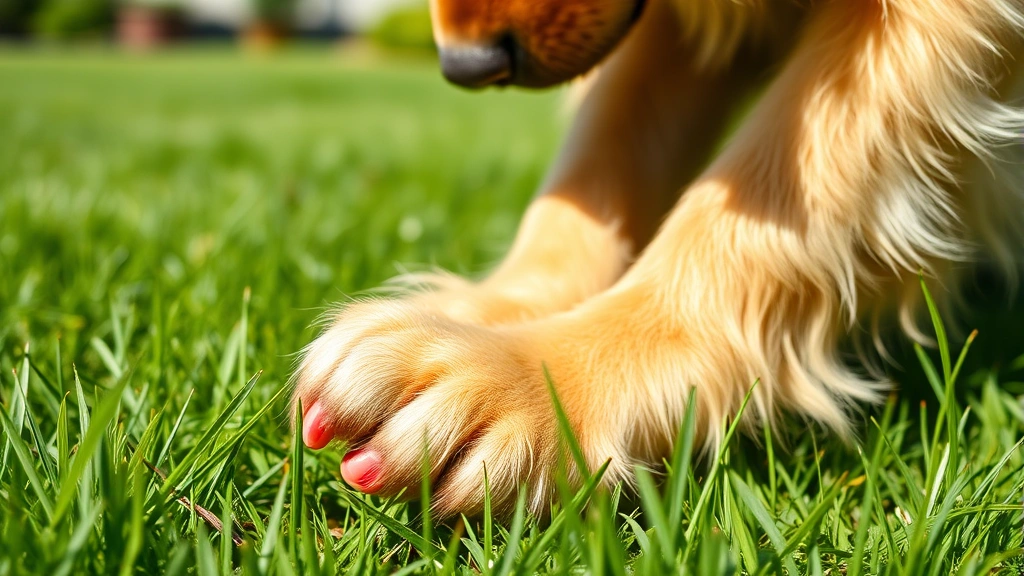
- Red or inflamed skin—visible redness, especially between toes and in skin folds
- Hair loss (alopecia)—patches of missing fur from constant scratching and licking
- Skin infections—secondary bacterial or yeast infections from compromised skin barriers
- Watery eyes and nasal discharge—when inhalant grass allergies trigger respiratory symptoms
- Ear infections—recurring ear problems, often accompanying skin allergies
- Paw pad irritation—swollen, tender, or discolored paw pads after grass contact
- Facial swelling—in severe cases, the face may swell, particularly around the eyes and muzzle
Many dog owners notice their pets display these symptoms specifically after spending time outdoors in grassy areas. If symptoms appear only during certain seasons, this suggests a seasonal grass allergy tied to specific grass types or pollen counts. However, if your dog shows these signs year-round, they may have allergies to multiple environmental triggers or indoor allergens.
Why Dogs Develop Grass Allergies
Understanding the mechanism behind grass allergies helps explain why some dogs suffer while others don’t. Grass allergies develop when a dog’s immune system mistakenly identifies grass proteins as threats, triggering an allergic response designed to eliminate the perceived invader. This overreaction causes the release of histamines and other inflammatory compounds that lead to itching, swelling, and irritation.
Several factors contribute to grass allergy development:
- Genetic predisposition—Dogs inherit allergic tendencies from their parents, making some breeds and individual dogs more susceptible than others
- Repeated exposure—Constant contact with grass can sensitize a dog’s immune system over time, eventually triggering allergic responses
- Skin barrier dysfunction—Dogs with compromised skin barriers absorb allergens more easily, increasing allergy risk. This relates to overall skin health and nutrition
- Multiple allergen exposure—Dogs exposed to numerous environmental allergens simultaneously show higher allergy development rates
- Age factors—Allergies can develop at any age but often emerge between one and three years old
- Environmental conditions—High humidity, pollen counts, and mold levels influence allergy severity and frequency
Interestingly, not all grass species trigger equal reactions. Some dogs react to specific grass types like fescue, bluegrass, or Bermuda grass, while remaining unaffected by others. This specificity explains why a dog might tolerate certain parks or yards better than others.
Diagnosing Grass Allergies in Dogs
Proper diagnosis requires veterinary evaluation since grass allergy symptoms overlap with other conditions like flea allergies, food allergies, and skin infections. Your veterinarian will use several diagnostic approaches:
Physical examination and history: Your vet will examine your dog’s skin, looking for characteristic patterns of irritation. They’ll ask detailed questions about when symptoms started, seasonal patterns, affected body areas, and environmental exposure. This information helps narrow down potential allergens.
Elimination and exposure trials: Your vet might recommend limiting grass exposure to observe whether symptoms improve. Alternatively, controlled exposure to specific grass types helps identify which varieties trigger reactions.
Intradermal skin testing: This gold-standard test involves injecting small amounts of grass allergen extracts into the skin and observing reactions. The ASPCA recognizes this as the most accurate allergy testing method for dogs.
Serum allergy testing: Blood tests measure antibody levels against specific allergens, though they’re generally less accurate than skin testing for environmental allergies.
Rule out other conditions: Your vet will perform cultures or other tests to exclude bacterial infections, yeast overgrowth, flea allergy dermatitis, and food allergies before confirming a grass allergy diagnosis.
Treatment and Management Options
Once your veterinarian confirms a grass allergy, several treatment approaches can significantly improve your dog’s comfort:
Antihistamines: Medications like diphenhydramine, cetirizine, or loratadine reduce histamine release and decrease itching. These work best when given before grass exposure, though effectiveness varies between individual dogs.
Corticosteroids: Short-term steroid use reduces severe inflammation and itching. However, long-term steroid use carries risks, so vets typically reserve these for acute flare-ups or combine them with other therapies.
Immunotherapy (allergy shots): Allergen-specific immunotherapy gradually desensitizes your dog’s immune system to grass allergens. While requiring months to show results, this approach offers long-term relief and reduced medication dependence. Studies published in veterinary journals show 60-80% of dogs experience significant improvement with immunotherapy.
Topical treatments: Medicated shampoos, sprays, and creams soothe irritated skin and provide temporary relief. Oatmeal-based or hypoallergenic formulas are particularly effective. Bathing your dog after outdoor exposure removes grass particles from their coat.
Nutritional support: Omega-3 and omega-6 fatty acids support skin barrier function and reduce inflammation. Adding fish oil supplements or feeding foods rich in these nutrients—such as those containing ingredients similar to what you’d find in carrots and other nutrient-dense whole foods—can help manage allergy symptoms naturally.
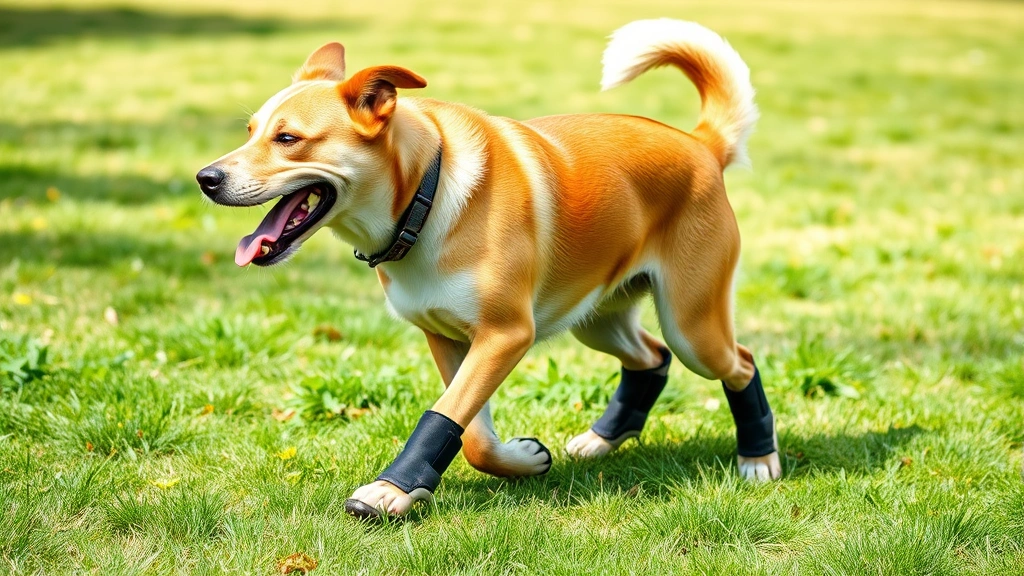
Environmental modifications: Limiting grass exposure, creating designated outdoor areas, and using protective booties during outdoor time reduce allergen contact.
Cyclosporine: This immunosuppressant medication helps severe cases where other treatments prove insufficient, though it requires regular monitoring.
Prevention Strategies
While you can’t entirely prevent grass allergies in genetically predisposed dogs, several strategies minimize symptoms and reduce allergy severity:
Reduce grass exposure: Limit time in grassy areas, especially during high pollen seasons. Create non-grass outdoor spaces using pavers, mulch, or artificial turf where your dog can play safely.
Protective barriers: Dog booties prevent direct paw-to-grass contact, significantly reducing allergen exposure. Protective clothing like dog shirts can shield sensitive skin during outdoor activities.
Post-outdoor hygiene: Rinse your dog’s paws, belly, and face with cool water after outdoor time to remove grass particles. A gentle wipe-down with a damp cloth works well for quick cleanups.
Regular bathing: Weekly baths during allergy season using hypoallergenic or medicated shampoos remove accumulated allergens and soothe irritated skin. Consult your vet about appropriate bathing frequency to avoid over-washing, which can damage skin barriers.
Maintain skin health: A nutritious diet supporting skin barrier function helps prevent allergy development. Quality proteins, essential fatty acids, and proper hydration strengthen the skin’s natural defenses. Just as you’d carefully consider what your dog eats—avoiding harmful foods like certain mushrooms—prioritize foods that support overall health.
Monitor pollen counts: Keep outdoor time brief on high pollen days. Many weather apps provide daily pollen forecasts helping you plan outdoor activities strategically.
Keep grass short: If you maintain your yard, mow grass regularly to reduce pollen production and allergen availability.
Air filtration: HEPA air filters in your home capture grass pollen and other airborne allergens, improving indoor air quality for your allergic dog.
Regular veterinary check-ups: Schedule appointments with your vet during allergy season to monitor symptoms and adjust treatments as needed. Early intervention prevents secondary infections and complications.

The World Organisation for Animal Health emphasizes that early detection and management of allergies significantly improve long-term outcomes for dogs. Working closely with your veterinarian ensures your dog receives appropriate, evidence-based care tailored to their specific situation.
FAQ
Can grass allergies in dogs go away on their own?
Grass allergies rarely resolve without intervention, though some dogs show reduced sensitivity with age. Most require ongoing management through environmental controls, medications, or immunotherapy. Early treatment prevents secondary infections and improves long-term outcomes.
Are certain dog breeds more prone to grass allergies?
Yes, breeds like Golden Retrievers, Labrador Retrievers, Bulldogs, Terriers, and Cocker Spaniels show higher predisposition to environmental allergies. However, any dog can develop grass allergies regardless of breed.
How long does it take immunotherapy to work for grass allergies?
Allergen-specific immunotherapy typically requires 6-12 months to show significant results, with maximum benefit appearing after 12-24 months of consistent treatment. Patience is essential, but many dogs experience substantial improvement.
Can I give my dog over-the-counter allergy medication for grass allergies?
While some over-the-counter antihistamines are safe for dogs, dosing and appropriateness vary by individual dog and medication. Always consult your veterinarian before giving any medication, as some human formulations contain harmful ingredients.
Is my dog’s grass allergy contagious to other pets?
No, allergies aren’t contagious. However, if you have multiple dogs, they may share genetic predisposition to allergies, meaning siblings or offspring might also develop grass allergies.
Can diet affect grass allergy symptoms?
Absolutely. A high-quality diet rich in omega fatty acids, antioxidants, and essential nutrients supports skin barrier function and can reduce allergy severity. Poor nutrition worsens allergic responses and increases secondary infection risk.
What’s the difference between grass allergies and grass toxicity?
Grass allergies involve immune system overreaction to grass proteins, causing itching and skin irritation. Grass toxicity occurs when dogs ingest toxic plants or grass treated with harmful chemicals. These are separate conditions requiring different management approaches. Be cautious about certain foods too—if you’re unsure about what’s safe, consult resources like information on specific vegetables before offering new foods.
How do I know if my dog has a grass allergy versus a flea allergy?
Flea allergies typically cause intense itching around the rear end, tail base, and back legs, often with visible flea dirt. Grass allergies usually affect paws, face, and belly more prominently. Your vet can distinguish between these through physical examination and testing.
Can I use natural remedies for my dog’s grass allergy?
Natural approaches like oatmeal baths, coconut oil applications, and dietary supplements may provide supportive relief but shouldn’t replace veterinary treatment for moderate to severe allergies. Discuss natural remedies with your vet to ensure safety and efficacy.
Will my dog need lifelong treatment for grass allergies?
Many dogs require ongoing management, though immunotherapy can provide lasting relief for years. Some dogs outgrow allergies, while others need seasonal or year-round treatment. Your vet can develop a long-term management plan specific to your dog’s needs.
Conclusion: Grass allergies significantly impact many dogs’ quality of life, but with proper diagnosis and management, your furry friend can enjoy outdoor activities comfortably. Whether through environmental modifications, medications, immunotherapy, or nutritional support, veterinary-guided approaches effectively control symptoms. If you notice your dog scratching excessively after outdoor play, contact your veterinarian promptly. Early intervention prevents complications and helps your dog live their happiest, healthiest life possible. Remember that every dog’s allergy profile differs, so working with your vet to customize treatment ensures the best possible outcomes for your beloved companion.





