

Can Dogs Catch Colds from Humans? Vet Insights on Pet Health
If you’re sniffling and sneezing, you’ve probably wondered whether your beloved canine companion might catch your cold. It’s a natural concern for pet parents who spend significant time cuddling and playing with their dogs. The short answer is: dogs cannot catch the common cold from humans, but the explanation behind this is more nuanced than you might expect. Understanding the differences between human and canine respiratory viruses can help you keep your dog healthy and give you peace of mind during cold season.
While your dog won’t contract your specific cold virus, they can develop their own respiratory illnesses from different pathogens. Many dog owners are surprised to learn that the viruses affecting humans and dogs are entirely different species, meaning cross-infection isn’t possible. However, this doesn’t mean your dog is immune to respiratory problems. Let’s explore what veterinarians want you to know about canine respiratory health and how to protect your furry friend.
Can Dogs Actually Catch Human Colds?
The definitive answer from veterinary experts is no—dogs cannot catch colds from humans. The rhinoviruses, coronaviruses (like those causing common colds), and other pathogens that infect humans are species-specific. This means they’ve evolved to attack human cells and cannot replicate in canine cells. According to the American Animal Hospital Association, viral infections are highly specialized, and the biological barriers between species prevent most cross-species transmission of common respiratory viruses.
Your dog’s immune system and cellular structure are fundamentally different from yours, which actually works in their favor when it comes to human colds. The virus particles that make you miserable simply cannot attach to and infect your dog’s cells. This is excellent news for households where someone is fighting off a cold or flu.
However, it’s important to note that while your dog won’t catch your cold, they can catch their own respiratory viruses from other dogs or environmental sources. The distinction is crucial for understanding how to keep your pet healthy during cold season.
How Viruses Work Across Species
Understanding why cross-species viral transmission is so rare requires a basic grasp of virology. Viruses are incredibly specific organisms that have adapted over millions of years to infect particular host species. Each virus has specialized proteins that fit into receptor sites on host cells, much like a key fitting into a lock.
When a virus encounters a cell from a different species, the “lock and key” mechanism fails. The viral proteins cannot bind to the dog’s cellular receptors, so the virus cannot enter the cell and replicate. This is why the ASPCA confirms that species-specific viral barriers provide natural protection against most cross-species infections.
There are rare exceptions to this rule, typically involving viruses that have undergone significant genetic mutation or viruses that naturally infect multiple species. However, the common cold viruses affecting humans do not fall into this category. Your dog is naturally protected by biological incompatibility.
This doesn’t mean your dog is invincible, though. Dogs have their own set of respiratory pathogens that they can contract from other dogs or contaminated environments. These canine-specific viruses are perfectly adapted to infect dogs and can cause illness just as effectively as human viruses affect us.
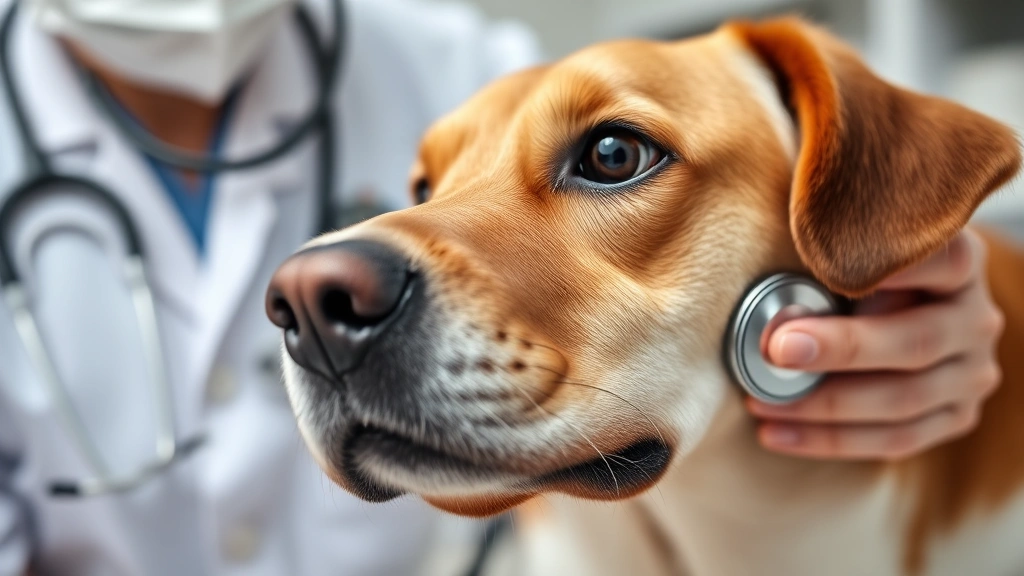
Common Respiratory Illnesses in Dogs
While your dog won’t catch your cold, they can develop several respiratory conditions. One of the most common is kennel cough, a highly contagious condition caused by bacteria (like Bordetella) or viruses (like canine parainfluenza). Kennel cough earned its name because it spreads rapidly in environments where multiple dogs congregate, such as shelters, boarding facilities, and dog parks.
Another concern is canine influenza, a respiratory virus that spreads among dogs. This is completely different from human flu viruses and poses no risk to people. However, it can cause significant illness in dogs, particularly puppies and senior dogs with compromised immune systems.
Canine coronavirus is another pathogen distinct from human coronavirus strains. While related by name to COVID-19, canine coronavirus cannot infect humans and human COVID-19 cannot infect dogs through normal exposure (though some studies suggest theoretical possibilities under specific laboratory conditions).
Additionally, dogs can suffer from bacterial respiratory infections, fungal infections, and parasitic conditions affecting the lungs. Environmental factors like smoke, dust, and air pollution can also irritate a dog’s respiratory system. Maintaining your dog’s health through proper nutrition and immune support is essential for preventing respiratory issues.
Symptoms Your Dog Might Have Respiratory Issues
Even though your dog won’t catch your cold, it’s important to recognize signs that your dog might be developing their own respiratory illness. Early detection allows for prompt veterinary care and better outcomes.
Common symptoms of canine respiratory disease include:
- Persistent cough that lasts more than a few days
- Sneezing or nasal discharge (clear, yellow, or greenish)
- Lethargy or decreased energy levels
- Loss of appetite or reduced food intake
- Difficulty breathing or rapid breathing
- Fever (normal dog temperature is 101-102.5°F)
- Wheezing or labored breathing sounds
- Eye discharge or watery eyes
If your dog displays any combination of these symptoms, contact your veterinarian promptly. While mild cases might resolve independently, some respiratory infections require professional treatment to prevent complications.

Prevention and Care Strategies
Protecting your dog from respiratory illness involves several proactive strategies. First, maintain your dog’s vaccination schedule. Vaccines for kennel cough, canine influenza, and other respiratory pathogens are available and recommended, especially for dogs frequenting dog parks, boarding facilities, or grooming salons.
Second, practice good hygiene and sanitation. While you won’t transmit your cold to your dog, washing your hands before petting your dog and cleaning food and water bowls regularly reduces transmission of other pathogens. When you’re sick, try to minimize close contact with your dog to prevent bacterial secondary infections.
Third, ensure your dog maintains optimal nutrition to support immune function. A balanced diet rich in essential nutrients strengthens your dog’s ability to fight off infections. Consider including immune-supporting foods—many pet parents find that carrots and corn provide valuable nutrients, though always verify with your vet first. Additionally, carrots offer specific health benefits for dogs, and exploring options like cauliflower can diversify their diet with wholesome vegetables.
Fourth, maintain a stress-free environment. Stress weakens immune function in dogs, making them more susceptible to illness. Provide adequate exercise, mental stimulation, and a calm living space.
Fifth, avoid environmental irritants. Smoke, strong cleaning chemicals, and poor air quality can irritate your dog’s respiratory system. Use pet-safe cleaning products and ensure good ventilation in your home.
Sixth, practice regular veterinary checkups. Annual or biannual exams allow your veterinarian to catch respiratory issues early and assess your dog’s overall health status.
When to Contact Your Veterinarian
Knowing when to seek professional help is crucial for your dog’s wellbeing. Contact your veterinarian immediately if your dog shows:
- Severe difficulty breathing or gasping for air
- Blue-tinged gums or tongue (indicating oxygen deprivation)
- Collapse or extreme lethargy
- High fever (above 103°F)
- Cough lasting more than two weeks
- Cough accompanied by blood or bloody mucus
- Symptoms in very young puppies or senior dogs
- Signs of respiratory distress combined with vomiting or diarrhea
Your veterinarian can perform diagnostic tests like chest X-rays, cultures, or blood work to identify the specific cause of respiratory symptoms. Treatment varies depending on the underlying condition and might include antibiotics for bacterial infections, antiviral medications, supportive care, or other interventions.
According to the University of Florida College of Veterinary Medicine, early intervention significantly improves outcomes for canine respiratory infections. Never hesitate to contact your vet if you’re concerned about your dog’s respiratory health.
FAQ
Can my dog catch my cold if we share food or water bowls?
No. Even if you share bowls with your dog, the cold virus cannot infect them because it’s species-specific. However, for general hygiene reasons, it’s better to use separate bowls. Practice good handwashing and avoid coughing directly on your dog or their belongings.
Is it safe to let my dog sleep in bed with me when I’m sick?
Your cold won’t transfer to your dog, but you might want to maintain some distance to prevent secondary bacterial infections or simply to recover better yourself. If you do share a bed, wash your hands before petting your dog and avoid coughing on them directly.
Can dogs get pneumonia from humans?
Dogs cannot catch human pneumonia because the causative organisms are species-specific. However, dogs can develop their own pneumonia from canine-specific bacteria or viruses. If your dog shows signs of respiratory distress, contact your veterinarian.
What’s the best way to protect my dog during cold and flu season?
Keep vaccinations current, maintain good nutrition, ensure adequate exercise, minimize stress, and practice good hygiene. Limit exposure to other sick dogs and avoid crowded dog parks during peak illness seasons. Regular veterinary checkups are also essential.
Should I be concerned about COVID-19 and my dog?
While SARS-CoV-2 (the virus causing COVID-19) is theoretically capable of infecting dogs under specific conditions, natural transmission to dogs is extremely rare. The CDC confirms that pets are not a significant source of infection for people. Focus on standard preventive measures and contact your vet if your dog shows respiratory symptoms.
Can I give my dog my cold medicine?
No. Never give your dog human medications without explicit veterinary approval. Many common cold medicines are toxic to dogs. If your dog needs treatment for respiratory symptoms, your veterinarian will prescribe appropriate canine medications.





