Can Dogs Digest Pork Bones? Expert Advice on Safety and Risks
Many dog owners wonder whether it’s safe to give their furry companions pork bones, especially after enjoying a delicious pork meal. While bones are often considered a natural dog treat, the reality is more nuanced than a simple yes or no. Pork bones present specific challenges that differ from other types of bones, and understanding these differences is crucial for your dog’s health and safety.
The short answer is that dogs cannot safely digest pork bones, and veterinarians generally recommend avoiding them entirely. Unlike their wild ancestors who consumed raw bones as part of their natural diet, domesticated dogs today face significant risks from cooked pork bones, splinters, and bacterial contamination. This comprehensive guide will explore why pork bones are problematic, what happens when dogs ingest them, and safer alternatives for satisfying your dog’s natural chewing instincts.
Why Pork Bones Are Dangerous for Dogs
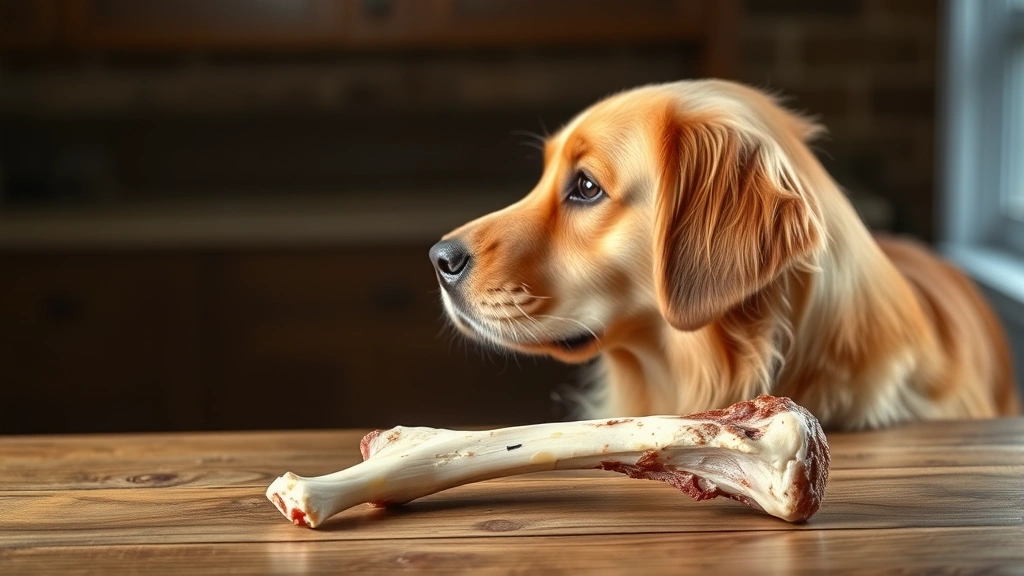
Pork bones present unique dangers that make them particularly risky compared to other bone types. The structure and composition of pork bones differ significantly from beef or chicken bones, making them more prone to splintering and breaking into sharp fragments. When dogs chew on pork bones, these fragments can cause serious internal injuries.
The primary concern with pork bones is their tendency to splinter into needle-like pieces. Unlike beef bones, which are denser and more likely to crack cleanly, pork bones are more brittle and prone to creating dangerous sharp edges. These splinters can lacerate the mouth, throat, esophagus, and digestive tract as they pass through your dog’s system. Even small splinters can cause significant damage to delicate tissues.
Additionally, pork bones often carry bacteria such as Salmonella and E. coli, particularly if they’ve been handled or stored improperly. Dogs have stronger stomach acid than humans, which provides some protection, but they’re not immune to foodborne illnesses. Bacterial contamination can lead to severe gastrointestinal infections, vomiting, diarrhea, and systemic illness.
Another critical factor is the fat content in pork bones. The fatty marrow and surrounding tissue can trigger pancreatitis in susceptible dogs, especially those with pre-existing digestive conditions. Pancreatitis is a painful and potentially life-threatening inflammation of the pancreas that requires immediate veterinary attention.
How Dogs’ Digestive Systems Handle Bones
Understanding canine digestion helps explain why pork bones are problematic. While dogs are carnivores with powerful stomach acid (pH 1-2) that’s more acidic than human stomach acid, their digestive system isn’t designed to process brittle, splintering bones safely.
When a dog swallows a bone, it travels down the esophagus to the stomach, where gastric juices begin breaking down the bone material. Dogs’ stomachs produce hydrochloric acid and pepsin, which can dissolve some bone material over time. However, this process is slow and incomplete, especially with cooked pork bones that have been chemically altered by heat.
The problem intensifies in the small intestine, where bone fragments can cause blockages or perforations. The intestinal lining is delicate and not designed to handle sharp objects. Even microscopic splinters can accumulate and cause inflammation or infection. The colon may also be affected, with bone fragments potentially causing constipation or fecal impaction.
Dogs have limited ability to vomit up foreign objects compared to cats, which means once a bone splinter enters the digestive tract, it’s likely to continue moving through the system. This increases the risk of serious complications. The digestive transit time for dogs is typically 6-8 hours, but bones may take much longer to pass or may not pass at all.
Health Risks and Complications
The consequences of dogs consuming pork bones can range from mild to life-threatening. Understanding these risks underscores why veterinarians universally recommend avoiding pork bones.
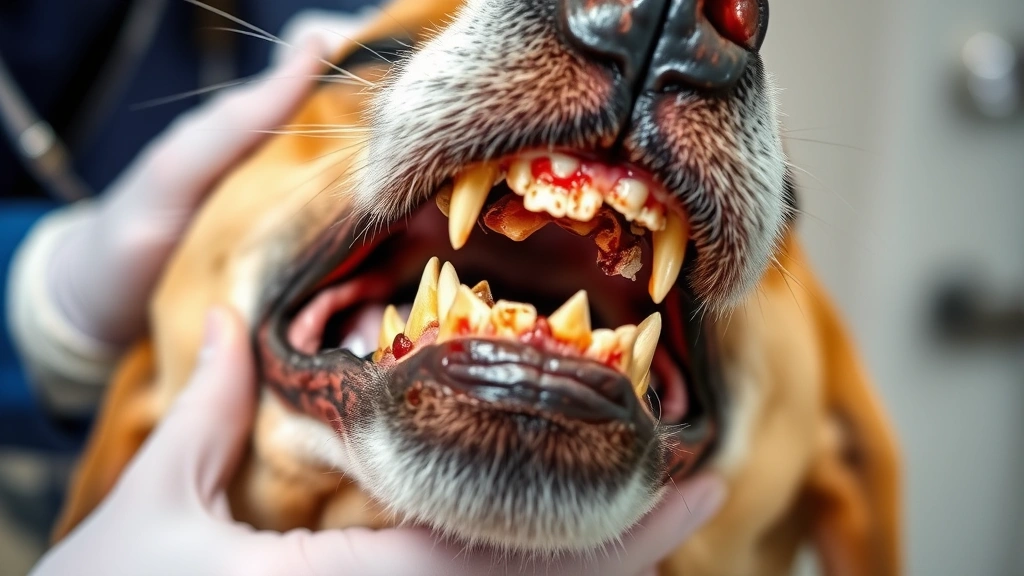
Oral injuries are often the first sign of bone-related problems. Sharp bone fragments can cut the gums, tongue, and palate. You might notice your dog drooling excessively, showing reluctance to eat, or having bad breath with possible blood in saliva. These injuries are painful and susceptible to infection.
Gastrointestinal obstruction is one of the most serious complications. Large bone fragments or accumulated splinters can block the intestines, preventing food and waste from passing through. Symptoms include vomiting, loss of appetite, abdominal pain, constipation, and lethargy. Obstruction often requires emergency surgery to remove the blockage.
Gastrointestinal perforation occurs when sharp bone fragments puncture the intestinal wall. This is a medical emergency that can lead to peritonitis (infection of the abdominal cavity), sepsis, and death if not treated immediately. Signs include severe abdominal pain, vomiting, fever, and collapse.
Pancreatitis can develop from the high fat content in pork bones. This condition causes inflammation of the pancreas and presents with vomiting, diarrhea, abdominal pain, and loss of appetite. Severe pancreatitis can be fatal and requires intensive veterinary care.
Bacterial infections from contaminated bones can cause food poisoning symptoms including diarrhea, vomiting, fever, and lethargy. Some dogs may develop more serious systemic infections, particularly if they have compromised immune systems.
Dental damage can occur from chewing hard bones. Dogs may crack or break teeth, requiring extraction and causing chronic pain. Dental disease from bone chewing can be expensive to treat and affect your dog’s quality of life.
Cooked vs. Raw Pork Bones: Which Is Worse?
Both cooked and raw pork bones pose significant risks, but they present different problems. Cooked pork bones are more dangerous than raw bones because the heat changes the bone’s structure, making it more brittle and prone to splintering. Cooking removes moisture from the bone, causing it to become hard and inflexible. When a dog chews a cooked pork bone, it’s more likely to break into sharp fragments rather than wear down gradually.
Raw pork bones retain more moisture and flexibility, which means they’re less likely to splinter explosively. However, raw bones still carry significant bacterial contamination risks. Raw pork may harbor Trichinella parasites, Salmonella, E. coli, and other pathogens. While some people advocate for raw feeding diets, raw pork bones are generally not recommended even in that context due to the parasite risk.
The bacteria concern applies to both cooked and raw pork bones. Improper handling, storage, or preparation can introduce or proliferate harmful bacteria. Even bones from a “clean” meal can harbor pathogens that survive the cooking process or develop during storage.
Additionally, cooked pork bones are stripped of most nutritional value by the cooking process. They offer minimal benefits while maintaining all the risks. Raw bones might theoretically provide some minerals, but the risks far outweigh any potential benefits.
Safe Alternatives to Pork Bones
If you want to satisfy your dog’s natural chewing instincts and provide enrichment, numerous safe alternatives exist that don’t carry the risks of pork bones.
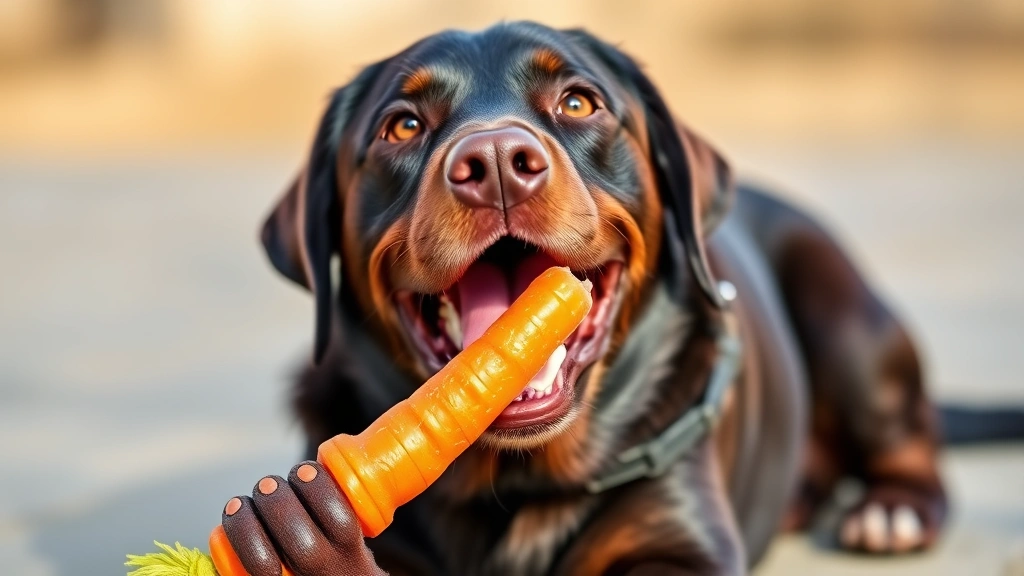
Rubber chew toys like Kong toys are durable, non-toxic, and designed specifically for dogs. They can be filled with treats or peanut butter to increase engagement and mental stimulation. These toys are safe to leave with your dog unsupervised.
Nylon chew toys offer long-lasting chewing satisfaction without splintering. Look for products specifically designed for dogs and appropriate for your dog’s size and chewing strength. Always supervise to ensure your dog doesn’t break off large pieces.
Dental chews are formulated to promote oral health while providing safe chewing. Products approved by the Veterinary Oral Health Council can help reduce plaque and tartar buildup while being digestible and safe.
Bully sticks are made from beef muscle and are digestible, though they should be given under supervision. They’re much safer than bones and provide satisfying chewing for extended periods.
Rawhide chews offer another alternative, though some dogs have sensitivity to them. Choose quality products and supervise chewing to prevent choking hazards.
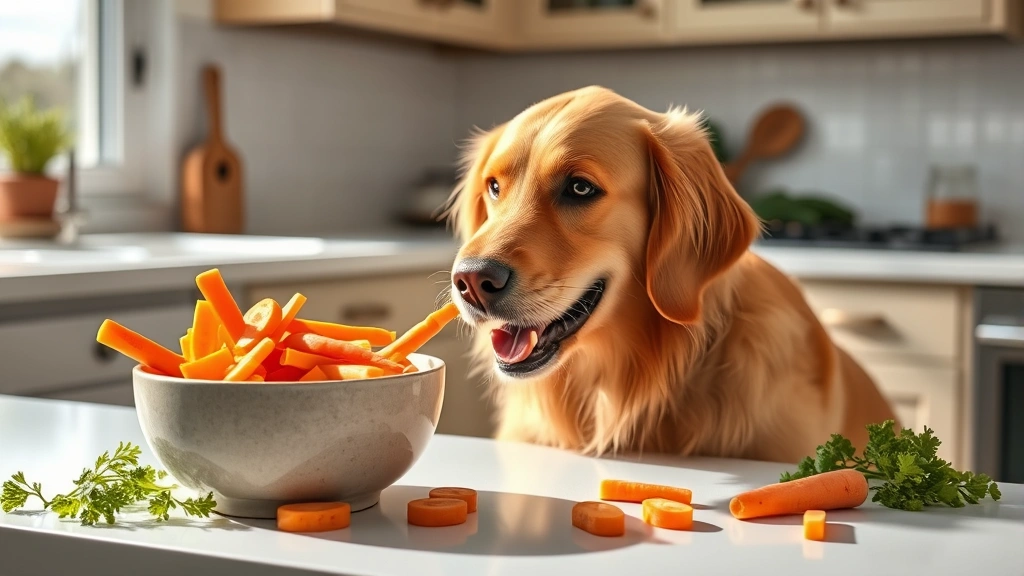
Frozen treats like frozen bananas, carrots, or specially formulated frozen dog treats provide cooling relief and safe chewing, especially on hot days. When considering can dogs eat carrots, frozen carrots make excellent chew toys that are nutritious and safe.
Puzzle toys and interactive feeders engage your dog’s mind while slowing down eating. These toys provide mental enrichment and satisfy natural foraging instincts without the risks of bones.
Antlers and horns (like deer antlers) are harder than bones and less prone to splintering, though they’re not without risk. Some dogs may still break teeth or develop blockages, so supervision is important. They’re generally safer than pork bones but should still be used cautiously.
What to Do If Your Dog Ate Pork Bones
If your dog has already consumed pork bones, the appropriate response depends on several factors including the amount consumed, the bone size, and whether the bones were cooked or raw.
Monitor closely for symptoms. Watch for vomiting, loss of appetite, abdominal pain (indicated by hunching or whining), constipation, diarrhea, lethargy, or blood in vomit or stool. Some complications may develop within hours, while others might take days to manifest.
Contact your veterinarian immediately if your dog shows any concerning symptoms. Don’t wait to see if symptoms resolve on their own. Gastrointestinal obstruction and perforation are medical emergencies that require immediate intervention.
Provide soft food temporarily to help bone fragments pass through the digestive system more easily. Your vet may recommend a bland diet consisting of rice and boiled chicken (without bones, of course).
Avoid inducing vomiting without veterinary guidance. While it might seem logical to make your dog vomit to expel the bones, this can cause additional damage if sharp fragments have already begun traveling through the digestive tract. Your vet will determine if vomiting is appropriate.
Consider X-rays or ultrasound if your vet suspects significant bone ingestion. Imaging can reveal blockages, perforations, or other complications requiring surgical intervention.
Be prepared for emergency care. If complications develop, your dog may need emergency surgery to remove blockages or repair perforations. Emergency veterinary care is expensive but necessary to save your dog’s life.
Prevention is always preferable to treatment, so establishing clear household rules about bone access is essential. Ensure all family members understand that pork bones are off-limits for dogs.
FAQ
Can dogs digest any bones safely?
Some bones are safer than others, but no bones are completely risk-free. Raw meaty bones from beef (like marrow bones) are generally considered safer than pork bones because they’re less prone to splintering. However, even beef bones carry risks of obstruction, perforation, and bacterial contamination. Many veterinarians recommend avoiding all bones and choosing safer alternatives instead. Always consult your vet before giving any bones to your dog.
What’s the difference between pork bones and chicken bones?
Chicken bones are even more dangerous than pork bones because they’re thinner, more brittle, and splinter into needle-like fragments more readily. Cooked chicken bones are particularly hazardous. Pork bones are larger and somewhat denser, but they still pose serious risks. Both should be avoided.
Will my dog’s stomach acid dissolve pork bones?
While dogs have very acidic stomachs that can dissolve some bone material, stomach acid cannot reliably dissolve pork bones, especially cooked ones. The process is slow and incomplete, and bone fragments often pass through the digestive system intact, causing potential damage along the way.
Is it safe to give my dog pork as a protein source?
Yes, plain, boneless pork is safe for dogs when given in moderation as part of a balanced diet. Cook it thoroughly without seasoning, garlic, or onions. Remove all bones and fatty pieces. Pork can be a good protein source, but never include the bones. Many commercial dog foods include pork as a protein ingredient.
How do I know if my dog has a blockage from bones?
Signs of gastrointestinal blockage include persistent vomiting, loss of appetite, abdominal pain, constipation, lethargy, and distended abdomen. Some dogs may alternate between vomiting and diarrhea. These symptoms require immediate veterinary attention. Don’t assume your dog will pass bone fragments on their own—blockages often require surgical removal.
What should I do with leftover pork bones?
Dispose of pork bones safely in a sealed trash can or compost bin where your dog cannot access them. Don’t leave bones on plates or counters where curious dogs might snatch them. Consider placing bones in a separate bag or container before putting them in the trash. Responsible disposal is crucial for preventing accidental ingestion.
Are there breeds more susceptible to bone-related problems?
Smaller breeds and dogs with history of gastrointestinal sensitivity are at higher risk for complications from bone ingestion. Puppies and senior dogs may also be more vulnerable. However, dogs of any size and age can develop serious complications from pork bones. No breed is immune to the dangers.
Can I give my dog smoked pork bones?
No, smoked pork bones are even more dangerous than regular cooked pork bones. The smoking process further dries and hardens the bone, making it more prone to splintering. Additionally, smoked bones may contain additives, seasonings, or smoke residue that could be harmful. Avoid smoked pork bones entirely.