
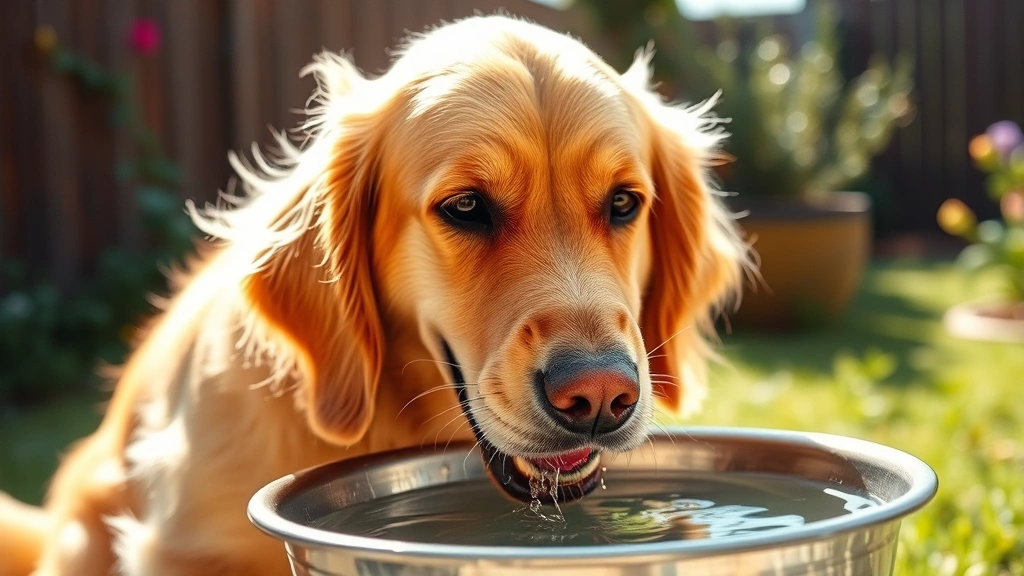
Is Lemon Water Safe for Dogs? Vet Insights on Citrus and Canine Health
As a dog owner, you’ve probably wondered about sharing your favorite beverages with your furry friend. Lemon water is a popular hydration choice for humans, but the question remains: can dogs drink lemon water safely? The answer is more nuanced than a simple yes or no, and understanding the science behind it helps you make informed decisions about your pet’s diet.
While plain water is always the best choice for dogs, small amounts of diluted lemon water typically won’t cause serious harm. However, lemons contain compounds that can irritate your dog’s digestive system and potentially cause discomfort. This guide explores what veterinarians recommend, the risks involved, and safer alternatives to keep your canine companion healthy and hydrated.
Can Dogs Drink Lemon Water? The Short Answer
The straightforward answer from veterinary professionals is: no, dogs should not drink lemon water, and plain water is always the safest choice. While a tiny taste of highly diluted lemon water is unlikely to cause serious harm to most dogs, there’s simply no benefit to offering it, and potential risks exist.
According to the American Kennel Club, citric acid found in lemons can cause gastrointestinal upset in dogs. Even small quantities can trigger mild symptoms like drooling or stomach discomfort. The key takeaway is that lemon water falls into the category of “not toxic in trace amounts, but best avoided entirely.”
Your dog’s hydration needs are best met through fresh, clean water. Unlike humans, dogs don’t require variety in their beverages or added flavors to stay motivated to drink. If your dog seems uninterested in plain water, there are safer ways to encourage hydration that don’t involve potentially irritating substances.
Why Lemons Are Problematic for Dogs
Lemons contain several compounds that make them unsuitable for canine consumption. Understanding these components helps explain why veterinarians consistently recommend avoiding lemon water for dogs:
- Citric acid: This is the primary concern. Citric acid can irritate your dog’s mouth, throat, and digestive tract. Dogs have more sensitive digestive systems than humans, making them more susceptible to acid-related irritation.
- Limonene: Found in lemon peel and juice, limonene is a natural compound that can cause digestive upset and, in concentrated amounts, liver issues in dogs.
- Psoralens: These compounds are phototoxic and can cause skin reactions when exposed to sunlight, particularly in dogs with lighter-colored coats.
- Ascorbic acid: While vitamin C is generally safe for dogs in appropriate amounts, the high concentration in lemons combined with citric acid creates an overly acidic environment.
The concentration of these compounds varies depending on whether you’re offering lemon juice, lemon water, or the actual fruit. Fresh lemon juice is significantly more concentrated and therefore more problematic than heavily diluted lemon water. However, even diluted versions pose unnecessary risks.
Dogs lack the taste receptors that appreciate sour flavors the way humans do. What tastes refreshing to you may simply taste unpleasant or even cause discomfort to your pet. This is why dogs rarely show interest in citrus fruits on their own.
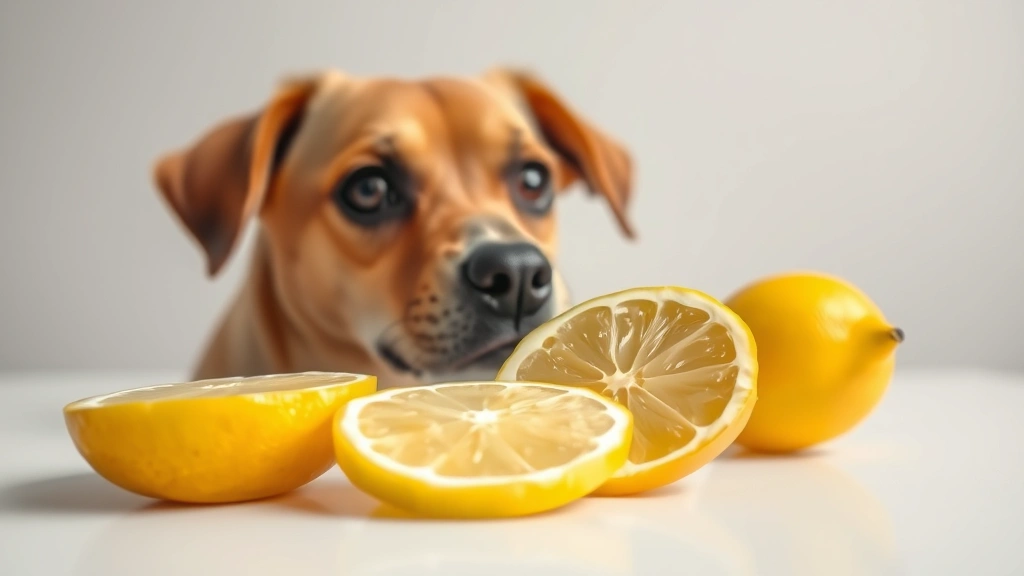
Signs Your Dog Has Consumed Too Much Lemon
If your dog has accidentally consumed lemon water or lemon juice, knowing the warning signs helps you determine whether veterinary care is needed. Most dogs who consume small amounts experience mild symptoms that resolve quickly, but monitoring is important:
- Excessive drooling: One of the first signs of citric acid irritation in the mouth and throat.
- Vomiting or retching: Your dog may attempt to vomit to expel the irritating substance.
- Diarrhea: Digestive upset commonly manifests as loose stools or diarrhea within a few hours.
- Abdominal discomfort: Your dog may show signs of belly pain, including restlessness, panting, or assuming a “play bow” position.
- Loss of appetite: Mouth or throat irritation can discourage your dog from eating their regular meals.
- Skin irritation: If your dog has light-colored fur and consumed lemon juice that came in contact with their skin before sun exposure, watch for redness or irritation.
- Lethargy: Severe cases might cause your dog to seem unusually tired or depressed.
Most mild cases resolve within 24 hours without intervention. However, if symptoms persist, worsen, or your dog consumed a large quantity of concentrated lemon juice, contact your veterinarian promptly.
Safe Hydration Alternatives for Your Dog
If you’re looking to make your dog’s water more interesting or encourage better hydration, several safe alternatives exist that don’t carry the risks associated with lemon water:
- Plain, fresh water: This remains the gold standard. Refresh your dog’s water bowl multiple times daily to keep it appealing.
- Bone broth: Unsalted, dog-safe bone broth can be mixed with water to create an enticing, nutritious beverage. Ensure it contains no onions, garlic, or excessive salt.
- Coconut water: In small amounts, unsweetened coconut water offers electrolytes without the acidity concerns. Offer sparingly as it’s high in potassium.
- Dog-safe vegetable broths: Homemade vegetable broth without salt, onions, or garlic provides hydration and flavor.
- Frozen water treats: Freezing water in ice cube trays or dog-safe molds can make hydration more engaging and fun.
- Dog-safe vegetables like carrots: These have high water content and provide hydration along with dental benefits.
If your dog consistently seems uninterested in water, this could indicate an underlying health issue. Consult your veterinarian to rule out medical conditions affecting thirst or appetite.

Other Citrus Fruits and Dog Safety
Beyond lemon water, it’s helpful to understand how other citrus fruits affect dogs. This broader knowledge helps you make safe choices across your dog’s entire diet:
- Limes: Similar to lemons, limes contain citric acid and should be avoided.
- Grapefruits: Toxic to dogs. Grapefruits contain compounds that interfere with medication metabolism and can cause serious health issues.
- Oranges: In small amounts, plain orange flesh (without seeds or pith) is technically safe, but the acidity and natural sugars make them poor choices for regular consumption.
- Tangerines and clementines: Similar to oranges—technically safe in tiny amounts but not recommended.
- Pomegranates: While not citrus, these should be avoided due to seeds and potential digestive upset.
When considering any new food or beverage for your dog, the general rule is: if there’s no nutritional benefit and potential for harm exists, why offer it? This principle applies to all citrus fruits.
The ASPCA Animal Poison Control Center maintains a comprehensive list of foods and substances toxic or problematic for pets. Citrus fruits appear on their caution list for good reason.
When to Contact Your Veterinarian
Knowing when to seek professional guidance ensures your dog receives appropriate care if they’ve consumed lemon water or if you have ongoing concerns about their hydration and diet:
Contact your vet immediately if:
- Your dog consumed a large quantity of concentrated lemon juice
- Symptoms are severe or worsening rather than improving
- Your dog shows signs of allergic reaction (facial swelling, difficulty breathing, severe itching)
- Vomiting or diarrhea persists beyond 24 hours
- Your dog seems to be in significant pain or distress
- You notice your dog has consumed something and you’re unsure of the quantity
Schedule a regular appointment if:
- Your dog shows chronic lack of interest in water
- You want to discuss safe hydration options and dietary choices
- Your dog has a history of digestive sensitivity
- You’re introducing new foods or beverages to your dog’s diet
Your veterinarian can provide personalized recommendations based on your dog’s age, size, health status, and individual needs. They can also discuss whether your dog might benefit from dietary adjustments to encourage better hydration.
For poison-related emergencies, the Pet Poison Helpline offers 24/7 support and can provide guidance even if you’re unsure whether your dog’s consumption warrants emergency care.
Related to dietary concerns, you might also want to learn about toxic foods like onions that should never be given to dogs, or explore which vegetables like broccoli are actually safe in appropriate quantities. Understanding whether dogs can eat corn and mushroom safety helps round out your knowledge of canine nutrition.
FAQ
What if my dog accidentally drank a small amount of lemon water?
Don’t panic. A small taste of heavily diluted lemon water is unlikely to cause serious harm. Monitor your dog for signs of digestive upset like drooling, vomiting, or diarrhea. Most dogs recover without intervention. Contact your vet if symptoms develop or persist.
Is lemon water ever safe for dogs?
No veterinarian recommends lemon water for dogs. Even in trace amounts, there’s no nutritional benefit and potential for irritation exists. Plain water is always the safer, better choice.
Can lemon water help with my dog’s breath or digestion?
No. The citric acid in lemon water can actually harm rather than help digestive health. For bad breath, discuss dental care and dietary options with your veterinarian. For digestive issues, your vet can recommend proven, safe solutions.
What about lemon-flavored treats designed for dogs?
Commercial dog treats formulated with lemon flavoring are different from actual lemon water. These products are specifically designed to be safe for dogs in appropriate quantities. However, always check ingredient lists and follow feeding guidelines.
Are there any health benefits to giving dogs citrus?
Dogs don’t require citrus for any essential nutrients. They can obtain all necessary vitamins and minerals from balanced commercial dog food or veterinarian-approved whole food supplements. The risks of citrus outweigh any potential benefits.
My dog loves drinking from my water glass. How do I prevent accidental consumption?
Keep your beverages out of reach, use covered cups, and always offer your dog their own fresh water bowl. If you add anything to your water (lemon, cucumber, herbs), ensure your dog cannot access it. This prevents accidental ingestion of potentially problematic substances.
Can puppies drink lemon water?
No. Puppies have even more sensitive digestive systems than adult dogs and should never consume lemon water. Stick to fresh water and puppy-appropriate beverages recommended by your veterinarian.





