
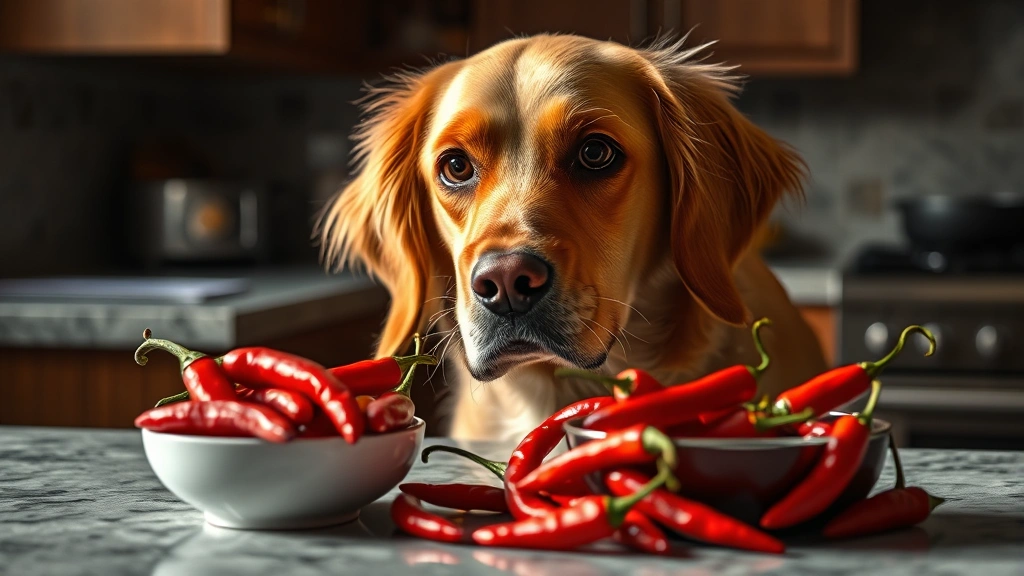
Can Dogs Eat Chili Peppers? Vet Advice on Spicy Foods
Chili peppers are a beloved ingredient in many cuisines, adding heat and flavor to countless dishes. But when you’re enjoying a spicy meal, your dog might give you those irresistible puppy-dog eyes, hoping for a taste. The question many pet owners ask is: can dogs safely eat chili peppers? The short answer is no—chili peppers are not safe for dogs and should be avoided entirely. Unlike some human foods that dogs can enjoy in moderation, chili peppers pose genuine health risks to our canine companions.
Understanding why chili peppers are problematic for dogs requires knowing how their digestive systems differ from ours. Dogs lack certain enzymes and have different tolerance levels for spicy compounds. This guide will explore the science behind why chili peppers are dangerous, what symptoms to watch for, and safer vegetable alternatives your dog can enjoy.

Why Chili Peppers Are Dangerous for Dogs
Chili peppers contain compounds that are fundamentally incompatible with canine digestive health. Dogs have different metabolic pathways than humans, meaning substances we tolerate easily can cause significant problems for them. The primary concern with chili peppers is their active ingredient: capsaicin.
Dogs’ taste buds are far less sensitive to spicy foods than humans, but this doesn’t mean they’re immune to capsaicin’s effects. In fact, this difference works against them—a dog won’t taste the heat and instinctively avoid the pepper, but they’ll still experience the compound’s irritating effects internally. The gastrointestinal tract of dogs is particularly sensitive to capsaicin, which can trigger inflammation and digestive distress.
Beyond capsaicin, chili peppers may contain other potentially problematic compounds. Some peppers are prepared with garlic, onions, or salt—all of which are toxic to dogs. Even plain chili peppers, without added seasonings, present enough risk that veterinarians universally recommend against feeding them to pets. The risk far outweighs any potential nutritional benefit.
According to the ASPCA Animal Poison Control Center, while chili peppers aren’t technically classified as toxic like chocolate or grapes, they consistently cause gastrointestinal upset in dogs. The organization recommends complete avoidance as a precautionary measure.
Understanding Capsaicin and Its Effects
Capsaicin is an alkaloid compound that creates the burning sensation associated with spicy peppers. It works by binding to pain receptors in mammals, which is why we feel heat when we eat peppers. For dogs, this mechanism creates unnecessary suffering with no nutritional benefit.
The concentration of capsaicin varies dramatically depending on the pepper type. Mild bell peppers contain virtually no capsaicin, while habaneros and ghost peppers contain extremely high levels. Chili peppers used in cooking typically fall in the middle-to-high range, making them particularly problematic for dogs. Even a small amount can cause irritation to a dog’s mouth, throat, and digestive system.
Research from veterinary toxicology databases shows that capsaicin irritates the mucous membranes lining the digestive tract. In dogs, this irritation can lead to vomiting, diarrhea, and abdominal pain. The severity depends on the amount consumed and the individual dog’s sensitivity. Smaller breeds and puppies are at higher risk for serious complications.
Unlike humans who can enjoy spicy foods occasionally and even build tolerance, dogs don’t have any mechanism for developing capsaicin tolerance. Each exposure causes the same irritating effect. This means there’s no safe “dose” of chili peppers for dogs—the safest amount is zero.
Vet’s Note: Some pet owners wonder if cooked chili peppers are safer than raw ones. Cooking doesn’t reduce capsaicin content significantly, so both raw and cooked chili peppers should be avoided.
Symptoms of Chili Pepper Toxicity in Dogs
If your dog accidentally consumes chili peppers, knowing the warning signs will help you respond quickly. Symptoms can appear within minutes to a few hours after ingestion, depending on the amount consumed and your dog’s individual sensitivity.
Immediate symptoms include:
- Excessive drooling or salivation
- Pawing at the mouth or face
- Whining or signs of discomfort
- Difficulty swallowing
- Red or irritated oral tissues
Gastrointestinal symptoms typically follow:
- Vomiting (sometimes with blood present)
- Diarrhea (often watery)
- Abdominal pain or cramping
- Lack of appetite
- Lethargy or unusual behavior
The severity of symptoms correlates with the quantity of chili pepper consumed and the individual dog’s tolerance. A tiny taste might cause mild mouth irritation, while consuming a significant amount could lead to severe gastrointestinal upset requiring veterinary intervention.
Certain dogs are at higher risk for severe reactions. Puppies, senior dogs, dogs with pre-existing digestive issues, and small breeds tend to experience more pronounced symptoms. If your dog has a history of food sensitivity or digestive problems, the risk is even greater.
What to Do If Your Dog Eats Chili Peppers
If you discover your dog has eaten chili peppers, stay calm and assess the situation. First, determine how much was consumed and whether it was plain chili pepper or contained other dangerous ingredients like garlic or onions.
Immediate steps:
- Remove any remaining chili peppers from your dog’s reach
- Contact your veterinarian or ASPCA Poison Control (888-426-4435) for guidance
- Monitor your dog closely for symptoms
- Have your dog’s weight and the amount consumed ready to share with your vet
- Avoid inducing vomiting unless specifically instructed by a veterinarian
Most cases of chili pepper ingestion in dogs resolve on their own with supportive care. Your veterinarian may recommend withholding food for a few hours to allow the digestive system to settle, followed by bland food like plain rice or boiled chicken. Ensuring your dog stays hydrated is crucial, especially if vomiting or diarrhea occurs.
For more severe cases, veterinary treatment might include IV fluids, anti-nausea medication, or other supportive care. This is why contacting a professional immediately is important—they can determine whether your specific dog needs treatment based on the amount consumed and any pre-existing health conditions.
Prevention is always better than treatment. Store chili peppers and spicy dishes securely away from your dog’s access. Be especially vigilant during meal preparation when peppers are out on counters or tables. Train family members and guests about what foods are off-limits for your dog.
Safe Vegetable Alternatives Your Dog Can Enjoy
The good news is that dogs can enjoy many vegetables that are both safe and nutritious. If you want to share healthy foods with your dog, there are plenty of excellent options that don’t pose any risk.
Safe raw vegetables include:
- Carrots – excellent for dental health and packed with beta-carotene
- Broccoli – nutritious in small amounts, high in vitamins C and K
- Corn – safe when removed from the cob, good source of carbohydrates
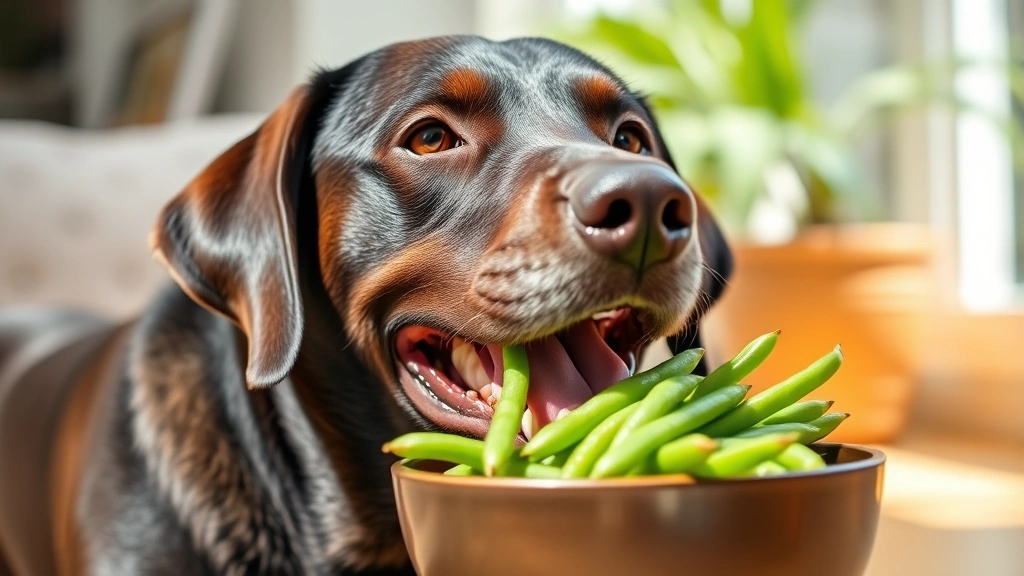
- Green beans – low calorie and full of fiber
- Pumpkin – excellent for digestive health
- Sweet potatoes – rich in vitamins and minerals
- Cucumbers – hydrating and low-calorie
When introducing any new vegetable to your dog’s diet, do so gradually and in small amounts. Some dogs may have individual sensitivities to certain vegetables, and a gradual introduction helps you identify any adverse reactions.
Bell peppers deserve special mention here. Unlike their spicy cousins, bell peppers (particularly red, yellow, and orange varieties) are completely safe for dogs in moderation. They contain minimal capsaicin and provide beneficial nutrients. However, remove all seeds and stems before offering them to your dog.
Remember that vegetables should only make up about 10% of your dog’s daily caloric intake. The bulk of their nutrition should come from high-quality dog food formulated to meet their specific nutritional needs. Consult your veterinarian about the appropriate amount of vegetables for your individual dog based on their age, size, and health status.
Foods to avoid alongside chili peppers include onions and garlic, which are toxic to dogs, and certain mushroom varieties that can cause serious illness.
FAQ
Can dogs eat mild chili peppers?
No, even mild chili peppers should be avoided. While they contain less capsaicin than hot varieties, they still irritate a dog’s digestive system. The risk isn’t worth any potential benefit, and there’s no truly “safe” level of chili pepper consumption for dogs.
What about chili pepper powder?
Chili powder is even more concentrated than whole peppers and should absolutely be avoided. A small amount of chili powder contains significant capsaicin that can cause severe gastrointestinal upset in dogs. Keep all spice containers secured away from your pet.
Is it okay if my dog ate a tiny piece of chili pepper?
A very small amount might only cause minor mouth irritation, which usually resolves quickly. However, monitor your dog closely for the next few hours for any signs of digestive upset. If symptoms develop or your dog seems uncomfortable, contact your veterinarian. When in doubt, it’s always better to call your vet than to wait and see.
Can dogs eat jalapeños?
No, jalapeños should be avoided. While they’re milder than some chili peppers, they still contain capsaicin that can upset your dog’s stomach. Additionally, jalapeños are often served with salt, garlic, or other seasonings that may be harmful to dogs.
Are there any health benefits of chili peppers for dogs?
While capsaicin has been studied for potential anti-inflammatory properties in humans, the irritation it causes to dogs’ digestive systems outweighs any potential benefits. Dogs receive all necessary nutrients from properly formulated dog food and safe vegetable options like carrots and broccoli.
What’s the difference between chili peppers and bell peppers for dogs?
Bell peppers contain virtually no capsaicin, making them safe for dogs in moderation. Chili peppers, by definition, contain significant amounts of capsaicin that irritate the digestive system. This fundamental difference makes bell peppers an acceptable occasional treat while chili peppers remain off-limits.
Should I induce vomiting if my dog eats chili peppers?
Do not induce vomiting without explicit instruction from a veterinarian. In some cases, inducing vomiting can cause more harm than good. Always contact your vet or poison control first—they’ll advise you on the best course of action based on your specific situation.
Can chili peppers cause long-term damage to dogs?
A single incident of chili pepper ingestion typically causes temporary discomfort but not permanent damage. However, repeated exposure could contribute to chronic digestive issues. Prevention through proper food storage and training is the best approach.





