
Can Dogs Eat Dill Weed? Vet Advice Inside
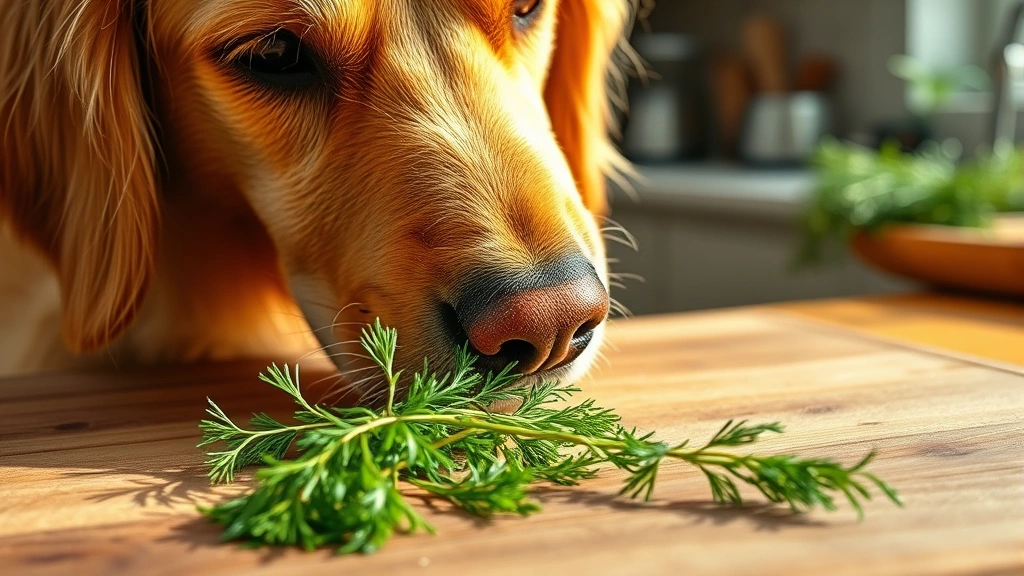
If you’re cooking with fresh herbs and your curious pup is eyeing your cutting board, you might wonder: can dogs eat dill weed? The good news is that dill weed is generally safe for dogs in moderation. Unlike some common kitchen herbs that pose serious health risks, dill is non-toxic and can even offer minor digestive benefits. However, there are important considerations about quantity, preparation, and when dill might not be appropriate for your furry friend.
Many pet owners unknowingly share human foods with their dogs without realizing the potential consequences. Understanding which herbs are safe helps you make informed decisions about your dog’s diet and prevents accidental poisoning. This comprehensive guide explores everything you need to know about dill weed for dogs, including safe serving methods, nutritional benefits, and when to contact your veterinarian.
Is Dill Weed Safe for Dogs?
Yes, dill weed is safe for dogs when given in appropriate amounts. The ASPCA’s comprehensive plant database confirms that dill is non-toxic to canines. This means you don’t need to panic if your dog accidentally nibbles on some dill from your kitchen garden or accidentally ingests a small amount from your dinner plate.
Dill weed—the feathery green leaves of the dill plant—differs from dill seeds, though both are generally safe. The herb contains no compounds known to be harmful to dogs’ digestive systems or overall health. Veterinarians commonly recommend dill as a safe culinary herb for canine consumption, making it an excellent choice when you want to add flavor or nutritional value to your dog’s meals.
However, “safe” doesn’t mean unlimited. Like any food outside a dog’s regular diet, dill should be introduced gradually and in moderation. Some dogs may have individual sensitivities or allergies to specific plants, so observation is key when introducing any new food.
Nutritional Benefits of Dill
Beyond being safe, dill weed offers several nutritional advantages for your canine companion. Fresh dill contains vitamins, minerals, and beneficial compounds that support overall health when incorporated thoughtfully into your dog’s diet.
Vitamins and Minerals: Dill provides vitamin A, which supports eye health and immune function. It also contains small amounts of calcium and manganese, both important for bone health and metabolism. These nutrients become particularly valuable for growing puppies and aging dogs who need extra nutritional support.
Digestive Support: Dill has traditionally been used to support digestive health in humans, and similar benefits may apply to dogs. The herb contains compounds that can help settle upset stomachs and promote healthy digestion. If your dog experiences occasional digestive discomfort, a small amount of dill might provide gentle relief.
Anti-inflammatory Properties: Research suggests dill contains compounds with mild anti-inflammatory effects. While not a replacement for veterinary care, these properties might help dogs with minor inflammation or joint discomfort, though scientific evidence in dogs specifically remains limited.
Breath Freshening: Interestingly, dill has natural properties that may help freshen breath. Some dog owners add small amounts of dill to their pets’ meals hoping to reduce bad breath, though proper dental care remains the primary solution for oral health.
How to Serve Dill to Your Dog
Preparation method matters significantly when offering dill to your dog. Fresh, plain dill is always the safest option, but there are several ways to incorporate it into your pet’s routine.
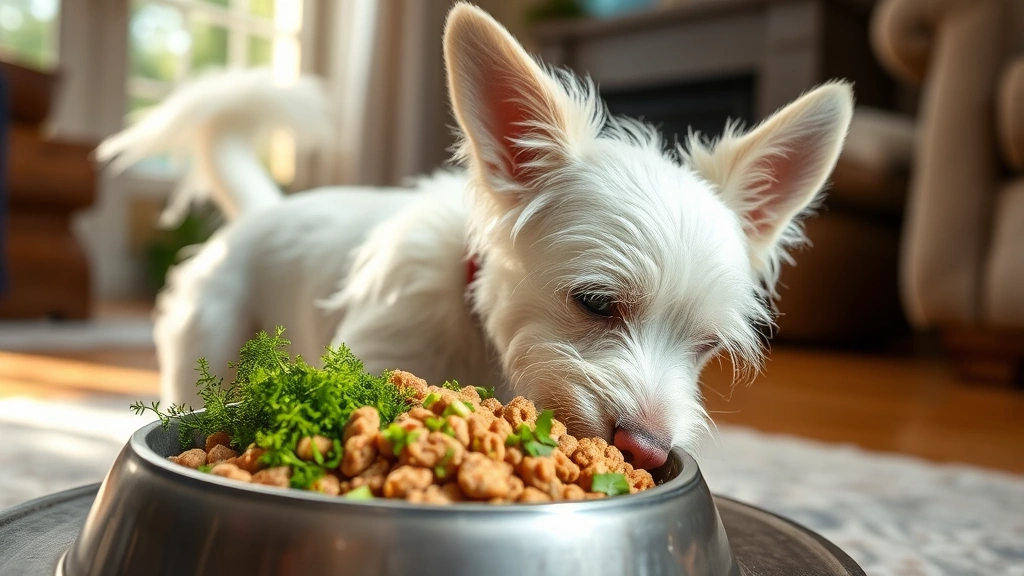
Fresh Dill in Meals: The simplest approach is adding finely chopped fresh dill directly to your dog’s regular food. Mix it thoroughly with their kibble or wet food to ensure even distribution. Start with just a small pinch to allow your dog’s digestive system to adjust.
Dill-Infused Treats: You can create homemade dog treats that incorporate dill. Mix finely chopped dill with dog-safe ingredients like pumpkin, sweet potato, or chicken broth, then freeze in ice cube trays for refreshing snacks. These work particularly well for dogs who need digestive support during warm weather.
Dill and Vegetables: Combine dill with other dog-safe vegetables like broccoli or carrots for added nutrition. The variety provides different textures and nutrients while keeping meals interesting. Ensure all vegetables are cut into appropriate sizes to prevent choking hazards.
Avoid Processed Dill Products: Never give your dog dill from processed foods, pickles, or dishes seasoned with garlic and onions. These preparations often contain ingredients toxic to dogs. Always use plain, fresh dill without additional seasonings or preservatives.
Portion Guidelines and Frequency
Understanding appropriate portions prevents digestive upset and ensures your dog enjoys dill’s benefits safely. The amount depends on your dog’s size, age, and overall health status.
General Serving Sizes: For small dogs (under 25 pounds), offer no more than 1/4 teaspoon of finely chopped fresh dill per day. Medium dogs (25-50 pounds) can have up to 1/2 teaspoon daily, while large dogs (over 50 pounds) may tolerate up to 1 teaspoon. These amounts should be incorporated into meals rather than given as standalone treats.
Frequency: Offer dill 2-3 times per week rather than daily. This frequency provides nutritional benefits without overwhelming your dog’s digestive system. Think of dill as an occasional supplement to their regular diet rather than a dietary staple.
Puppies and Senior Dogs: Young puppies have more sensitive digestive systems, so start with even smaller amounts—just a tiny pinch mixed into food. Senior dogs may benefit from slightly increased portions if they experience digestive issues, but always consult your veterinarian before making dietary changes for aging pets.
Health Conditions: Dogs with existing kidney disease, urinary issues, or certain digestive conditions may need to avoid dill entirely. Always discuss new foods with your vet if your dog has underlying health concerns.
Potential Risks and Concerns
While dill is generally safe, several situations warrant caution or avoidance entirely.
Digestive Upset: Some dogs may experience mild gastrointestinal upset when first introduced to dill. Symptoms include loose stools, vomiting, or decreased appetite. If these occur, discontinue dill and contact your veterinarian if symptoms persist beyond 24 hours.
Allergic Reactions: Though rare, some dogs may have allergies to dill or related plants. Signs of allergic reaction include itching, swelling around the mouth or face, difficulty breathing, or hives. Seek immediate veterinary attention if you suspect an allergic response.
Choking Hazard: Large pieces of dill can pose choking risks, particularly for enthusiastic eaters or dogs prone to gulping food without chewing. Always chop dill finely and mix it thoroughly with other foods.
Pesticide Contamination: Non-organic dill may carry pesticide residues. Wash fresh dill thoroughly under running water before offering it to your dog. When possible, choose organic dill or grow your own in a pesticide-free garden.
Medication Interactions: Dill may interact with certain medications, particularly blood thinners or diabetes medications. If your dog takes prescription medications, consult your veterinarian before introducing dill regularly.
Dill Weed vs. Dill Seeds
Understanding the difference between dill weed and dill seeds helps you make appropriate choices for your dog.
Dill Weed: The feathery green leaves used in cooking, dill weed is mild-flavored and safe for dogs in small amounts. It’s the part most commonly available fresh at grocery stores and is ideal for canine consumption due to its lower concentration of essential oils.
Dill Seeds: These small, hard seeds come from mature dill plants and have a stronger flavor than the weed. While technically non-toxic, dill seeds contain higher concentrations of essential oils and may cause digestive upset more readily than dill weed. The hard texture also poses potential choking or intestinal blockage risks, particularly for small dogs. Most veterinarians recommend avoiding dill seeds for canine consumption.
Dill Essential Oil: Never give your dog dill essential oil. Concentrated essential oils are far too potent for canine systems and can cause serious toxicity. Stick exclusively to fresh dill weed when offering dill to your pet.
Other Safe Herbs for Dogs
If your dog enjoys dill, several other herbs offer similar safety profiles and potential benefits. Understanding which herbs are safe expands your options for enhancing your dog’s meals nutritionally.
Parsley: Like dill, fresh parsley is safe for dogs in small amounts and may help freshen breath. Avoid curly parsley if your dog has kidney issues, and never use parsley seed or essential oil.
Basil: Fresh basil is safe and non-toxic to dogs. It contains antioxidants and anti-inflammatory compounds. Offer only the fresh herb, never essential oil.
Turmeric: This powerful anti-inflammatory herb is safe for dogs and increasingly recommended by holistic veterinarians. Mix small amounts into food, particularly for dogs with joint discomfort or arthritis.
Ginger: Fresh ginger can help with nausea and digestive upset. Offer only small amounts of fresh ginger, never dried or powdered forms.
Rosemary: While safe in small amounts, some sources recommend limiting rosemary for dogs with seizure disorders. Consult your vet if your dog has neurological conditions.
Herbs to Avoid: Never give your dog certain foods that seem safe but aren’t. Garlic, onions, chives, and leeks are toxic to dogs. Thyme, oregano, and sage should also be avoided or used extremely sparingly.
FAQ
Can dogs eat dill pickles?
No, dill pickles are not recommended for dogs. While the dill itself is safe, pickles contain high sodium levels and vinegar that can upset your dog’s digestive system. The brine used in pickling may also contain garlic or onions, which are toxic to dogs. Stick to fresh dill only.
Is dill toxic to dogs in any form?
Fresh dill weed is non-toxic to dogs. However, dill essential oil, dill seeds in large quantities, and dill from processed foods (especially pickles) should be avoided. Always use plain, fresh dill without added seasonings.
Can dill help my dog’s bad breath?
Dill may provide minor breath-freshening benefits due to its natural properties, but it’s not a substitute for proper dental care. Regular teeth brushing, dental chews, and professional cleanings remain the most effective solutions for canine bad breath. Consult your vet if your dog has persistent bad breath, as it may indicate underlying dental disease.
How do I know if my dog is allergic to dill?
Watch for signs of allergic reaction including itching, skin rashes, facial swelling, vomiting, or difficulty breathing after introducing dill. Most dogs tolerate dill well, but allergies to specific plants do occur. Start with tiny amounts and observe your dog for 24-48 hours before increasing portions.
Can I give my dog dill every day?
While dill is safe, daily consumption isn’t necessary and may overwhelm your dog’s digestive system. Offering dill 2-3 times weekly in appropriate portions provides nutritional benefits without excessive exposure. Variety in your dog’s diet remains important for balanced nutrition.
What should I do if my dog ate a large amount of dill?
If your dog consumed a large quantity of fresh dill, monitor them closely for digestive upset. Most likely, they’ll experience minor gastrointestinal discomfort that resolves within 24 hours. Contact your veterinarian if your dog shows severe symptoms like persistent vomiting, inability to eat, or signs of distress. If they consumed dill essential oil or dill seeds in significant quantities, seek immediate veterinary attention.
Are there any breeds that shouldn’t eat dill?
Dill is safe for all dog breeds when given in appropriate portions. However, breeds prone to gastrointestinal sensitivity (like German Shepherds or Boxers) may need to start with smaller amounts. Senior dogs and puppies should also receive reduced portions. Individual health status matters more than breed when determining appropriate dill amounts.
Can I grow dill in my dog’s garden?
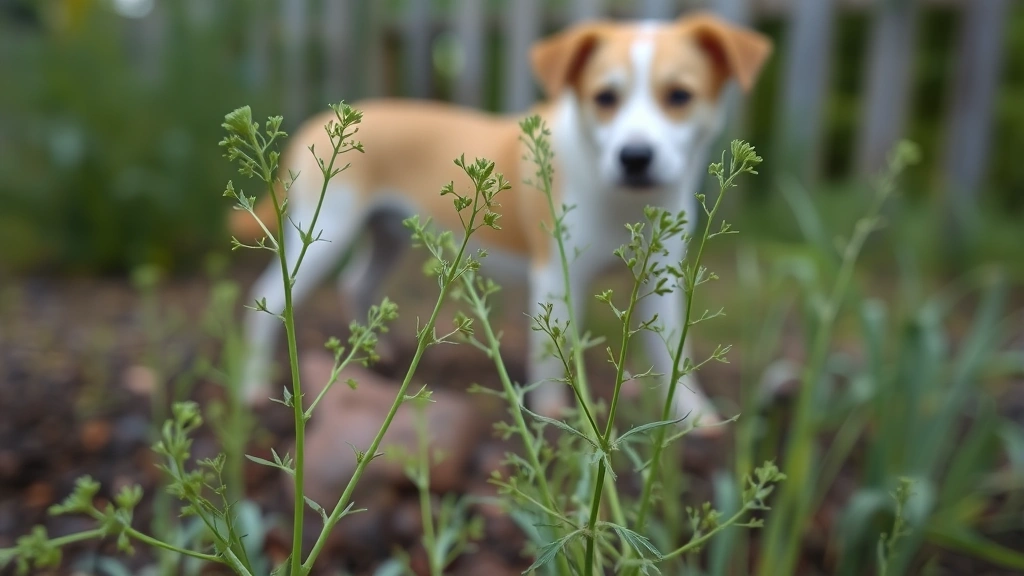
Yes, growing dill in a dog-safe garden is an excellent idea. Fresh dill from your garden ensures no pesticide contamination. However, prevent your dog from eating large quantities by supervising garden access. A small amount of fresh dill from the garden is perfectly safe and pesticide-free.
How does dill compare to other dog-safe vegetables like corn?
Dill offers different nutritional benefits than corn or rice. While corn provides carbohydrates and fiber, dill offers vitamins, minerals, and potential digestive support. Both are safe options, and variety in your dog’s diet supports overall health. You might combine dill with other vegetables or grains for well-rounded nutrition.
What about dill in commercial dog foods?
Some premium dog food brands include dill or other herbs in their formulations. These products have been safety-tested and use appropriate amounts. If your dog’s commercial food contains dill, don’t add extra dill as treats to avoid excessive consumption.





