
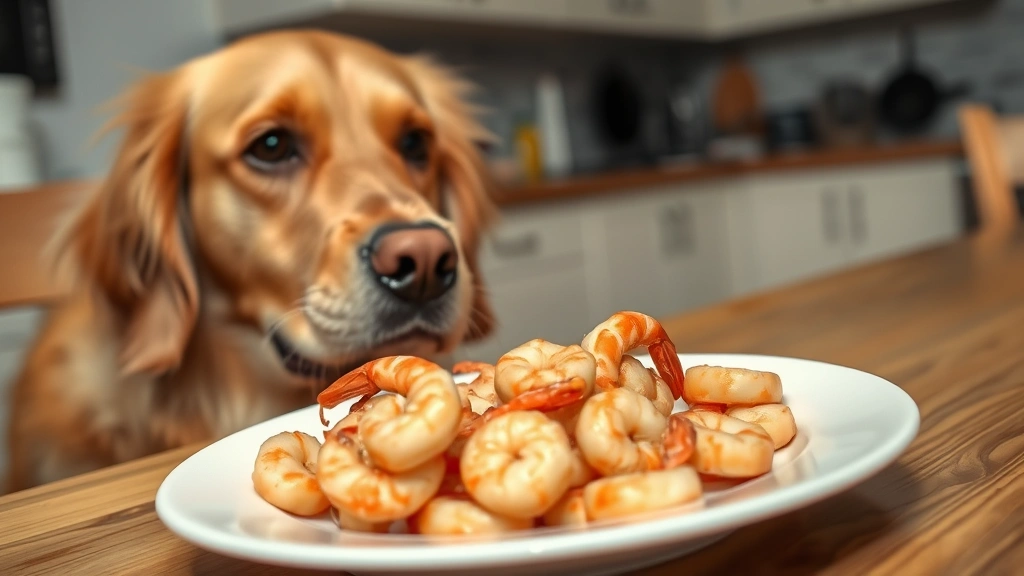
Can Dogs Eat Fried Shrimp? Complete Vet-Backed Guide
If you’re enjoying a plate of crispy fried shrimp and your dog is giving you those irresistible puppy-dog eyes, you might wonder if sharing a bite is safe. Fried shrimp is a popular seafood appetizer for humans, but when it comes to our canine companions, the answer isn’t as straightforward as a simple yes or no. While shrimp itself can be a nutritious protein source for dogs, the frying process and common seasonings introduce several concerns that veterinarians want pet owners to understand.
The key question isn’t whether dogs can eat shrimp—they can, in moderation and when prepared properly—but rather whether fried shrimp specifically is a good choice for your furry friend. Understanding the differences between raw, cooked, and fried preparations, along with the potential health risks, will help you make informed decisions about your dog’s diet and keep your pup healthy and happy.
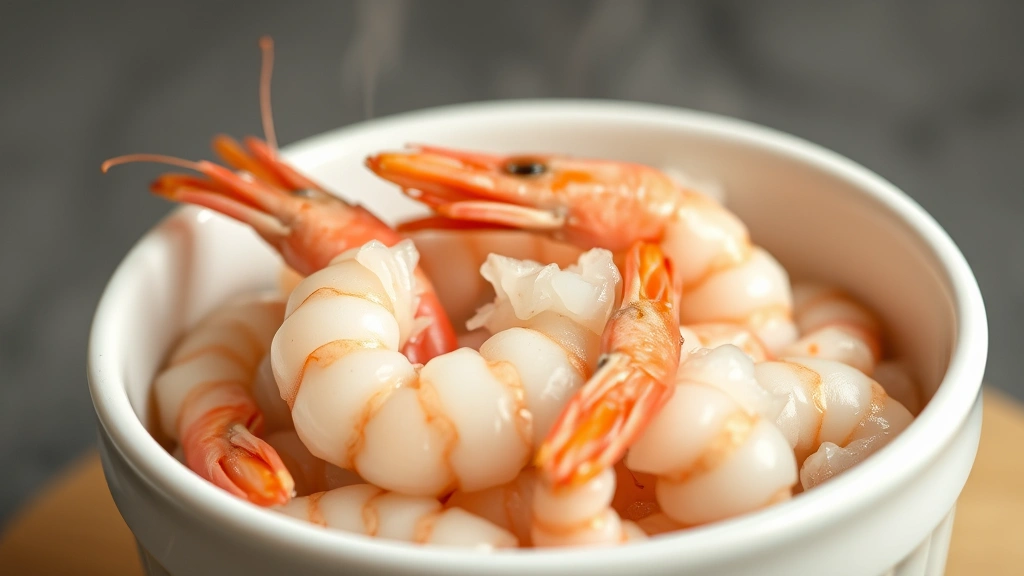
Can Dogs Eat Fried Shrimp Safely?
The short answer is: fried shrimp is not recommended for dogs, even though plain, cooked shrimp can be given occasionally as a treat. The frying process significantly changes the nutritional profile and introduces elements that aren’t ideal for canine health. When shrimp is deep-fried, it absorbs large amounts of oil and often comes coated with seasoning blends that may contain ingredients harmful to dogs, such as garlic, onion powder, or excessive salt.
According to the American Kennel Club (AKC), dogs have different dietary requirements than humans, and foods high in fat and sodium can lead to digestive upset and other health complications. A single piece of fried shrimp occasionally might not cause immediate harm to a healthy adult dog, but regular consumption or large quantities pose genuine risks.
The safest approach is to avoid giving your dog fried shrimp altogether and instead opt for plain, boiled or steamed shrimp without any added seasonings. This way, your dog can enjoy the protein benefits of shrimp without the potential dangers associated with deep frying and commercial seasoning blends.

Nutritional Value of Shrimp for Dogs
Shrimp, when prepared properly, offers several nutritional benefits for dogs. Plain shrimp is rich in protein, which is essential for muscle development and maintenance. It’s also an excellent source of omega-3 fatty acids, which support skin health, coat shine, and can help reduce inflammation in aging dogs. Additionally, shrimp contains important minerals like zinc, selenium, and phosphorus.
However, these nutritional advantages are significantly compromised when shrimp is fried. The frying process adds excessive calories and fat content, which can contribute to weight gain and obesity in dogs. For dogs with pancreatitis or those prone to digestive issues, high-fat foods are particularly problematic. The coating and oil absorption during frying also dilute the beneficial aspects of the shrimp itself.
When considering protein sources for your dog, remember that their primary nutrition should come from high-quality commercial dog food formulated to meet their specific age and health needs. Treats and table foods should comprise no more than 10% of their daily caloric intake, according to veterinary nutritionists. If you want to include shrimp in your dog’s diet, preparation method is crucial—boiled or steamed versions without seasoning are far superior to fried alternatives.
Health Risks Associated with Fried Shrimp
Fried shrimp presents several health concerns for dogs that responsible pet owners should understand:
- High Fat Content: Deep frying adds substantial amounts of oil, which can cause pancreatitis, a serious inflammatory condition of the pancreas. This is especially dangerous for breeds predisposed to pancreatic issues.
- Excessive Sodium: Fried shrimp, particularly from restaurants, often contains high levels of salt and seasoning. Dogs require far less sodium than humans, and excess salt can lead to dehydration, electrolyte imbalances, and increased thirst.
- Harmful Seasonings: Many fried shrimp recipes include garlic, onion powder, or other alliums that are toxic to dogs. Even in small quantities, these can damage red blood cells and cause hemolytic anemia.
- Digestive Upset: The rich, greasy nature of fried foods can cause vomiting, diarrhea, and abdominal discomfort in dogs with sensitive stomachs.
- Choking Hazard: Hard, crispy coatings can splinter or cause choking if not chewed properly, particularly in enthusiastic eaters or small breed dogs.
- Allergic Reactions: While shellfish allergies are less common in dogs than in humans, some dogs may experience itching, hives, or more severe reactions to shrimp.
According to the ASPCA, any food containing garlic or onion should never be given to dogs under any circumstances. This makes many commercial fried shrimp preparations unsafe, as these seasonings are standard ingredients in restaurant and packaged versions.
Safe Ways to Prepare Shrimp for Dogs
If you want to offer your dog shrimp as an occasional treat, proper preparation is essential. Boiling shrimp in plain water is the safest method. Simply place raw shrimp in unsalted, boiling water for 2-3 minutes until they turn pink, then cool completely before serving. Remove the shell and tail to prevent choking hazards, and cut larger shrimp into appropriate sizes for your dog’s mouth.
Steaming is another excellent option that preserves nutrients while avoiding added fats. Place shrimp in a steamer basket over boiling water for 3-4 minutes. Again, ensure they’re completely cooled and properly prepared before offering to your dog.
You can also lightly pan-sear shrimp in a small amount of water or low-sodium broth, but avoid any oil or butter. Never add salt, garlic, onion, or any seasonings—your dog won’t miss the flavoring, and their health is more important than taste preferences.
If you’re looking for other healthy protein-based treats, consider exploring can dogs eat cheese or checking out can dogs eat rice for grain-based options that complement protein sources well.
Portion Guidelines and Frequency
Even plain, properly prepared shrimp should only be given occasionally and in small quantities. A good rule of thumb is to offer shrimp as an infrequent treat, no more than once or twice per month for most dogs. The portion size should be tiny—typically just one to three small shrimp pieces, depending on your dog’s size.
For small breed dogs (under 20 pounds), one small shrimp piece is sufficient. Medium breed dogs (20-50 pounds) can have two to three small pieces, and large breed dogs (over 50 pounds) might have up to four to five pieces on occasion. These amounts ensure your dog enjoys the treat without consuming excessive protein or fat that could upset their digestive system.
Always introduce any new food gradually. Start with a tiny piece and wait 24-48 hours to monitor for any adverse reactions before offering more. This cautious approach helps identify potential allergies or sensitivities before they cause serious problems.
Remember that treats should never exceed 10% of your dog’s daily caloric intake. If you’re giving shrimp treats, you should reduce other treat portions accordingly to maintain balanced nutrition. Consult your veterinarian about appropriate treat quantities for your specific dog, especially if your pet has underlying health conditions.
Signs of Allergic Reactions or Digestive Issues
After giving your dog shrimp for the first time, watch carefully for signs of adverse reactions. Common symptoms of allergies or digestive upset include:
- Vomiting or retching
- Diarrhea or loose stools
- Excessive itching or scratching
- Hives or skin rashes
- Swelling of the face, lips, or tongue
- Difficulty breathing or wheezing
- Lethargy or unusual behavior
- Loss of appetite
- Abdominal pain or bloating
If you notice any of these symptoms after your dog has eaten shrimp, contact your veterinarian immediately. Severe allergic reactions requiring emergency care are rare but possible. Milder digestive upset typically resolves within 24-48 hours with rest and a bland diet, but professional guidance is always recommended.
Dogs with a history of food sensitivities, digestive disorders, or pancreatitis should avoid shrimp entirely unless specifically approved by their veterinarian. For these dogs, exploring alternatives like can dogs eat broccoli or are carrots good for dogs might provide safer treat options.
Alternatives to Fried Shrimp
If you’re looking for healthy, protein-rich treats for your dog that don’t carry the risks associated with fried shrimp, several excellent alternatives exist:
- Plain Cooked Chicken: Boiled or grilled chicken breast without skin or seasoning is an excellent, lean protein source that most dogs love.
- Plain Cooked Turkey: Similar to chicken, turkey offers lean protein and can be a nice occasional treat.
- Eggs: Cooked eggs (scrambled or boiled) provide complete protein and are generally well-tolerated by dogs.
- Plain Cooked Fish: Salmon or cod (without bones) offer omega-3 fatty acids similar to shrimp, with less risk when properly prepared.
- Vegetables: can dogs eat corn, and other vegetables like green beans, sweet potato, and pumpkin make nutritious, low-calorie treats.
- Commercial Dog Treats: Choose high-quality, veterinarian-approved treats formulated specifically for canine nutrition.
Many of these alternatives provide similar nutritional benefits to shrimp while being safer and more appropriate for regular treat rotation. Variety in treat selection keeps your dog interested while ensuring balanced nutrition.
FAQ
Is plain boiled shrimp safe for dogs?
Yes, plain boiled shrimp without any seasoning, salt, or additives is generally safe for dogs in small quantities. However, it should only be offered occasionally as a treat, not as a regular part of their diet. Always remove the shell and tail, cut into appropriate sizes, and ensure the shrimp is completely cooled before serving. If your dog has never eaten shrimp before, introduce it gradually and monitor for allergic reactions.
What if my dog ate fried shrimp from a restaurant?
If your dog consumed a small amount of fried shrimp as an accidental one-time incident, it’s unlikely to cause serious harm. Monitor your dog closely for the next 24-48 hours for signs of digestive upset like vomiting or diarrhea. If symptoms develop or your dog seems unwell, contact your veterinarian. To prevent future incidents, keep fried foods out of reach and educate family members about not feeding table scraps to pets.
Can dogs eat shrimp shells?
No, dogs should not eat shrimp shells. Shells pose a choking hazard and can cause intestinal blockages if swallowed. They may also splinter and cause internal injuries. Always remove the entire shell and tail before offering shrimp to your dog, regardless of preparation method.
Are frozen shrimp safe for dogs?
Frozen shrimp can be safe for dogs if they’re plain and unseasoned. Thaw them completely at room temperature or in the refrigerator, then prepare them as you would fresh shrimp—by boiling or steaming without any additives. Avoid commercially frozen shrimp with added seasonings or sauces. Check the label carefully to ensure no harmful ingredients were added during processing.
How often can I give my dog shrimp?
Plain, properly prepared shrimp should be limited to occasional treats—no more than once or twice per month for most healthy adult dogs. Portion sizes should be very small (one to three pieces depending on dog size). Always ensure treats comprise no more than 10% of your dog’s daily caloric intake. Consult your veterinarian about appropriate frequency for your specific dog’s age, size, and health status.
Why is garlic in fried shrimp dangerous for dogs?
Garlic, along with onions and other alliums, contains compounds called thiosulfates that damage dogs’ red blood cells and cause hemolytic anemia. This is true whether the garlic is fresh, cooked, powdered, or in any other form. Even small amounts can be harmful, which is why any food containing garlic or onion should never be given to dogs. Many fried shrimp recipes include garlic powder, making them unsuitable for canine consumption.
What should I do if my dog shows allergic symptoms after eating shrimp?
Contact your veterinarian immediately if your dog shows signs of allergic reaction such as facial swelling, difficulty breathing, hives, or severe itching. For mild symptoms like occasional vomiting or loose stools, monitor your dog closely and offer a bland diet. If symptoms persist beyond 24-48 hours or worsen, seek professional veterinary care. Keep a record of what your dog ate and any symptoms that develop to help your vet make an accurate diagnosis.





