
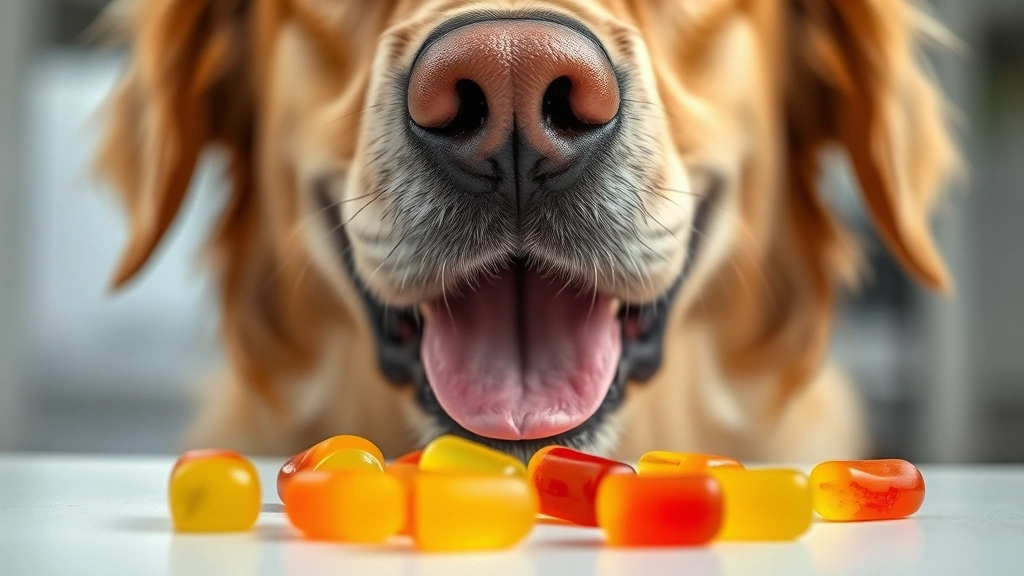
Can Dogs Eat Gummies? Vet Advice Inside
Gummies are a beloved treat for humans—colorful, chewy, and satisfying. But what happens when your curious canine companion spots you enjoying a handful? The question “can dogs eat gummies?” is one that responsible pet owners frequently ask, and the answer isn’t always straightforward. While some gummies might seem harmless, others contain ingredients that can pose serious health risks to your furry friend.
Understanding which gummies are safe and which are dangerous is essential for keeping your dog healthy and happy. This comprehensive guide will walk you through everything you need to know about gummies and dogs, including what makes certain gummies problematic, which ingredients to avoid, and what safe alternatives you can offer your pup instead.
Can Dogs Eat Gummies?
The short answer is: most gummies are not safe for dogs. While a single gummy accidentally dropped on the floor is unlikely to cause immediate harm to a large dog, gummies are not formulated with canine nutritional needs in mind and can contain several problematic ingredients. The risks vary depending on the type of gummy, the quantity consumed, and your individual dog’s size and health status.
Commercial gummies designed for human consumption often contain sweeteners, flavorings, colorings, and other additives that can be toxic to dogs. Even “natural” or “organic” gummies may pose risks. The most critical concern is the potential presence of xylitol, an artificial sweetener that is extremely dangerous for dogs.
If you’re wondering whether specific gummies are safe, it’s essential to check the ingredient list carefully. Some gummies made specifically for dogs do exist and can be appropriate treats, but standard human gummies should be kept out of reach of your pet. Always err on the side of caution and consult your veterinarian if your dog consumes gummies.
The Xylitol Danger
Xylitol is a sugar alcohol commonly used as a sweetener in sugar-free gummies and candies. According to the ASPCA Animal Poison Control Center, xylitol is highly toxic to dogs and can cause serious health consequences even in small amounts.
When a dog ingests xylitol, it rapidly absorbs into the bloodstream and triggers a massive release of insulin from the pancreas. This sudden insulin surge causes a dangerous drop in blood glucose levels, leading to a condition called hypoglycemia. Symptoms of xylitol poisoning in dogs include:
- Vomiting and diarrhea
- Lethargy and weakness
- Loss of coordination and tremors
- Seizures
- Collapse and loss of consciousness
The severity of symptoms depends on the amount of xylitol consumed and your dog’s weight. As little as 0.1 grams of xylitol per kilogram of body weight can cause hypoglycemia in dogs. For a 10-pound dog, consuming just a few sugar-free gummies could potentially be dangerous.
Beyond the immediate hypoglycemic effects, xylitol can also cause liver damage and hepatic failure in dogs. This delayed toxicity can develop within 24 to 72 hours after ingestion. If you suspect your dog has eaten xylitol-containing products, seek veterinary care immediately. Time is critical in these cases, and your veterinarian may induce vomiting or administer activated charcoal to prevent absorption.

Other Harmful Ingredients in Gummies
While xylitol is the most dangerous ingredient in gummies for dogs, other components can also pose health risks. Understanding these ingredients helps you make informed decisions about what treats to offer your pet.
Chocolate-flavored gummies: If the gummies contain real chocolate or cocoa, they can be toxic to dogs. Chocolate contains theobromine and caffeine, both of which can cause vomiting, diarrhea, rapid heart rate, tremors, and seizures in dogs. Dark chocolate is particularly dangerous.
Macadamia nuts: Some gummy products contain macadamia nuts or are made with macadamia nut oil. These nuts are toxic to dogs and can cause weakness, depression, vomiting, tremors, and hyperthermia.
Raisins and grapes: Certain gummy products contain grape or raisin flavoring or actual dried grapes. Grapes and raisins are well-documented toxins for dogs and can cause acute kidney failure. Even a small number of grapes can be harmful to some dogs.
Artificial colorings: While not immediately toxic, artificial food dyes used in brightly colored gummies may trigger allergic reactions or sensitivities in some dogs. Red dye #40, yellow #5, and yellow #6 have been associated with behavioral issues and allergic reactions in sensitive pets.
Caffeine: Some gummies, particularly those with coffee or tea flavoring, may contain caffeine. Dogs are sensitive to caffeine and can experience increased heart rate, restlessness, and potentially dangerous cardiac arrhythmias from even small amounts.
Sugar and Obesity Concerns
Beyond toxic ingredients, the high sugar content in most gummies presents significant health concerns for dogs. Dogs don’t require added sugars in their diet, and excessive sugar consumption can lead to several health problems.
Dental health: Sugar feeds harmful bacteria in the mouth, leading to plaque buildup, tartar formation, and tooth decay. Dogs fed high-sugar treats are at increased risk for dental disease, which can eventually lead to tooth loss and infections.
Obesity: Gummies are calorie-dense with minimal nutritional value. Regular consumption of sugary treats contributes to weight gain and obesity in dogs. Overweight dogs face increased risk of diabetes, joint problems, heart disease, and reduced lifespan.
Diabetes: High sugar intake can lead to insulin resistance and diabetes in dogs, particularly in older or genetically predisposed individuals. Once a dog develops diabetes, managing the condition requires lifelong medication and dietary management.
Digestive upset: The high sugar content and artificial ingredients in gummies can cause gastrointestinal distress, including diarrhea and vomiting, especially in dogs with sensitive stomachs.
A better approach is to limit treats to no more than 10% of your dog’s daily caloric intake and choose options that provide nutritional value rather than empty calories.

Safe Gummy Alternatives for Dogs
If you want to give your dog a chewy treat similar to gummies, there are safer options available. Many alternatives provide nutritional benefits while satisfying your dog’s desire for something tasty.
Dog-specific gummies: Several pet companies manufacture gummies formulated specifically for dogs. These products are made without xylitol and other toxic ingredients. Common varieties include supplements for joint health, dental care, or coat quality. Always check the label and choose products from reputable manufacturers.
Freeze-dried treats: Freeze-dried meat, fish, and organ treats provide a chewy texture without the sugar and artificial ingredients found in human gummies. These are nutrient-dense and satisfy dogs’ natural carnivorous instincts.
Dental chews: Purpose-designed dental chews help clean teeth while providing a satisfying chewing experience. Look for products approved by the AAFCO (Association of American Feed Control Officials) or the VOHC (Veterinary Oral Health Council).
Natural fruit and vegetable treats: Many fruits and vegetables are safe for dogs and make excellent low-calorie treats. Dogs can eat carrots, which provide crunchiness similar to gummies. Broccoli in small amounts is also safe. Always introduce new foods gradually and ensure they don’t comprise more than 10% of daily calories.
Peanut butter treats: Unsweetened, xylitol-free peanut butter is safe for most dogs and can be frozen for a longer-lasting treat. You can spread a small amount on a toy or freeze it in ice cube trays.
Homemade treats: Making your own dog treats gives you complete control over ingredients. Simple recipes using plain pumpkin, peanut butter, oats, and bananas create nutritious alternatives to commercial gummies.
When selecting treats, remember that they should complement, not replace, your dog’s balanced diet. Consult your veterinarian about appropriate treat options for your specific dog.
What to Do If Your Dog Eats Gummies
Accidents happen, and your dog might manage to snatch a gummy from the counter or find one on the ground. Here’s what you should do if this occurs.
Stay calm: One gummy is unlikely to cause serious harm to most dogs, especially larger breeds. However, this doesn’t mean you should ignore the situation.
Identify the gummy type: If possible, determine what kind of gummy your dog ate. Check the package for ingredients, particularly looking for xylitol, chocolate, macadamia nuts, grapes, or raisins.
Note the quantity: How many gummies did your dog eat? The amount matters significantly in determining risk level. A single gummy is far less concerning than an entire bag.
Consider your dog’s size: A gummy that poses minimal risk to a 70-pound German Shepherd could be more problematic for a 5-pound Chihuahua.
Contact your veterinarian: Call your veterinarian or the ASPCA Poison Control Center (888-426-4435) immediately if the gummies contained xylitol or other known toxins. Provide information about the quantity consumed and your dog’s weight. They can assess the risk and recommend appropriate action.
Watch for symptoms: Monitor your dog closely for signs of poisoning over the next 24 to 72 hours. Symptoms to watch for include vomiting, diarrhea, lethargy, loss of coordination, seizures, or unusual behavior. Seek immediate veterinary care if any of these symptoms develop.
Bring the package: If you do visit the veterinarian, bring the gummy package so they can review the exact ingredients.
FAQ
Are gummy vitamins safe for dogs?
Gummy vitamins formulated specifically for dogs may be safe when given as directed, but they should only be used under veterinary guidance. Human gummy vitamins often contain xylitol or excessive sugar and should never be given to dogs. Always consult your veterinarian before supplementing your dog’s diet with any product.
What about sugar-free gummies for dogs?
Sugar-free gummies designed for dogs and made without xylitol can be appropriate occasional treats. However, read labels carefully, as some sugar-free products may still contain other problematic ingredients. Standard human sugar-free gummies are likely to contain xylitol and should be avoided entirely.
Can dogs eat gummy bears?
Standard gummy bears are not recommended for dogs due to their high sugar content and potential for containing xylitol or other additives. However, a single gummy bear accidentally consumed by a large dog is unlikely to cause serious harm. Small dogs or consumption of multiple gummies presents greater risk.
How much xylitol is toxic to dogs?
Xylitol toxicity in dogs is dose-dependent. Doses of 0.1 grams per kilogram of body weight can cause hypoglycemia. For reference, a 10-pound dog could experience toxicity from as little as 0.45 grams of xylitol. A single sugar-free gummy may contain 0.5-1 gram of xylitol, making it potentially dangerous for small dogs.
What should I feed my dog instead of gummies?
Better treat options include corn in moderation, unsweetened peanut butter, plain cooked chicken, freeze-dried meat treats, and safe fruits and vegetables. Certain mushrooms are also safe, though always verify with your veterinarian first. Avoid onions and similar toxic foods.
Are there any gummies completely safe for dogs?
Gummies specifically formulated for dogs and made by reputable pet food companies can be safe when used as directed. These products are tested for safety and don’t contain xylitol or other toxic ingredients. Always purchase from established brands and verify ingredients with your veterinarian.





