
Are Hash Browns Safe for Dogs? Vet Advice
Hash browns are a beloved breakfast staple for many people, but when your furry friend gives you those irresistible puppy-dog eyes at the breakfast table, you might wonder: can dogs eat hash browns? The answer isn’t as straightforward as a simple yes or no. While plain, unseasoned hash browns in small amounts may not be immediately toxic, they present several nutritional and health concerns that pet owners should understand before sharing this crispy breakfast treat with their canine companions.
As a responsible dog owner, it’s crucial to understand what ingredients go into hash browns and how they might affect your dog’s digestive system and overall health. This comprehensive guide will break down the safety concerns, explain the potential risks, and provide you with practical alternatives that your dog will love just as much. By the end, you’ll have all the information you need to make informed decisions about your dog’s diet.
What Are Hash Browns Made Of?
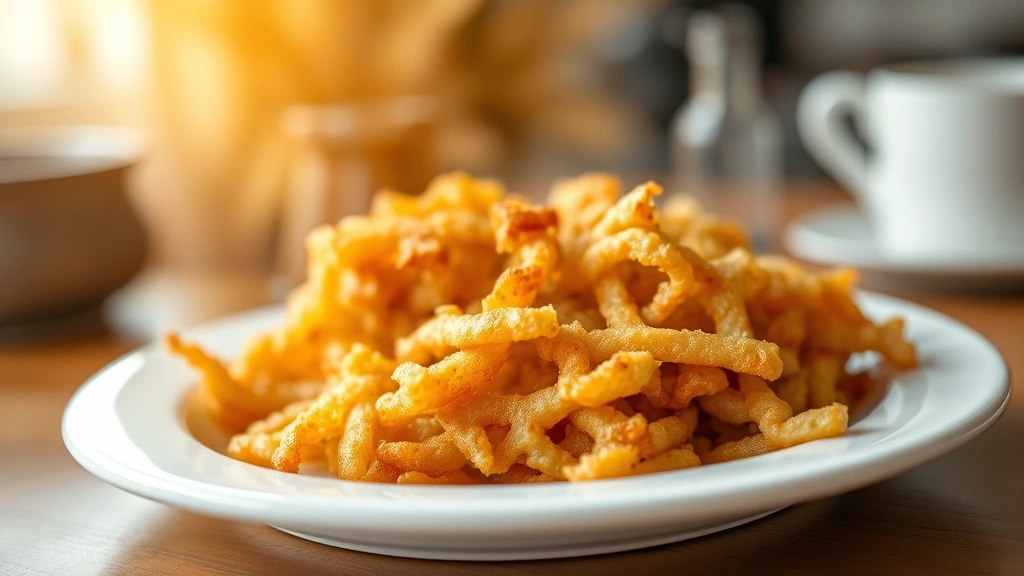
Hash browns are essentially shredded or diced potatoes that are pan-fried in oil or butter until they achieve that golden, crispy exterior. The basic ingredient list sounds innocent enough: potatoes, oil, and salt. However, the preparation method and additional ingredients commonly added to restaurant and packaged versions of hash browns can create a nutritional nightmare for your dog.
Potatoes themselves aren’t inherently dangerous for dogs. Cooked, plain potatoes without skin can be offered to dogs in moderation as part of a balanced diet. The problem arises when potatoes are transformed into hash browns through deep frying or pan frying with excessive amounts of oil and salt. Additionally, many commercially prepared hash browns contain additives, preservatives, and seasonings that can harm your dog’s health.
Understanding the composition of hash browns is the first step in determining whether they’re appropriate for your canine companion. When you break down the ingredients and preparation methods, you’ll quickly see why veterinarians generally recommend avoiding this food for dogs.
Plain Hash Browns vs. Prepared Hash Browns
There’s a significant difference between a homemade hash brown made with just potatoes and a minimal amount of oil, and the hash browns you’d get at a restaurant or from a frozen package. If you’ve prepared plain hash browns at home using only potatoes and a small amount of oil with no added salt or seasonings, a small taste for your dog would likely cause no immediate harm. However, this is quite different from commercial varieties.
Restaurant hash browns are typically prepared in industrial fryers using large quantities of oil and are heavily salted. Frozen hash browns from grocery stores often contain added ingredients like dextrose, sodium acid pyrophosphate (to prevent browning), and various seasonings. These additives aren’t designed with canine digestive systems in mind and can cause gastrointestinal upset or worse.
The distinction matters because while plain, lightly cooked potatoes can occasionally be part of a dog’s diet, the typical hash brown preparation is far from ideal. Your dog’s nutritional needs are vastly different from human nutritional needs, and what’s a reasonable breakfast item for you might be problematic for your pet. Always err on the side of caution when it comes to prepared foods intended for human consumption.
Sodium Content and Heart Health
One of the most significant concerns with hash browns is their sodium content. A typical serving of restaurant hash browns can contain 300-500 mg of sodium, and some versions exceed 600 mg. According to the Association of American Feed Control Officials (AAFCO), adult dogs require only about 200 mg of sodium per day, and most commercial dog foods already provide adequate sodium levels.
Excessive sodium intake in dogs can lead to serious health problems including hypertension, which puts strain on the heart and kidneys. Dogs with existing heart conditions, kidney disease, or senior dogs are particularly vulnerable to sodium-related complications. Over time, a diet high in sodium can contribute to the development of heart disease and exacerbate existing cardiovascular issues.
When your dog consumes a single serving of hash browns, they’re consuming two to three times their daily sodium requirement in one sitting. This sudden spike in sodium intake can cause increased thirst and urination as your dog’s body tries to maintain electrolyte balance. For dogs with certain health conditions, this could trigger more serious complications.
The message is clear: hash browns are simply too salty for your dog’s health. There are plenty of other breakfast options that won’t compromise your dog’s cardiovascular health.
Fat Content and Pancreatitis Risk
Hash browns are fried in significant amounts of oil, making them extremely high in fat. A serving of hash browns can contain 10-15 grams of fat or more, depending on the preparation method. While dogs do need fat in their diet for healthy skin and coat, excessive fat intake can lead to serious health problems, most notably pancreatitis.
Pancreatitis is an inflammation of the pancreas that can be triggered by high-fat meals. This condition is painful and potentially life-threatening, requiring emergency veterinary care. Symptoms of pancreatitis include vomiting, loss of appetite, abdominal pain, lethargy, and diarrhea. Some dogs are more susceptible to pancreatitis than others, including certain breeds like Miniature Schnauzers, Cocker Spaniels, and dogs that are overweight.
Even if your dog doesn’t develop acute pancreatitis from eating hash browns, regular consumption of high-fat foods contributes to obesity, which is a significant health problem affecting millions of dogs. Obesity in dogs leads to joint problems, diabetes, heart disease, and shortened lifespan. Hash browns provide empty calories with little nutritional value, making them particularly problematic as a regular treat.
The fat content in hash browns also makes them difficult for some dogs to digest, potentially causing gastrointestinal upset, diarrhea, or vomiting. If your dog has a sensitive stomach or history of digestive issues, hash browns are definitely off the menu.
Dangerous Ingredients to Avoid
Beyond the basic concerns of sodium and fat, many hash brown preparations contain ingredients that are actively toxic or harmful to dogs. Here’s what to watch out for:
- Onions and garlic: Some hash brown recipes include onions or garlic, which are toxic to dogs. These ingredients damage red blood cells and can cause hemolytic anemia. Even small amounts can be problematic. Learn more about why dogs cannot eat onions.
- Cheese: While small amounts of certain cheeses might be okay, many hash brown preparations use high-fat cheese that can trigger pancreatitis. Some cheeses are also very high in sodium.
- Bacon bits or ham: Processed meat products are high in sodium, fat, and often contain preservatives like nitrates that aren’t ideal for dogs.
- Sour cream or ranch dressing: These dairy-based toppings are high in fat and can cause digestive upset, especially in dogs with lactose intolerance.
- Peppers and spices: While not toxic, spicy seasonings can irritate a dog’s stomach and cause digestive distress.
When ordering hash browns at a restaurant or purchasing frozen versions, you likely have no control over these added ingredients. This is another reason why commercial hash browns are risky for your canine companion.
Safe Potato Alternatives for Dogs
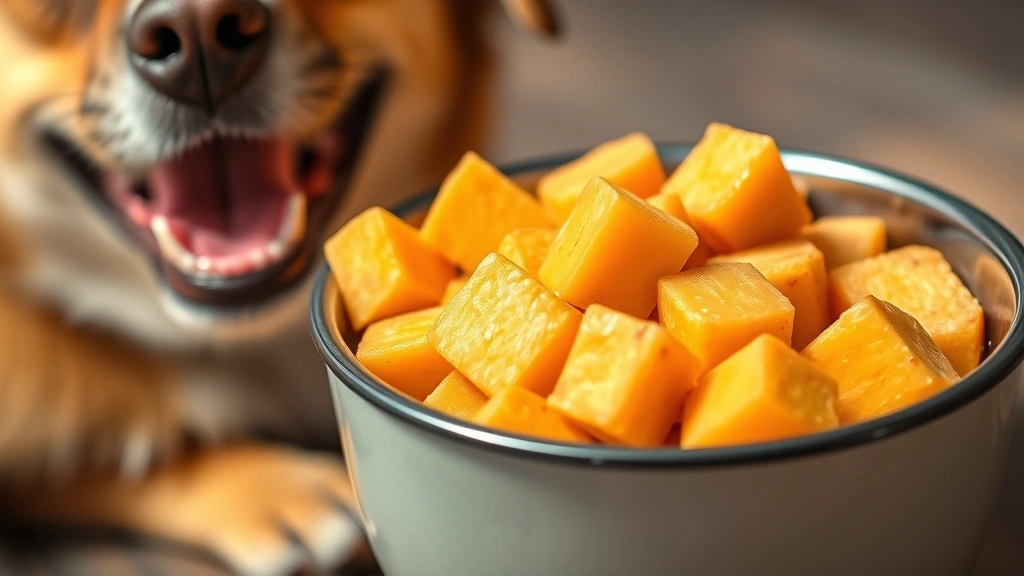
If you want to share a potato-based treat with your dog, there are much safer options than hash browns. Plain, cooked potatoes (white or sweet) without skin, seasoning, or added fats can be given to dogs in small amounts as an occasional treat. Sweet potatoes are particularly beneficial because they contain fiber, vitamins, and antioxidants.
When preparing potatoes for your dog, follow these guidelines:
- Cook potatoes thoroughly by boiling or baking
- Remove all skin before serving
- Never add salt, butter, oil, or any seasonings
- Cut into appropriate bite-sized pieces for your dog’s size
- Serve in moderation as part of a balanced diet, not as a meal replacement
- Consult your veterinarian before introducing new foods, especially if your dog has existing health conditions
A small amount of plain cooked potato can be mixed into your dog’s regular food as an occasional treat. This gives your dog a taste of something special without the risks associated with hash browns. You might also consider other vegetables like corn or broccoli in moderation for variety in your dog’s diet.
Healthy Breakfast Options
Instead of offering your dog hash browns, consider these nutritious and safe breakfast alternatives that will make your pup just as happy:
- Plain cooked eggs: Scrambled or boiled eggs are excellent sources of protein and are safe for dogs. They’re easy to digest and provide essential amino acids.
- Plain cooked chicken: Skinless, boneless chicken breast is lean protein that most dogs love. Cook it plain without seasonings.
- Plain cooked turkey: Similar to chicken, turkey is a lean protein option that’s safe for dogs.
- Plain yogurt: Choose unsweetened, plain yogurt without xylitol (an artificial sweetener toxic to dogs). The probiotics can support digestive health.
- Pumpkin puree: Plain pumpkin (not pie filling) is rich in fiber and nutrients and is gentle on the digestive system.
- Carrots: Raw or cooked carrots are low in calories, support dental health, and are generally safe for dogs.
- Green beans: Plain, cooked green beans are nutritious and low in calories.
- Apples: Remove seeds and core first, then offer small slices. Apples provide fiber and vitamins.
- Bananas: Small amounts of banana provide potassium and B vitamins, though they’re higher in sugar so offer sparingly.
These options provide genuine nutritional value while being safe for your dog’s digestive system. They’re also less likely to cause pancreatitis, obesity, or other health complications. When introducing any new food to your dog’s diet, do so gradually and in small amounts to monitor for any adverse reactions.
Your veterinarian can provide personalized recommendations based on your dog’s age, size, health status, and specific dietary needs. Some dogs may have allergies or sensitivities that make certain foods problematic, so professional guidance is invaluable.
FAQ
Can dogs eat hash browns in small amounts?
While a tiny bite of plain, unseasoned hash brown probably won’t cause immediate harm to a healthy dog, it’s not recommended. The sodium, fat, and potential additives make even small amounts less than ideal. If your dog accidentally ate a small piece, monitor them for signs of digestive upset, but don’t make it a habit.
What if my dog ate hash browns and is acting sick?
If your dog consumed a significant amount of hash browns and is showing signs of illness such as vomiting, diarrhea, lethargy, or abdominal pain, contact your veterinarian immediately. These could be signs of pancreatitis or other digestive issues that require professional evaluation and treatment.
Are frozen hash browns safer than restaurant hash browns?
Frozen hash browns are generally not safer than restaurant versions. While they may have slightly less oil, they typically contain added sodium, preservatives, and other additives. They’re still not appropriate for regular dog consumption. Always read ingredient labels carefully.
Can I give my dog sweet potato hash browns?
While sweet potatoes are more nutritious than white potatoes, sweet potato hash browns prepared for human consumption still contain excessive sodium, fat, and potentially harmful seasonings. It’s better to offer plain cooked sweet potato to your dog instead.
What about homemade hash browns with no salt?
Homemade hash browns made with just potatoes and minimal oil, prepared without any salt or seasonings, would be safer than commercial varieties. However, they’re still high in fat due to the frying process and offer limited nutritional value for dogs. Plain boiled potatoes would be a better choice.
Are there dog-specific breakfast treats I can make?
Yes! You can make dog-friendly breakfast treats by combining safe ingredients like plain cooked eggs, pumpkin puree, oats, and small amounts of dog-safe cheese. Many dog treat recipes are available online, but always ensure they use only dog-safe ingredients and avoid xylitol, chocolate, and other toxic substances.
Can senior dogs or dogs with health conditions have hash browns?
Senior dogs and dogs with conditions like heart disease, kidney disease, pancreatitis, or obesity should absolutely avoid hash browns. These conditions make them more vulnerable to the negative effects of high sodium and fat intake. Always consult your veterinarian before giving any new foods to dogs with existing health issues.
How can I resist giving my dog human food?
The key is having appropriate dog treats readily available at mealtime. Keep healthy dog treats or safe human foods like carrots or plain cooked chicken nearby when you’re eating. You can also use positive reinforcement to teach your dog that they receive their own special treat when you’re eating, rather than begging from your plate.





