
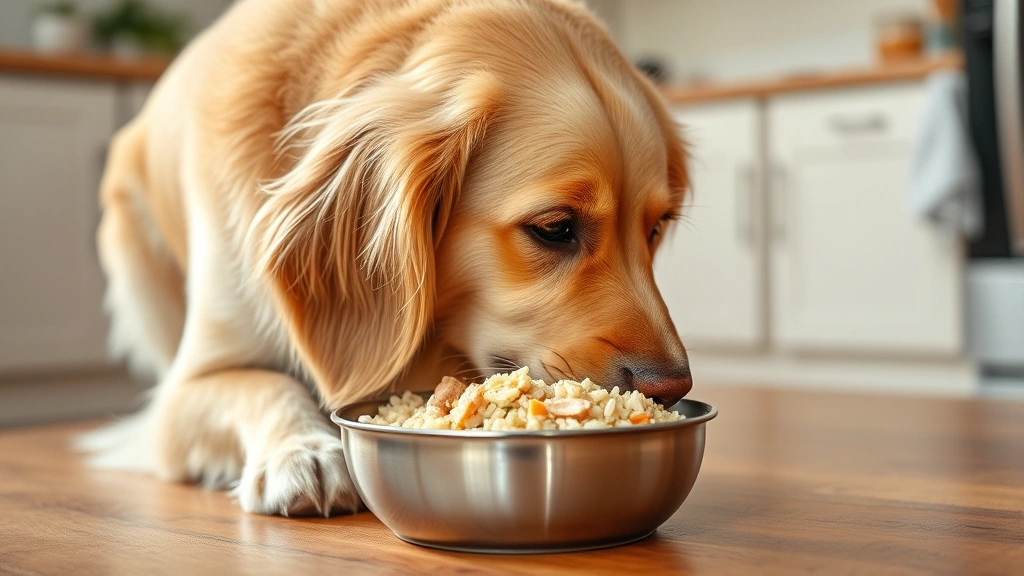
Can Dogs Eat Hot Food? Vet Advice on Temperature & Safety
Many dog owners wonder whether it’s safe to share their meals with their furry companions, especially when it comes to hot or warm foods. The short answer is: dogs can eat hot food, but temperature and preparation matter significantly. Unlike humans who enjoy the comfort of steaming meals, dogs have different sensitivities and digestive considerations that require careful attention. Understanding the risks and best practices will help you keep your pup safe while still allowing them to enjoy nutritious meals.
Temperature plays a crucial role in determining whether food is appropriate for your dog. While dogs have tougher mouths than we might think, excessively hot food can cause burns to their mouth, throat, and digestive tract. Additionally, the ingredients in hot foods often include seasonings, fats, and other additives that may be harmful to canine health. This comprehensive guide will walk you through everything you need to know about feeding hot food to your dog, including safety guidelines, potential hazards, and expert recommendations from veterinarians.
Understanding Dog Mouth Temperature Sensitivity
Dogs have a different thermal tolerance than humans, but this doesn’t mean they’re immune to heat damage. A dog’s mouth contains sensitive tissues that can be burned just as easily as ours. The key difference is that dogs tend to eat quickly without pausing to check temperature, making them more vulnerable to accidental burns. Research from veterinary burn specialists indicates that temperatures above 140°F (60°C) can cause thermal injuries to oral tissues in dogs.
The roof of a dog’s mouth, tongue, and throat are particularly susceptible to heat damage. These tissues are delicate and lack the protective layer that thick skin provides elsewhere on their body. When a dog consumes extremely hot food, it can result in painful burns that may lead to difficulty eating, excessive drooling, or reluctance to drink water. In severe cases, thermal injuries can cause long-term complications affecting your dog’s ability to eat comfortably.
It’s important to note that dogs don’t have the same taste-testing behavior as humans. While we blow on hot soup or take small sips to test temperature, dogs typically gulp their food without hesitation. This instinctive eating behavior means you bear full responsibility for ensuring food is at a safe temperature before offering it to your pet.
Safe Temperature Guidelines for Dog Food
Veterinarians generally recommend that dog food should be lukewarm or at room temperature before serving. The ideal temperature range is between 68°F and 77°F (20°C to 25°C), which is approximately room temperature. This guideline applies whether you’re serving wet food, homemade meals, or treats. According to the Association of American Feed Control Officials (AAFCO), pet food should be safe to consume immediately after preparation.
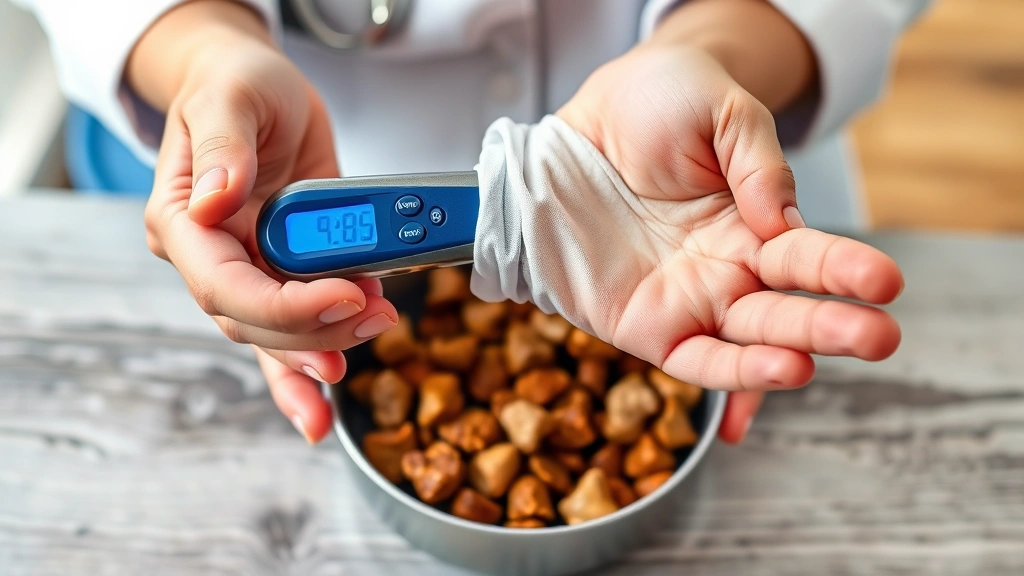
If you’re preparing hot food for your dog, always allow adequate cooling time before serving. A practical test is the “wrist method”: dip your inner wrist (the same spot you’d test a baby’s bottle) into the food. If it feels too hot for your wrist, it’s too hot for your dog. Most foods reach a safe temperature within 10-20 minutes of being removed from heat, depending on portion size and food type.
For commercial dog foods heated in microwaves, follow these guidelines: never serve food directly from the microwave. Instead, transfer it to a bowl and let it cool for 5-10 minutes. Microwave heating can create hot spots that are dangerous even if the overall temperature seems acceptable. Always stir heated food thoroughly to distribute heat evenly and eliminate dangerous temperature pockets.
Common Hot Foods and Their Safety
Many popular hot foods can be safely offered to dogs once properly cooled, but others should be avoided entirely. Understanding which foods are dog-friendly is essential for responsible pet feeding. Let’s examine some common hot foods you might want to share with your companion.
Cooked Vegetables: Warm cooked vegetables like broccoli, carrots, and corn are excellent for dogs once cooled to room temperature. These vegetables provide fiber, vitamins, and minerals essential for canine health. Steamed or boiled vegetables without added salt or seasonings are ideal. Avoid vegetables cooked with butter, garlic, or onions, as these can be harmful to dogs.
Cooked Meat: Plain cooked chicken, beef, turkey, and fish are nutritious options for dogs. Ensure meat is unseasoned and cooled before serving. Remove all bones, as they can splinter and cause serious injuries. Cooked meat should comprise no more than 10% of your dog’s daily caloric intake unless recommended by your veterinarian.
Rice and Grains: Plain cooked rice is often recommended by vets for dogs with digestive issues. White rice and brown rice are both safe when cooled and served without seasonings. Oatmeal is another grain-based option that provides beneficial fiber and nutrients.
Bone Broth: Homemade bone broth can be beneficial for dogs, but must be cooled before serving. Ensure the broth contains no garlic, onions, or excessive salt. Bone broth provides collagen and minerals that support joint health and digestion.
Foods to Avoid: Never serve hot (or cold) foods containing chocolate, grapes, raisins, avocado, macadamia nuts, or xylitol. These ingredients are toxic to dogs regardless of temperature. Additionally, avoid foods with high salt content, excessive fat, or artificial seasonings.
Dangerous Ingredients in Hot Foods
Many human hot foods contain ingredients that are dangerous for dogs, even when properly cooled. Understanding these hazards helps you make informed decisions about what to share with your pet. According to the ASPCA Animal Poison Control Center, thousands of dogs are poisoned annually by common food ingredients.
Garlic and Onions: Both garlic and onions contain compounds called thiosulfates that damage red blood cells in dogs, leading to hemolytic anemia. This toxicity applies whether the ingredients are raw, cooked, or powdered. Even small amounts can be harmful, making these ingredients absolute no-goes for your dog’s diet.
Excessive Salt: Hot foods often contain high sodium levels, which can cause salt toxicity in dogs. Symptoms include excessive thirst, urination, vomiting, and diarrhea. Chronic high-sodium diets can contribute to heart disease and hypertension in dogs.
Spices and Seasonings: Chili peppers, excessive black pepper, and other spicy seasonings can irritate a dog’s digestive system. Nutmeg, in particular, is toxic to dogs and can cause serious neurological symptoms. Stick to plain, unseasoned foods when preparing meals for your pup.
Fatty Foods: Hot foods often contain high fat content, which can cause pancreatitis in dogs. This serious condition causes inflammation of the pancreas and can lead to vomiting, abdominal pain, and potentially fatal complications. Always trim visible fat from meats before offering them to your dog.

Alcohol and Caffeine: Never serve foods containing alcohol or caffeine to your dog. These substances are toxic and can cause serious health complications including tremors, seizures, and cardiac arrhythmias.
How to Cool Food for Your Dog
Properly cooling food is essential for your dog’s safety and comfort. Here are evidence-based methods for cooling hot food quickly and effectively:
- Transfer to a Shallow Bowl: Spread food in a shallow, wide bowl rather than leaving it in a deep container. This increases surface area, allowing heat to dissipate more rapidly.
- Add Cool Water or Broth: For wet foods or stews, add a small amount of cool (not cold) water or low-sodium broth to help lower temperature. This also increases volume and can aid digestion.
- Place in Cool Environment: Set the bowl in a cool room away from direct sunlight. Avoid placing it near heating vents or in warm areas of your home.
- Use Ice Cubes Cautiously: While ice cubes seem like a quick solution, they can shock a dog’s digestive system. If using ice, add only a few to the edges of the bowl, not directly into the food.
- Refrigerate Then Warm Slightly: For advance meal preparation, refrigerate cooked food and reheat only the portion you’re serving to room temperature.
- The Wrist Test: Always perform the wrist temperature test before serving. If it’s uncomfortable for your wrist, it’s too hot for your dog.
Patience is crucial when cooling food. Rushing the process by using excessive ice or cold water can cause digestive upset. Most foods reach a safe temperature naturally within 15-20 minutes of cooling.
Digestive Considerations
Beyond temperature, consider how hot foods affect your dog’s digestive system. Dogs have shorter digestive tracts than humans, and their stomachs are more sensitive to temperature fluctuations. Consuming excessively hot food can temporarily disrupt normal digestive function.
According to veterinary nutritionists at the AAFCO, room-temperature or slightly warm food is easier for dogs to digest than either extremely hot or cold food. This is because the digestive enzymes work optimally at body temperature. When food arrives at the stomach already near body temperature (98.6°F/37°C), digestion proceeds more smoothly.
Dogs with sensitive stomachs, puppies, and senior dogs may experience digestive upset from temperature extremes more readily than healthy adults. If your dog has a history of digestive issues, consult your veterinarian about appropriate food temperatures. Some dogs benefit from warm (but not hot) food as it can improve palatability and digestive efficiency.
Always introduce new foods gradually, regardless of temperature. Even if a food is safe and at the right temperature, sudden dietary changes can cause vomiting or diarrhea. Mix small amounts of new food with your dog’s regular diet over 7-10 days to allow their digestive system to adjust.
Consider offering cheese and other high-fat foods only occasionally, as they can contribute to weight gain and digestive issues even when properly cooled. Balance is key to maintaining your dog’s digestive health.
FAQ
Is it bad for dogs to eat warm food?
Warm food at room temperature or slightly above is not inherently bad for dogs. However, excessively hot food can burn their mouth and throat. The ideal temperature is lukewarm or room temperature (68-77°F). Always test the temperature with your wrist before serving.
Can hot food cause burns in dogs?
Yes, food above 140°F (60°C) can cause thermal burns to a dog’s mouth, tongue, and throat. These burns can be painful and lead to difficulty eating. Always allow food to cool before serving, and use the wrist test to verify safety.
How long should I wait before giving my dog hot food?
Most hot food reaches a safe temperature within 10-20 minutes of removal from heat. The cooling time depends on portion size and food type. Use the wrist test to determine when food is ready to serve rather than relying on time estimates alone.
Can dogs eat hot soup or broth?
Dogs can eat cooled broth or soup made without garlic, onions, salt, or spices. Homemade bone broth is particularly beneficial for dogs when properly prepared and cooled. Never serve hot liquids directly from the stove or microwave.
What temperature is safe for dog food?
Room temperature (68-77°F or 20-25°C) is safest for dog food. Food should feel lukewarm or cool to your inner wrist. Never serve food hotter than 104°F (40°C), as this risks thermal injury.
Do dogs prefer warm or cold food?
Most dogs don’t have strong preferences for temperature, but room-temperature or slightly warm food is generally easier to digest. Cold food can sometimes reduce appetite in some dogs, while excessive heat poses safety risks. Stick with room temperature for optimal safety and digestion.
Can puppies eat hot food?
Puppies should only eat food at room temperature or slightly warmer. Their digestive systems are more sensitive than adult dogs. Always cool food thoroughly before serving to puppies, and use the wrist test without exception.
Is reheated dog food safe?
Reheated dog food is safe if cooled to room temperature before serving. Use the wrist test to verify safety. Only reheat the portion you’ll serve immediately, and discard any uneaten food after 2 hours at room temperature to prevent bacterial growth.
What should I do if my dog burns their mouth?
If your dog burns their mouth on hot food, contact your veterinarian immediately. Symptoms include excessive drooling, difficulty eating, reluctance to drink, or visible tissue damage. Your vet may recommend pain management and soft food while the injury heals. UC Davis School of Veterinary Medicine provides excellent resources on burn treatment in animals.
Can temperature affect my dog’s digestion?
Yes, temperature affects digestive efficiency. Room-temperature food is optimal for digestion, while extreme temperatures (very hot or very cold) can temporarily disrupt normal digestive function. Dogs with sensitive stomachs are particularly susceptible to temperature-related digestive upset.





