
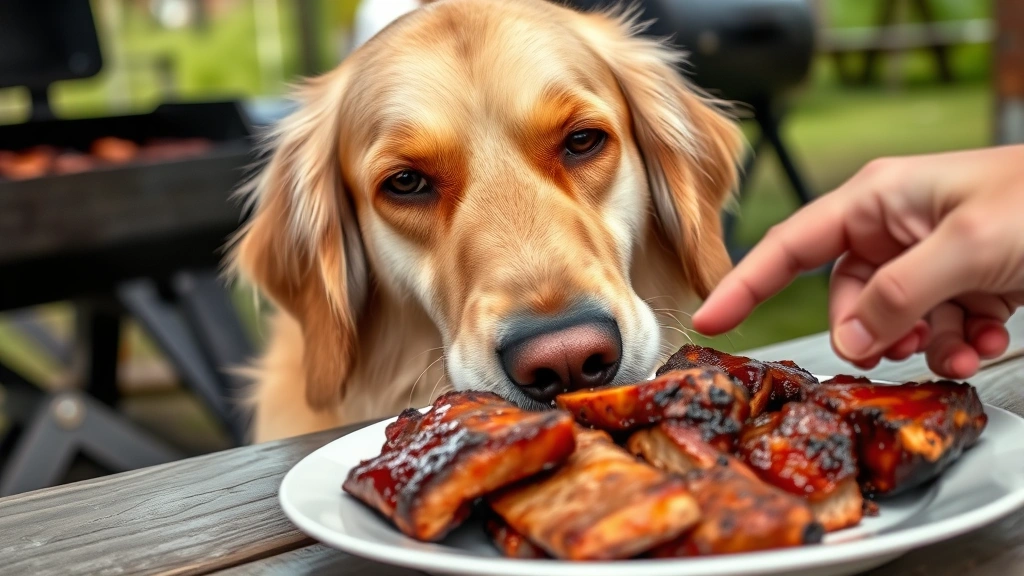
Can Dogs Eat Pork Ribs? Vet Advice on Safety & Risks
Pork ribs are a beloved barbecue staple for many families, and it’s natural to want to share your meal with your furry best friend. However, the question of whether dogs can safely eat pork ribs requires careful consideration. While plain, unseasoned pork meat itself isn’t toxic to dogs, pork ribs present several specific hazards that veterinarians consistently warn against. Understanding these risks helps you make informed decisions about your dog’s diet and keep them safe.
Many pet owners assume that because dogs are carnivores, any meat is fair game. The reality is more nuanced. Pork ribs, particularly cooked ones, pose choking hazards, splinter risks, and digestive complications that can lead to serious medical emergencies. This guide breaks down everything you need to know about feeding pork ribs to dogs, backed by veterinary evidence and practical safety tips.
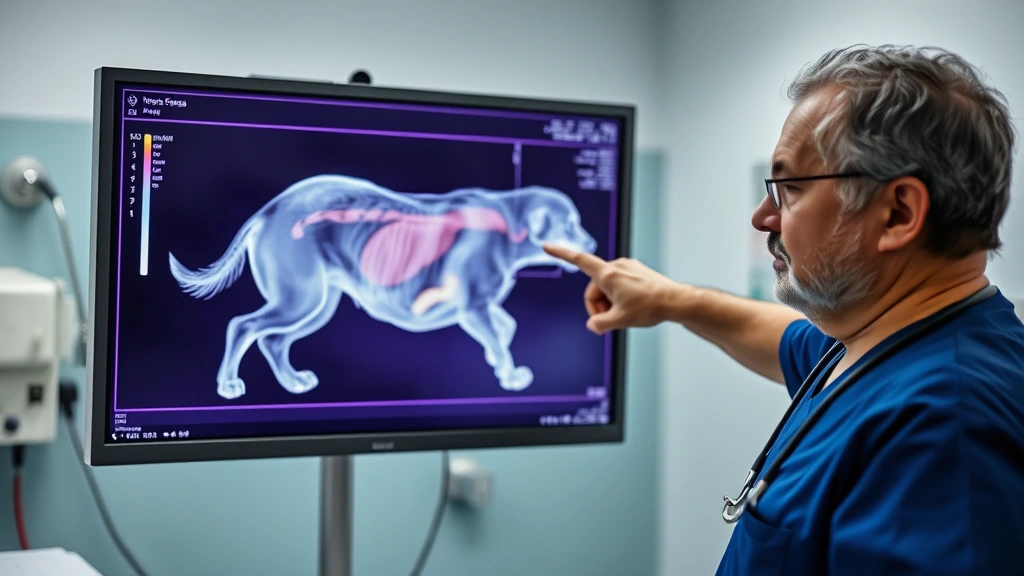
Can Dogs Eat Pork Ribs? The Short Answer
No, veterinarians do not recommend feeding pork ribs to dogs, regardless of how they’re prepared. While plain pork meat in appropriate portions can be part of a balanced diet, ribs specifically—whether raw or cooked—present unacceptable risks that outweigh any nutritional benefits. The bone structure of ribs makes them inherently problematic for canine consumption.
The American Veterinary Medical Association (AVMA) and the Association of American Feed Control Officials both caution against feeding bones to pets due to injury and obstruction risks. Pork ribs fall squarely into this prohibited category. Even if your dog has eaten bones before without incident, the risk remains present with every exposure.
That said, understanding why ribs are problematic helps you navigate similar foods and make better choices. The danger isn’t from pork itself but from the specific structure, sharpness, and digestibility of rib bones.
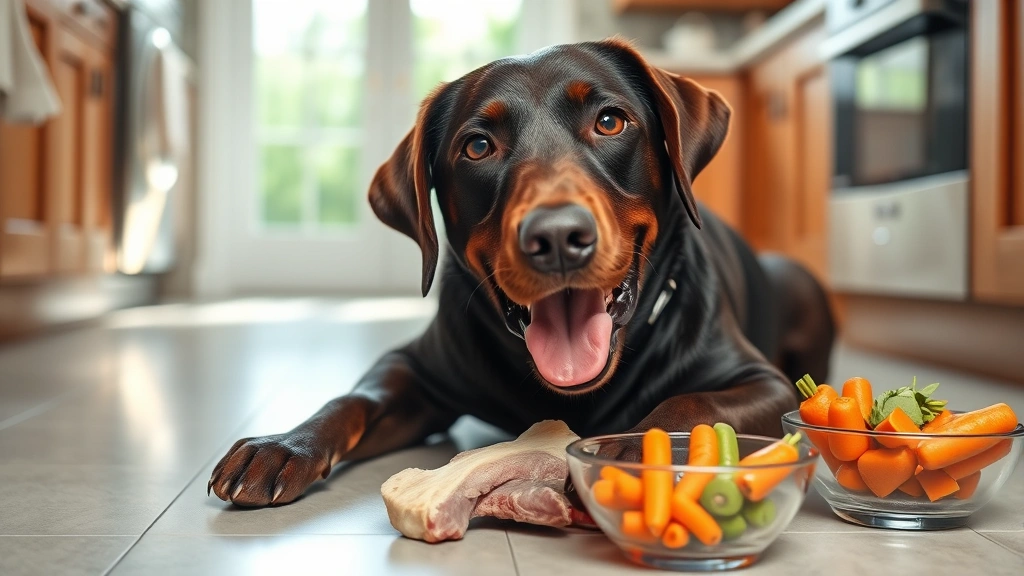
Why Pork Ribs Are Dangerous for Dogs
Bone Splintering and Perforation Risk
Cooked pork rib bones become brittle and prone to splintering when dogs chew them. These sharp fragments can lacerate the mouth, throat, esophagus, and digestive tract. Unlike softer tissues that might heal, intestinal perforations are life-threatening emergencies requiring immediate surgical intervention. A single splinter can puncture the stomach or intestinal wall, leading to peritonitis (abdominal infection) and sepsis.
Raw pork ribs are somewhat less likely to splinter, but they’re not safe either. The risk simply shifts to other complications rather than eliminating danger entirely.
Choking Hazard
Pork ribs, particularly the meatier sections, can lodge in a dog’s throat. Smaller breeds face elevated risk, but even large dogs can experience choking from rib bones. Unlike food that can be regurgitated, bone fragments may become wedged and require emergency veterinary extraction or airway management.
Gastrointestinal Obstruction
Dogs cannot fully digest bone. When rib pieces are swallowed, they accumulate in the stomach and intestines, potentially causing complete or partial blockages. Symptoms can take hours or days to appear, making prevention far superior to treatment. Obstructions typically require surgical removal and carry risks of permanent intestinal damage.
Seasoning and Preparation Concerns
Most pork ribs served at home or restaurants contain seasonings dangerous to dogs. Garlic and onion powder are common rib rubs and can damage red blood cells, causing hemolytic anemia. Excessive salt disrupts electrolyte balance, and spicy seasonings irritate the digestive tract. Barbecue sauce often contains sugar and xylitol (an artificial sweetener that’s toxic to dogs). Even “unseasoned” ribs may have been treated with salt or smoke during cooking.
High Fat Content
Pork ribs are fatty cuts of meat. High-fat foods can trigger pancreatitis in susceptible dogs, causing severe abdominal pain, vomiting, and potentially life-threatening inflammation. Certain breeds and overweight dogs face increased pancreatitis risk.
Raw vs Cooked Pork Ribs: Which Is Safer?
Neither raw nor cooked pork ribs are safe, but they present different risks:
Cooked Pork Ribs
Cooking makes bones more brittle and likely to splinter. Heat also kills some bacteria but creates a false sense of safety. Cooked ribs are more palatable to dogs, increasing consumption likelihood. Most home-prepared ribs contain seasonings that are problematic or toxic. The risk profile is highest with cooked ribs due to splintering danger.
Raw Pork Ribs
Raw bones are less likely to splinter, which proponents of raw feeding diets cite as an advantage. However, raw pork carries salmonella and E. coli contamination risks that affect both dogs and humans in the household. Raw pork also still poses choking and obstruction hazards. Additionally, raw pork may contain parasites that can infect your dog. The ASPCA does not endorse raw meat diets due to these bacterial risks.
If you’re interested in raw feeding approaches, consult your veterinarian about properly formulated options that don’t include whole bones.
Safe Pork Alternatives for Your Dog
Your dog can enjoy pork safely when prepared appropriately. The key is removing all bones and limiting fat content:
Plain Cooked Pork
Unseasoned, boneless pork loin or tenderloin can be offered in small amounts as an occasional treat. Cook thoroughly to eliminate parasites, trim visible fat, and cut into appropriate-sized pieces for your dog’s size. This provides lean protein without the dangers of ribs.
Pork Treats and Chews
Commercially prepared pork chews designed for dogs undergo safety testing and are sized appropriately. Look for single-ingredient products without artificial additives. These satisfy chewing instincts without bone fragmentation risks.
Bone Broth (Bone-Free)
You can make bone broth at home by simmering bones for extended periods, then straining completely to remove all bone fragments. The resulting broth is nutritious and safe. Some commercial bone broths specifically marketed for dogs are also available.
Other Safe Protein Options
Consider protein-rich vegetables and fruits to supplement your dog’s diet. Carrots provide crunch and nutrients, while cheese offers protein in moderation. Corn is digestible for most dogs when given in small quantities.
Prescription Diet Options
If your dog has specific dietary needs, your veterinarian can recommend prescription diets or supplements that provide complete nutrition without safety concerns.
Signs of Rib-Related Complications
If your dog has consumed pork ribs, watch closely for these warning signs:
- Vomiting (especially if persistent or contains blood)
- Loss of appetite or refusal to eat for more than a few hours
- Abdominal pain (hunched posture, whimpering, reluctance to move)
- Constipation or diarrhea
- Lethargy or unusual inactivity
- Drooling excessively or difficulty swallowing
- Abdominal distension (bloated appearance)
- Choking or gagging
- Blood in stool
- Pale gums or difficulty breathing
These symptoms can indicate obstruction, perforation, pancreatitis, or other serious conditions. Contact your veterinarian immediately if you notice any of these signs, especially if they occur within 24-48 hours of rib consumption.
What to Do if Your Dog Ate Ribs
Immediate Steps
Remain calm and assess the situation. Determine what your dog consumed: How many ribs? Were they cooked or raw? Did they eat the bones, meat, or both? This information helps your veterinarian assess risk level.
Contact Your Veterinarian
Call your vet immediately, even if your dog seems fine. Many serious complications take time to develop. Your veterinarian may recommend observation, diagnostic imaging, or preventive treatments depending on the amount consumed and your dog’s size.
Monitor Closely
Watch your dog for the next 48-72 hours. Keep detailed notes of eating habits, bathroom behavior, energy level, and any symptoms. Take photos of any vomit or stool abnormalities to show your vet.
Avoid Home Remedies
Don’t attempt to induce vomiting or give activated charcoal without veterinary guidance. These interventions can sometimes worsen the situation. Let professionals handle treatment decisions.
Follow-Up Care
If your veterinarian recommends follow-up appointments or imaging, attend them. Some obstructions develop gradually and may not be immediately apparent on initial examination.
Consider Pet Insurance
If your dog frequently encounters foods they shouldn’t eat, pet insurance can help manage emergency veterinary costs. Rib-related emergencies can cost $2,000-$5,000+ if surgery is needed.
FAQ
Can dogs eat pork rib bones?
No. Pork rib bones present serious risks including splintering, choking, and intestinal obstruction. Veterinarians universally recommend against feeding any rib bones to dogs, regardless of size or breed.
What about pork rib meat without bones?
Plain, boneless pork meat can be safe in moderation if unseasoned and cooked thoroughly. However, ribs are typically fatty, so trim excess fat and offer only small amounts occasionally. Always check for hidden bone fragments.
Is raw pork safer than cooked for dogs?
Neither is ideal, but they present different risks. Raw pork carries bacterial contamination risks; cooked pork is more likely to splinter. For occasional pork treats, unseasoned cooked boneless pork is preferable to either whole ribs.
My dog ate one rib—should I panic?
Contact your veterinarian for guidance based on your dog’s size and the rib’s size and preparation. One rib may not cause problems, but complications can develop over days. Professional assessment is important even if your dog seems fine initially.
What seasonings make pork ribs dangerous?
Garlic powder, onion powder, and salt are toxic or problematic. Xylitol (in some barbecue sauces and sugar-free products) is highly toxic to dogs. Spicy seasonings irritate the digestive tract. Even “mild” seasonings can cause issues.
Are there any safe bones for dogs?
Soft, edible bones like those in canned fish (salmon, sardines) are generally safe. Some veterinarians recommend specific raw meaty bones under supervision, but cooked bones of any kind should be avoided. Consult your vet about appropriate options.
Can I give my dog pork rib chews?
Commercial pork chews designed for dogs are safer than whole ribs because they’re formulated to minimize splintering and sized appropriately. However, always supervise your dog with any chew product and choose reputable brands that undergo safety testing.
What’s the difference between this and feeding dogs vegetables like broccoli?
Vegetables like broccoli (in moderation) don’t present physical hazards like bones do. The primary concern with vegetables is nutritional balance and portion size, not choking or perforation risk. However, always introduce new foods gradually.
Should I be worried about my dog eating things they shouldn’t?
Yes. Dogs naturally explore with their mouths, and preventing access to dangerous foods is your responsibility. Store ribs securely, don’t leave them unattended, and educate family members about these risks.
Can small dogs eat pork ribs safely?
Small dogs face even greater risk than large breeds. Rib bones are proportionally larger relative to their throats and digestive tracts, increasing choking and obstruction danger. Small dogs should never be fed pork ribs.





