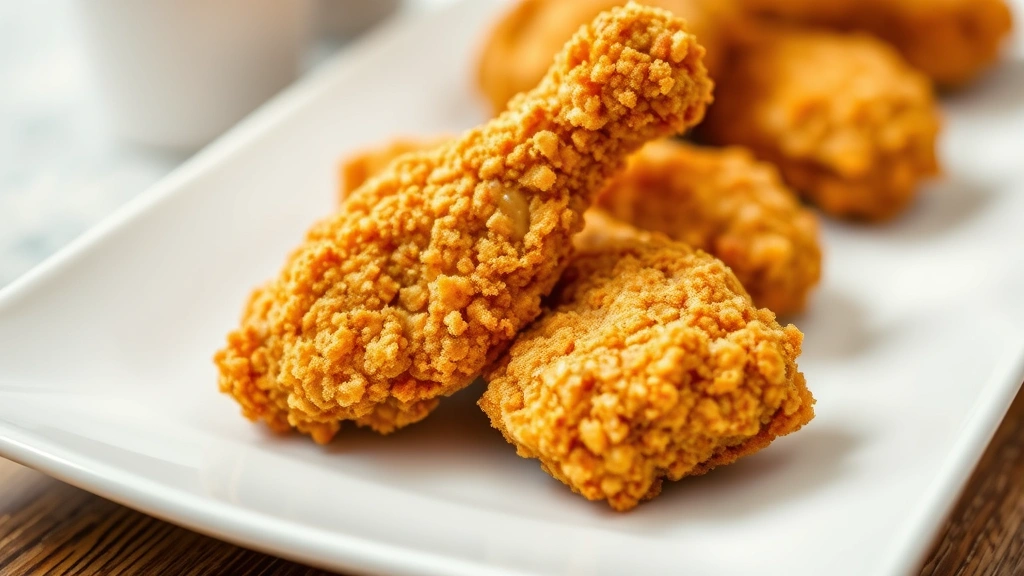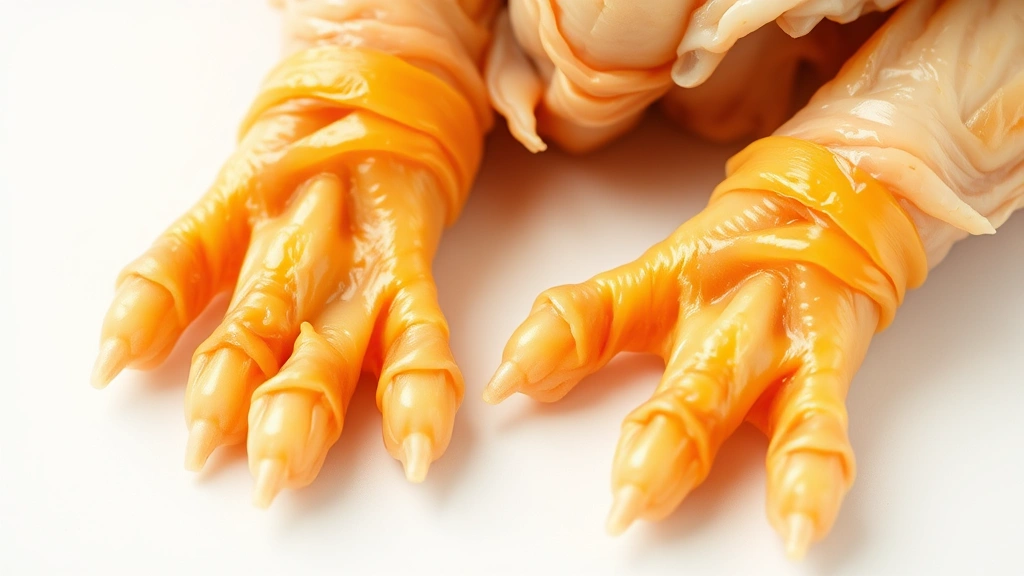
Raw chicken feet have become increasingly popular in canine nutrition circles, praised by raw feeding advocates as a natural source of glucosamine, collagen, and essential nutrients. But is this trend backed by veterinary science, or are there hidden risks lurking in your dog’s food bowl? Understanding the benefits and dangers of raw chicken feet requires examining the evidence carefully, considering your dog’s individual health status, and consulting with your veterinarian before making dietary changes.
Many pet owners are drawn to raw feeding diets, often called BARF (Biologically Appropriate Raw Food), believing they replicate what wolves and wild dogs consume in nature. Raw chicken feet fit neatly into this philosophy, offering joint support through natural collagen and cartilage. However, the reality of feeding raw poultry to companion animals is more nuanced than marketing materials suggest, with legitimate benefits alongside genuine health concerns that deserve serious consideration.
Nutritional Benefits of Raw Chicken Feet
Raw chicken feet contain impressive nutritional profiles that explain their popularity among raw feeding enthusiasts. The primary appeal lies in their collagen and cartilage content, which provides glucosamine and chondroitin—compounds that support joint health and mobility in aging dogs. A single chicken foot contains approximately 250-300mg of natural glucosamine, making them a bioavailable source of joint-supporting nutrients.
Beyond joint support, raw chicken feet offer several other nutritional advantages. They contain high-quality protein essential for muscle maintenance and repair, particularly important for active dogs and growing puppies. The bones in chicken feet are soft and pliable when raw, providing calcium and phosphorus in appropriate ratios for canine nutrition. Additionally, raw chicken feet contain collagen that may support skin and coat health, contributing to a shiny, healthy appearance.
The act of chewing and consuming raw chicken feet also provides mechanical cleaning action on teeth and gums. This natural abrasion can help reduce plaque buildup and promote oral health, though it shouldn’t replace proper dental care. Many veterinarians acknowledge these benefits, which is why raw chicken feet appear in various AAFCO-compliant raw diets designed by nutritionists.
Taurine, an essential amino acid for cats and conditionally essential for dogs, is present in chicken feet along with other amino acids crucial for cellular function. The fat content in raw chicken feet, though moderate, provides essential fatty acids that support immune function and inflammatory response. For dogs with specific health conditions, such as those recovering from joint injuries or senior dogs experiencing arthritis, these natural nutrients can complement veterinary treatment plans.

Bacterial Contamination Risks
The most significant concern surrounding raw chicken feet is bacterial contamination, particularly from Salmonella and Campylobacter. These pathogens commonly colonize poultry and can survive on raw meat surfaces. While dogs have more acidic stomach environments and stronger digestive systems than humans, they are not immune to foodborne illness. Studies published in veterinary journals have documented cases of dogs becoming ill from contaminated raw poultry products.
According to research from the American Feed Control Officials, raw meat products carry inherent microbiological risks. The FDA has issued warnings about raw pet food diets, noting that bacterial contamination poses risks not only to dogs but also to humans in the household through cross-contamination. Family members, particularly children and immunocompromised individuals, can contract pathogens from handling raw chicken feet or through contact with contaminated surfaces and the dog’s mouth.
Certain dogs face higher risk from bacterial infection, including puppies, senior dogs, and those with compromised immune systems due to illness or medication. Dogs with underlying conditions like diabetes, cancer, or those taking immunosuppressive drugs are particularly vulnerable. Even healthy adult dogs can experience gastrointestinal upset from pathogenic bacteria, manifesting as vomiting, diarrhea, lethargy, and loss of appetite.
The freezing process does not eliminate bacterial contamination, though it may slow bacterial reproduction. Proper handling protocols become essential when feeding raw chicken feet. Surfaces, utensils, and hands must be thoroughly cleaned after handling raw poultry, similar to food safety practices in human kitchens. Many veterinarians recommend against raw feeding in households with young children or elderly family members due to cross-contamination risks.
Choking and Obstruction Hazards
While raw chicken feet are softer than cooked bones, they still present physical hazards. Dogs with aggressive eating styles, those prone to gulping food without adequate chewing, or smaller breeds may face choking risks. The toenails on chicken feet, if not properly trimmed, can become lodged in the throat or esophagus, creating emergency situations requiring veterinary intervention.
Intestinal obstruction represents a serious concern with any bone-containing treat. Pieces of raw chicken feet can accumulate in the digestive tract, particularly if a dog doesn’t chew thoroughly. Signs of obstruction include persistent vomiting, abdominal pain, loss of appetite, and constipation. This condition requires emergency surgery in severe cases, resulting in significant veterinary expenses and potential complications.
Smaller dogs, breeds with short muzzles (brachycephalic breeds), and dogs with a history of gastrointestinal issues face elevated obstruction risks. Puppies learning to eat may not properly process raw chicken feet, and senior dogs with dental issues or reduced jaw strength may struggle to safely consume them. Supervision during feeding is non-negotiable when offering raw chicken feet, and owners should watch for signs of distress.
The cartilage and soft bones in raw chicken feet can splinter or fragment during chewing, creating sharp pieces that potentially perforate the intestinal wall. While this is less common than with cooked chicken bones, the risk exists. Veterinarians frequently advise against raw chicken feet for dogs with previous GI surgeries or known sensitivity to dietary changes.
Safe Preparation Guidelines
If you decide to offer raw chicken feet to your dog after consulting your veterinarian, proper preparation significantly reduces risks. Source chicken feet from reputable suppliers who maintain food safety standards. Organic, free-range sources may have lower contamination rates, though no raw poultry product is entirely risk-free.
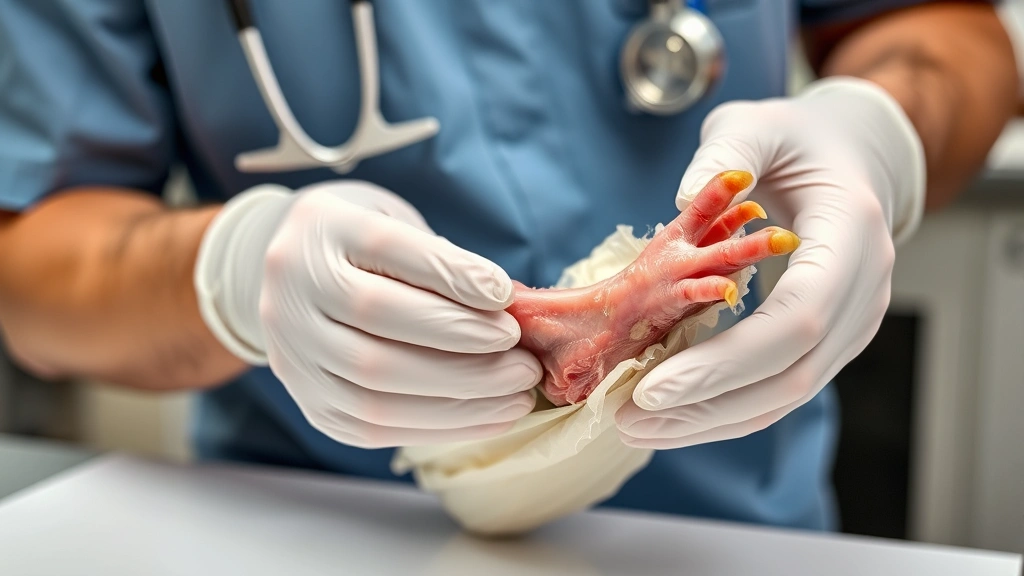
Before offering raw chicken feet, thoroughly trim toenails and wash the feet under running water. Remove any visible dirt or debris. Some veterinarians recommend a brief cold-water rinse with diluted white vinegar or food-grade hydrogen peroxide, though evidence supporting this practice is limited. Allow the chicken feet to thaw completely if frozen, as thawing reduces some bacterial activity.
Establish strict hygiene protocols when handling raw chicken feet. Use dedicated cutting boards and utensils that don’t contact other foods. Wash hands thoroughly with soap and warm water for at least 20 seconds after handling raw poultry. Clean all surfaces that contact raw chicken feet with hot, soapy water or a diluted bleach solution. Discourage children from touching raw chicken feet or the dog’s mouth after consumption.
Offer raw chicken feet in a controlled environment where your dog can focus on eating without distractions. Remove any uneaten portions after 15-20 minutes to prevent bacterial proliferation. Store raw chicken feet in the coldest part of your refrigerator at or below 40°F (4°C) and use within 2-3 days, or freeze at 0°F (-18°C) for longer storage. Proper freezing can extend shelf life to several months.
Introduce raw chicken feet gradually to your dog’s diet, starting with one small foot per week if your veterinarian approves. Monitor for gastrointestinal upset, allergic reactions, or behavioral changes. Some dogs experience mild digestive adjustment when transitioning to raw foods, but persistent vomiting or diarrhea warrants veterinary evaluation.
Consider offering raw chicken feet as an occasional treat rather than a dietary staple. This approach provides nutritional benefits while limiting cumulative bacterial exposure risk. Many veterinarians suggest limiting raw chicken feet to once or twice weekly for healthy adult dogs, with more conservative approaches for vulnerable populations.
Healthy Alternatives to Consider
If you’re concerned about raw chicken feet risks but still want to provide joint support and nutritional benefits, several safer alternatives exist. Cooked chicken feet, while losing some heat-sensitive nutrients, eliminate most bacterial contamination risks. Slow-cooking or pressure-cooking chicken feet creates a softer, more easily digestible product suitable for senior dogs or those with dental issues.
Commercial freeze-dried raw chicken feet offer a middle-ground approach. The freeze-drying process significantly reduces bacterial loads while preserving nutritional content better than cooking. These products maintain shelf stability and require no special handling, making them convenient for busy pet owners. Check product labels for quality assurance and sourcing transparency.
Bone broth made from chicken bones and feet provides collagen and glucosamine in liquid form, easily absorbed by the digestive system. Homemade bone broth allows control over ingredients and preparation methods. Simmer chicken feet with water for 12-24 hours, strain, and refrigerate. Offer small amounts as a meal topper or treat. Store properly to prevent bacterial growth.
Collagen supplements specifically formulated for dogs provide concentrated glucosamine and chondroitin without raw meat risks. These products undergo rigorous quality testing and standardization. Veterinary-recommended supplements ensure appropriate dosing for your dog’s size and health status. Combined with carrots, which provide natural chewing action and nutrients, supplements offer a comprehensive approach to joint health.
Cartilage-based treats like trachea chews provide similar nutritional benefits to chicken feet with potentially reduced bacterial contamination when sourced from reputable suppliers. These products offer the mechanical cleaning action of chewing while delivering natural glucosamine. Many dogs find them more palatable than chicken feet.
When considering alternatives, also explore whether your dog truly needs supplemental joint support. Younger, healthy dogs may thrive on balanced commercial diets without additional treats. Dogs with joint issues should work with veterinarians to develop comprehensive management plans that may include supplements, weight management, exercise modification, and medications when appropriate.
If you’re interested in raw feeding philosophy but concerned about safety, discuss ASPCA-approved commercial raw diets with your veterinarian. These products undergo safety testing and nutritional analysis, providing raw feeding benefits with reduced contamination risks compared to home-prepared raw diets.
FAQ
Can puppies safely eat raw chicken feet?
Puppies have developing immune systems and are more vulnerable to bacterial infections from raw poultry. Most veterinarians recommend waiting until puppies are at least one year old before considering raw chicken feet, and even then, only under veterinary guidance. Puppies require balanced nutrition to support growth, and raw feeding diets must be carefully formulated to meet their specific nutritional requirements.
How often can I feed my dog raw chicken feet?
Veterinarians generally suggest limiting raw chicken feet to once or twice weekly for healthy adult dogs, if offering them at all. This frequency provides nutritional benefits while minimizing cumulative bacterial exposure. Senior dogs, those with health conditions, or dogs with compromised immune systems should consume raw chicken feet even less frequently, ideally under direct veterinary supervision.
What are signs my dog is having problems with raw chicken feet?
Watch for vomiting, diarrhea, loss of appetite, abdominal pain, lethargy, or behavioral changes. Choking signs include excessive drooling, gagging, difficulty swallowing, or pawing at the mouth. Obstruction symptoms include persistent vomiting, constipation, abdominal distension, and reluctance to move. Any concerning symptoms warrant immediate veterinary evaluation.
Are frozen raw chicken feet safer than fresh?
Freezing reduces but doesn’t eliminate bacterial contamination. Proper freezing at 0°F (-18°C) slows bacterial reproduction and may reduce some pathogenic loads, but thawed chicken feet still carry contamination risks. Freezing doesn’t make raw chicken feet completely safe; it’s one component of risk reduction alongside proper sourcing and handling.
Can I feed raw chicken feet alongside commercial dog food?
Yes, occasional raw chicken feet can complement balanced commercial diets without nutritional concerns. However, ensure the total diet remains balanced and doesn’t exceed appropriate calorie intake. Raw chicken feet should constitute no more than 10% of daily caloric intake. Consult your veterinarian about portion sizes appropriate for your dog’s size and activity level.
What’s the difference between raw and cooked chicken feet for dogs?
Raw chicken feet retain more heat-sensitive nutrients like glucosamine and collagen but carry bacterial contamination risks. Cooked chicken feet eliminate most pathogens and are safer for vulnerable dogs but lose some nutritional potency through heat degradation. Cooked chicken feet also become softer, posing fewer obstruction risks. Choose based on your dog’s health status and your comfort level with food safety protocols.
Should I remove the toenails from raw chicken feet?
Yes, trimming toenails significantly reduces choking and obstruction risks. Use clean nail clippers or scissors to trim nails as short as possible. Some owners prefer removing toenails entirely. This preparation step takes only minutes and substantially improves safety for all dogs, particularly smaller breeds and those with aggressive eating styles.
Can raw chicken feet cause allergic reactions?
While chicken allergies exist in dogs, they’re less common than beef or dairy allergies. Raw chicken feet can trigger reactions in sensitized dogs, manifesting as itching, skin inflammation, or gastrointestinal upset. If your dog has known chicken allergies, avoid raw chicken feet entirely. Introduce new foods gradually and monitor for allergic responses.