

Are Red Kidney Beans Safe for Dogs? Vet Insights
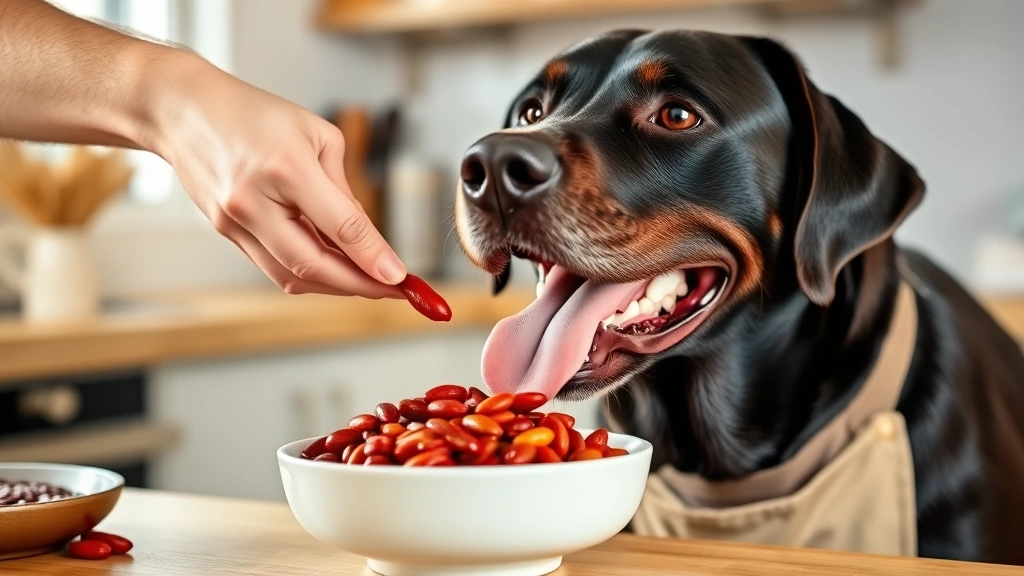
Red kidney beans are a nutritious staple in human diets, packed with protein, fiber, and essential minerals. But when it comes to our furry companions, pet owners often wonder: can dogs eat red kidney beans safely? The short answer is yes—but with important caveats. Raw or improperly prepared red kidney beans contain compounds that can be harmful to dogs, while properly cooked beans can offer legitimate nutritional benefits.
Understanding how to safely introduce red kidney beans into your dog’s diet requires knowledge about preparation methods, portion sizes, and potential risks. This comprehensive guide explores veterinary insights, nutritional science, and practical feeding strategies to help you make informed decisions about your pet’s nutrition.
Nutritional Benefits for Dogs
When properly cooked, red kidney beans provide several nutritional advantages for dogs. These legumes are an excellent source of plant-based protein, making them appealing for supplementing commercial diets or supporting dogs with certain dietary restrictions. A cup of cooked red kidney beans contains approximately 15 grams of protein, along with significant amounts of dietary fiber, iron, and magnesium.
The fiber content in red kidney beans supports digestive health by promoting regular bowel movements and feeding beneficial gut bacteria. This is particularly valuable for dogs experiencing occasional constipation or those requiring enhanced digestive support. Additionally, the antioxidants present in red kidney beans—including polyphenols and flavonoids—may help reduce inflammation and support overall immune function in aging dogs.
Red kidney beans also contain B vitamins, particularly folate and thiamine, which are essential for energy metabolism and nervous system function. The mineral content, including phosphorus and potassium, contributes to bone health and cardiovascular function. For dogs on limited ingredient diets or those needing additional plant-based nutrition, properly prepared red kidney beans can be a valuable dietary addition.
Toxicity Concerns and Phytohemagglutinin
The primary concern with red kidney beans stems from a naturally occurring protein called phytohemagglutinin (PHA). This compound is present in raw and undercooked kidney beans and acts as a lectin—a type of carbohydrate-binding protein that can cause serious gastrointestinal distress in both humans and dogs. According to research published by the FDA, kidney beans contain approximately 20,000 to 70,000 hemagglutinating units (HU) of PHA when raw.
When dogs consume raw or insufficiently cooked kidney beans, PHA can damage the intestinal lining and cause symptoms including severe vomiting, diarrhea, abdominal pain, and lethargy. In severe cases, particularly with large quantities or small dogs, this toxin can lead to dehydration and require veterinary intervention. The good news is that proper cooking essentially eliminates this risk—heating kidney beans to 212°F (100°C) for at least 10 minutes destroys PHA, rendering the beans safe for canine consumption.
It’s crucial to understand that canned kidney beans found in grocery stores have already undergone the necessary heat treatment during processing, making them inherently safer than dried beans that require home preparation. However, some canned varieties may contain added sodium, which should be considered when determining appropriate portion sizes for your dog.

Safe Preparation Methods
Proper preparation is absolutely essential when serving red kidney beans to dogs. The most reliable method involves the following steps:
- Start with dried beans: Rinse thoroughly under cold water to remove dirt and debris.
- Soak overnight: Place beans in a large pot and cover with water. Allow them to soak for 8-12 hours. This step is crucial as it begins breaking down complex carbohydrates and reduces cooking time.
- Drain and rinse: After soaking, drain the water completely and rinse the beans again.
- Boil vigorously: Place beans in fresh water and bring to a rolling boil. Maintain a vigorous boil for at least 10 minutes—this is the critical step that destroys phytohemagglutinin.
- Simmer until tender: After the initial vigorous boil, reduce heat and simmer for 45-60 minutes until beans are completely soft and easily crushed between your fingers.
- Cool and portion: Allow beans to cool completely before serving to your dog. Plain, unseasoned beans are safest.
If using canned kidney beans, select varieties with no added salt or rinse them thoroughly under running water to reduce sodium content. Many veterinarians recommend this as a convenient alternative since the canning process has already eliminated PHA concerns. Simply drain, rinse, and serve in appropriate portions.
Never season kidney beans with garlic, onions, or spices when preparing them for dogs. While these ingredients enhance human meals, garlic and onions are toxic to dogs and can cause hemolytic anemia. Salt, while not immediately toxic in small amounts, can contribute to excessive sodium intake and should be minimized.
Portion Guidelines and Frequency
Even with proper preparation, moderation is key when incorporating red kidney beans into your dog’s diet. These legumes should be considered treats or dietary supplements rather than meal staples. A general guideline recommended by veterinary nutritionists is to limit treats and supplemental foods to no more than 10% of your dog’s daily caloric intake, with the remaining 90% coming from complete and balanced commercial dog food.
For most adult dogs, a serving of 1-2 tablespoons of cooked red kidney beans, 2-3 times per week, is appropriate. Larger breeds may tolerate slightly more—up to ¼ cup—while small breeds and puppies should receive smaller portions. Always introduce kidney beans gradually, starting with just a teaspoon mixed into regular food to monitor for any adverse reactions.
Senior dogs and those with compromised digestive systems should consume kidney beans less frequently, perhaps once weekly or less. Dogs with existing gastrointestinal conditions, food sensitivities, or those taking medications that affect digestion should only receive kidney beans under veterinary supervision. Additionally, dogs prone to gas or bloating may benefit from avoiding legumes altogether, as the complex carbohydrates and fiber can exacerbate these issues.
Digestive Considerations
While fiber is generally beneficial for digestive health, the high fiber content in red kidney beans can cause temporary digestive upset, particularly in dogs unaccustomed to legumes. Some dogs may experience increased gas, loose stools, or mild abdominal discomfort when first introduced to kidney beans. This typically resolves within a few days as the digestive system adapts.
The complex carbohydrates in kidney beans require more digestive effort than simple proteins and fats, which is why gradual introduction is essential. Starting with very small amounts allows your dog’s digestive enzymes to acclimate to processing these compounds. If your dog experiences persistent diarrhea, vomiting, or abdominal distension after consuming kidney beans, discontinue offering them and consult your veterinarian.
Dogs with conditions like inflammatory bowel disease (IBD), pancreatitis, or severe food allergies should avoid kidney beans unless specifically recommended by their veterinary nutritionist. The high fiber and moderate fat content may trigger flare-ups in sensitive individuals. Additionally, dogs with diabetes should have kidney bean portions carefully monitored, as the carbohydrate content can affect blood glucose levels.
It’s worth noting that cooking methods affect digestibility. Beans that are cooked until very soft are more easily digested than those with firmer textures. Some pet owners find that mashing or partially blending cooked kidney beans improves digestibility for their dogs, particularly senior pets or those with dental issues.
Healthy Alternatives to Red Kidney Beans
If you’re looking to provide additional nutrition and variety to your dog’s diet, several safe alternatives to red kidney beans exist. Carrots are an excellent low-calorie option rich in beta-carotene and fiber, offering dental benefits through their crunchy texture. Broccoli provides similar nutritional benefits to kidney beans with lower digestive challenges, though it should also be served in moderation due to its compounds that can affect thyroid function in large quantities.
Corn serves as an alternative carbohydrate source, though it’s less nutrient-dense than legumes. Sweet potatoes offer superior fiber and nutrient density compared to kidney beans, with naturally sweeter flavor that many dogs enjoy. Pumpkin puree is another excellent fiber source that’s gentler on sensitive digestive systems.
For protein supplementation, consider cooked chicken, turkey, or beef—all complete proteins that are easily digestible for dogs. Eggs provide high-quality protein and healthy fats without the digestive challenges associated with legumes. Fish offers omega-3 fatty acids beneficial for joint and skin health.
When exploring mushrooms as alternatives, ensure they’re dog-safe varieties like plain button or shiitake mushrooms, never wild varieties. Always avoid onions and garlic completely, as these are genuinely toxic to dogs regardless of preparation method.
FAQ
Can puppies eat red kidney beans?
Puppies can eat properly cooked kidney beans in very small quantities once they’re eating solid food, typically around 6-8 weeks old. However, puppies have developing digestive systems and may be more sensitive to the complex carbohydrates in legumes. Always introduce new foods gradually and consult your veterinarian before offering kidney beans to puppies. Growing puppies require carefully balanced nutrition, and legumes shouldn’t replace quality puppy food.
What if my dog ate raw kidney beans?
If your dog consumed a small amount of raw kidney beans, monitor closely for signs of gastrointestinal distress including vomiting, diarrhea, lethargy, or abdominal pain. These symptoms typically appear within 1-3 hours. Contact your veterinarian or ASPCA Animal Poison Control Center (888-426-4435) immediately if symptoms develop. Provide information about the quantity consumed and your dog’s weight. In most cases with small quantities, supportive care and monitoring are sufficient, but professional evaluation ensures proper assessment.
Are canned kidney beans safer than dried?
Yes, canned kidney beans are generally safer because the commercial canning process involves heat treatment that destroys phytohemagglutinin. However, check the label for sodium content and rinse thoroughly before serving. Some canned beans contain significant added salt, which isn’t ideal for dogs. No-salt-added varieties are preferable, but even regular canned beans can be offered after thorough rinsing.
Can dogs with kidney disease eat red kidney beans?
Dogs with kidney disease should avoid kidney beans without explicit veterinary approval. These beans contain phosphorus and potassium, minerals that require careful management in dogs with compromised kidney function. A veterinary nutritionist can recommend appropriate dietary modifications for dogs with renal disease, ensuring proper mineral balance and kidney support.
How do I know if my dog is having a reaction to kidney beans?
Signs of adverse reaction include vomiting, diarrhea or loose stools, abdominal bloating or distension, excessive gas, lethargy, loss of appetite, or abdominal pain (indicated by hunched posture or reluctance to move). Mild digestive upset typically resolves within 24-48 hours as the system adjusts. If symptoms persist beyond two days or worsen, contact your veterinarian for evaluation.
Can I mix kidney beans with my dog’s regular food?
Yes, mixing small amounts of cooked kidney beans with regular food is an excellent way to introduce them. This approach allows you to control portions precisely and monitor for any reactions. Mix thoroughly so beans are distributed throughout the meal, and ensure your dog consumes the entire portion without selective eating.





