As a responsible dog owner, you’ve probably caught your furry friend eyeing your dinner plate with those irresistible puppy dog eyes, especially when you’re enjoying a healthy serving of broccoli. This common scenario leads many pet parents to wonder: can dogs safely eat broccoli? The short answer is yes, but there are important considerations every dog owner should know before sharing this green vegetable with their canine companion.
Broccoli can be a nutritious addition to your dog’s diet when prepared and served correctly. However, like many human foods, it comes with specific guidelines and potential risks that veterinarians want pet owners to understand. This comprehensive guide will explore everything you need to know about feeding broccoli to dogs, from nutritional benefits to preparation methods and safety precautions.
Nutritional Benefits of Broccoli for Dogs
Broccoli is packed with essential nutrients that can benefit your dog’s health when consumed in appropriate amounts. This cruciferous vegetable contains high levels of vitamin C, which supports immune system function and acts as a powerful antioxidant. Unlike humans, dogs can produce their own vitamin C, but additional dietary sources can provide extra immune support, especially for senior dogs or those recovering from illness.
The vegetable is also rich in vitamin K, which plays a crucial role in blood clotting and bone health. Fiber content in broccoli can aid in digestive health and help maintain regular bowel movements. Additionally, broccoli contains folate, potassium, and various antioxidants that may help reduce inflammation and support overall cellular health.
According to the American Kennel Club, broccoli’s low calorie content makes it an excellent treat option for dogs who need to maintain or lose weight. The vegetable’s crunchy texture can also provide mental stimulation and help clean teeth naturally, though it shouldn’t replace regular dental care.
Safety Considerations and Potential Risks
While broccoli is generally safe for dogs, there are important safety considerations that every pet owner must understand. The most significant concern is the presence of isothiocyanates, naturally occurring compounds found in cruciferous vegetables. These compounds can cause gastric irritation in dogs, particularly when consumed in large quantities.
Broccoli florets contain higher concentrations of isothiocyanates compared to the stalks. When dogs consume too much broccoli, especially the florets, they may experience symptoms such as nausea, gas, diarrhea, or stomach upset. Veterinarians recommend that broccoli should never exceed 10% of your dog’s daily caloric intake to avoid these potential issues.
The stalks of broccoli present an additional choking hazard, particularly for smaller dogs. The fibrous, tough texture of raw broccoli stalks can be difficult for dogs to digest and may cause intestinal blockage if consumed in large pieces. Always supervise your dog when offering any new food, and remove any uneaten portions to prevent overconsumption.
Dogs with sensitive stomachs or existing digestive issues should be introduced to broccoli gradually and in very small amounts. The American Veterinary Medical Association emphasizes the importance of consulting with your veterinarian before introducing new foods to dogs with known dietary sensitivities or health conditions.
How to Properly Prepare Broccoli for Dogs
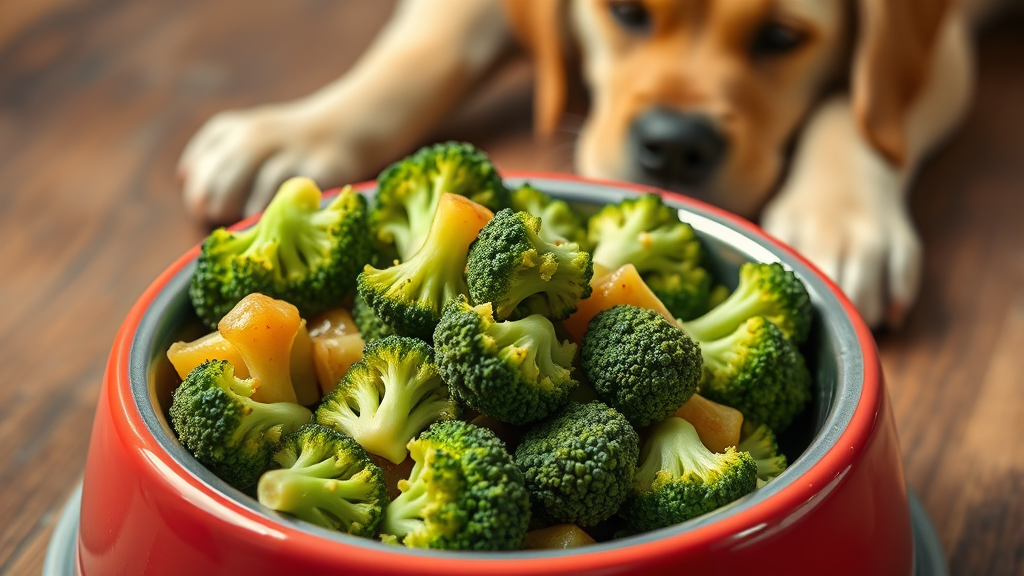
Proper preparation is essential when serving broccoli to your canine companion. The safest way to prepare broccoli for dogs is to steam or lightly cook it without any added seasonings, oils, or butter. Cooking breaks down the tough fibers, making the vegetable easier to digest while reducing the concentration of potentially irritating compounds.
Start by thoroughly washing the broccoli under running water to remove any pesticides or dirt. Cut the broccoli into small, bite-sized pieces appropriate for your dog’s size. For small dogs, pieces should be no larger than a pea, while larger dogs can handle slightly bigger portions. Remove the thick stalk entirely for small dogs, as it poses a significant choking risk.
Steam the broccoli pieces for 5-8 minutes until they’re tender but still retain some firmness. Avoid boiling, as this cooking method can leach out valuable nutrients. Allow the broccoli to cool completely before serving to prevent burns. Never add salt, garlic, onion, or other seasonings that can be toxic to dogs.
Some dogs may prefer raw broccoli, but this should only be offered in very small amounts due to the higher concentration of isothiocyanates and increased choking risk. If offering raw broccoli, ensure pieces are extremely small and always supervise consumption.
Serving Size Guidelines and Frequency
Determining the appropriate serving size for broccoli depends on your dog’s size, weight, and overall diet. As a general rule, treats and supplemental foods should comprise no more than 10% of your dog’s daily caloric intake, with broccoli falling into this category. For a small dog weighing 10-20 pounds, one or two small florets once or twice per week is sufficient.
Medium-sized dogs weighing 20-50 pounds can safely consume 2-3 small florets per serving, while large dogs over 50 pounds may have up to 4-5 small pieces. These portions should be considered occasional treats rather than regular meal components. The key is moderation – even healthy vegetables can cause digestive upset when consumed in excess.

Frequency is just as important as portion size. Offering broccoli 1-2 times per week is generally safe for most dogs, but daily consumption is not recommended due to the potential for gastrointestinal irritation. Monitor your dog’s reaction after the first few servings to ensure they tolerate the vegetable well.
Keep a food diary when introducing broccoli to track your dog’s response. Note any changes in appetite, bowel movements, or behavior that might indicate sensitivity. If you notice any adverse reactions, discontinue feeding broccoli and consult your veterinarian.
Safe Alternative Vegetables for Dogs
If your dog doesn’t tolerate broccoli well or you’re looking for variety in their vegetable treats, several safe alternatives provide similar nutritional benefits. Carrots are an excellent option, offering beta-carotene, fiber, and natural sweetness that most dogs enjoy. They can be served raw as crunchy treats or cooked for easier digestion.
Green beans are another veterinarian-approved vegetable that’s low in calories and high in fiber. They can be steamed, blanched, or served raw in small pieces. Sweet potatoes provide vitamins A and C along with fiber, though they should be cooked and served in moderation due to their higher sugar content.
Zucchini and cucumber offer hydration along with nutrients and are particularly refreshing during warmer months. Both can be served raw or lightly cooked, making them versatile options for dogs who enjoy different textures. The Humane Society provides comprehensive lists of safe and unsafe foods for pets.
Bell peppers (red, yellow, or green) are rich in vitamins and antioxidants, though some dogs may find them difficult to digest raw. Light cooking can make them more palatable and easier on sensitive stomachs. Always remove seeds and stems from any pepper varieties before serving.
Warning Signs to Watch For
Even when following proper serving guidelines, it’s crucial to monitor your dog for any adverse reactions after consuming broccoli. Common signs of digestive upset include excessive gas, loose stools, diarrhea, vomiting, or loss of appetite. These symptoms typically appear within 2-6 hours after consumption and may indicate that your dog has consumed too much or is sensitive to the vegetable.
More serious warning signs require immediate veterinary attention. These include persistent vomiting, severe diarrhea lasting more than 24 hours, signs of abdominal pain (hunched posture, reluctance to move), or any indication of choking or difficulty swallowing. If you suspect your dog has consumed a large amount of broccoli or is showing signs of intestinal blockage, contact your veterinarian immediately.
Behavioral changes such as lethargy, excessive drooling, or reluctance to eat regular food may also indicate digestive distress. Keep fresh water available at all times, as digestive upset can lead to dehydration. The FDA’s Center for Veterinary Medicine provides additional resources on pet nutrition and food safety.
Some dogs may develop allergic reactions to broccoli, though this is relatively uncommon. Signs of food allergies include itching, skin redness, ear infections, or chronic digestive issues. If you suspect a food allergy, work with your veterinarian to identify triggers through an elimination diet.
Frequently Asked Questions
Can puppies eat broccoli?
Puppies can eat small amounts of properly prepared broccoli, but it’s generally recommended to wait until they’re at least 12 weeks old and have been fully weaned. Their digestive systems are still developing, making them more sensitive to new foods. Always consult your veterinarian before introducing any new foods to puppies, and start with extremely small amounts to gauge tolerance.
Is frozen broccoli safe for dogs?
Frozen broccoli is safe for dogs when thawed and prepared properly. However, avoid frozen broccoli that contains added seasonings, sauces, or other vegetables that may be harmful to dogs. Plain frozen broccoli should be thawed completely, then steamed or lightly cooked before serving. Never give dogs frozen broccoli directly from the freezer, as it can be too hard and pose a choking hazard.
What should I do if my dog ate too much broccoli?
If your dog consumed a large amount of broccoli, monitor them closely for signs of digestive upset such as vomiting, diarrhea, or excessive gas. Ensure they have access to fresh water and withhold food for 12-24 hours to allow their stomach to settle. If symptoms persist beyond 24 hours or worsen, contact your veterinarian immediately. Severe symptoms like persistent vomiting or signs of intestinal blockage require emergency veterinary care.
Can dogs eat broccoli stems?
Broccoli stems can be given to dogs but require extra caution. They should always be cooked to soften the tough fibers and cut into very small pieces to prevent choking. Large or hard pieces of broccoli stem can cause intestinal blockage, especially in smaller dogs. Many veterinarians recommend avoiding stems altogether and sticking to the florets, which are easier to digest and pose fewer risks.
How often can I give my dog broccoli?
Broccoli should be given as an occasional treat, no more than 1-2 times per week. It should never comprise more than 10% of your dog’s daily caloric intake. Regular daily feeding of broccoli is not recommended due to the potential for gastric irritation from isothiocyanates. Variety in treats is beneficial, so consider rotating broccoli with other safe vegetables throughout the week.
Are there any dogs that shouldn’t eat broccoli?
Dogs with sensitive stomachs, inflammatory bowel disease, or other digestive conditions should avoid broccoli or consume it only under veterinary supervision. Dogs with a history of kidney stones may need to limit cruciferous vegetables due to their oxalate content. Senior dogs or those with compromised immune systems should be introduced to new foods gradually and monitored closely for adverse reactions.
Can I give my dog broccoli every day?
Daily broccoli consumption is not recommended for dogs. While broccoli is nutritious, the compounds that make it beneficial can cause digestive upset when consumed regularly. The 10% rule for treats applies to weekly rather than daily intake. Instead of daily broccoli, offer a variety of safe vegetables throughout the week to provide diverse nutrients while minimizing the risk of digestive issues.