Turkey sausage is a popular breakfast staple for many pet owners, and it’s natural to wonder if your furry friend can enjoy this tasty treat. The good news is that plain, unseasoned turkey sausage can be safe for dogs in moderation, but there are important considerations you need to understand before sharing it with your pup. This guide breaks down everything veterinarians recommend about feeding turkey sausage to dogs, including potential risks, safe portions, and healthier alternatives.
As a dog owner, you want to make informed decisions about what goes into your pet’s bowl. Turkey sausage presents a mixed picture—while the protein content is beneficial, the high sodium and fat levels can pose health concerns for dogs. Understanding these nuances helps you decide whether turkey sausage belongs in your dog’s diet and how to serve it safely if you choose to offer it.
Is Turkey Sausage Safe for Dogs?
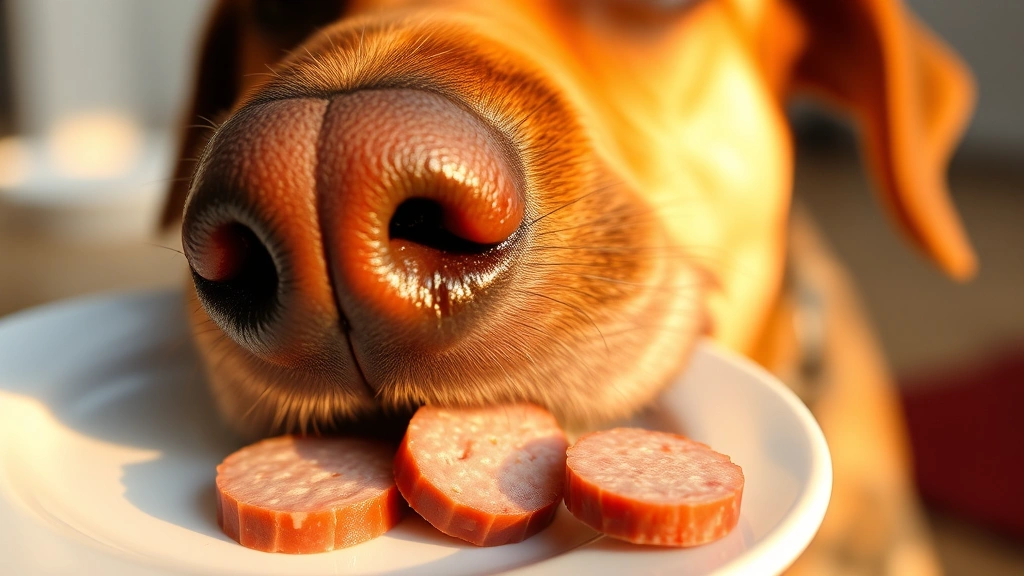
Turkey sausage can be safe for dogs when prepared correctly and served sparingly. Plain, cooked turkey sausage without added seasonings, garlic, onions, or excessive salt is generally acceptable as an occasional treat. However, most commercial turkey sausage products contain ingredients that aren’t ideal for canine consumption, making careful selection essential.
The key distinction lies in preparation. Store-bought turkey sausage often contains preservatives, nitrates, and high sodium levels designed for human palates. Before offering any turkey sausage to your dog, check the ingredient list and ensure it doesn’t contain onions, garlic, or other toxic additives. If you’re unsure, plain, unseasoned turkey meat is always the safer choice than processed sausage.
According to the American Kennel Club, while turkey is generally safe for dogs, processed meat products should be given cautiously due to their sodium and fat content. Veterinarians emphasize that treats should make up no more than 10% of your dog’s daily caloric intake.
Nutritional Content and Concerns
Turkey sausage does offer some nutritional benefits—it’s a lean protein source compared to pork sausage. A typical serving contains approximately 12-15 grams of protein per ounce, which supports muscle development and maintenance. However, the nutritional downsides are significant and warrant careful consideration.
Most turkey sausage products contain 300-400 milligrams of sodium per link, which is problematic for dogs. The recommended daily sodium intake for dogs is approximately 100-300 milligrams, depending on size and age. Excessive sodium can lead to increased thirst, urination, and in severe cases, hypernatremia (sodium poisoning). Additionally, turkey sausage typically contains 15-20 grams of fat per link, and high-fat treats can trigger pancreatitis in susceptible dogs.
The fat content also poses concerns for weight management. A single turkey sausage link can represent 25-40% of a small dog’s daily caloric needs, making it calorie-dense despite its lean meat origin. This is why portion control and frequency are critical when including turkey sausage in your dog’s diet.
Health Risks to Consider
Several health risks are associated with feeding turkey sausage to dogs, particularly when given frequently or in large quantities. Understanding these risks helps you make informed decisions about your pet’s nutrition.
Sodium toxicity: Excessive salt intake can cause serious health problems in dogs. Symptoms of sodium poisoning include excessive thirst, vomiting, diarrhea, tremors, and in severe cases, seizures. Dogs with heart disease, kidney problems, or hypertension are especially vulnerable to high-sodium foods.
Pancreatitis: The high fat content in turkey sausage can trigger acute or chronic pancreatitis, an inflammation of the pancreas. This painful condition requires veterinary treatment and can become life-threatening. Dogs with a history of pancreatitis should never consume turkey sausage.
Gastrointestinal upset: The spices, preservatives, and high fat content can cause stomach upset, vomiting, or diarrhea in sensitive dogs. Some dogs have difficulty digesting processed meats, leading to digestive distress.
Choking hazard: Sausage casings can pose a choking risk, especially for enthusiastic eaters or smaller dogs. Always remove casings before offering turkey sausage to your pet.
Nitrate concerns: Many commercial sausages contain sodium nitrate or nitrites as preservatives. While generally recognized as safe by regulatory agencies, some pet owners prefer to avoid these additives. Research from veterinary nutritionists continues to evaluate long-term effects of processed meat consumption in pets.
Safe Serving Guidelines
If you decide to offer turkey sausage to your dog, following these guidelines minimizes potential health risks:
- Choose plain varieties: Select turkey sausage with minimal ingredients and no added seasonings, garlic, or onions. Avoid “breakfast sausage” blends that typically contain sage and other spices.
- Cook thoroughly: Always serve cooked turkey sausage. Raw or undercooked sausage poses bacterial contamination risks, including E. coli and salmonella.
- Remove casings: Take off the outer casing to eliminate choking hazards and make the meat easier to digest.
- Cut into small pieces: Slice or crumble turkey sausage into appropriately sized pieces for your dog’s mouth size.
- Limit frequency: Offer turkey sausage no more than once or twice per month, not as a regular treat.
- Monitor portions: For small dogs (under 20 pounds), offer only a small piece equivalent to one-quarter of a sausage link. Medium dogs can have up to half a link, and large dogs shouldn’t exceed one full link.
- Avoid adding extras: Never season turkey sausage with salt, pepper, or other spices when preparing it for dogs.

Signs of Digestive Upset
After giving your dog turkey sausage, watch for signs of digestive distress. Some dogs tolerate it well, while others experience adverse reactions. Recognizing these signs helps you determine whether turkey sausage is appropriate for your specific pet.
Common signs of digestive upset include:
- Vomiting or retching within 2-12 hours of consumption
- Diarrhea or soft stools
- Loss of appetite
- Abdominal bloating or distension
- Excessive gas or flatulence
- Lethargy or decreased activity level
- Excessive drooling
If your dog exhibits any of these symptoms after consuming turkey sausage, avoid offering it in the future. Contact your veterinarian if symptoms persist beyond 24 hours or if your dog shows signs of severe distress, such as repeated vomiting or inability to keep food down.
Dogs with sensitive stomachs, food allergies, or previous pancreatitis episodes are at higher risk for adverse reactions. These dogs should never consume turkey sausage, regardless of how well other dogs tolerate it.
Healthier Protein Alternatives
Rather than relying on processed turkey sausage, numerous healthier protein options provide similar nutritional benefits without the associated risks. These alternatives satisfy your dog’s desire for variety while supporting optimal health.
Plain cooked turkey: Plain, unseasoned turkey breast is an excellent protein source. It’s leaner than sausage, contains less sodium, and provides high-quality protein without additives. Boil or bake turkey breast without seasoning and offer small pieces as treats.
Chicken: Boneless, skinless chicken breast is lean, affordable, and widely available. Cook it plain and cut into appropriate-sized pieces for your dog’s size.
Beef: Lean ground beef or beef chunks provide excellent protein. Cook thoroughly without added seasoning or fat.
Fish: Salmon and other fatty fish offer protein plus omega-3 fatty acids that support skin and coat health. Cook without seasoning and remove all bones.
Eggs: Hard-boiled or scrambled eggs (without butter or seasoning) provide complete protein and are gentle on sensitive stomachs.
Vegetables with protein: While not complete proteins, broccoli, corn, and carrots provide fiber and nutrients alongside their trace protein content.
The ASPCA recommends varying protein sources in your dog’s diet while ensuring they meet complete nutritional requirements. Consult your veterinarian about incorporating new proteins, especially for dogs with dietary restrictions or health conditions.
Special Considerations for Different Dogs
Different dogs have different nutritional needs and risk factors that affect whether turkey sausage is appropriate for them.
Senior dogs: Older dogs often have compromised kidney and heart function. The high sodium content in turkey sausage can exacerbate these conditions. Senior dogs should avoid processed sausage entirely and stick to plain, unseasoned protein sources.
Puppies: Growing puppies require balanced nutrition with appropriate mineral ratios. Turkey sausage’s high sodium and fat content can interfere with proper development. Stick to high-quality puppy food and plain protein sources.
Dogs with pancreatitis: Any dog with a history of pancreatitis should never consume turkey sausage. The fat content triggers inflammation and causes severe pain. Work with your veterinarian to identify safe treat options.
Overweight dogs: Dogs carrying extra weight should avoid calorie-dense treats like turkey sausage. Focus on low-calorie vegetables and lean proteins in appropriate portions.
Dogs with heart disease: Sodium restriction is critical for dogs with cardiac conditions. Turkey sausage’s sodium content makes it unsuitable for these pets.
Dogs with food allergies: Dogs with chicken or poultry allergies may react to turkey sausage. Those with sensitivity to spices or additives should avoid processed sausage products.
Small breed dogs: Toy and small breed dogs have higher caloric needs per pound but smaller stomach capacities. A single turkey sausage link represents a substantial portion of their daily intake, making it an inappropriate treat frequency.
FAQ
Can puppies eat turkey sausage?
Puppies should not eat turkey sausage. Growing dogs require carefully balanced nutrition, and turkey sausage’s high sodium and fat content can interfere with proper development. Stick to high-quality puppy food formulated for your dog’s age and size.
Is smoked turkey sausage safe for dogs?
Smoked turkey sausage is less ideal than plain varieties because smoking adds additional sodium and potentially harmful compounds. If offering any sausage, plain varieties are safer than smoked options.
Can dogs eat turkey sausage with seasonings?
No, dogs should never eat seasoned turkey sausage. Common sausage seasonings like garlic and onion are toxic to dogs. Even spices like sage and pepper can upset sensitive stomachs. Always offer plain, unseasoned turkey sausage only.
What should I do if my dog ate turkey sausage accidentally?
If your dog consumed a small amount of plain turkey sausage, monitor them for digestive upset over the next 24 hours. Contact your veterinarian if vomiting, diarrhea, or other symptoms develop. If your dog ate seasoned sausage or sausage containing mushrooms, contact your vet or Pet Poison Helpline immediately.
How often can dogs eat turkey sausage?
If you choose to offer turkey sausage, limit it to no more than once or twice per month. Treats should comprise only 10% of daily caloric intake, making turkey sausage an occasional indulgence rather than a regular treat.
Are there any turkey sausage brands specifically made for dogs?
Yes, some pet food companies produce dog-safe sausage treats with lower sodium and fat content than human-grade products. These are formulated with canine nutrition in mind and are safer options than regular turkey sausage. Consult your veterinarian for brand recommendations.
Can dogs with kidney disease eat turkey sausage?
No, dogs with kidney disease should absolutely avoid turkey sausage. These dogs require sodium-restricted diets, and turkey sausage’s high sodium content can accelerate kidney damage and worsen symptoms.
Is turkey sausage better than pork sausage for dogs?
Turkey sausage is marginally better than pork sausage due to slightly lower fat content, but neither is ideal for regular canine consumption. Both contain excessive sodium and should be treated as rare treats only. If comparing the two, turkey is the safer choice, but plain turkey meat is superior to either sausage product.