

Can Dogs Get STDs? Expert Insights on Canine Sexually Transmitted Infections
One of the most common questions veterinarians hear from concerned dog owners is whether their pets can contract sexually transmitted diseases (STDs). The short answer is yes—dogs can get STDs, but the infections they experience are quite different from those affecting humans. Understanding canine sexual health is crucial for responsible pet ownership, particularly if you’re breeding dogs, have multiple dogs in your home, or allow your dog to interact with other dogs in social settings.
This comprehensive guide explores the reality of STDs in dogs, including which infections are possible, how they spread, warning signs to watch for, and what you can do to protect your furry companion. Whether you’re a first-time dog owner or an experienced breeder, understanding these health risks will help you make informed decisions about your dog’s wellbeing and reproductive health.
Can Dogs Actually Get STDs?
Yes, dogs can definitely contract sexually transmitted infections, though the term “STD” is somewhat of a misnomer in veterinary medicine. Veterinarians typically refer to these conditions as sexually transmitted diseases (STDs) or venereal diseases in dogs. Unlike humans, dogs have a limited range of infections that can be transmitted through sexual contact, and most of these infections are not life-threatening when properly managed.
The most significant difference between canine and human STDs is that dogs cannot contract or transmit many of the infections common in humans, such as HIV, chlamydia, or gonorrhea. However, dogs do have their own set of sexually transmitted pathogens that can cause various health complications if left untreated. The good news is that most canine STDs are preventable through proper veterinary care and responsible breeding practices.
Understanding whether your dog is at risk requires knowledge of their lifestyle, breeding status, and social interactions. Spayed and neutered dogs have virtually no risk of contracting sexually transmitted infections, making spaying and neutering one of the most effective prevention strategies available to pet owners.
Common Canine Sexually Transmitted Infections
Several specific pathogens can be transmitted between dogs through sexual contact. The most common canine STDs include:
Canine Transmissible Venereal Tumor (CTVT)
This is perhaps the most well-known sexually transmitted condition in dogs. CTVT is a contagious tumor that can develop on the genitals of infected dogs. It’s transmitted through direct contact during mating and can also spread through licking or biting contaminated areas. The tumor typically appears as a nodular, bleeding mass on the genitalia. While CTVT sounds alarming, it’s actually quite treatable with chemotherapy and has an excellent prognosis when caught early.
Brucellosis
Canine brucellosis is a bacterial infection caused by Brucella canis. This infection primarily affects the reproductive system and can cause infertility, miscarriages, and premature births in female dogs. Male dogs may experience inflammation of the testicles and reduced sperm quality. Brucellosis is particularly concerning because it can persist for years without obvious symptoms, making infected dogs potential transmitters to other animals.
Herpesvirus (Canine Herpes)
Canine herpesvirus (CHV) is a DNA virus that affects the respiratory and reproductive systems. While it can be transmitted sexually, it can also spread through respiratory droplets. In adult dogs, herpesvirus typically causes mild respiratory symptoms, but in newborn puppies, it can be devastating and potentially fatal. Pregnant dogs infected with herpesvirus may lose their litters or give birth to weak, infected puppies.
Mycoplasma and Ureaplasma
These bacteria can be sexually transmitted and may cause reproductive issues, though they often don’t produce obvious clinical signs. They can contribute to infertility, urinary tract infections, and complications during pregnancy.
Each of these infections requires different treatment approaches and has varying levels of severity. Some, like CTVT, are highly treatable, while others, like brucellosis, require long-term management and careful handling to prevent transmission to other animals.
How Dogs Contract These Infections
Sexual contact is the primary transmission route for most canine venereal diseases, but understanding the specific mechanisms of transmission can help you better protect your dog. During mating, the mucous membranes of the genital tract come into direct contact, providing an ideal pathway for pathogen transmission.
However, transmission isn’t limited to intact mating pairs. Dogs can contract these infections through:
- Direct genital contact during mating or sexual play
- Licking or sniffing infected genital areas
- Contact with infected discharge on bedding, toys, or other surfaces
- Respiratory transmission (particularly with herpesvirus)
- Vertical transmission from mother to puppies during pregnancy or birth
This is why multi-dog households and breeding environments carry higher risks. Even dogs that aren’t actively mating may contract infections through casual contact with infected individuals. Understanding these transmission routes emphasizes why spaying and neutering are so effective—they eliminate the mating behavior that creates most transmission opportunities.
If you maintain an intact dog, whether for breeding purposes or otherwise, you should understand that your dog is at significantly higher risk of exposure to these pathogens compared to spayed or neutered dogs. Responsible breeding includes regular health screenings and testing to minimize disease transmission.

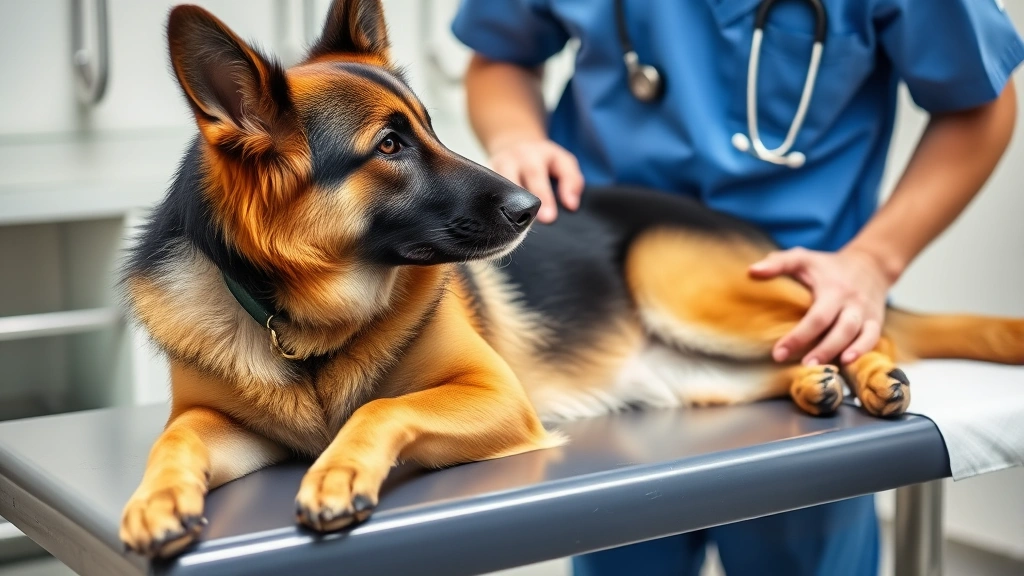
” alt=”Dog receiving veterinary examination for reproductive health assessment”>
Symptoms and Warning Signs
The clinical presentation of canine STDs varies depending on which pathogen is involved. Some infections cause obvious, visible symptoms, while others may be silent for extended periods. Recognizing potential warning signs is crucial for early detection and treatment.
Visible Genital Signs
Dogs with CTVT or other genital infections may display:
- Unusual discharge from the genital area (bloody, purulent, or discolored)
- Swelling or enlargement of the genitals
- Visible masses, bumps, or ulcers on or around the genitalia
- Excessive licking or attention to the genital region
- Bleeding from the genital area
Behavioral and Systemic Signs
More systemic infections like brucellosis may present with:
- Infertility or repeated breeding failures
- Lethargy and reduced energy levels
- Fever or elevated body temperature
- Enlarged lymph nodes
- Joint pain or lameness (brucellosis can cause arthritis)
- Loss of appetite or weight loss
Reproductive Complications
Female dogs with STDs may experience:
- Miscarriages or premature labor
- Stillborn puppies
- Weak or sick puppies at birth
- Inability to conceive despite regular mating
- Prolonged vaginal discharge
Male dogs infected with certain pathogens may show:
- Reduced sperm quality or quantity
- Testicular swelling or pain
- Discharge from the penis
- Behavioral changes during breeding attempts
It’s important to note that some infected dogs may show no obvious symptoms, particularly in the early stages of brucellosis or with certain herpesvirus infections. This is why regular veterinary checkups are essential, especially for breeding dogs.
Diagnosis and Treatment Options
If you suspect your dog may have contracted an STD, your veterinarian will conduct a thorough diagnostic workup. Diagnosis methods vary depending on the suspected infection:
Diagnostic Procedures
Your vet may perform:
- Physical examination of the genital area with visual inspection and palpation
- Cytology—microscopic examination of cells collected from genital discharge
- Bacterial culture to identify specific bacteria and determine antibiotic sensitivity
- Blood tests including serology for brucellosis antibodies
- Biopsy of suspicious masses for histopathological examination
- PCR testing for viral identification
- Semen analysis in breeding males to assess fertility
Treatment Approaches
Treatment depends entirely on the specific infection diagnosed:
CTVT Treatment
Canine transmissible venereal tumors respond well to chemotherapy, particularly doxorubicin. Most dogs achieve complete remission with appropriate treatment. Surgical removal combined with chemotherapy offers excellent success rates, with cure rates exceeding 90% in many cases.
Brucellosis Management
Brucellosis is more challenging to treat. Treatment typically involves prolonged antibiotic therapy (usually 4-6 weeks of doxycycline combined with streptomycin or gentamicin). However, complete cure is difficult to achieve, and many dogs remain carriers even after treatment. Infected dogs should be isolated from other dogs and should not be bred.
Herpesvirus Care
There’s no specific cure for canine herpesvirus. Treatment is supportive, focusing on managing respiratory symptoms and preventing secondary infections. Vaccination is available for breeding dogs to provide some protection, particularly for pregnant females.
Bacterial Infection Treatment
Mycoplasma and ureaplasma infections are typically treated with appropriate antibiotics based on culture and sensitivity results. Treatment duration varies but usually ranges from 2-4 weeks.
The key to successful treatment is early detection. Dogs diagnosed and treated promptly generally have much better outcomes than those with advanced infections.

” alt=”Veterinarian consulting with dog owner about reproductive health and STD prevention”>
Prevention Strategies
Prevention is always preferable to treatment when it comes to sexually transmitted infections in dogs. Several evidence-based strategies can significantly reduce your dog’s risk:
Spaying and Neutering
The most effective prevention strategy is spaying and neutering your dog. This eliminates the primary transmission route (mating behavior) and is recommended by veterinarians and organizations like the American Kennel Club for non-breeding dogs. Spayed and neutered dogs have virtually zero risk of contracting sexually transmitted infections.
Responsible Breeding Practices
If you breed dogs, implement rigorous health screening protocols:
- Test all breeding dogs for brucellosis before breeding
- Vaccinate breeding females against herpesvirus
- Maintain health records and share them with potential breeding partners
- Screen for genetic diseases and reproductive issues
- Work with veterinarians experienced in reproductive health
Controlled Socialization
Limit your intact dog’s contact with unknown dogs, particularly in areas where sexual contact might occur. Be cautious at dog parks and similar venues if your dog is unaltered.
Regular Veterinary Checkups
Schedule regular examinations with your veterinarian. Annual or semi-annual checkups allow early detection of any reproductive health issues. For breeding dogs, more frequent reproductive health assessments are recommended.
Hygiene Practices
Maintain good hygiene in multi-dog households:
- Wash bedding regularly
- Clean food and water bowls separately
- Minimize sharing of toys between dogs, especially if any are intact
- Practice good hand hygiene when handling multiple dogs
Health Screening Before Breeding
Before breeding any dog, comprehensive health screening should include reproductive health assessment. This protects not only your dog but also the puppies and other dogs that might come into contact with your dog.
When to Contact Your Veterinarian
Certain situations warrant immediate veterinary attention. Contact your vet if your dog shows:
- Any unusual discharge from the genital area
- Visible masses, swelling, or sores on or around the genitals
- Excessive licking or attention to the genital region lasting more than a few days
- Signs of pain or discomfort during urination or defecation
- Fever combined with lethargy or loss of appetite
- Repeated breeding failures if you’re a breeder
- Bloody urine or feces
- Enlarged lymph nodes
- Joint pain or lameness of unknown cause
If your dog has been exposed to a known infected dog, inform your veterinarian immediately. Depending on the exposure and your dog’s status, your vet may recommend preventive measures or testing.
For breeding dogs, schedule a pre-breeding health assessment with your veterinarian. This should include reproductive tract examination and appropriate testing for common sexually transmitted pathogens. This investment in preventive health care protects your dog and any offspring.
Remember that many STDs in dogs are manageable or even curable when caught early. Prompt veterinary attention can make a significant difference in outcomes. Don’t delay if you notice anything unusual about your dog’s reproductive health.
FAQ
Can my spayed or neutered dog get an STD?
Spayed and neutered dogs have virtually no risk of contracting sexually transmitted infections. The primary transmission route for these infections is mating behavior, which is eliminated through spaying and neutering. Even if a spayed or neutered dog comes into contact with an infected dog, transmission is extremely unlikely.
Are canine STDs contagious to humans?
No, canine sexually transmitted infections cannot be transmitted to humans. These pathogens are species-specific and only affect dogs. You cannot contract CTVT, brucellosis, or canine herpesvirus from your dog.
How much does treatment for canine STDs cost?
Treatment costs vary widely depending on the specific infection and severity. CTVT treatment with chemotherapy might range from $500-$2,000. Brucellosis treatment with prolonged antibiotics could cost $300-$800. Diagnostic testing typically runs $100-$500. Consult your veterinarian for specific cost estimates based on your dog’s condition.
If my dog has an STD, can they still have puppies?
This depends on the specific infection and its severity. Some infections cause infertility, while others may allow reproduction but pose risks to offspring. Infected dogs should not be bred without veterinary clearance. Many infections should prevent breeding entirely to avoid transmitting the disease to puppies and other dogs.
How long does it take to treat canine STDs?
Treatment duration varies significantly. CTVT chemotherapy typically takes 4-8 weeks. Brucellosis antibiotic treatment usually lasts 4-6 weeks, though dogs may remain carriers. Herpesvirus has no cure, but supportive care can last several weeks. Your veterinarian will provide specific timelines based on diagnosis.
Can dogs get STDs from other sources besides mating?
While mating is the primary transmission route, dogs can contract some infections through other contact. Herpesvirus can spread through respiratory droplets. CTVT can theoretically spread through licking or biting contaminated areas. Brucellosis is almost exclusively sexually transmitted. Most transmission occurs during mating, but other close contact can pose some risk.
What’s the difference between spaying/neutering and other birth control methods for dogs?
Spaying and neutering are the only surgical sterilization methods. Other options like hormone injections or implants can prevent pregnancy but don’t eliminate the mating behavior that transmits STDs. For STD prevention specifically, surgical sterilization is most effective. However, you might also consider exploring safe alternatives for maintaining your dog’s nutritional health, such as learning if dogs can eat broccoli, whether carrots are safe, and other dietary considerations that support overall wellness.
Should I test my dog for STDs even if they show no symptoms?
For breeding dogs, yes. Many STDs, particularly brucellosis, can be asymptomatic for extended periods while the dog remains infectious. The American Animal Hospital Association recommends testing breeding dogs before mating. For non-breeding dogs, testing is typically unnecessary if they’re spayed or neutered.





