

Can Dogs Get Hand-Foot-Mouth Disease? Vet Insights
Hand-foot-and-mouth disease (HFMD) is a common viral infection that primarily affects human infants and young children, causing painful blisters and fever. As a concerned pet parent, you might wonder whether your canine companion can contract this contagious illness from family members or if it poses any cross-species transmission risk. The straightforward answer is reassuring: dogs cannot get hand-foot-and-mouth disease as it affects humans.
Understanding the differences between human and canine viral infections helps pet owners make informed decisions about their dog’s health and household safety. This comprehensive guide explores what hand-foot-and-mouth disease is, why dogs are immune to it, what similar conditions affect dogs, and when to contact your veterinarian about concerning symptoms in your furry friend.
What Is Hand-Foot-and-Mouth Disease?
Hand-foot-and-mouth disease is a contagious viral infection caused primarily by enterovirus 71 (EV-A71) and coxsackievirus A16, though other enteroviruses can also trigger the condition. This illness typically affects children under ten years old, though adults can contract it as well. The infection spreads through direct contact with respiratory secretions, saliva, or fecal matter from infected individuals.
The characteristic symptoms of HFMD include painful blisters and ulcers inside the mouth, on the palms of the hands, and on the soles of the feet. Infected individuals often experience fever, sore throat, and general malaise lasting 7-10 days. While uncomfortable, HFMD is usually self-limiting and resolves without specific medical treatment, though supportive care helps manage symptoms.
According to the CDC’s official guidance on hand-foot-and-mouth disease, most cases occur in summer and early fall, particularly in childcare settings and schools. The virus spreads rapidly in environments where young children interact closely, making prevention through hygiene practices essential for human health.
Can Dogs Contract HFMD from Humans?
The direct answer is no—dogs cannot contract hand-foot-and-mouth disease from infected humans or other animals. This is because HFMD is species-specific, meaning the viruses that cause this illness in humans have evolved to infect only human cells and cannot establish infection in canine tissues.
Even if a dog ingests saliva, respiratory droplets, or other bodily fluids from someone with active HFMD, the virus cannot replicate in the dog’s cells. The viral attachment mechanisms and cellular receptors required for infection are fundamentally different between human and canine biology. This biological barrier provides complete protection for your pet, so you don’t need to isolate your dog from family members diagnosed with HFMD.
However, this doesn’t mean your dog is immune to all human viruses. While dogs cannot catch the specific enteroviruses causing HFMD, they can contract certain other human viruses through different mechanisms. The key distinction is understanding which illnesses pose genuine cross-species transmission risks and which do not.
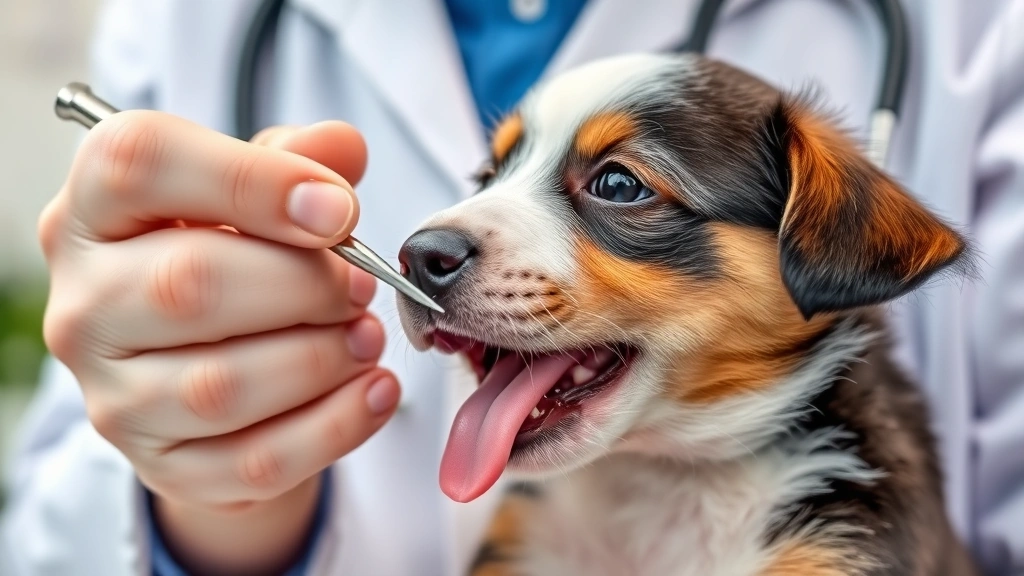
Why Dogs Are Immune to HFMD
Dogs are naturally immune to hand-foot-and-mouth disease due to fundamental differences in viral receptor compatibility and immune system architecture. Viruses operate through a lock-and-key mechanism: the virus must recognize and bind to specific cellular receptors on a host’s cells to initiate infection. The enteroviruses causing HFMD evolved to recognize only human cellular receptors, which differ significantly from those found on canine cells.
Additionally, dog immune systems have evolved over millennia to recognize and neutralize pathogens specific to canine biology. When exposed to human-specific viruses like those causing HFMD, a dog’s immune system may produce some antibodies, but these provide no meaningful protection because the virus cannot establish infection in the first place. The virus simply cannot cross the species barrier.
This species-specificity applies to many viral infections. Understanding this concept helps explain why certain diseases affect only specific animals. For instance, dogs have their own enteroviruses and other pathogens that rarely, if ever, affect humans. This mutual protection through evolutionary divergence is a fascinating aspect of veterinary medicine and comparative virology.
Similar Viral Conditions in Dogs
While dogs cannot get HFMD, they do suffer from various viral infections with somewhat similar presentations. Understanding these dog-specific illnesses helps you recognize when veterinary care is necessary and distinguish between minor viral infections and serious conditions requiring intervention.
Canine Parvovirus (CPV) is perhaps the most concerning viral infection affecting dogs, particularly puppies. This highly contagious virus causes severe gastrointestinal symptoms including vomiting, diarrhea (often bloody), and dehydration. CPV can be life-threatening without prompt veterinary treatment. Vaccination provides excellent protection against this disease.
Canine Distemper is another serious viral infection that affects the respiratory, gastrointestinal, and nervous systems. Symptoms include fever, nasal discharge, coughing, and neurological signs. Like parvovirus, distemper is preventable through vaccination and is rarely seen in properly vaccinated dogs.
Canine Herpesvirus (CHV) primarily affects puppies, causing respiratory symptoms and potentially fatal infections in neonates. Adult dogs may show mild respiratory signs or no symptoms at all, serving as asymptomatic carriers. This virus spreads through direct contact and respiratory secretions.
Infectious Canine Tracheobronchitis, commonly called kennel cough, is caused by various viral and bacterial agents including parainfluenza virus and Bordetella bronchiseptica. This condition causes a characteristic dry, hacking cough and is highly contagious in environments where dogs congregate. Most cases resolve within 1-3 weeks without treatment, though cough suppressants may provide comfort.
The American Animal Hospital Association provides comprehensive information about contagious canine diseases that every dog owner should understand.

Signs Your Dog Might Have a Viral Infection
Recognizing symptoms of viral infections in dogs enables early veterinary intervention when necessary. While many viral infections are self-limiting, some require supportive care or medical treatment to ensure your dog’s recovery and prevent complications.
Respiratory symptoms commonly accompany viral infections in dogs. Watch for coughing (particularly dry, hacking coughs), sneezing, nasal discharge (clear, cloudy, or bloody), and labored breathing. Some dogs may seem lethargic or have reduced appetite when fighting respiratory infections.
Gastrointestinal symptoms suggest infections affecting the digestive system. Vomiting, diarrhea (especially bloody diarrhea), loss of appetite, and abdominal discomfort warrant veterinary evaluation. Dehydration can develop rapidly in puppies and senior dogs with gastrointestinal symptoms.
Systemic symptoms indicate the infection is affecting your dog’s overall health. Fever, lethargy, depression, reduced appetite, and general malaise suggest your dog is fighting a significant infection. Some dogs may have difficulty walking, tremors, or other neurological signs with certain viral infections.
Oral symptoms in dogs differ from the distinctive blisters seen in human HFMD but may still indicate viral infection. Look for excessive drooling, difficulty eating, bad breath, or visible sores in the mouth. These symptoms may suggest oral infections, though they’re rarely caused by the same viruses affecting humans.
Understanding your dog’s normal behavior and appetite helps you notice subtle changes indicating illness. Keep track of bathroom habits, energy levels, and eating patterns to provide your veterinarian with detailed information during consultations.
Protecting Your Dog from Other Infections
While your dog won’t catch HFMD from infected family members, maintaining good hygiene practices protects your pet from other potential infections. Handwashing after contact with sick individuals, before handling your dog’s food, and after petting other animals reduces disease transmission risks.
Vaccination is the cornerstone of canine disease prevention. Ensure your dog receives appropriate vaccines based on age, lifestyle, and regional disease prevalence. Core vaccines protect against parvovirus, distemper, and rabies. Non-core vaccines may be recommended for dogs with specific risk factors or lifestyles. Discuss your dog’s vaccination schedule with your veterinarian to ensure optimal protection.
Maintaining your dog’s overall health through proper nutrition supports immune function. Providing high-quality food with appropriate nutrients helps your dog’s body mount effective immune responses when exposed to pathogens. If you’re unsure about your dog’s diet, consult your veterinarian or consider whether dogs can eat scrambled eggs as dietary supplements, or explore how to make bone broth for dogs for immune-supporting treats.
Regular veterinary checkups allow early detection of health issues before they become serious. Annual wellness exams assess your dog’s overall health and catch developing problems during manageable stages. Senior dogs benefit from twice-yearly examinations to monitor age-related changes.
Limiting exposure to other sick dogs during illness outbreaks reduces infection risk. Avoid dog parks, boarding facilities, and grooming appointments when other dogs in your community show signs of contagious illness. If your dog shows illness symptoms, keep them home and away from other animals until symptoms resolve.
Maintaining a clean living environment reduces pathogen transmission. Regular cleaning of food bowls, water dishes, bedding, and toys helps prevent reinfection and protects other household pets. Proper waste disposal prevents fecal-oral transmission of intestinal pathogens.
When to Call Your Veterinarian
Understanding when to seek veterinary care versus when symptoms likely resolve independently helps you provide appropriate care for your dog. Some situations warrant immediate professional evaluation, while others may resolve with supportive home care.
Contact your veterinarian promptly if your dog shows:
- Persistent vomiting or inability to keep food or water down
- Bloody diarrhea or diarrhea lasting more than 24 hours
- Severe lethargy or unresponsiveness
- Difficulty breathing or severe coughing
- High fever (over 103°F or 39.4°C)
- Neurological symptoms including tremors, seizures, or loss of coordination
- Inability to urinate or defecate normally
- Signs of severe pain or distress
Seek emergency veterinary care if your dog shows:
- Collapse or loss of consciousness
- Severe difficulty breathing or choking
- Uncontrolled bleeding
- Extreme abdominal pain or distension
- Exposure to known toxins
- Severe trauma or injury
Your veterinarian can perform diagnostic tests to identify the specific pathogen causing symptoms and recommend appropriate treatment. For suspected viral infections, supportive care often includes fluid therapy, antiemetics for nausea, and rest. Antibiotics are not effective against viral infections but may be prescribed if secondary bacterial infections develop.
The ASPCA provides guidance on determining when veterinary care is necessary, helping pet owners make informed decisions about their dog’s health.
FAQ
Can my dog catch hand-foot-and-mouth disease from me or my children?
No, dogs cannot contract hand-foot-and-mouth disease from infected humans. The viruses causing HFMD are species-specific and cannot establish infection in canine cells. You can safely care for your dog while you or your family members have HFMD without risk of transmission.
What viral infections can dogs catch from humans?
Dogs very rarely catch viruses from humans due to species-specific viral evolution. While most human viruses cannot infect dogs, some exceptions exist in laboratory settings or theoretical cross-species scenarios. In practical terms, dogs have their own set of pathogens, and humans have theirs, with minimal overlap.
Should I isolate my dog if I have hand-foot-and-mouth disease?
Isolation is unnecessary since your dog cannot contract HFMD. However, practicing good hygiene—washing hands before petting your dog and before handling their food—prevents transmission of other pathogens and maintains general household health standards.
What symptoms would indicate my dog has a viral infection?
Common viral infection symptoms in dogs include coughing, sneezing, nasal discharge, vomiting, diarrhea, fever, lethargy, and reduced appetite. Symptoms vary depending on which virus is involved and which body systems it affects. Contact your veterinarian if symptoms persist or worsen.
How can I protect my dog from viral infections?
Vaccination provides the best protection against serious canine viral infections. Maintain current vaccines, practice good hygiene, provide balanced nutrition to support immune function, ensure regular veterinary checkups, and limit exposure to other sick animals. Understanding why your dog is always hungry can also help you ensure proper nutrition for immune support.
Is hand-foot-and-mouth disease dangerous for my family members?
HFMD is generally mild and self-limiting in most people, though it can be uncomfortable. Severe complications are rare but can occur in immunocompromised individuals. Practicing good hygiene, handwashing, and avoiding contact with others while symptomatic helps prevent transmission within families and communities.
Can dogs get other human diseases?
Dogs occasionally contract certain zoonotic diseases (illnesses transmissible between humans and animals), but these are relatively uncommon in developed countries with good sanitation. Examples include certain parasites and some bacterial infections. Your veterinarian can discuss specific risks based on your location and lifestyle.
What should I feed my dog during a viral infection?
During illness, offer bland, easily digestible foods if your dog has appetite. Many veterinarians recommend chicken and rice, though some dogs may prefer canned tuna for dogs as a palatable protein source. Ensure adequate hydration by providing fresh water frequently. Consult your veterinarian before making dietary changes during illness.





