
Can Dogs Get UTIs? Vet Insights and Tips
Yes, dogs absolutely can get urinary tract infections (UTIs), and they’re more common than many pet owners realize. Just like humans, our canine companions can develop bacterial infections in their urinary system that cause discomfort and require veterinary treatment. UTIs in dogs can range from mild cases that resolve quickly with antibiotics to severe infections that lead to serious complications if left untreated.
Understanding whether your dog might have a UTI is crucial for their health and wellbeing. Many dog owners don’t recognize the early warning signs, which can lead to prolonged suffering and more serious urinary issues. In this comprehensive guide, we’ll explore everything you need to know about canine UTIs, from causes and symptoms to treatment options and prevention strategies backed by veterinary expertise.
What Is a UTI in Dogs?
A urinary tract infection occurs when bacteria colonize and multiply in the urinary system, which includes the bladder, urethra, and sometimes the kidneys. Normally, the urinary tract has natural defense mechanisms that prevent bacterial growth, but when these defenses weaken or become compromised, infection can develop. The most common type of UTI in dogs is cystitis, which specifically affects the bladder.
According to the American Animal Hospital Association, approximately 14% of dogs will experience a UTI at some point in their lives, though this number increases significantly in older dogs and those with certain health conditions. UTIs are particularly prevalent in senior dogs over age 7, where the incidence can reach 27% or higher.
Understanding the anatomy helps explain why UTIs occur. A dog’s urethra is longer in males than females, which actually provides some protection against infection. However, females are still more susceptible because their shorter urethra makes it easier for bacteria to travel upward into the bladder. The urinary system’s job is to filter waste from the blood and store it until elimination, so any disruption in this process can lead to infection.
Common Causes of Canine UTIs
Multiple factors can increase your dog’s risk of developing a urinary tract infection. The most common culprit is bacteria, with E. coli being the most frequent offender. However, other bacteria like Staphylococcus and Proteus can also cause infections.
Risk factors that increase UTI susceptibility include:
- Age: Senior dogs have weakened immune systems and reduced urinary control
- Gender: Female dogs experience UTIs more frequently than males
- Urinary retention: Not urinating frequently enough allows bacteria to multiply
- Diabetes: High blood sugar levels in urine create an ideal environment for bacterial growth
- Cushings disease: This hormonal condition suppresses immune function
- Kidney disease: Compromised kidney function affects urinary tract health
- Obesity: Excess weight can interfere with proper urinary tract function
- Urinary stones: Mineral deposits can irritate the urinary tract and trap bacteria
- Spinal cord injuries: These can prevent complete bladder emptying
- Incontinence: Inability to control urination increases infection risk
Your dog’s diet can also play a role in UTI development. While we discuss whether kibble is bad for dogs, it’s worth noting that some commercial diets may not provide optimal urinary health support. Additionally, ensuring your dog stays hydrated is essential—dehydration concentrates urine and creates a more hospitable environment for bacteria. Many dogs don’t drink enough water, particularly if they primarily eat dry food.
Anatomical abnormalities can also predispose dogs to UTIs. Some breeds are genetically prone to urinary issues, and certain congenital conditions can affect the urinary tract’s ability to function properly.
Signs Your Dog Might Have a UTI
Recognizing UTI symptoms early can prevent complications and get your dog relief faster. The signs of a urinary tract infection in dogs can be subtle or quite obvious, depending on the severity of the infection.
Common symptoms include:
- Frequent urination, often in small amounts
- Straining or difficulty urinating
- Urgent need to urinate (frequently asking to go outside)
- Blood or cloudiness in urine
- Strong or foul-smelling urine
- Accidents or loss of housetraining in previously trained dogs
- Excessive licking of the genital area
- Discomfort or pain during urination
- Lethargy or decreased activity levels
- Loss of appetite
If your dog suddenly starts having indoor accidents after being housetrained, this is often the first sign dog owners notice. Some dogs may also display behavioral changes like anxiety or restlessness. In severe cases, especially if the infection has spread to the kidneys, your dog might develop fever, vomiting, or abdominal pain.
It’s important to distinguish UTI symptoms from other conditions. If your dog is coughing and gagging, this typically indicates a respiratory issue rather than a UTI. However, systemic infections that affect multiple body systems can cause varied symptoms.
How Vets Diagnose UTIs
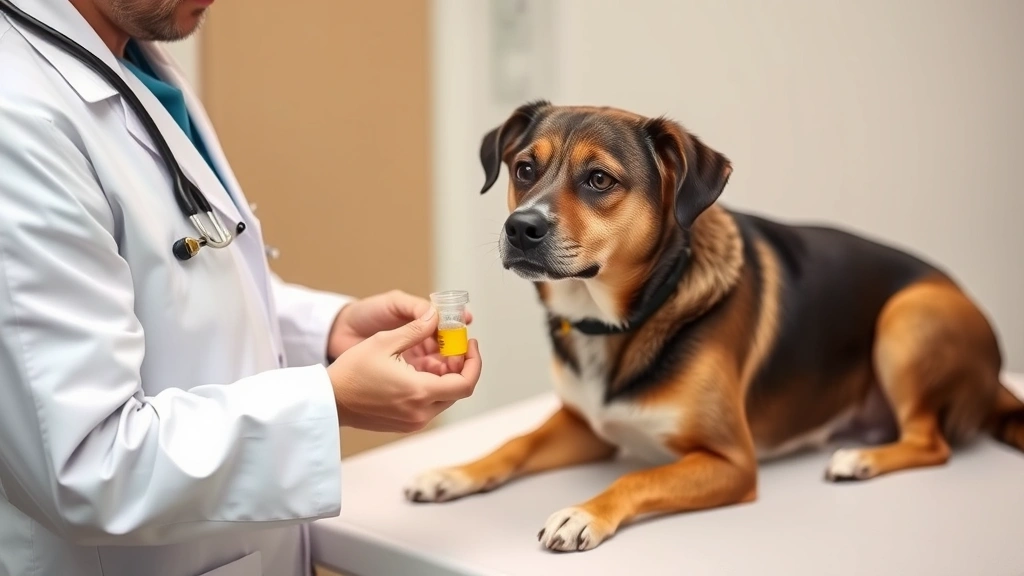
Proper diagnosis is essential because UTI symptoms can overlap with other urinary tract conditions like bladder stones or incontinence. Your veterinarian will use several diagnostic tools to confirm a UTI and identify the specific bacteria causing the infection.
Diagnostic procedures typically include:
- Urinalysis: A laboratory examination of your dog’s urine that checks for bacteria, white blood cells, red blood cells, and other abnormalities. This is usually the first test performed.
- Urine culture: A more detailed test where urine is cultured to identify the specific bacteria present and determine which antibiotics will be most effective. This takes several days but provides crucial information for targeted treatment.
- Physical examination: Your vet will palpate your dog’s abdomen to check for bladder sensitivity or enlargement.
- Ultrasound or X-rays: Imaging may be recommended if your vet suspects complications like bladder stones, tumors, or kidney involvement.
- Blood work: Complete blood count and chemistry panel can reveal systemic infection or underlying conditions contributing to the UTI.
The ASPCA emphasizes the importance of obtaining a urine sample through proper collection methods. Your vet may perform a cystocentesis (sterile needle aspiration directly from the bladder) if contamination is a concern, as this provides the most accurate sample for culture.
Treatment Options
The primary treatment for bacterial UTIs in dogs is antibiotic therapy. Once your veterinarian identifies the specific bacteria through urine culture, they can prescribe the most appropriate antibiotic. Common antibiotics used include amoxicillin, cephalexin, fluoroquinolones, and trimethoprim-sulfadiazole.
Important treatment considerations:
- Complete the full course: Even if symptoms resolve, finish all prescribed antibiotics to prevent recurrence and antibiotic resistance
- Timing: Most uncomplicated UTIs respond to 7-14 days of antibiotic treatment
- Follow-up testing: Your vet may recommend a follow-up urinalysis after treatment completion to confirm the infection is cleared
- Pain management: Anti-inflammatory medications may be prescribed to relieve discomfort during urination
- Increased hydration: Encouraging water intake helps flush bacteria from the system
Beyond antibiotics, supportive care is crucial. Ensure your dog has frequent opportunities to urinate—this helps flush bacteria from the urinary tract naturally. Some veterinarians recommend supplements like plain Greek yogurt for its probiotic content, though you should consult your vet before adding supplements. Cranberry supplements are sometimes suggested, though scientific evidence for their effectiveness in dogs is limited.
For complicated UTIs—those involving the kidneys, upper urinary tract, or occurring in dogs with underlying conditions—treatment may be more intensive and require hospitalization, IV antibiotics, or catheterization.
Recurrent UTIs require investigation into underlying causes. If your dog experiences multiple infections, your veterinarian may recommend imaging to check for anatomical issues, dietary modifications to support urinary health, or management of contributing conditions like diabetes.
Prevention Strategies
While you can’t always prevent UTIs entirely, several strategies significantly reduce your dog’s risk of infection.
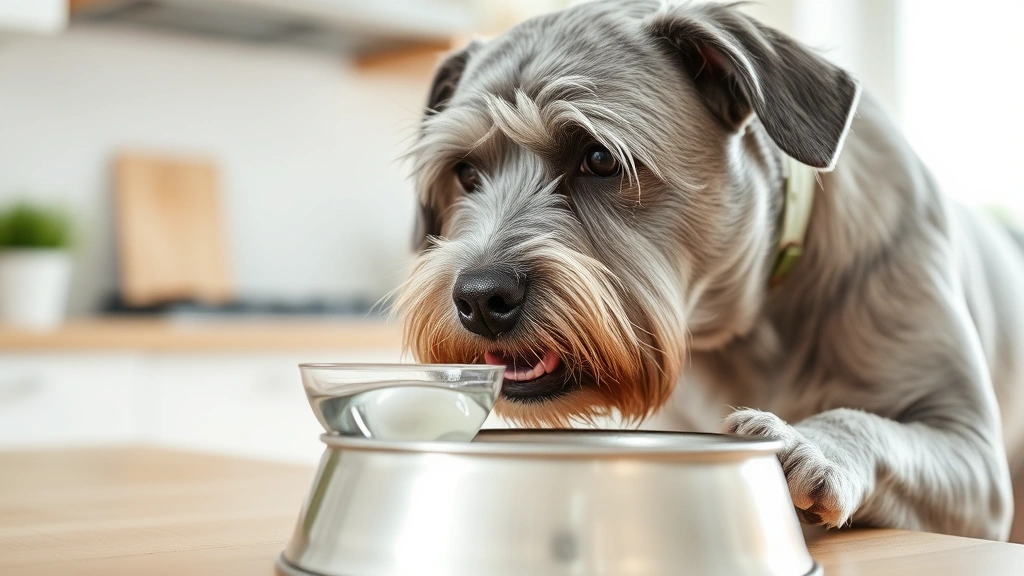
Hydration is paramount: Ensure your dog always has access to fresh, clean water. Increased water intake dilutes urine and promotes frequent urination, both of which help prevent bacterial proliferation. Dogs eating primarily dry food may need encouragement to drink more water—consider adding a water fountain, which many dogs find more appealing than standing bowls.
Frequent bathroom breaks: Take your dog outside regularly, especially before bedtime and first thing in the morning. Frequent urination prevents urine from sitting in the bladder where bacteria can multiply. This is particularly important for senior dogs who may have decreased bladder capacity.
Diet considerations: While we explore what dogs can eat like broccoli, remember that overall nutritional balance matters for immune function. A high-quality diet supports your dog’s natural defenses against infection. Some specialized veterinary diets are formulated specifically to support urinary tract health by adjusting mineral content and urine pH.
Weight management: Maintaining a healthy weight reduces stress on the urinary system and supports overall immune function. Obesity increases infection risk, so discuss appropriate exercise and nutrition with your vet.
Manage underlying conditions: If your dog has diabetes, Cushing’s disease, or other conditions that increase UTI risk, work closely with your veterinarian to keep these conditions well-controlled. Proper management of these diseases directly reduces UTI incidence.
Regular veterinary checkups: Annual wellness exams for younger dogs and twice-yearly exams for senior dogs allow your vet to catch early signs of urinary issues. Urinalysis is often included in routine bloodwork for older dogs.
Hygiene practices: Keep the genital area clean, especially in female dogs. After urination or defecation, gentle cleaning can prevent bacteria from migrating to the urethra.
Probiotics: Some research suggests that certain probiotics may help maintain healthy urinary tract flora. However, always consult your veterinarian before starting supplements.
Understanding your individual dog’s risk factors allows you to tailor prevention strategies. For example, if your dog is female and senior, emphasizing frequent bathroom breaks and hydration becomes even more critical.
FAQ
How long does it take for a dog UTI to go away?
Most uncomplicated UTIs respond to antibiotic treatment within 7-14 days. However, symptoms may improve within 24-48 hours of starting antibiotics. It’s essential to complete the full antibiotic course even if your dog feels better, as stopping early can lead to recurrence and antibiotic-resistant bacteria. Your veterinarian may recommend a follow-up urinalysis 5-7 days after treatment completion to confirm the infection is fully cleared.
Can a dog UTI go away on its own?
While some very mild UTIs might theoretically resolve without treatment, this is risky and not recommended. Untreated UTIs can progress to serious kidney infections that cause permanent damage or become life-threatening. Additionally, allowing an infection to persist causes unnecessary suffering for your dog. Antibiotics are inexpensive, effective, and provide relief, so professional treatment is always the better choice.
Are male or female dogs more prone to UTIs?
Female dogs are significantly more prone to UTIs than males. Females have a shorter urethra, making it easier for bacteria to travel into the bladder. Additionally, the female urethra opening is located in an area more exposed to fecal bacteria. However, males can still develop UTIs, particularly if they have underlying urinary tract abnormalities or health conditions affecting immune function.
What should I feed a dog with a UTI?
During a UTI, continue feeding your dog their regular diet unless your veterinarian recommends otherwise. Ensure they have easy access to food and fresh water. Some vets recommend prescription urinary tract health diets formulated to support recovery, particularly for dogs with recurrent UTIs. These specialized diets often have adjusted mineral content and may promote more dilute urine. Always consult your vet before making dietary changes, especially during treatment.
Can stress cause UTIs in dogs?
While stress doesn’t directly cause UTIs, it can suppress immune function and make dogs more susceptible to infection. Stressful situations like moving, introducing new pets, or changes in routine can indirectly increase infection risk by weakening natural defenses. Additionally, stress-related behavioral changes might prevent proper urination, allowing bacteria to multiply. Maintaining a calm, stable environment supports your dog’s overall health and immune resilience.
How often should senior dogs be screened for UTIs?
Senior dogs (typically age 7+) should have urinalysis included in their annual or semi-annual wellness exams. Many veterinarians recommend twice-yearly checkups for dogs over 10 years old, which typically include urinalysis. Dogs with a history of recurrent UTIs or underlying conditions predisposing them to infection should be screened more frequently or whenever symptoms appear. Early detection of asymptomatic bacteriuria (bacteria in urine without symptoms) can sometimes prevent symptomatic infections.
Can probiotics prevent UTIs in dogs?
Some research suggests that certain probiotic strains may help maintain healthy urinary tract flora and reduce infection risk. However, evidence in dogs is limited compared to human studies. If you’re interested in probiotics for UTI prevention, discuss specific products and strains with your veterinarian. Quality matters significantly—choose products specifically formulated for dogs from reputable manufacturers. Probiotics work best as part of a comprehensive prevention strategy that includes hydration, frequent urination, and management of underlying conditions.
Your veterinarian remains your best resource for personalized advice about your dog’s urinary tract health. If you notice any signs of a potential UTI or have concerns about your dog’s urinary habits, don’t hesitate to contact your vet. Early intervention prevents complications and ensures your dog receives appropriate treatment quickly. For more information about canine health and nutrition, consult the American Kennel Club or speak with your veterinarian about breed-specific urinary tract concerns.





