
Can Dogs Eat Bean Sprouts? Vet Insights and Safety Guide
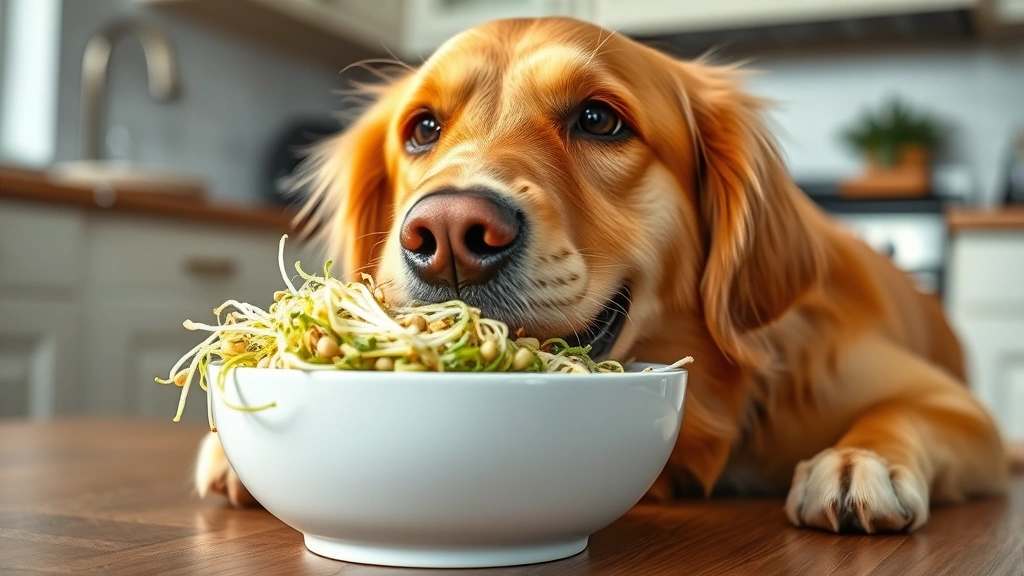
Bean sprouts are a nutrient-dense vegetable that many health-conscious pet owners wonder about adding to their dog’s diet. The short answer is yes—dogs can safely eat bean sprouts in moderation, provided they’re prepared correctly and introduced gradually. However, like any new food, there are important considerations to keep in mind before offering them to your furry companion.
As a dog owner, you want to make informed decisions about what goes into your pet’s bowl. Bean sprouts are low in calories, high in vitamins and minerals, and can offer some nutritional benefits. But understanding proper preparation methods, portion sizes, and potential risks is essential to ensure your dog enjoys them safely. This comprehensive guide breaks down everything you need to know about feeding bean sprouts to your dog.
Are Bean Sprouts Safe for Dogs?
Bean sprouts are generally safe for dogs when prepared and served appropriately. Unlike some human foods that are toxic to canines, bean sprouts don’t contain any inherently harmful compounds for dogs. The American Veterinary Medical Association recognizes certain vegetables as safe additions to a balanced canine diet, and bean sprouts fall into this category when introduced properly.
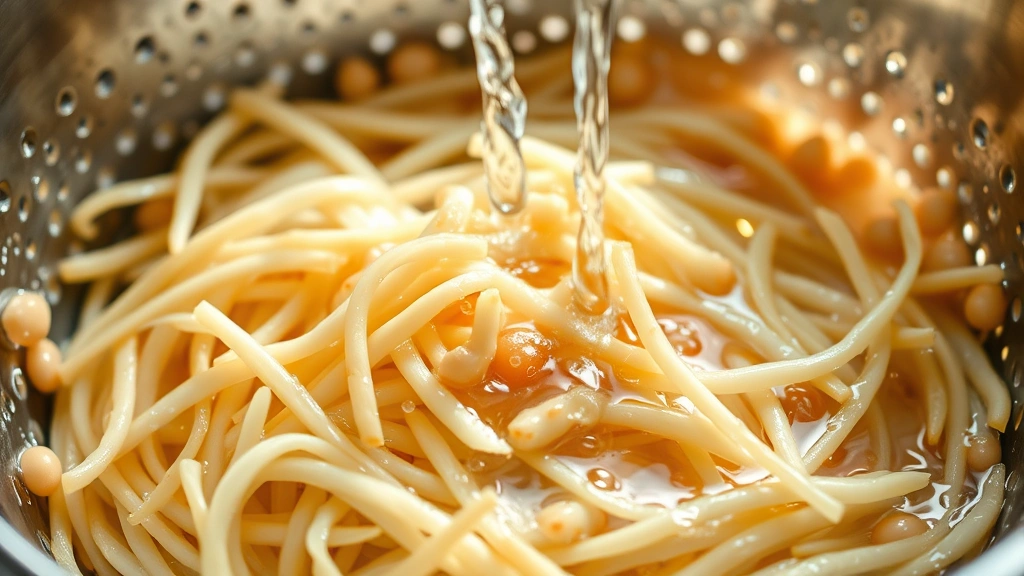
The key to safety lies in preparation and portion control. Raw bean sprouts are perfectly safe for dogs, as are lightly cooked varieties. However, you should always wash them thoroughly under running water to remove any bacteria or contaminants. If you’re purchasing pre-packaged sprouts from a grocery store, ensure they haven’t been treated with any chemical preservatives that could upset your dog’s stomach.
According to veterinary nutritionists, introducing any new food to your dog’s diet should be done gradually. Start with a small amount and observe your dog for 24-48 hours to ensure there are no adverse reactions. This approach helps you identify any individual sensitivities your dog might have while minimizing digestive upset.
Nutritional Benefits of Bean Sprouts
Bean sprouts offer several nutritional advantages that make them a worthwhile occasional treat for your dog. They’re approximately 95% water, making them an excellent low-calorie option for dogs that need to maintain a healthy weight. This is particularly beneficial if you’re working on managing your dog’s appetite and hunger levels.
These sprouts contain valuable vitamins and minerals including:
- Vitamin C: Supports immune function and collagen production
- Vitamin K: Essential for blood clotting and bone metabolism
- Folate: Aids in cell division and DNA synthesis
- Potassium: Crucial for heart health and muscle function
- Manganese: Supports bone development and metabolism
- Fiber: Promotes healthy digestion when given in appropriate amounts
The protein content in bean sprouts, though modest, makes them a more complete vegetable option compared to many other produce items. This protein, combined with their fiber content, can support digestive health when included as part of a well-balanced diet. However, bean sprouts should never replace your dog’s primary protein sources from meat-based dog food.
When considering your dog’s overall nutrition, it’s important to understand that treats and vegetables should comprise no more than 10% of their daily caloric intake. The remaining 90% should come from complete and balanced commercial dog food or properly formulated homemade diets. If you’re unsure about your current dog food choice, you might want to review whether your selected brand meets nutritional standards.
How to Prepare Bean Sprouts for Dogs
Proper preparation is crucial for safely serving bean sprouts to your dog. Here’s a step-by-step guide to ensure maximum safety and digestibility:
- Purchase Fresh Sprouts: Select fresh bean sprouts from the refrigerated section of your grocery store. Avoid any that appear slimy, discolored, or have an off-putting odor, as these indicate bacterial growth or spoilage.
- Rinse Thoroughly: Hold the sprouts under cool running water and gently rub them between your fingers to remove any dirt, bacteria, or pesticide residue. Pay special attention to the root ends where bacteria can accumulate.
- Pat Dry: Use a clean paper towel to gently dry the sprouts. Excess moisture can promote bacterial growth and cause digestive upset.
- Trim if Necessary: Cut longer sprouts into smaller, bite-sized pieces to prevent choking hazards, especially for smaller dog breeds.
- Serve Raw or Lightly Cooked: Dogs can enjoy raw bean sprouts as-is, or you can lightly steam them for 2-3 minutes to make them softer and potentially easier to digest. Avoid seasoning of any kind, including salt, garlic, or onion.
- Cool Before Serving: If you’ve cooked the sprouts, allow them to cool completely before offering them to your dog.
Never serve bean sprouts that have been prepared with seasonings, oils, or sauces intended for human consumption. Garlic and onions, common in human recipes, are toxic to dogs and can damage their red blood cells. Additionally, excess salt can contribute to sodium-related health issues in dogs.
Storage is equally important. Keep unused bean sprouts in an airtight container in your refrigerator and use them within 3-5 days. Discard any sprouts that develop mold or show signs of deterioration.
Portion Guidelines and Frequency
When it comes to portion sizes, moderation is key. Bean sprouts should be treated as an occasional treat or food topper rather than a dietary staple. For most dogs, a small handful of bean sprouts (approximately 1-2 tablespoons) served 1-2 times per week is appropriate.
The exact amount depends on your individual dog’s size and dietary needs. Larger dogs can handle slightly more than smaller breeds, but the principle remains the same: sprouts should represent only a tiny fraction of their daily food intake. If you’re uncertain about appropriate portion sizes for your specific dog, consult your veterinarian about proper daily feeding amounts and treat guidelines.
Think of bean sprouts as a supplement to your dog’s regular meals, similar to how you might offer other vegetables like dog-safe peppers. They work well as an occasional mix-in with your dog’s regular kibble or as a standalone snack. Some dogs enjoy them frozen on hot days, which can provide a refreshing treat while supporting hydration.
If your dog is overweight or has specific dietary restrictions, discuss bean sprouts with your vet before introducing them. Even though they’re low in calories, any new food addition should be approved if your dog is on a therapeutic or restricted diet.
Potential Risks and Precautions
While bean sprouts are generally safe, certain risks warrant attention. Raw sprouts, including bean sprouts, have been associated with bacterial contamination in some cases. The warm, moist environment in which they’re grown can harbor pathogens like E. coli and Salmonella. Although dogs have stronger stomach acid than humans and can tolerate some bacterial exposure, contaminated sprouts could potentially cause illness.
To minimize this risk, purchase sprouts from reputable sources with good food safety practices. If there have been recalls on bean sprouts in your area, avoid them until you’re certain they’re safe. Check the FDA website for current food safety alerts.
Another consideration is the potential for digestive upset. Dogs with sensitive stomachs or those not accustomed to vegetables may experience mild gastrointestinal symptoms when introduced to bean sprouts. The fiber content, while beneficial in appropriate amounts, can cause bloating or gas if too much is consumed too quickly.
Additionally, some dogs may have individual allergies or sensitivities to legumes, though this is relatively uncommon. If your dog has a history of legume allergies or has shown reactions to beans, consult your veterinarian before offering bean sprouts.
Dogs with certain health conditions should avoid bean sprouts or consume them only under veterinary supervision. If your dog has kidney disease, urinary issues, or is prone to bladder stones, discuss any dietary additions with your vet first, as the mineral content could potentially affect their condition.
Signs of Digestive Upset
After introducing bean sprouts to your dog’s diet, monitor them carefully for signs of digestive problems. Common indicators of upset include:
- Vomiting or retching
- Diarrhea or loose stools
- Constipation (less common but possible)
- Excessive gas or bloating
- Loss of appetite
- Lethargy or unusual behavior
- Abdominal pain or discomfort (whining, restlessness)
Most mild digestive upset resolves within 24-48 hours once the offending food is removed. However, if symptoms persist, worsen, or if your dog develops other concerning signs like fever or other signs of illness, contact your veterinarian immediately.
If you notice any adverse reaction, discontinue bean sprouts and return to your dog’s regular diet. You can attempt reintroduction after several weeks, but if the same symptoms recur, bean sprouts simply aren’t suitable for your particular dog.
Alternative Vegetables for Dogs
If bean sprouts don’t work out for your dog, numerous other dog-safe vegetables offer similar nutritional benefits. Consider these alternatives:
- Carrots: Low in calories, high in fiber, and naturally abrasive for dental health
- Green Beans: Nutrient-dense and gentle on sensitive stomachs
- Broccoli: Rich in vitamins but should only be given in small amounts due to sulforaphane content
- Pumpkin: Excellent for digestive health and widely recommended by veterinarians
- Sweet Potato: High in fiber and beta-carotene, though higher in calories
- Peas: Similar nutritional profile to bean sprouts and usually well-tolerated
- Zucchini: Very low in calories and easy to digest
Each of these vegetables offers unique nutritional profiles, so rotating between different options can provide variety while ensuring your dog receives diverse nutrients. Just remember that all vegetables should be introduced gradually and served in appropriate portions.
If you’re interested in other human foods and whether they’re safe for dogs, explore articles about which beverages are safe for canine consumption and other common food questions.
FAQ
Can puppies eat bean sprouts?
Puppies can eat bean sprouts, but introduction should be even more gradual than with adult dogs. Their digestive systems are still developing, so start with tiny amounts and monitor closely. Ensure bean sprouts don’t interfere with their primary nutrition from high-quality puppy food, which is essential for proper growth and development.
Are cooked bean sprouts better than raw for dogs?
Both raw and lightly cooked bean sprouts are safe for dogs. Lightly steaming them for 2-3 minutes may make them easier to digest and potentially reduce bacterial contamination risks. However, never cook them with seasonings, oils, or other ingredients that could be harmful to your dog.
Can dogs eat sprouted beans or only the sprouts?
Dogs can eat sprouted beans, which are actually more nutritious than unsprouted beans due to increased enzyme activity and nutrient bioavailability. However, they should be cooked thoroughly and served plain. Never serve raw sprouted beans, as they can be difficult to digest and may contain harmful bacteria.
How do I know if bean sprouts are contaminated?
Contaminated sprouts typically appear slimy, have an unpleasant smell, or show visible mold. Purchase from reputable sources, check expiration dates, and when in doubt, throw them out. If there’s been a recall on bean sprouts in your area, avoid them entirely.
Can dogs with diabetes eat bean sprouts?
Dogs with diabetes can eat bean sprouts in small amounts, as they’re low in sugar and calories. However, any dietary changes should be approved by your veterinarian, especially if your dog is on insulin or other diabetes medications. Dietary consistency is important for managing diabetic dogs effectively.
Should bean sprouts be part of a raw diet for dogs?
If you feed your dog a raw diet, bean sprouts can be included, but ensure they’re sourced from reputable suppliers with rigorous safety protocols. The contamination risks associated with raw sprouts may be higher in raw feeding scenarios, so discuss this with your vet before including them regularly.
Are bean sprouts safe for dogs with pancreatitis?
Bean sprouts are low in fat, making them potentially suitable for dogs with pancreatitis. However, any new food should be approved by your veterinarian when managing this serious condition. Some dogs with pancreatitis have sensitive digestive systems that may react poorly to new foods, even seemingly safe ones.





