Is Chicken Noodle Soup Safe for Dogs? Vet Insights
As a dog owner, you’ve probably wondered whether you can share your comfort foods with your furry companion. Chicken noodle soup is a beloved classic for humans, but when it comes to our canine friends, the question becomes more complex. The short answer is: plain chicken noodle soup with no added seasonings can be safe in small amounts, but most commercial and homemade versions contain ingredients that aren’t ideal for dogs.
Understanding what makes certain foods safe or unsafe for dogs requires looking beyond the main ingredients. While chicken is an excellent protein source for dogs, the broth, noodles, and especially the seasonings in typical chicken noodle soup can pose health risks. In this comprehensive guide, we’ll explore what veterinarians recommend about feeding soup to your dog and how to make safe alternatives.
Is Plain Chicken Noodle Soup Safe for Dogs?
The answer depends entirely on what’s in the soup. Plain chicken, soft-cooked noodles, and low-sodium broth without garlic, onions, or excessive salt can technically be given to dogs in small quantities as an occasional treat. However, most chicken noodle soups—whether homemade or canned—contain ingredients that aren’t recommended for canine consumption.
According to veterinary nutritionists, the main concern isn’t the chicken itself. Chicken is an excellent protein source that dogs naturally thrive on. The problems arise with the other components. Commercial soups often contain preservatives, artificial flavors, and seasonings that can upset a dog’s digestive system. Even well-intentioned homemade soups frequently include garlic and onions for flavor, both of which are toxic to dogs.
If you’ve already given your dog a small amount of chicken noodle soup without harmful ingredients, don’t panic. A single lick or small taste is unlikely to cause serious problems. However, regular consumption or larger quantities can lead to nutritional imbalances and digestive issues.
Ingredients to Avoid in Chicken Noodle Soup
Several common soup ingredients are dangerous for dogs and should never be included in anything you feed your pet:
- Garlic and Onions: Both contain compounds called thiosulfates that damage red blood cells in dogs, potentially causing hemolytic anemia. Even small amounts can be problematic, especially with repeated exposure.
- Excessive Sodium: Dogs require much less salt than humans. High-sodium soups can lead to dehydration, kidney issues, and electrolyte imbalances.
- Seasonings: Ingredients like black pepper, chili powder, and other spices can irritate a dog’s digestive tract.
- Artificial Sweeteners: Xylitol, found in some “healthier” soups, is extremely toxic to dogs and can cause liver failure.
- Fatty Broth: While some fat is healthy, greasy broths can trigger pancreatitis in susceptible dogs.
- Certain Vegetables: While carrots are safe for dogs, other soup vegetables like leeks (a member of the onion family) are toxic.
When checking soup ingredients, read labels carefully. Even “natural” or “organic” soups may contain garlic powder or onion powder, which are more concentrated and thus more dangerous than fresh versions.
Sodium Content and Your Dog’s Health
One of the biggest nutritional concerns with chicken noodle soup is its sodium content. A typical serving of canned chicken noodle soup contains 800-1000 mg of sodium per cup. According to the Association of American Feed Control Officials (AAFCO), adult dogs require only about 200 mg of sodium daily.
Excessive sodium consumption in dogs can lead to:
- Increased thirst and urination
- High blood pressure
- Kidney stress
- Heart problems in predisposed breeds
- Electrolyte imbalances
Senior dogs and those with heart or kidney conditions are particularly vulnerable to high-sodium foods. If your dog has any existing health conditions, it’s especially important to avoid offering soup as a treat.
The noodles themselves, while not inherently toxic, provide little nutritional value and can contribute to weight gain when given as treats. Dogs don’t require carbohydrates the way humans do, so the pasta in soup is essentially empty calories.
Safe Alternatives to Commercial Soup
If you want to share something warm and comforting with your dog, several safe alternatives exist that provide actual nutritional benefits:
- Plain Boiled Chicken: Cook boneless, skinless chicken breast with no added seasonings. This is an excellent protein treat that most dogs love.
- Homemade Low-Sodium Broth: Simmer chicken bones and vegetables (excluding garlic and onions) for hours to create a nutritious, dog-safe broth.
- Bone Broth: When made properly without seasonings, bone broth provides collagen and minerals beneficial for joint health.
- Pumpkin and Chicken: Mix plain pumpkin puree with shredded chicken for a treat that’s also good for digestive health.
These alternatives satisfy the desire to share food with your pet while maintaining their health and nutritional balance. They’re also excellent options if your dog is recovering from illness and needs easily digestible, nutrient-dense foods.
How to Make Dog-Friendly Chicken Broth
Creating a safe, nutritious broth for your dog takes just a few simple steps:
- Gather Ingredients: Use 2-3 pounds of chicken bones (raw or cooked), 8-10 cups of water, and optional vegetables like carrots, celery (no onions or garlic), and parsley.
- Prepare the Bones: If using raw bones, blanch them briefly to remove impurities. Cooked bones should have all meat removed.
- Simmer: Place bones and water in a large pot. Bring to a boil, then reduce heat and simmer for 12-24 hours. The longer you simmer, the more nutrients extract into the broth.
- Strain: Remove all bones and solids using a fine-mesh strainer. Discard the solids.
- Cool and Store: Let the broth cool completely. Remove any fat layer that solidifies on top (you can save this for cooking, or discard it for a leaner broth).
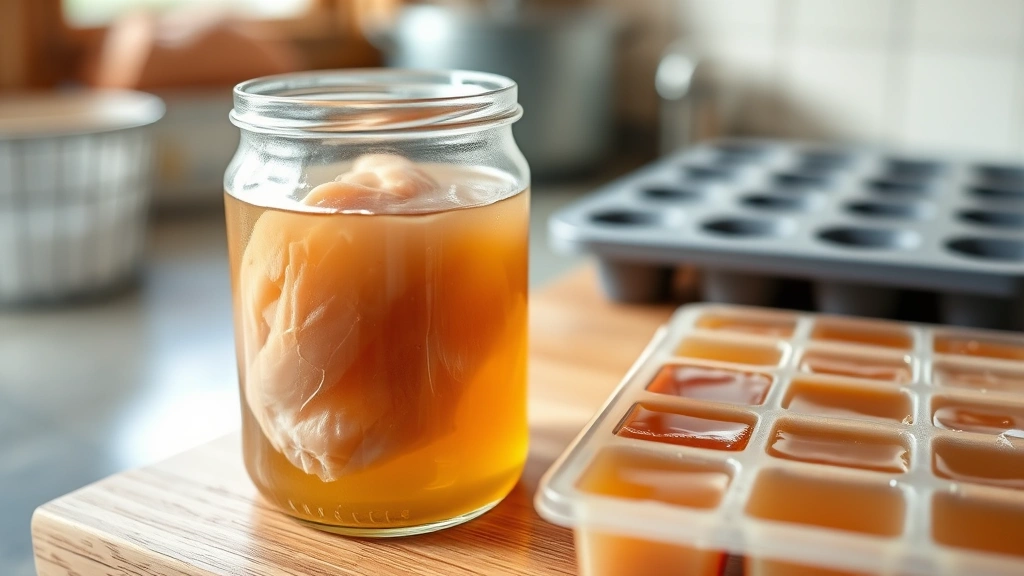
- Portion: Freeze broth in ice cube trays for easy portioning. Each cube is a perfect single serving.
This homemade broth can be served warm or at room temperature, mixed with your dog’s regular food, or offered as a standalone treat. It contains no harmful ingredients and provides beneficial collagen and minerals.
Signs Your Dog Has Eaten Something Unsafe
If your dog has consumed chicken noodle soup with questionable ingredients, watch for these warning signs:
- Vomiting or Diarrhea: Often appears within hours of consuming unsafe food. This might relate to the same concerns discussed in our guide about what to give your dog for diarrhea.
- Abdominal Pain: Your dog may seem uncomfortable, restless, or reluctant to move.
- Lethargy: Unusual tiredness or lack of interest in normal activities.
- Loss of Appetite: Refusing meals or treats.
- Excessive Thirst: Particularly concerning with high-sodium foods.
- Difficulty Breathing: In severe cases of toxicity.
- Tremors or Seizures: These indicate serious poisoning and require immediate veterinary care.
Gastrointestinal upset is the most common reaction to inappropriate foods and usually resolves within 24-48 hours. However, if symptoms persist or your dog seems severely ill, professional evaluation is necessary.
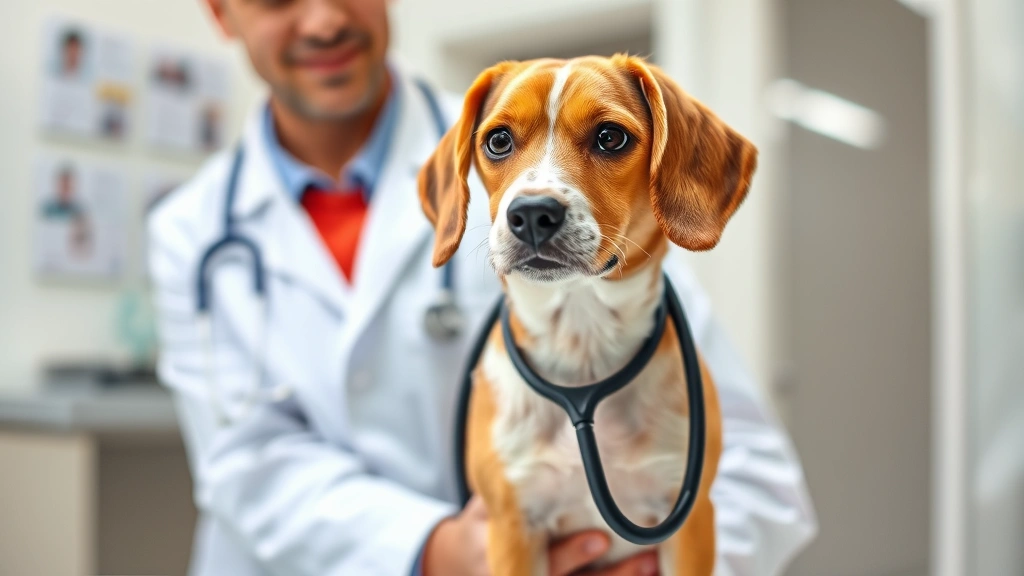
When to Contact Your Veterinarian
Certain situations warrant immediate veterinary attention:
- Your dog consumed soup containing garlic or onions
- Symptoms of poisoning appear (tremors, seizures, severe vomiting)
- Your dog is a senior or has pre-existing health conditions
- Symptoms persist beyond 24 hours
- Your dog is a small breed and consumed a large quantity
- Your dog is showing signs of dehydration
When calling your vet, have the soup ingredients list available. Specific information about what your dog ate helps your veterinarian provide appropriate guidance. The ASPCA Animal Poison Control Center is also available 24/7 at (888) 426-4435 for questions about toxic substances.
Your veterinarian can perform blood work if needed to check for toxins or electrolyte imbalances. They might recommend activated charcoal or other treatments depending on the severity of the situation and the specific ingredients involved.
Understanding Your Dog’s Nutritional Needs
Dogs have different nutritional requirements than humans, which is why human food often isn’t appropriate for them. A complete and balanced diet for dogs should include:
- High-Quality Protein: Dogs are facultative carnivores and thrive on protein-rich diets. However, showing your dog love doesn’t mean feeding them human food.
- Appropriate Fat Levels: Essential fatty acids support skin and coat health.
- Limited Carbohydrates: Unlike humans, dogs don’t need carbs and can develop digestive issues from excessive grains.
- Proper Mineral Balance: Particularly calcium and phosphorus, which must be in the correct ratio.
- Minimal Sodium: As discussed, dogs need far less salt than humans.
Commercial dog foods are formulated to meet these requirements. When adding treats or supplements, it’s important they don’t disrupt this balance. This is why offering chicken noodle soup, even occasionally, can be problematic—it adds unnecessary sodium and carbohydrates while potentially introducing toxic ingredients.
Special Considerations for Different Dog Populations
Certain dogs are at higher risk from inappropriate foods:
Puppies: Their developing digestive systems are more sensitive. High-sodium foods can be particularly harmful during growth periods.
Senior Dogs: Older dogs often have compromised kidney function and lower tolerance for excessive sodium and fat.
Small Breeds: Toy and small breed dogs are more susceptible to toxins due to their lower body weight. A small amount of garlic or onion represents a larger dose relative to their size.
Dogs with Health Conditions: Those with kidney disease, heart problems, or pancreatitis should avoid soup entirely.
Pregnant and Nursing Dogs: These dogs have increased nutritional demands and need carefully controlled, high-quality nutrition.
If your dog falls into any of these categories, consult your veterinarian before introducing any new foods, including seemingly harmless items like broth.
Healthy Treat Alternatives
Instead of chicken noodle soup, consider these nutritious treat options that most dogs enjoy:
- Plain boiled chicken or turkey
- Unsalted peanut butter (verify it doesn’t contain xylitol)
- Green beans (fresh or frozen, no seasoning)
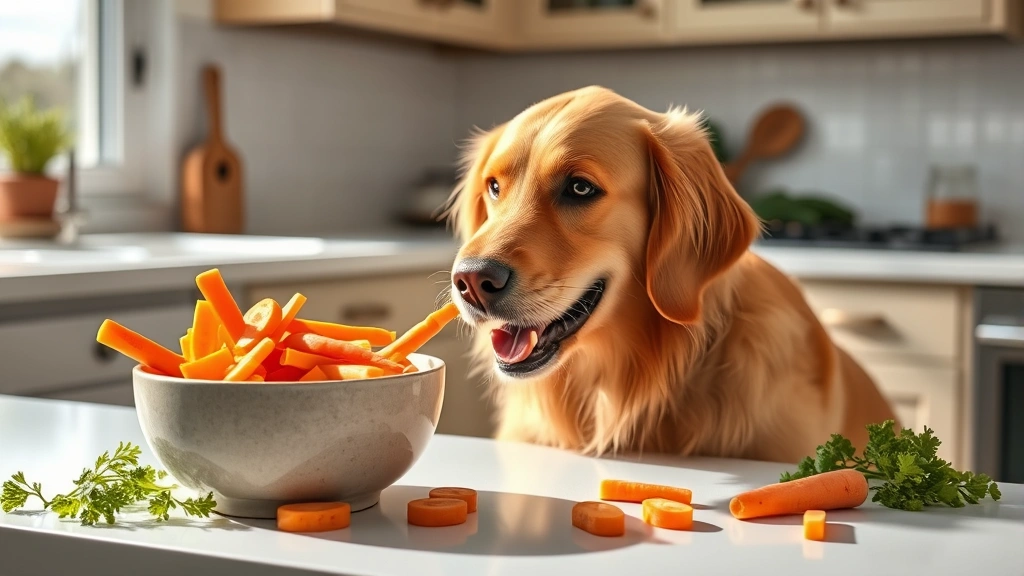
- Carrots are excellent for dental health
- Cantaloupe in small pieces
- Sweet potato (cooked, no added sugar)
- Plain yogurt (unsweetened, small amounts)
- Watermelon (seedless, no rind)
These treats provide nutritional value without the risks associated with seasoned soups. They also help maintain healthy weight and dental health in most cases.
FAQ
Can dogs have homemade chicken noodle soup?
Homemade chicken noodle soup can be safer than commercial versions if made without garlic, onions, and excessive salt. However, it’s still not ideal since dogs don’t need noodles. A better option is homemade chicken broth without noodles or seasonings.
What if my dog ate canned chicken noodle soup?
If your dog consumed a small amount of canned soup, monitor them for 24-48 hours for signs of gastrointestinal upset. Most dogs experience mild symptoms that resolve without treatment. Contact your vet if symptoms are severe or persistent.
Is chicken broth safe for dogs?
Low-sodium chicken broth without garlic, onions, or excessive seasonings is generally safe for dogs and can be a healthy treat. Always check commercial broth labels for these ingredients and sodium content.
Can I give my dog soup if it doesn’t have onions or garlic?
Even without these toxic ingredients, most soups contain too much sodium for regular dog consumption. Occasional small amounts of a well-made, low-sodium soup might be acceptable, but homemade broth without noodles is a better choice.
What should I do if my dog has pancreatitis and ate soup?
Contact your veterinarian immediately. Dogs with pancreatitis are extremely sensitive to fatty foods, and soup—especially creamy varieties—can trigger serious flare-ups. Your vet may recommend fasting and diagnostic testing.
Are there commercial dog soups I can buy?
Some pet food companies make broth specifically formulated for dogs with appropriate sodium levels and safe ingredients. These are much better options than human soups if you want to offer broth to your dog.
How much soup is safe for my dog?
If offering plain, low-sodium, properly made soup, limit it to no more than 1-2 tablespoons for small dogs and ¼ cup for large dogs, and no more than once or twice weekly. However, homemade broth without noodles is a better choice for regular treats.