As dog owners, we’ve all been there – enjoying a delicious cheese platter or sandwich when those pleading puppy eyes lock onto ours, silently begging for just a tiny morsel. The question “can dogs eat cheese” is one of the most common inquiries among pet parents, and for good reason. Cheese is a beloved human food that seems harmless enough, but when it comes to our four-legged family members, the answer isn’t quite as simple as yes or no.
Understanding what foods are safe for dogs is crucial for responsible pet ownership. While some human foods can be toxic or harmful to dogs, others can actually provide nutritional benefits when given in moderation. Cheese falls into a gray area that requires careful consideration of your dog’s individual health, size, and dietary needs. The safety of cheese for dogs depends on several factors, including the type of cheese, the amount consumed, and your dog’s ability to digest lactose.
The Basics: Can Dogs Safely Eat Cheese?
The short answer is yes, most dogs can eat cheese in moderation, but with important caveats. Unlike some foods that are universally toxic to dogs, cheese exists in a middle ground where safety depends largely on the individual dog and the specific type of cheese being offered. According to the American Kennel Club, cheese can be safe for dogs when given as an occasional treat, but it should never become a regular part of their diet.
The primary concern with feeding cheese to dogs revolves around lactose content and the dog’s ability to digest it properly. Most adult dogs have reduced levels of lactase, the enzyme responsible for breaking down lactose found in dairy products. This reduction in lactase production is a natural part of the weaning process, as puppies transition from their mother’s milk to solid food.
However, the degree of lactose intolerance varies significantly among individual dogs. Some dogs can tolerate small amounts of cheese without any adverse effects, while others may experience digestive upset even from minimal exposure to dairy products. Additionally, certain breeds may be more prone to lactose intolerance than others, though this isn’t a hard rule.
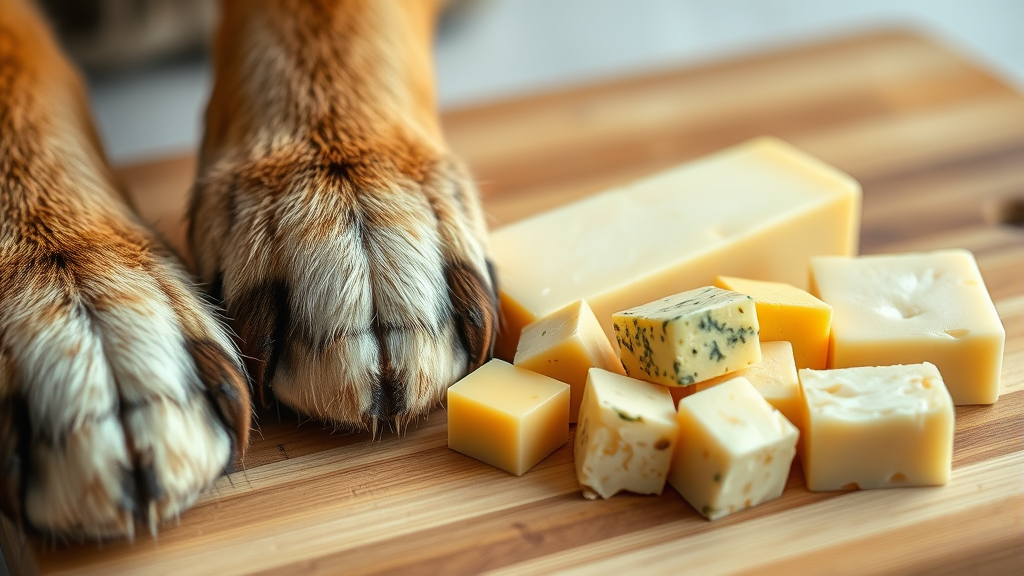
Nutritional Value of Cheese for Dogs
When considering whether dogs can eat cheese, it’s important to examine the nutritional profile of this dairy product. Cheese contains several nutrients that can be beneficial for dogs when consumed in appropriate quantities. High-quality protein is one of the most significant nutritional benefits, as it supports muscle development and maintenance, which is essential for active dogs of all ages.
Calcium is another crucial nutrient found in cheese that supports bone and teeth health in dogs. This mineral is particularly important for growing puppies and senior dogs who may be at risk for bone density issues. Cheese also contains phosphorus, which works alongside calcium to maintain strong bones and teeth, as well as supporting various cellular functions throughout the body.
Many types of cheese provide essential fatty acids that contribute to healthy skin and coat condition. These fats also support brain function and can help maintain a shiny, lustrous coat that many dog owners desire for their pets. Additionally, cheese contains various B vitamins, including B12, which supports nervous system function and red blood cell formation.
However, it’s crucial to remember that while cheese does offer some nutritional benefits, dogs should receive the majority of their nutrients from a balanced, species-appropriate diet. Cheese should only supplement, never replace, a dog’s regular meals.
Understanding Lactose Intolerance in Dogs
Lactose intolerance is the most significant factor determining whether a dog can safely consume cheese. This condition occurs when dogs lack sufficient amounts of lactase, the enzyme needed to break down lactose, a sugar naturally present in milk and dairy products. The American Veterinary Medical Association notes that most adult mammals, including dogs, naturally produce less lactase as they mature.
Symptoms of lactose intolerance in dogs can range from mild to severe and typically appear within a few hours of consuming dairy products. Common signs include diarrhea, vomiting, gas, bloating, and general digestive discomfort. Some dogs may also experience loose stools or increased frequency of bowel movements.
The severity of these symptoms often correlates with the amount of lactose consumed and the individual dog’s tolerance level. A small piece of low-lactose cheese might not cause any issues, while a larger portion of high-lactose dairy could result in significant digestive upset.
Interestingly, not all cheeses contain the same amount of lactose. Aged cheeses typically have lower lactose content because the aging process allows bacteria to break down much of the lactose naturally present in the milk. This is why some dogs who cannot tolerate fresh milk products might be able to enjoy small amounts of aged cheese without experiencing adverse effects.
Safe Cheese Types for Dogs
When determining which cheeses are safest for dogs, lactose content should be the primary consideration. Hard, aged cheeses generally contain the least amount of lactose and are typically the best options for dogs who can tolerate dairy products. Cheddar cheese, particularly sharp or extra-sharp varieties, undergoes an aging process that significantly reduces its lactose content.
Mozzarella is another relatively safe option, especially low-moisture varieties. Part-skim mozzarella contains less fat than whole milk versions, making it a better choice for dogs who need to watch their caloric intake. Swiss cheese is also considered dog-friendly due to its lower lactose content and mild flavor profile that most dogs find appealing.
Cottage cheese deserves special mention as it’s often recommended by veterinarians for dogs recovering from digestive issues. Its lower fat content and relatively high protein make it easier to digest than many other cheese varieties. However, it’s important to choose low-sodium versions, as excessive salt intake can be harmful to dogs.
Parmesan cheese, while very low in lactose due to its extensive aging process, should be given sparingly due to its high sodium content. A tiny sprinkle occasionally is generally acceptable, but larger amounts could contribute to sodium-related health issues.

Cheeses to Avoid
While many cheeses can be safely enjoyed by dogs in moderation, certain varieties should be completely avoided due to potential health risks. Blue cheeses, including Roquefort, Stilton, and Gorgonzola, contain a fungus called Penicillium roqueforti that can be toxic to dogs. This mold produces compounds called roquefortine C, which can cause vomiting, diarrhea, high fever, and even seizures in severe cases.
Cheese products that contain garlic, onions, or herbs should never be given to dogs, as these ingredients are toxic to canines. Garlic and onions can cause hemolytic anemia, a serious condition where red blood cells are destroyed faster than they can be produced. Even small amounts of these ingredients can be harmful, particularly to small dogs or those with existing health conditions.
High-fat cheeses like brie, camembert, and other triple-cream varieties should be avoided due to their potential to cause pancreatitis, a painful and potentially life-threatening inflammation of the pancreas. Dogs with a history of pancreatitis or those prone to weight gain should be especially cautious about consuming high-fat dairy products.
Processed cheese products, including American cheese slices and cheese spreads, often contain artificial preservatives, excessive sodium, and other additives that aren’t suitable for dogs. These products may also contain lactose in higher concentrations than natural cheeses, making them more likely to cause digestive upset.
Safe Serving Guidelines and Portions
Determining appropriate serving sizes when feeding cheese to dogs requires careful consideration of the dog’s size, weight, and overall health status. As a general rule, cheese should never make up more than 10% of a dog’s daily caloric intake, and even this amount should be reserved for special occasions rather than regular feeding.
For small dogs weighing under 20 pounds, a cube of cheese no larger than a dice (approximately 1/4 inch) is typically sufficient. Medium-sized dogs between 20-50 pounds can usually handle pieces up to 1/2 inch in size, while larger dogs over 50 pounds might be able to enjoy slightly larger portions without adverse effects.
It’s important to introduce cheese gradually into a dog’s diet to monitor for any signs of intolerance or allergic reactions. Start with very small amounts and observe your dog for 24-48 hours for any digestive upset, changes in behavior, or other concerning symptoms. If your dog tolerates the initial small portion well, you can occasionally offer similar amounts as special treats.
Frequency is just as important as portion size when it comes to feeding cheese to dogs. Even dogs who tolerate cheese well should only receive it as an occasional treat, perhaps once or twice per week at most. Daily cheese consumption can lead to weight gain, digestive issues, and nutritional imbalances over time.
Potential Health Benefits
When given appropriately, cheese can provide several health benefits for dogs beyond basic nutrition. The high-quality protein found in cheese supports muscle maintenance and can be particularly beneficial for active dogs, working breeds, or senior dogs who need extra protein to maintain muscle mass as they age.
The calcium and phosphorus content in cheese contributes to bone and dental health, which is especially important for growing puppies and older dogs at risk for osteoporosis or dental problems. Some veterinarians recommend small amounts of cottage cheese for dogs recovering from gastrointestinal issues because it’s easier to digest than many other protein sources.
Cheese can also serve as an excellent training aid due to its high value as a reward for most dogs. Many professional dog trainers use small pieces of cheese as high-value treats for teaching complex behaviors or working with dogs who are less motivated by traditional training treats. The strong aroma and appealing taste make cheese an effective motivator during training sessions.
For dogs who are picky eaters or those recovering from illness, small amounts of cheese mixed with their regular food can sometimes encourage appetite and help ensure they receive adequate nutrition during recovery periods. However, this should only be done under veterinary guidance to avoid creating long-term feeding problems.
Risks and Health Concerns
Despite its potential benefits, feeding cheese to dogs carries several risks that responsible pet owners must consider. The most immediate concern is lactose intolerance, which can cause significant digestive upset including diarrhea, vomiting, and abdominal pain. These symptoms can range from mild discomfort to severe enough to require veterinary attention.
Weight gain and obesity represent serious long-term risks associated with regular cheese consumption. According to the Humane Society, obesity in dogs can lead to numerous health problems including diabetes, heart disease, arthritis, and reduced lifespan. Cheese is calorie-dense and can quickly contribute to excessive weight gain if not carefully monitored.
Pancreatitis is another significant concern, particularly with high-fat cheese varieties. This painful condition involves inflammation of the pancreas and can be life-threatening if severe. Dogs who have previously experienced pancreatitis should avoid cheese entirely, as even small amounts of high-fat foods can trigger recurring episodes.
Some dogs may develop food allergies or sensitivities to dairy proteins over time. Signs of dairy allergies can include skin irritation, itching, ear infections, and digestive problems. Unlike lactose intolerance, which primarily affects the digestive system, dairy allergies can cause systemic reactions throughout the body.
The high sodium content in many cheeses poses additional risks, particularly for dogs with heart conditions, kidney disease, or high blood pressure. Excessive sodium intake can exacerbate these conditions and lead to serious health complications.
Healthy Alternatives to Cheese
For dogs who cannot tolerate cheese or for owners who prefer to avoid dairy products entirely, numerous healthy alternatives can provide similar nutritional benefits and training value. Plain, cooked chicken or turkey breast offers high-quality protein without the lactose and fat concerns associated with cheese.
Small pieces of cooked sweet potato or carrots can serve as excellent low-calorie training treats that many dogs find appealing. These vegetables provide vitamins, minerals, and fiber while being naturally free from dairy, making them suitable for dogs with sensitive stomachs or lactose intolerance.
Commercial dog treats specifically formulated to mimic the taste and texture of cheese are available and can be safer alternatives for regular use. These products are designed to meet canine nutritional needs while avoiding the potential problems associated with actual dairy products.
For dogs who enjoy the creamy texture of cheese, plain Greek yogurt (in very small amounts) might be better tolerated due to its lower lactose content and probiotic benefits. However, this should still be introduced gradually and only given to dogs who have demonstrated tolerance for dairy products.
Freeze-dried meat treats or dehydrated organ meats can provide high-value training rewards without any dairy content. These options are particularly good for dogs with multiple food sensitivities or those following elimination diets.
Frequently Asked Questions
Can puppies eat cheese?
Puppies can be more sensitive to dairy products than adult dogs, and their digestive systems are still developing. While small amounts of low-lactose cheese might be tolerated, it’s generally better to avoid giving cheese to puppies under six months of age. If you want to introduce cheese to an older puppy, do so very gradually and in tiny amounts while monitoring for any signs of digestive upset. Always consult with your veterinarian before adding new foods to a puppy’s diet.
How much cheese is too much for a dog?
The amount of cheese that’s “too much” varies by dog size and individual tolerance, but cheese should never exceed 10% of a dog’s daily caloric intake. For most dogs, this translates to very small portions – a cube smaller than a dice for small dogs, and proportionally larger for bigger dogs. Signs that you’ve given too much cheese include diarrhea, vomiting, excessive gas, or lethargy. If your dog shows these symptoms after eating cheese, discontinue feeding it and consult your veterinarian if symptoms persist.
What should I do if my dog ate a large amount of cheese?
If your dog has consumed a large amount of cheese, monitor them closely for signs of digestive upset including vomiting, diarrhea, excessive drooling, or abdominal discomfort. Ensure they have access to fresh water to stay hydrated. Most dogs will recover on their own within 24-48 hours, but contact your veterinarian if symptoms are severe, persist beyond two days, or if your dog shows signs of dehydration or extreme lethargy.
Can cheese cause allergic reactions in dogs?
Yes, some dogs can develop allergies to dairy proteins found in cheese. Symptoms of a dairy allergy can include skin irritation, itching, ear infections, digestive problems, and in rare cases, more severe allergic reactions. These symptoms differ from lactose intolerance, which primarily causes digestive upset. If you suspect your dog has a dairy allergy, eliminate all dairy products from their diet and consult with your veterinarian for proper diagnosis and treatment.
Is cottage cheese better for dogs than regular cheese?
Cottage cheese is often considered a better option for dogs because it’s lower in fat and lactose compared to many other cheese varieties. It’s also easier to digest and is sometimes recommended by veterinarians for dogs recovering from digestive issues. However, choose low-sodium varieties and still give it in moderation. Even cottage cheese should be treated as an occasional treat rather than a regular part of your dog’s diet.
Can I use cheese to give my dog medication?
Many dog owners successfully use small pieces of cheese to hide pills or liquid medications, and this can be an effective method for dogs who tolerate dairy well. However, check with your veterinarian first to ensure the medication won’t interact poorly with dairy products. Some medications are better absorbed on an empty stomach, while others may be affected by the fat content in cheese. Always use the smallest amount of cheese necessary to mask the medication.
Are there any dog breeds that should avoid cheese completely?
While lactose intolerance can affect any breed, some breeds may be more prone to digestive sensitivities that make cheese problematic. Breeds with known tendencies toward pancreatitis, such as Miniature Schnauzers, Yorkshire Terriers, and Cocker Spaniels, should be especially cautious with high-fat foods like cheese. Additionally, breeds prone to obesity should avoid calorie-dense treats like cheese. Always consider your individual dog’s health history and breed predispositions when deciding whether to offer cheese as a treat.