
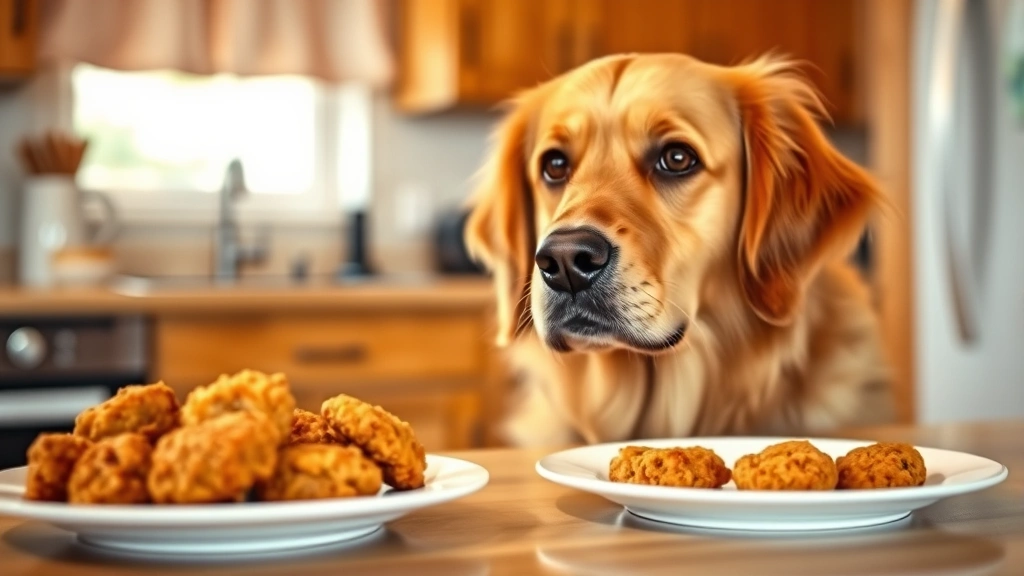
Can Dogs Have Chicken Nuggets? Vet Insights on Safety and Health
Chicken nuggets are a beloved comfort food for many humans, and it’s natural to wonder if our furry friends can enjoy them too. While plain, unseasoned chicken is generally safe for dogs, commercial chicken nuggets present several concerns that pet owners should understand before sharing them with their canine companions. This comprehensive guide explores the nutritional implications, potential hazards, and safer alternatives to keep your dog healthy and happy.
As a responsible pet owner, knowing what foods are safe for your dog is crucial. Chicken nuggets might seem like a convenient protein source, but their processing, additives, and cooking methods can introduce risks that outweigh any nutritional benefits. Let’s dive into what veterinarians recommend about this popular human snack.
Are Chicken Nuggets Safe for Dogs?
The short answer is: plain, home-cooked chicken nuggets in moderation may be acceptable, but commercial chicken nuggets are not recommended. The distinction matters significantly because most chicken nuggets people consume come from fast-food restaurants or frozen packages loaded with additives, seasonings, and excess sodium.
According to the Association of American Feed Control Officials (AAFCO), dogs require balanced nutrition with appropriate levels of protein, fat, and essential nutrients. Commercial chicken nuggets don’t meet these standards and often contain ingredients harmful to dogs. If you’re considering sharing bacon and other processed meats with your dog, similar caution applies.
The primary issue isn’t chicken itself—dogs can safely eat cooked, plain chicken breast or thighs. The problem lies in how nuggets are processed, fried, and seasoned. Deep frying adds excessive fat and calories, while seasonings like garlic, onion powder, and excess salt can be harmful or toxic to dogs.
Nutritional Concerns and Ingredients
Commercial chicken nuggets typically contain multiple problematic ingredients:
- Excess Sodium: A single serving of chicken nuggets can contain 300-500mg of sodium. Dogs require only 200-500mg daily, and excessive salt can lead to dehydration and electrolyte imbalances.
- Fillers and Binders: Breadcrumbs, wheat flour, and cornstarch add empty calories without nutritional value for dogs. These can contribute to obesity and digestive upset.
- Preservatives: BHA, BHT, and other chemical preservatives used in frozen nuggets haven’t been extensively studied in canine nutrition.
- Artificial Flavors: These additives serve no nutritional purpose and may cause sensitivity in some dogs.
- Trans Fats: The frying process creates trans fats linked to cardiovascular issues in both humans and animals.
A typical serving of 3-4 chicken nuggets contains approximately 150-200 calories and 10-15 grams of fat. For a 30-pound dog requiring roughly 800 calories daily, this represents 18-25% of their daily caloric intake from a single non-nutritious snack. Compare this to safe protein sources like cooked chicken bones, which provide nutritional value when prepared properly.
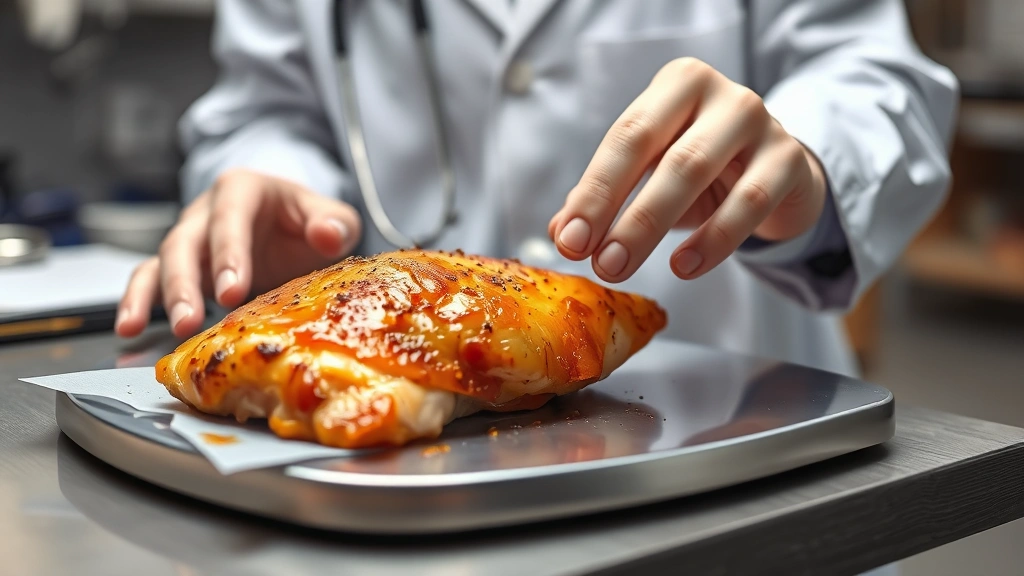
Potential Health Risks
Understanding the specific health risks helps explain why veterinarians discourage chicken nugget consumption:
Pancreatitis: High-fat foods like deep-fried nuggets are a leading cause of pancreatitis in dogs. This inflammation of the pancreas causes severe pain, vomiting, and diarrhea. According to the ASPCA, pancreatitis can be life-threatening and often requires hospitalization and IV fluids.
Gastrointestinal Upset: The combination of high fat, sodium, and unfamiliar additives can trigger acute gastroenteritis. Dogs with sensitive stomachs are particularly vulnerable.
Toxic Ingredients: If nuggets contain garlic or onion powder—common in seasoned varieties—they can cause hemolytic anemia by damaging red blood cells. This is similar to the dangers in grape toxicity in dogs, another food to strictly avoid.
Obesity and Weight Management: Regular consumption of high-calorie, low-nutrition foods contributes to obesity, which increases risks of diabetes, joint problems, and heart disease.
Sodium-Related Issues: Chronic excess salt consumption can elevate blood pressure and strain kidney function, particularly in senior dogs.
Choking Hazard: Some dogs don’t chew adequately and may attempt to swallow nuggets whole, creating aspiration or choking risks.

Signs of Digestive Issues
If your dog accidentally consumed chicken nuggets, watch for these warning signs:
- Vomiting or retching
- Diarrhea or loose stools
- Abdominal pain or bloating
- Loss of appetite
- Lethargy or unusual behavior
- Excessive drooling
- Difficulty defecating
Understanding why dogs throw up helps distinguish between normal digestive upset and serious conditions. Most mild cases resolve within 24-48 hours with rest and bland food. However, if symptoms persist or worsen, contact your veterinarian immediately.
The timeline for symptoms varies based on how long it takes dogs to digest food—typically 4-8 hours for most foods. Symptoms may appear within hours or take up to 24 hours to manifest fully.
Safer Chicken Alternatives
If you want to share chicken with your dog, these options are infinitely safer:
Plain Cooked Chicken Breast: Boil or bake chicken breast without seasoning, skin, or bones. Remove any bones before serving. This provides lean protein without excess fat or additives. Serve in small pieces as treats or meal toppers.
Homemade Chicken Treats: Make your own nuggets using ground chicken, oats, and an egg. Bake until crispy without deep frying. You control every ingredient and eliminate harmful additives.
Chicken and Sweet Potato: Combine diced cooked chicken with mashed sweet potato for a nutritious, filling treat rich in vitamins and fiber.
Chicken Broth: Low-sodium chicken broth (with no onion or garlic) makes an excellent addition to regular meals or a standalone treat. Avoid store-bought varieties with excessive sodium.
Raw Chicken Diets: Some pet owners follow raw feeding protocols. Consult your veterinarian before attempting this approach, as improper handling increases bacterial contamination risks.
When introducing any new food, follow the 10% rule: new foods should comprise no more than 10% of daily calories, with the remaining 90% from balanced commercial dog food. This prevents nutritional imbalances and digestive upset.
Portion Guidelines and Frequency
If you absolutely must give your dog chicken nuggets occasionally, strict guidelines apply:
Maximum Frequency: No more than once per month, if at all. Ideally, avoid them entirely and substitute safer options.
Portion Size: For a 30-pound dog, one nugget maximum. For smaller dogs (under 20 pounds), avoid entirely. For larger dogs (over 70 pounds), no more than two nuggets.
Preparation: If homemade, air-fry or bake instead of deep-frying. Remove any breading if possible. Avoid all seasonings, especially salt.
Timing: Serve as an occasional treat, never as a meal replacement. Ensure your dog eats their complete, balanced regular diet.
Observation: Monitor closely for 24-48 hours after consumption for any digestive upset or behavioral changes.
Emergency Steps If Your Dog Eats Nuggets
If your dog consumed a significant quantity of chicken nuggets, take these steps:
- Stay Calm: Most cases of accidental nugget consumption result in minor digestive upset rather than serious toxicity.
- Determine Quantity: How many nuggets did your dog eat? This helps assess risk level. A few nuggets poses minimal risk; an entire box is concerning.
- Check Ingredients: Review the nugget packaging for garlic powder, onion powder, or excessive sodium content.
- Contact Your Vet: Call immediately if your dog ate nuggets containing toxic ingredients or if they’re a small breed that consumed a large quantity.
- Monitor Symptoms: Watch for vomiting, diarrhea, lethargy, or abdominal pain over the next 48 hours.
- Restrict Food: Offer only plain boiled chicken and rice for 24 hours to allow the digestive system to settle.
- Seek Emergency Care: If symptoms develop or your dog shows signs of acute poisoning like chocolate ingestion, visit an emergency veterinary clinic immediately.
The American Animal Hospital Association (AAHA) recommends having your veterinarian’s emergency contact information readily available. Many emergency clinics operate 24/7 and can provide immediate guidance over the phone.
FAQ
Can dogs eat frozen chicken nuggets?
Frozen chicken nuggets are not recommended. They contain the same problematic ingredients as refrigerated varieties—high sodium, excess fat, and additives. Thawing and reheating doesn’t eliminate these concerns.
What about homemade baked chicken nuggets?
Homemade baked chicken nuggets (without seasoning or salt) are significantly safer than commercial varieties. They’re still high in carbohydrates from breading, so offer sparingly as occasional treats rather than regular meals.
Is chicken nugget seasoning dangerous?
Yes, many seasonings used on chicken nuggets are dangerous for dogs. Garlic and onion powder are toxic, causing hemolytic anemia. Excessive salt can cause electrolyte imbalances. Paprika and other spices may irritate the digestive system.
How much chicken is safe for dogs daily?
Plain cooked chicken can comprise up to 10% of daily calories as treats. For a 30-pound dog eating 800 calories daily, that’s about 80 calories of chicken, roughly equivalent to a 2-ounce chicken breast.
Can puppies have chicken nuggets?
Puppies should absolutely avoid chicken nuggets. Their developing digestive systems are more sensitive to fat and additives. Pancreatitis can be especially severe in young dogs. Stick to age-appropriate commercial puppy food and plain cooked chicken as occasional treats.
What if my dog ate chicken nuggets and seems fine?
Some dogs tolerate nuggets without obvious symptoms, particularly larger breeds or those with robust digestive systems. However, the long-term effects of high fat and sodium accumulate over time. One incident likely won’t cause lasting harm, but regular consumption increases disease risk.
Are air-fried nuggets safer than deep-fried?
Air-fried nuggets contain significantly less fat than deep-fried versions, making them slightly safer. However, they still contain problematic seasonings, sodium, and additives. They’re marginally better but still not recommended for regular consumption.
Can dogs have chicken nuggets from specific restaurants?
No major restaurant chain offers chicken nuggets safe for dogs. All commercial nuggets contain excessive sodium and fat. Even “healthier” fast-food options designed for human consumption aren’t appropriate for canine diets.
Should I induce vomiting if my dog ate nuggets?
Generally, no. Inducing vomiting is only appropriate for certain toxins and should only be done under veterinary guidance. Chicken nuggets rarely warrant induced vomiting unless consumed in enormous quantities or they contained toxic ingredients like chocolate or xylitol.
What are the best chicken treat alternatives?
Plain boiled chicken breast, baked chicken with sweet potato, freeze-dried chicken treats, and commercially available chicken-based dog treats formulated for canine nutrition are excellent alternatives. Always verify commercial treats meet AAFCO standards.





