Can Dogs Eat Doritos? Vet-Backed Insights on Snack Safety
Doritos are a beloved human snack, but when your dog gives you those irresistible puppy-dog eyes while you’re munching, it’s natural to wonder if sharing is safe. The short answer: dogs should not eat Doritos. While a single chip won’t cause immediate harm to most dogs, these popular snacks contain multiple ingredients that veterinarians recommend keeping away from your furry friend.
Understanding why Doritos aren’t suitable for dogs requires looking beyond just calories. These crispy triangles are loaded with salt, artificial seasonings, unhealthy fats, and other additives that can negatively impact your dog’s health. In this comprehensive guide, we’ll break down exactly what makes Doritos problematic for canines, explore the potential health risks, and discuss safer alternatives to keep your pup happy and healthy.

Why Doritos Are Bad for Dogs
Doritos are engineered for human palates with aggressive seasoning, high sodium content, and artificial flavorings that dogs’ digestive systems aren’t designed to process efficiently. Unlike humans who can enjoy occasional indulgences, dogs lack the metabolic flexibility to handle these ultra-processed snacks without potential consequences.
The primary concern with Doritos is their excessive sodium content. A single serving of regular Doritos contains approximately 150-200mg of sodium, which is significant for most dogs. The American Kennel Club emphasizes that dogs require far less sodium than humans—typically just 100-600mg daily depending on their size and health status. Even a small handful of Doritos can exceed a small dog’s entire daily sodium requirement.
Beyond sodium, Doritos contain multiple artificial ingredients including monosodium glutamate (MSG), artificial colors, and preservatives that serve no nutritional purpose for dogs. These additives can trigger digestive upset, allergic reactions, or behavioral changes in sensitive dogs. The high fat content also poses risks, particularly for breeds predisposed to pancreatitis.
Breaking Down the Problematic Ingredients
Let’s examine the specific components of Doritos that make them unsuitable for canine consumption:
Sodium: The leading health concern in Doritos. Excessive salt intake in dogs can lead to hypernatremia (elevated sodium levels in the blood), causing increased thirst, urination, and in severe cases, neurological problems. Dogs with heart conditions, kidney disease, or hypertension face elevated risks.
Artificial Flavors and MSG: While the FDA considers MSG safe for humans in limited quantities, dogs may react differently. MSG can cause symptoms like vomiting, diarrhea, and lethargy. Some dogs show behavioral changes or signs of discomfort after consuming MSG-laden foods.
Artificial Colors: Doritos contain yellow 5, red 40, and other synthetic dyes. The ASPCA notes that while these are approved for human consumption, they offer no nutritional benefit to dogs and may cause adverse reactions in sensitive individuals.
High Fat Content: With approximately 9-10 grams of fat per ounce, Doritos are calorie-dense and fat-rich. This is particularly concerning for dogs prone to pancreatitis, overweight dogs, or senior dogs with slower metabolisms. Understanding how much dog food to feed your dog helps prevent obesity—adding junk food accelerates weight gain.
Corn and Refined Carbohydrates: While corn itself isn’t toxic, it provides minimal nutritional value for dogs and is often used as a cheap filler. The refined carbohydrates can spike blood sugar and contribute to weight gain.
Health Risks and Side Effects
The consequences of dogs eating Doritos vary based on the dog’s size, age, health status, and quantity consumed. Here are the primary health risks:
Gastrointestinal Distress: The most common immediate effect. Dogs eating Doritos may experience vomiting, diarrhea, or constipation within hours. The high fat and salt content irritates the digestive tract, particularly in dogs with sensitive stomachs.
Pancreatitis: This inflammation of the pancreas is triggered by high-fat foods. Acute pancreatitis can be life-threatening, causing severe abdominal pain, vomiting, and lethargy. Certain breeds like Schnauzers and Cocker Spaniels have genetic predisposition to this condition.
Obesity and Weight Gain: A single ounce of Doritos contains roughly 150 calories—significant for small dogs. Regular snacking on Doritos contributes to unhealthy weight gain, which leads to joint problems, diabetes, and shortened lifespan. Learning about proper nutrition for weight management helps prevent these issues.
Sodium Ion Toxicity: In rare cases of significant consumption, dogs can develop salt poisoning. Symptoms include excessive thirst, urination, vomiting, diarrhea, tremors, and seizures. This is a veterinary emergency requiring immediate treatment.
Allergic Reactions: Dogs may react to artificial ingredients with itching, skin rashes, hives, or more severe anaphylaxis in extreme cases. Some dogs develop food sensitivities to artificial additives over time.
Nutritional Imbalance: Filling your dog’s caloric intake with Doritos displaces nutritionally-complete dog food. This creates deficiencies in essential proteins, vitamins, and minerals critical for bone health, immune function, and organ function.
What to Do if Your Dog Eats Doritos
If your dog has consumed Doritos, don’t panic. The response depends on quantity and your dog’s size:
Small Quantity (1-2 chips): Monitor your dog for the next 24 hours. Watch for vomiting, diarrhea, or lethargy. Most dogs will experience no symptoms from minimal exposure. Ensure your dog has access to fresh water to help flush excess sodium from their system.
Moderate Quantity (handful or small bag): Contact your veterinarian for guidance, especially if your dog has pre-existing health conditions. Your vet may recommend monitoring or, in some cases, inducing vomiting if the consumption was very recent. Have information ready about your dog’s weight and the approximate amount consumed.
Large Quantity or Severe Symptoms: Seek immediate veterinary care if your dog shows signs of distress including severe vomiting, diarrhea, abdominal pain, difficulty breathing, or neurological symptoms like tremors or seizures. The American Kennel Club provides emergency resources for locating emergency veterinary clinics.
Prevention Strategy: The best approach is preventing access. Store Doritos in secure cabinets, don’t leave snacks unattended on tables or couches, and educate family members—especially children—about not sharing human food with pets. Train your dog to ignore dropped food using positive reinforcement techniques.
Healthier Snack Alternatives
Your dog doesn’t need Doritos to enjoy treats and snacks. Numerous options provide satisfaction without health risks:
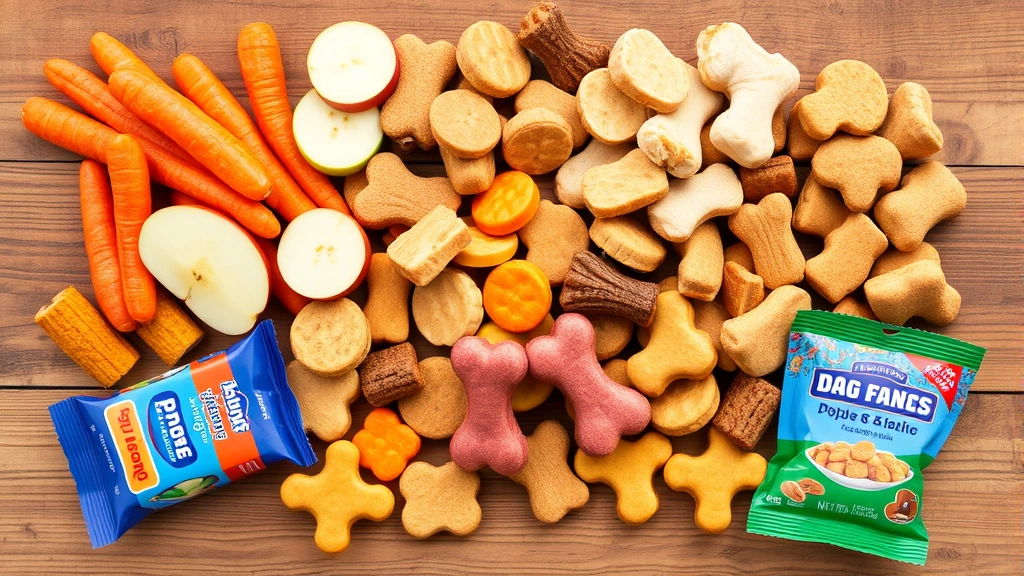
Whole Food Options: Carrots are excellent dog treats—they’re low-calorie, crunchy, and naturally clean teeth. Other safe options include apple slices (without seeds), green beans, sweet potato, and pumpkin. These provide fiber, vitamins, and minerals while satisfying the craving for crunchy textures.
Protein-Based Treats: Chicken liver offers nutritional benefits as an occasional treat. Plain cooked chicken, turkey, or beef (without seasoning or skin) provides lean protein. Cooked shrimp is another protein option for dogs without shellfish allergies, offering omega-3 fatty acids.
Commercial Dog Treats: Quality dog treats are formulated to meet canine nutritional needs while being safe and delicious. Look for treats with recognizable ingredients, no artificial colors or flavors, and appropriate calorie content. Check the AAFCO (Association of American Feed Control Officials) statement on packaging.
DIY Treats: Make homemade dog treats using dog-safe ingredients. Peanut butter (xylitol-free), pumpkin, oats, and bananas combine into nutritious biscuits. Frozen treats with plain yogurt and berries provide refreshing summer options. Always research ingredients before creating homemade recipes.
Interactive Treat Toys: Puzzle toys and Kong-style toys filled with appropriate treats provide mental stimulation alongside snacking. This approach satisfies the behavioral component of snacking while controlling portions.
Maintaining Proper Nutrition
Understanding your dog’s nutritional needs prevents the temptation to supplement with inappropriate snacks. Dogs require a diet balanced in proteins, fats, carbohydrates, vitamins, and minerals appropriate for their life stage.
Check quality dog food evaluations and reviews to ensure your primary diet meets AAFCO standards. High-quality commercial dog foods provide complete nutrition, making supplementation with human snacks unnecessary.
Caloric Guidelines: Treats should comprise no more than 10% of your dog’s daily caloric intake. For a 25-pound dog requiring 750 calories daily, treats should total approximately 75 calories. This limited allowance means every treat counts—Doritos are poor choices nutritionally.
Life Stage Nutrition: Puppies require different nutrient ratios than adult or senior dogs. Pregnant or nursing dogs have elevated nutritional demands. Consult your veterinarian about appropriate nutrition for your dog’s specific life stage, especially before introducing new foods.
Health Conditions: Dogs with diabetes, kidney disease, heart conditions, or food allergies require specialized diets. High-sodium, high-fat foods like Doritos are contraindicated for these conditions. Always consult your vet before introducing new foods for dogs with health issues.
FAQ
Can a small amount of Doritos hurt my dog?
A single chip or two typically won’t cause harm to most healthy dogs. However, even small amounts aren’t recommended because they provide no nutritional benefit and contain ingredients unnecessary for canine health. Repeated small exposures can accumulate sodium and potentially cause issues over time.
Are there any Doritos varieties safer for dogs?
While some varieties have slightly different sodium levels, no Doritos variety is recommended for dogs. Even reduced-sodium options still contain artificial ingredients, excessive salt for canine needs, and unhealthy fats. None should be considered safe snack choices.
What if my dog regularly eats small amounts of Doritos?
Regular consumption of Doritos, even in small quantities, increases risks of obesity, pancreatitis, and nutritional imbalances. If your dog has been eating Doritos regularly, consult your veterinarian. They may recommend blood work to assess sodium levels and organ function, plus guidance on transitioning to appropriate treats.
Are there warning signs I should watch for after my dog eats Doritos?
Monitor for vomiting, diarrhea, excessive thirst or urination, lethargy, abdominal distension, or behavioral changes. Severe symptoms like difficulty breathing, tremors, or collapse require immediate emergency veterinary care. Mild gastrointestinal upset usually resolves within 24 hours with supportive care.
How can I stop my dog from eating dropped Doritos or stealing them?
Train a strong “leave it” command using positive reinforcement. Reward your dog for ignoring dropped food with higher-value treats. Prevent access by storing snacks securely and supervising meal times. Teach children not to share snacks with pets. Consider using baby gates to prevent kitchen access during snacking.
What’s the best treat alternative that satisfies the same craving?
Carrots provide similar crunchiness with nutritional benefits. Air-popped popcorn without salt or butter offers that crispy texture (in moderation). Freeze-dried chicken treats provide intense flavor and crunch. For dogs who enjoy the salty aspect, a tiny amount of low-sodium broth-based treat satisfies the craving healthily.