Can Dogs Eat Onion Rings? A Complete Vet Guide
One of the most common questions pet owners ask is whether their furry friends can safely enjoy human snacks. Onion rings are a beloved fried treat for many people, but when your dog gives you those irresistible puppy eyes while you’re eating them, you need to know the facts. The short answer is no—dogs should never eat onion rings, and understanding why is crucial for your pet’s health and safety.
Onion rings pose multiple dangers to dogs, from the toxic onion itself to the harmful cooking methods and additives used in preparation. This guide will help you understand exactly why onion rings are dangerous, what symptoms to watch for if your dog accidentally consumes them, and what safe alternatives you can offer instead.
Why Onions Are Toxic to Dogs
Onions contain compounds called thiosulfates, which are toxic to dogs and other pets including cats, horses, and ferrets. When a dog ingests onions, these sulfur-containing compounds damage their red blood cells, leading to a condition called hemolytic anemia. This is a serious medical condition where red blood cells are destroyed faster than the body can replace them.
According to the ASPCA Animal Poison Control Center, onions in any form—raw, cooked, powdered, or fried—are dangerous for dogs. The toxicity level depends on how much your dog weighs and how many onions they consume. A small dog eating a single onion ring might not show symptoms, but consumption is still risky. Larger quantities or repeated exposure can cause serious health complications.
The thiosulfates in onions work by oxidizing hemoglobin in red blood cells, converting it to methemoglobin. This prevents oxygen from being properly transported throughout your dog’s body. Even onion powder, which is sometimes used as a seasoning in processed foods and dog treats, can cause toxicity. This is why it’s essential to always check ingredient lists on any food before sharing it with your canine companion.
Garlic, which is a close relative of the onion, is also toxic to dogs and is sometimes found alongside onion seasoning in fried foods. The combination makes onion rings even more dangerous than onions alone.
The Dangers Beyond Onions
While the onion itself is the primary concern, onion rings present several additional hazards that make them particularly problematic for dogs. Understanding these risks helps explain why even a small piece should be kept away from your pet.
Deep Frying and High Fat Content: Onion rings are typically deep-fried in oil, making them extremely high in fat. Dogs who consume high-fat foods can develop pancreatitis, an inflammation of the pancreas that causes vomiting, abdominal pain, and diarrhea. This condition can be life-threatening and often requires veterinary hospitalization. Even if your dog doesn’t have immediate symptoms, regular consumption of fatty foods increases the risk significantly. If your dog does eat onion rings, monitor for signs of digestive upset and consider consulting your vet about what to feed a dog with diarrhea if symptoms develop.
Excessive Sodium: Most onion rings are heavily salted, and excessive sodium is harmful to dogs. High salt intake can lead to sodium ion poisoning, causing excessive thirst, vomiting, and neurological issues. Dogs have much lower sodium requirements than humans, and their bodies are less equipped to handle large amounts of salt.
Seasonings and Additives: Commercial onion rings often contain garlic powder, black pepper, and various spices that can irritate a dog’s digestive system. Some restaurants and frozen food brands add artificial flavoring agents and preservatives that may cause allergic reactions or gastrointestinal distress in sensitive dogs.
Choking Hazard: The crispy, crunchy texture of fried onion rings can be a choking hazard, particularly for dogs that gulp their food without chewing properly. Pieces can also become lodged in the throat or digestive tract, potentially requiring surgical intervention.
Symptoms of Onion Toxicity
If your dog has accidentally consumed onion rings, knowing the signs of onion toxicity is critical for getting them prompt veterinary care. Symptoms don’t always appear immediately—they can develop over hours or even days as the thiosulfates accumulate in your dog’s system.
Early Warning Signs:
- Vomiting or gagging
- Diarrhea or loose stools
- Loss of appetite
- Abdominal pain or tenderness
- Excessive drooling
- Bad breath with an unusual odor
More Serious Symptoms:
- Lethargy or extreme fatigue
- Pale gums or tongue
- Difficulty breathing or shortness of breath
- Yellowing of the eyes or skin (jaundice)
- Dark-colored urine
- Weakness or collapse
- Rapid or irregular heartbeat
The severity of symptoms depends on the amount consumed and your individual dog’s size and health status. Small dogs and puppies are at higher risk for serious complications from even small amounts of onion rings. Senior dogs and those with pre-existing health conditions may also be more vulnerable.

What to Do If Your Dog Eats Onion Rings
If you catch your dog eating onion rings or suspect they’ve consumed some, don’t panic—but do act quickly. The first step is to determine how much they ate and when. A single onion ring is unlikely to cause serious harm to a large dog, but any amount is still concerning.
Immediate Steps:
- Remove any remaining onion rings from your dog’s reach
- Note the time of consumption and approximate quantity
- Call your veterinarian or the ASPCA Animal Poison Control Center at (888) 426-4435
- Have your dog’s weight and the number of onion rings available for reference when you call
- Follow your vet’s instructions—they may recommend induced vomiting if caught early enough
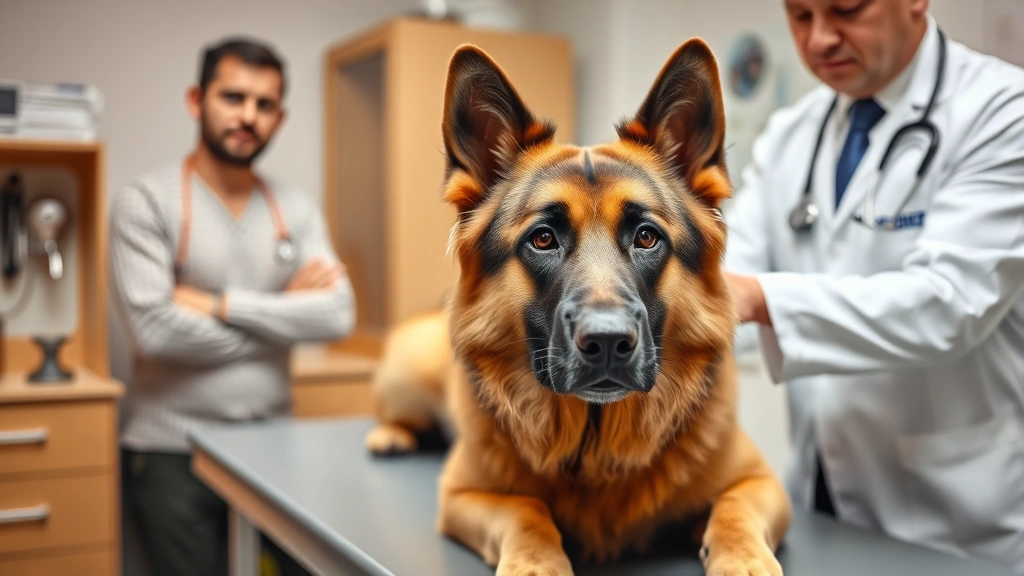
Veterinary Treatment: Your vet may recommend inducing vomiting if the ingestion happened within the last 2-4 hours. Activated charcoal might be administered to help absorb toxins. In more serious cases, your dog may require hospitalization for blood transfusions, IV fluids, and supportive care. Blood tests will likely be performed to check red blood cell counts and oxygen levels.
Even if your dog seems fine after eating onion rings, it’s worth contacting your vet for peace of mind. They can assess the risk based on your dog’s size and the quantity consumed, and provide guidance on monitoring for delayed symptoms.
Safe Snack Alternatives
The good news is that there are plenty of delicious and safe alternatives to onion rings that your dog will love. When you’re enjoying your own snacks, you can feel good about sharing appropriate options with your furry friend.
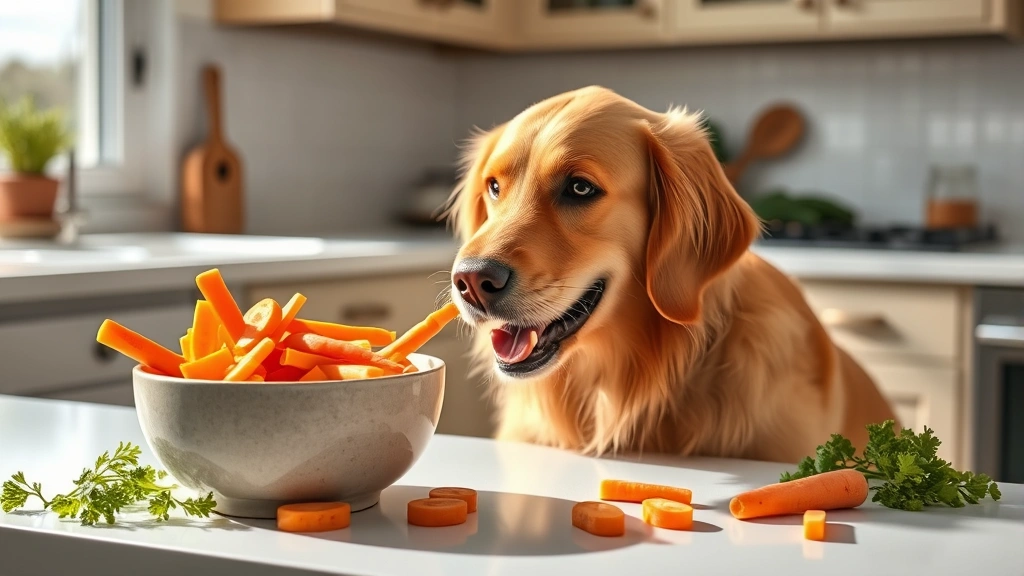
Vegetable-Based Treats: Dogs can safely enjoy many vegetables that provide nutritional benefits. Raw celery is crunchy and low-calorie, making it a great snack option. Other safe vegetables include carrots, green beans, sweet potatoes (cooked), and cucumbers. These provide fiber, vitamins, and minerals while being much safer than onion rings.
Fruit Snacks: Many fruits are dog-friendly and provide natural sweetness. Blackberries are packed with antioxidants, while papaya is good for dogs and aids digestion. Apples (without seeds), bananas, and watermelon are also excellent choices. Always remove any seeds or pits before offering fruit to your dog.
Protein-Rich Options: Plain cooked chicken, turkey, or beef (without seasoning) makes an excellent high-protein treat. Many dogs find these more satisfying than vegetables. You can even create homemade dog treats by mixing lean protein with safe vegetables.
Commercial Dog Treats: There are countless commercially available dog treats formulated specifically for canine nutrition. Look for treats with minimal ingredients and no onion powder, garlic powder, or excessive salt.
Nutritional Supplements: If you’re interested in how to fatten up a dog or provide additional nutrition, consult your vet about appropriate supplements. Chia seeds for dogs can be a nutritious addition when recommended by your veterinarian, providing omega-3 fatty acids and other beneficial nutrients.
The key is choosing treats that are nutritionally appropriate and free from toxic ingredients. Your dog doesn’t need onion rings to be happy—they just need your love and appropriate snacks!
FAQ
How many onion rings would it take to poison a dog?
The toxic dose of onions for dogs is approximately 0.5 ounces per pound of body weight. For a 50-pound dog, this would be about 25 ounces of onion—roughly 15-20 onion rings depending on size. However, toxicity can vary based on individual sensitivity, so any amount should be avoided. Even small quantities may cause symptoms in sensitive or smaller dogs.
Are fried onions less toxic than raw onions?
No, cooking doesn’t reduce the toxicity of onions. Whether raw, cooked, fried, powdered, or dried, onions remain toxic to dogs. The thiosulfates that cause damage are not destroyed by heat. If anything, fried onions in onion rings present additional risks due to the high fat content and added seasonings.
What if my dog ate just one onion ring?
A single onion ring is unlikely to cause serious harm to a large adult dog, but it’s still concerning. Small dogs, puppies, and senior dogs face higher risk even from minimal exposure. Contact your vet for guidance based on your dog’s size and health status. They may recommend monitoring for symptoms over the next 24-72 hours.
Can dogs have onion powder?
No, onion powder is actually more concentrated and potentially more toxic than fresh onions. It’s sometimes used in commercial dog foods or treats, which is why reading ingredient labels is so important. Avoid any products listing onion powder, garlic powder, or similar ingredients.
What’s the difference between onion toxicity and pancreatitis from the fat?
These are two separate but potentially simultaneous problems. Onion toxicity damages red blood cells, while pancreatitis is inflammation of the pancreas caused by high fat intake. A dog eating onion rings could experience both conditions at once, making veterinary care even more critical.
How long does it take for onion toxicity symptoms to appear?
Symptoms can appear anywhere from 6 hours to several days after ingestion, depending on the amount consumed and your dog’s individual response. Some dogs may not show symptoms immediately, but damage to red blood cells is still occurring. This is why monitoring is important and why veterinary consultation is recommended even if your dog seems fine.
Are there any breeds more susceptible to onion toxicity?
While all dogs are susceptible to onion toxicity, certain breeds or individual dogs with genetic predispositions to hemolytic anemia may be at higher risk. Japanese breeds like Akitas and Shiba Inus have shown increased sensitivity in some studies. Older dogs and those with pre-existing health conditions are also more vulnerable to serious complications.