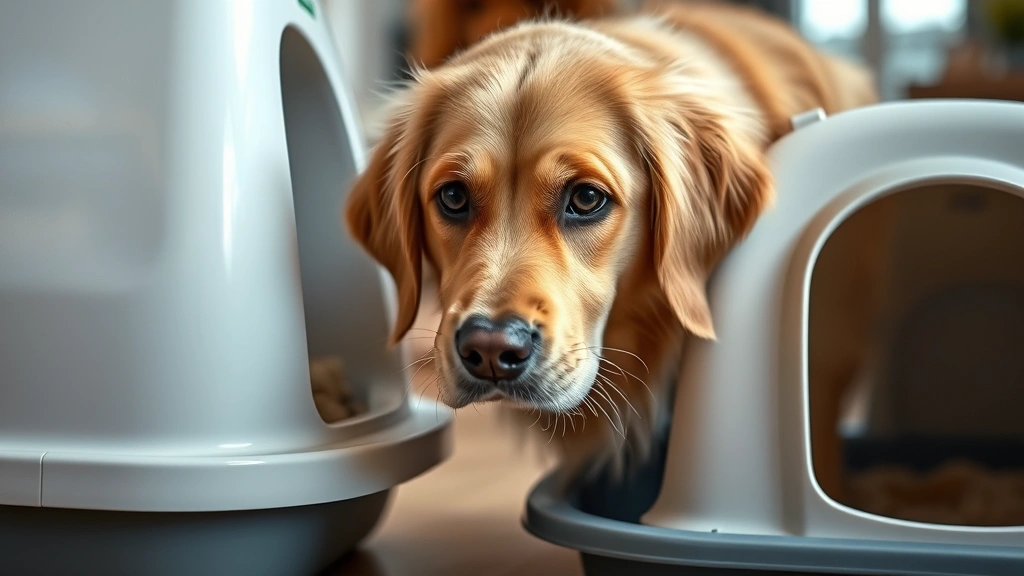
Can Dogs Use Cat Litter? Vet Insights on Safety and Risks
If you share your home with both dogs and cats, you’ve probably wondered whether it’s safe if your dog gets into the cat’s litter box. This is a surprisingly common concern among multi-pet households, and the answer is more nuanced than a simple yes or no. While dogs can physically use cat litter, veterinarians generally advise against it for several important health and behavioral reasons.
Understanding the risks associated with dogs consuming or being exposed to cat litter is essential for responsible pet ownership. From digestive complications to behavioral issues, there are multiple factors to consider when managing a household with both feline and canine companions. This comprehensive guide explores what veterinarians recommend and how you can keep your dog safe.
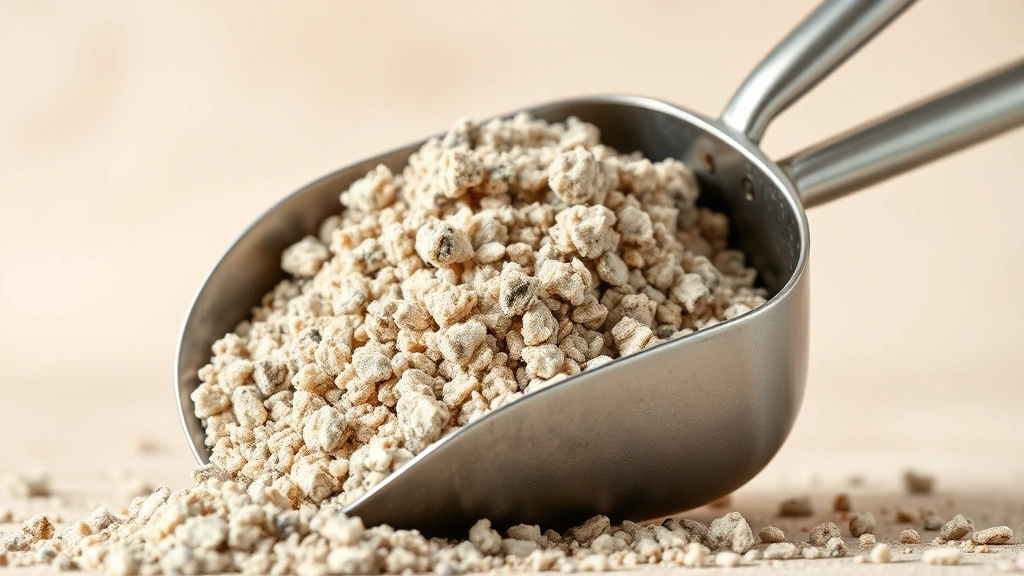
Why Dogs Are Attracted to Cat Litter
Dogs are naturally drawn to cat litter boxes for several biological and behavioral reasons. The primary attraction stems from the strong odors present in used cat litter, which contains concentrated urine and fecal matter. To a dog’s powerful sense of smell—which is between 10,000 to 100,000 times more sensitive than humans—a litter box essentially signals a treasure trove of interesting scents and tastes.
This behavior, known as coprophagia when dogs consume feces, is more common than many pet owners realize. While it’s particularly prevalent in puppies and younger dogs, adult dogs also engage in this behavior. Some veterinarians suggest that nutritional deficiencies, boredom, or simply the appeal of novel tastes can drive dogs toward cat litter. Additionally, some dogs may be attracted to the texture of certain litters, which can feel similar to soil they might dig in or play with outdoors.
The novelty factor cannot be overlooked either. If your dog doesn’t have regular access to the litter box, the forbidden nature of the activity can actually increase its appeal. This is why proper dog nutrition and feeding becomes important—a well-fed dog may be less motivated to seek alternative food sources.
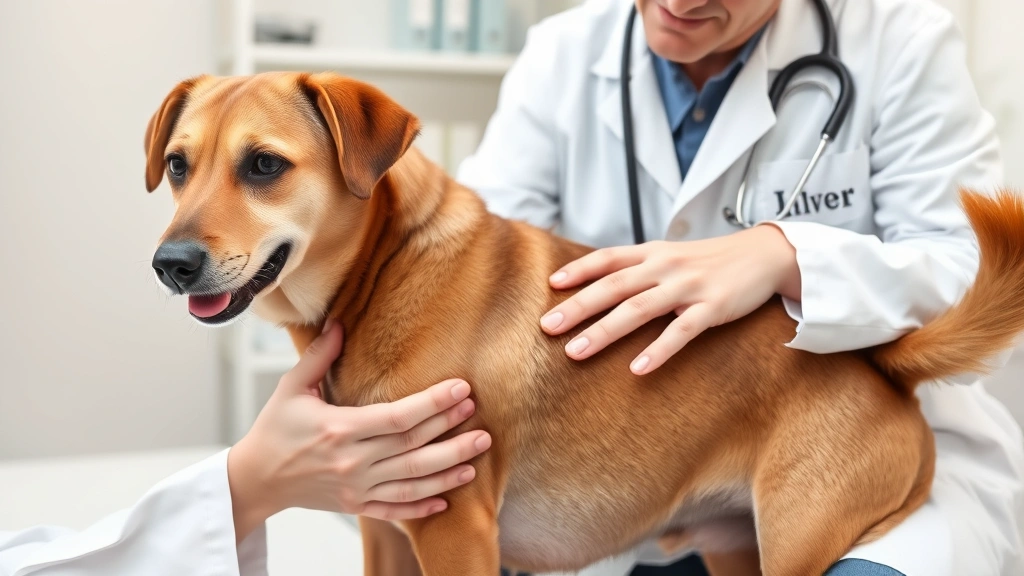
Health Risks of Dogs Eating Cat Litter
Veterinarians identify numerous health risks associated with dogs consuming cat litter. The most immediate concern involves the potential for intestinal blockages, which can become life-threatening emergencies requiring surgical intervention. Beyond physical obstructions, cat litter can harbor harmful bacteria, parasites, and pathogens that pose serious health threats to your canine companion.
One significant risk involves Toxoplasma gondii, a parasite commonly found in cat feces. While cats are the primary hosts for this parasite, dogs can contract it by consuming contaminated litter. Toxoplasmosis in dogs can cause muscle pain, fever, and gastrointestinal distress. Pregnant dogs face particular risk, as the infection can potentially affect fetal development.
Bacterial contamination is another serious concern. Cat litter boxes can harbor bacteria such as E. coli, Salmonella, and Clostridium difficile. When dogs ingest contaminated litter, they risk developing severe gastrointestinal infections that may require veterinary treatment. These infections can cause vomiting, diarrhea, and dehydration—conditions that demand immediate medical attention in severe cases.
According to the ASPCA, intestinal parasites represent another major concern. Roundworms, hookworms, and other parasites present in cat waste can infect dogs, leading to malnutrition, anemia, and other complications. This is particularly concerning for puppies and immunocompromised dogs.
Types of Cat Litter and Their Dangers
Not all cat litters pose identical risks, but each type carries specific concerns for curious dogs. Understanding the differences helps you make informed decisions about litter selection and storage in multi-pet households.
Clumping Litters: These contain bentonite clay that absorbs moisture and forms clumps. When ingested, clumping litter can expand in the dog’s stomach and intestines, creating serious blockage risks. This type of litter is particularly dangerous because it can continue expanding even after consumption, potentially causing life-threatening obstructions.
Silica Gel Litters: These crystal-based litters are designed to absorb moisture and odors effectively. However, when ingested by dogs, silica crystals can cause gastrointestinal irritation and potential blockages. The sharp edges of some crystal litters may also damage the digestive tract lining.
Natural and Biodegradable Litters: While marketed as safer alternatives, litters made from corn, wheat, pine, or paper can still pose risks. These materials can ferment in the dog’s digestive system, potentially causing gas, bloating, and discomfort. Some may also contain molds or fungi that produce toxins.
Scented Litters: Chemical fragrances and additives in scented litters can cause allergic reactions or gastrointestinal upset in dogs. Some dogs may be particularly sensitive to these added compounds, experiencing vomiting or diarrhea after exposure.
Digestive Issues and Blockages
The digestive complications resulting from litter consumption range from mild to life-threatening. Understanding the spectrum of potential issues helps you recognize warning signs and seek timely veterinary care when necessary.
Mild gastrointestinal upset is the most common outcome when dogs consume small amounts of cat litter. Symptoms include soft stools, mild vomiting, or temporary loss of appetite. These cases often resolve without intervention, though monitoring is important. However, dietary adjustments and home remedies may help support recovery in mild cases.
More serious concerns emerge when larger quantities are consumed or when the litter type is particularly problematic. Intestinal blockages represent the most severe risk, especially with clumping litters. These blockages prevent normal digestive movement and can lead to:
- Persistent vomiting and inability to keep food down
- Loss of appetite and lethargy
- Abdominal pain and distension
- Constipation or obstruction of bowel movements
- Dehydration and electrolyte imbalances
Blockages often require emergency surgical intervention to remove the obstructing material. Surgery carries its own risks and recovery period, making prevention far preferable to treatment. Recovery from blockage surgery typically involves hospitalization, pain management, and dietary modifications during the healing process.
Pancreatitis can also develop following litter consumption, particularly if the ingested material causes significant digestive inflammation. This painful condition requires veterinary management and may result in long-term dietary restrictions for your dog. Additionally, parasitic infections from contaminated litter develop over time, causing chronic issues like poor coat quality, weight loss, and gastrointestinal symptoms.
Behavioral Concerns and Training
Beyond physical health risks, allowing dogs to access cat litter creates behavioral problems that can be challenging to correct. Dogs that regularly consume litter may develop an entrenched habit that’s difficult to break, even after the physical dangers are explained to owners.
The behavioral aspect involves reinforcement cycles. Each time a dog successfully accesses the litter box and consumes litter without immediate negative consequences, the behavior becomes more rewarding and likely to repeat. This is why early intervention and prevention are crucial—breaking an established litter-eating habit requires consistent, patient training.
Training solutions involve several approaches. Environmental management is the most effective strategy, ensuring your dog cannot access the litter box. This might involve placing the box in a room your dog cannot enter, using baby gates, or installing a cat door that only felines can pass through. Some owners use automatic litter boxes with covers or motion-activated lids that close when dogs approach.
Positive reinforcement training also helps. Rewarding your dog for ignoring the litter box and redirecting attention to appropriate toys or activities strengthens desired behaviors. Consistency across all household members is essential—mixed messages about what’s acceptable will confuse your dog and slow progress.
Prevention Strategies for Multi-Pet Homes
Effective prevention is the cornerstone of keeping your dog safe in a multi-pet household. These strategies work best when implemented comprehensively and consistently.
Physical Barriers: The most reliable prevention method involves making the litter box inaccessible to your dog. Options include:
- Placing the litter box in a room with a door your dog cannot open (laundry room, bathroom, bedroom)
- Using baby gates or pressure-mounted barriers that cats can jump over but dogs cannot
- Installing a cat door in a regular door, allowing only cats to pass through
- Using elevated litter boxes placed on high furniture only cats can access
- Choosing automatic litter boxes with covers or motion sensors that deter dogs
Litter Box Management: Even with barriers, maintaining cleanliness reduces attraction. Scoop litter boxes multiple times daily to minimize odors that attract dogs. Ensure your dog maintains proper hydration and nutrition, as bored or nutritionally deficient dogs are more motivated to explore inappropriate items.
Enrichment and Exercise: A well-exercised, mentally stimulated dog is less likely to seek entertainment through litter box exploration. Provide adequate physical activity, interactive toys, and puzzle feeders that keep your dog engaged and satisfied.
Supervision: When you cannot provide physical barriers, close supervision is essential. Never leave your dog unsupervised in areas where litter boxes are accessible. This is particularly important for puppies and dogs with known litter-eating tendencies.
Training Reinforcement: Consistently reward your dog for appropriate behavior around the litter box area. Use high-value treats and enthusiastic praise when your dog ignores the box or moves away when redirected.
When to Contact Your Veterinarian
Recognizing when professional veterinary care is necessary can be lifesaving. Contact your veterinarian immediately if your dog exhibits any of these symptoms after accessing cat litter:
- Persistent vomiting or inability to keep food down
- Abdominal pain, distension, or sensitivity to touch
- Loss of appetite lasting more than a few hours
- Lethargy or unusual behavior changes
- Constipation or inability to defecate
- Diarrhea lasting more than 24 hours
- Signs of dehydration (dry gums, sunken eyes, lethargy)
- Blood in vomit or stool
Even if your dog seems fine after litter consumption, contact your vet if a large quantity was ingested. Your veterinarian can assess the situation, potentially take X-rays to rule out blockages, and recommend monitoring or treatment as needed. Early intervention often prevents serious complications from developing.
For dogs with chronic litter-eating habits, discuss parasite prevention with your veterinarian. Regular deworming may be recommended to address parasitic infections that could develop from repeated litter exposure. Your vet can also help identify underlying causes—nutritional deficiencies, behavioral issues, or medical conditions—that might be driving the behavior.
According to the American Kennel Club, preventive veterinary care and open communication with your vet about household hazards is essential for optimal pet health. Don’t hesitate to reach out with concerns; veterinarians have extensive experience with these situations and can provide personalized guidance for your specific household.
FAQ
Is it ever safe for dogs to eat cat litter?
No, it is never truly safe for dogs to consume cat litter. While small, occasional exposures may not cause immediate harm, the risks of parasites, bacterial infections, and blockages make this an unsafe activity. Prevention is always the best approach.
What should I do if my dog ate cat litter?
Observe your dog closely for signs of distress or illness. Contact your veterinarian, especially if your dog consumed a large quantity or seems uncomfortable. Your vet can assess the situation and recommend appropriate monitoring or treatment. Do not induce vomiting unless specifically directed by your veterinarian.
Can clumping litter cause blockages in dogs?
Yes, clumping litter is particularly problematic because bentonite clay can expand in the digestive tract, potentially causing serious blockages. This type of litter poses significant risk and should be kept strictly away from dogs.
Are natural cat litters safer for dogs?
While natural litters may seem safer, they still pose risks including fermentation, mold exposure, and gastrointestinal upset. They are not a safe alternative if your dog has access to them. Physical barriers remain the best prevention strategy.
How can I stop my dog from eating cat litter?
The most effective approach combines physical barriers (preventing access), environmental management (keeping litter boxes inaccessible), training (positive reinforcement), and enrichment (adequate exercise and mental stimulation). Consistency across all household members is essential for success.
Could nutritional deficiencies cause my dog to eat cat litter?
In some cases, yes. Dogs with nutritional deficiencies may be more motivated to seek alternative food sources. Ensure your dog receives appropriate quantities of high-quality dog food and discuss any concerns with your veterinarian. However, even well-fed dogs may eat litter due to boredom or habit.
What parasites can dogs get from cat litter?
Common parasites include roundworms, hookworms, and Toxoplasma gondii. These can cause gastrointestinal symptoms, malnutrition, and more serious complications. Regular parasite prevention and veterinary check-ups help protect your dog.
Should I change my cat’s litter type if I have a dog?
Rather than changing litter types, focus on preventing your dog’s access to the litter box. Most cat owners prefer their chosen litter for feline bathroom habits. Physical barriers are more effective than changing litter types.