
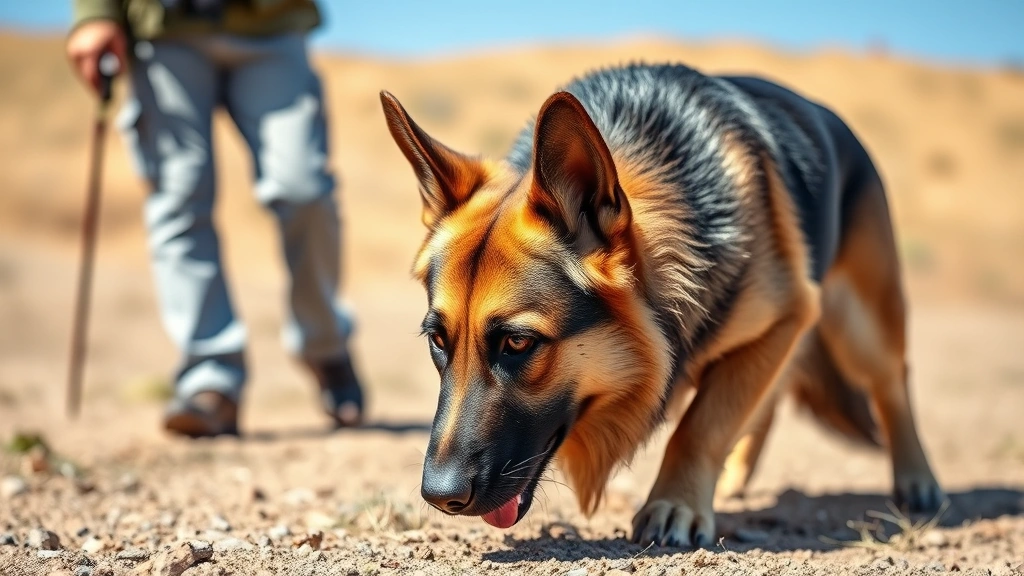
Can Drug Dogs Smell Carts? Expert Insights on Canine Detection Abilities
Drug detection dogs have become integral to law enforcement, airports, and border security worldwide. Their remarkable olfactory capabilities allow them to identify substances that human noses cannot even perceive. But when it comes to vape cartridges and other modern consumption devices, the question becomes more nuanced: can drug dogs actually smell carts, or do these products somehow evade detection?
The answer is yes—drug dogs can detect carts containing controlled substances. However, the effectiveness depends on several factors including the dog’s training, the specific substance involved, and environmental conditions. Understanding how these canine detectives work provides fascinating insight into both dog biology and law enforcement practices.
How Drug Dogs Detect Substances
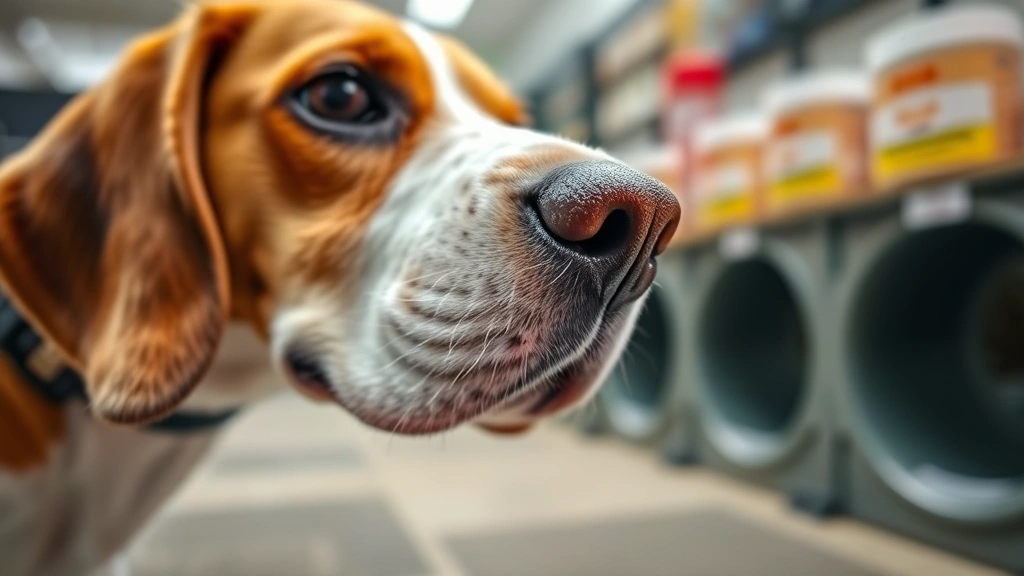
Dogs possess an extraordinary sense of smell that far surpasses human capability. While humans have approximately 6 million olfactory receptors, dogs have between 200 to 300 million, depending on the breed. This means dogs can detect odors at concentrations nearly 100 million times lower than humans can perceive.
The science behind this detection involves more than just having more smell receptors. Dogs have a specialized organ called the vomeronasal organ (also known as Jacobson’s organ) that processes scent information differently than the main olfactory system. This dual processing allows them to identify complex chemical signatures that make up drug odors.
When a drug detection dog encounters a substance, they’re not just smelling the primary drug compound. They’re detecting the entire chemical profile, including:
- The active pharmaceutical ingredients
- Residual compounds from manufacturing
- Chemical byproducts from degradation
- Trace amounts that cling to packaging materials
- Environmental contaminants mixed with the substance
This comprehensive detection ability makes it extremely difficult for substances to remain completely undetected, even when sealed or hidden in containers.

Can Drug Dogs Smell Vape Carts Specifically
Vape cartridges present an interesting challenge for drug detection dogs because they’re relatively new products with variable compositions. A vape cart typically contains concentrated cannabis oil or other controlled substances in a sealed, compact device. Many people assume these sealed containers might prevent odor detection, but this assumption is incorrect.
The short answer: Yes, drug dogs can smell vape carts.
The reason is that even sealed cartridges emit microscopic odor particles. These particles escape through:
- Manufacturing seams and imperfections
- The connection points between battery and cartridge
- Microscopic gaps in materials
- Vapor that escapes during use or storage
A properly trained drug detection dog can identify these minute odor signatures from several feet away. Law enforcement agencies have confirmed that dogs trained to detect cannabis, THC, or other controlled substances can successfully alert on vape carts, even when they appear completely sealed.
The effectiveness varies based on several conditions, but studies from ASPCA research and law enforcement reports consistently demonstrate positive detection rates for trained canines encountering vape cartridges.
Training and Detection Methods
Drug detection dogs undergo extensive training programs that typically last 4-6 months. The training process involves teaching dogs to recognize specific odor profiles associated with controlled substances.
Initial Training Phase: Puppies or young dogs begin with basic obedience and play-based scent work. Trainers introduce the target odor in small quantities, rewarding the dog when they successfully identify it. This positive reinforcement approach makes the dog enthusiastically seek out the smell.
Advanced Training: As dogs progress, they learn to:
- Distinguish target odors from similar but legal substances
- Work in various environments (vehicles, buildings, outdoor areas)
- Alert their handler through specific behaviors (sitting, lying down, or pawing)
- Maintain focus despite distractions
- Work under different weather and environmental conditions
Most drug detection dogs are trained on multiple substances simultaneously. A single dog might be trained to detect cannabis, cocaine, methamphetamine, heroin, and opioids. This multi-substance training doesn’t confuse the dogs—their remarkable brains can compartmentalize different odor profiles.
The training methodology has evolved significantly. Modern programs often use imprinting techniques where dogs are exposed to the actual substances they’ll encounter in the field. This ensures they recognize real-world product variations, including different cart brands, manufacturing batches, and storage conditions.
Factors Affecting Detection Success
While drug dogs are remarkably effective, several factors influence whether they successfully detect a cart:
Dog’s Training Level: A dog trained specifically for cannabis detection will perform better at identifying carts than a dog trained on other substances. Specialized training ensures the dog recognizes the specific chemical markers of THC or CBD products.
Environmental Conditions: Weather plays a significant role. Rain, snow, and extreme temperatures can affect how odor particles disperse. Wind direction matters too—dogs work most effectively when odors are carried toward them. On calm days with poor air circulation, detection becomes more challenging.
Handler Experience: The person working with the dog significantly impacts success rates. Experienced handlers understand their dog’s subtle signals and know how to position themselves for optimal detection. They also understand how to work different environments effectively.
Cart Freshness and Storage: New carts with recent manufacturing residue are easier to detect than old, well-stored carts that have had time to off-gas. However, even older carts emit detectable odors.
Cartridge Material: Different materials (glass, plastic, metal) have varying permeability. Some materials allow more odor to escape than others. However, no standard consumer cartridge is completely odor-proof.
Handler Bias: Research has shown that handlers’ expectations can influence how they interpret their dog’s behavior. If a handler expects to find something, they might misinterpret normal dog behavior as an alert. This is why proper blind testing and verification procedures are important in law enforcement contexts.
Modern Challenges in Detection
As technology evolves, so do attempts to evade detection. Some people have tried various methods to avoid drug dog detection, but evidence suggests these methods have limited effectiveness.
Sealed Containers: Placing carts in multiple sealed bags or airtight containers might slightly reduce odor emission, but it doesn’t eliminate it. Dogs can still detect odors from sealed packages.
Odor Masking: Using strong-smelling substances (coffee, pepper, perfume) to mask drug odors is largely ineffective. While these scents are powerful to humans, dogs can distinguish between multiple odors simultaneously. The masking scent doesn’t prevent the dog from detecting the underlying drug odor.
Chemical Interference: Some believe that certain chemicals or products can interfere with a dog’s sense of smell. This is a myth. Nothing can temporarily disable or significantly impair a healthy dog’s olfactory system for extended periods.
Novel Substances: As new synthetic cannabinoids and designer drugs emerge, dogs trained on older substance variations might not recognize them. However, law enforcement agencies regularly update training programs to include new compounds. The American Kennel Club works with law enforcement to establish standards for detection dog training that evolve with emerging threats.
Legal and Ethical Considerations
The use of drug detection dogs raises important legal and ethical questions. Courts have examined whether a dog’s alert provides sufficient probable cause for searches. The Supreme Court has generally upheld the reliability of drug detection dogs when properly trained and handled.
However, the legal landscape varies significantly by jurisdiction, especially regarding cannabis. In states where cannabis is legal, law enforcement has adapted their drug detection practices. Some agencies have retired dogs trained on cannabis because alerting on legal substances creates complications. Others have retrained dogs to ignore cannabis while detecting other drugs.
Ethically, there’s ongoing discussion about:
- The stress detection work places on dogs
- Whether dogs should work in high-temperature environments
- How to ensure handler bias doesn’t lead to false alerts
- The appropriateness of using dogs for drug enforcement in jurisdictions where those substances are legal
Organizations like the ASPCA advocate for proper dog care and working conditions. Well-trained drug detection dogs typically enjoy their work and show few signs of stress when properly managed.
If you’re interested in how drug detection dogs impact your pet’s health and behavior, understanding how to relieve constipation in dogs and other health issues is important. Dogs working in various environments may experience stress-related digestive issues. Learning about how to help a dog poop can benefit any dog owner dealing with working or stressed animals. Additionally, what to do if dog has diarrhea provides valuable guidance for maintaining your dog’s digestive health.
FAQ
What substances can drug detection dogs smell?
Drug detection dogs can be trained to detect virtually any controlled substance that has a distinct chemical signature. Common substances include cannabis, cocaine, methamphetamine, heroin, MDMA, and prescription opioids. Some specialized dogs are trained for explosives or other non-drug items.
How accurate are drug detection dogs?
Studies show that properly trained drug detection dogs have accuracy rates between 85-95% when working under ideal conditions. Accuracy depends heavily on training quality, handler experience, environmental factors, and the dog’s health status. False positives can occur due to handler bias or contamination from residual odors in environments.
Can drug dogs smell through vacuum-sealed bags?
Yes. While vacuum-sealing reduces odor emission, it doesn’t eliminate it completely. Microscopic odor particles escape through material imperfections, seams, and over time through the material itself. Drug dogs can detect these faint odors.
Are certain dog breeds better at drug detection?
While many breeds can become effective drug detection dogs, some are more commonly used due to their size, trainability, and work ethic. German Shepherds, Beagles, Labrador Retrievers, and Belgian Malinois are popular choices. However, the dog’s training and handler expertise matter more than breed.
Can drug dogs detect delta-8 or other hemp-derived products?
This depends on whether the dog was specifically trained on delta-8 or other hemp compounds. Dogs trained on broad cannabis odor profiles might alert on any cannabis-derived product, including legal hemp products. This is why some jurisdictions have had to modify their drug dog programs in response to hemp legalization.
How far away can a drug dog smell something?
Under optimal conditions with favorable wind direction, a drug detection dog can detect substances from 100 feet away or more. In vehicles or buildings, detection range is typically shorter, around 10-20 feet. Environmental factors like wind, temperature, and humidity significantly affect detection distance.
Do drug dogs get tired or need breaks?
Yes, absolutely. Proper handler protocols include regular breaks during detection work. A dog’s olfactory abilities don’t diminish quickly, but their focus and enthusiasm do. Well-trained handlers follow guidelines that limit active detection work to prevent fatigue and ensure handler safety as well.
What happens if a drug dog gives a false alert?
False alerts can occur due to handler bias, residual odors from previous contamination, or the dog detecting substances the handler isn’t seeking. In legal contexts, a dog’s alert should prompt further investigation but doesn’t automatically prove guilt. Additional evidence is typically required for conviction.





