
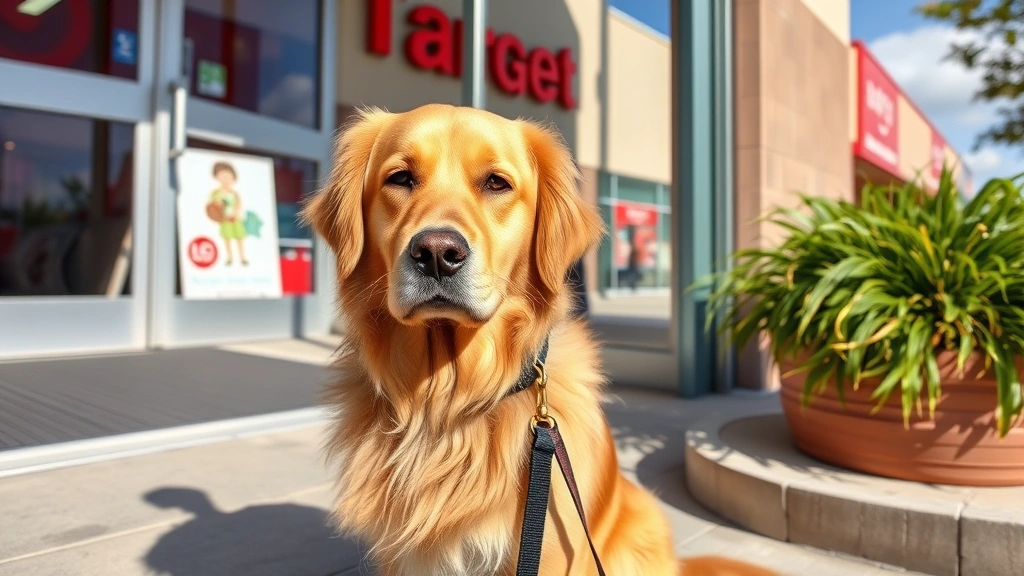
Can I Bring My Dog into Target? Complete Policy Guide
Whether you’re a pet parent wondering if you can bring your furry companion on your next shopping trip, you’ve likely asked yourself: “Can I bring my dog into Target?” The short answer is no—Target does not allow pet dogs in their stores, with one important exception. Understanding Target’s pet policy, the reasoning behind it, and what alternatives exist can help you plan better shopping trips with your beloved canine companion.
Target’s official policy aligns with most major retail chains and food service establishments. However, there’s a critical distinction between regular pets and certified service animals that every dog owner should understand. This guide breaks down everything you need to know about bringing dogs to Target, explores why these policies exist, and provides practical solutions for shopping with your four-legged friend.
Target’s Official Pet Policy
Target’s straightforward pet policy states that only certified service animals are permitted inside their stores. This policy is consistently applied across all Target locations nationwide. Service animals are defined specifically as dogs (and in some cases miniature horses) that have been individually trained to perform tasks or do work for people with disabilities. The animal’s presence must be directly related to the person’s disability and the specific tasks the animal performs.
Regular pets, emotional support animals without task training, therapy animals, and comfort animals do not meet Target’s criteria for store access. This means your beloved golden retriever, even if exceptionally well-behaved, cannot accompany you through the aisles while you pick up groceries, household items, or clothing. The policy applies to all pets regardless of size, breed, or temperament.
Target’s position reflects federal guidelines under the Americans with Disabilities Act (ADA), which provides specific definitions and protections for legitimate service animals. This distinction is crucial because it protects both customers and dogs from potential conflicts and ensures that true service animals performing vital functions aren’t confused with pets.
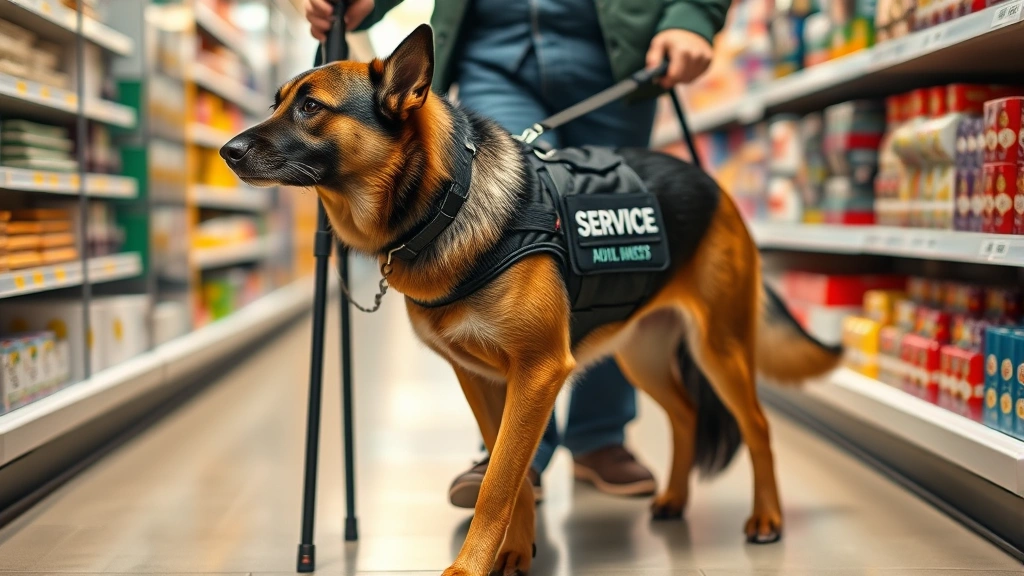
Service Dogs vs. Emotional Support Animals
One of the most common misconceptions is that emotional support animals (ESAs) have the same public access rights as service dogs. They do not. Understanding the difference is essential if you’re hoping to bring your dog to Target or any other public establishment.
Service Animals are dogs that undergo extensive professional training to perform specific tasks for individuals with disabilities. These tasks might include:
- Guiding individuals who are blind or have low vision
- Alerting people who are deaf to sounds
- Retrieving items for people with mobility limitations
- Detecting seizures and helping during episodes
- Alerting to the presence of allergens
- Providing deep pressure therapy during panic attacks
- Performing other disability-specific tasks
Emotional Support Animals, while providing comfort through their presence alone, haven’t been trained to perform specific disability-related tasks. They may help with anxiety, depression, or PTSD, but their therapeutic benefit comes from companionship rather than trained behaviors. According to the ASPCA, ESAs have limited public access rights and are primarily protected in housing and air travel situations.
If you have a service dog, Target staff should permit access upon reasonable inquiry. However, store employees may ask two specific questions: “Is this a service animal required because of a disability?” and “What work or task has the dog been trained to perform?” They cannot ask for documentation, certification, or proof of training, but they can remove dogs that are disruptive or not under control.
Why Target Restricts Pets
Target’s pet restriction policy exists for several practical and legal reasons. Understanding these helps explain why major retailers maintain similar guidelines:
Food Safety and Health Codes represent the primary concern. Target stores contain extensive food sections and grocery items. Health departments enforce strict regulations about animals in food retail environments. Even well-trained pets can shed hair, dander, or carry bacteria that could contaminate food products or preparation areas. These regulations protect all customers from potential foodborne illness risks.
Liability and Safety concerns also factor significantly. Thousands of customers visit Target daily, including children, elderly individuals, and people with phobias or allergies. Even friendly dogs can inadvertently cause injuries—a wagging tail might knock over an elderly person, or a startled dog could nip someone. Target must protect all customers and minimize legal liability.
Store Operations become complicated with multiple pets present. Dogs might eliminate indoors, require constant monitoring, or become anxious in crowded environments. Staff would need additional training to manage pet-related incidents, and cleaning protocols would become more complex and costly.
Fairness and Consistency matter too. If Target allowed all dogs, distinguishing between well-behaved pets and problematic ones would create conflicts. Standardizing the policy to allow only service animals provides clear, objective guidelines that apply equally to everyone.

Alternatives for Shopping with Your Dog
Just because your dog can’t join you inside Target doesn’t mean you’re without options. Several practical alternatives exist for pet parents:
Shop Online and Pick Up represents the most convenient solution. Target’s Drive Up service allows you to order items online and pick them up without entering the store. Your dog stays home comfortably while you run errands efficiently. This option has become increasingly popular and offers excellent flexibility.
Leave Your Dog at Home safely and comfortably. Ensure your dog has access to water, appropriate temperature control, and enrichment toys. For short trips, most healthy adult dogs tolerate brief periods alone without issue. Consider hiring a pet sitter or using doggy daycare for longer shopping excursions.
Visit Dog-Friendly Stores when you need to bring your pet along. Many retailers explicitly welcome dogs, allowing you to shop while keeping your companion nearby. This option works well for social dogs who enjoy new environments.
Split the Trip with a family member or friend. One person stays with the dog while another shops, then you switch roles if needed. This approach works especially well for households with multiple people.
Quick Errands Only if you’re tempted to leave your dog in the car. However, never leave dogs unattended in vehicles, especially in warm weather. Temperatures inside cars rise dangerously quickly, creating life-threatening conditions within minutes. This applies regardless of cracked windows or mild weather predictions.
What About Dog-Friendly Retailers
While Target maintains strict pet restrictions, many retailers explicitly welcome well-behaved dogs. Understanding which stores allow pets helps you plan shopping trips that include your canine companion:
Pet Supply Stores like Petco, PetSmart, and local independent pet shops naturally welcome dogs. These environments cater to pet owners, and staff are trained to handle animals. Your dog can accompany you while selecting food, toys, and supplies, which many owners appreciate.
Home Improvement Stores including Home Depot and Lowe’s generally permit leashed dogs. These stores have open layouts, minimal food products, and customer bases accustomed to seeing animals. Staff are typically accommodating to dog-owning customers.
Outdoor Retailers
Farmers Markets and Outdoor Shopping
Specialty Boutiques
When visiting dog-friendly establishments, remember that permission to bring your dog comes with responsibility. Keep your dog leashed, under control, and respectful of other customers. Clean up any accidents immediately, and avoid letting your dog jump on or approach other people without permission.
Preparing Your Dog for Store Visits
If you plan to bring your dog to dog-friendly retailers or public spaces, proper preparation ensures positive experiences for everyone:
Leash Training is fundamental. Your dog should walk calmly on a leash without pulling, lunging, or becoming overly excited. Practice in various environments before attempting busy retail spaces. A well-fitted harness often provides better control than traditional collars.
Socialization and Exposure help dogs remain calm in crowded, stimulating environments. Expose your dog gradually to new sights, sounds, and people. Dogs that have positive experiences in various settings typically handle store visits better than those kept primarily at home.
Basic Obedience Commands including “sit,” “stay,” and “leave it” provide essential control. These commands allow you to manage your dog’s behavior if they become distracted or approach other shoppers inappropriately.
Exercise Before Shopping reduces excess energy and anxiety. A tired dog is a well-behaved dog. Walk your dog thoroughly before entering a store to promote calm behavior.
Proper Hydration and Breaks matter during extended shopping trips. Bring a portable water bowl and offer drinks regularly. Take breaks if your dog shows signs of stress or fatigue.
Health and Cleanliness ensure your dog is pleasant to be around. Ensure vaccinations are current, your dog is parasite-free, and grooming is up-to-date. A clean dog is welcome in more places and poses fewer health concerns to other customers.
When shopping with your dog, be mindful of what you’re purchasing. If you’re buying groceries, keep them away from your dog’s reach. If you’re considering items like banana chips or other treats, verify they’re dog-safe before bringing them home. Similar caution applies to mashed potatoes, avocado oil, and other human foods your dog might encounter.
FAQ
Can I bring my service dog into Target?
Yes, certified service dogs are permitted in all Target locations. Service dogs trained to perform specific tasks for people with disabilities have legal access rights under the Americans with Disabilities Act. Target staff may ask what tasks your dog performs but cannot require documentation or certification.
What’s the difference between a service dog and an emotional support animal?
Service dogs undergo professional training to perform specific disability-related tasks like guiding blind individuals or alerting to seizures. Emotional support animals provide comfort through companionship alone and haven’t been trained for specific tasks. Only service dogs have public access rights in retail stores like Target.
Can I leave my dog in the car while I shop at Target?
Never leave your dog unattended in a vehicle. Car temperatures rise dangerously quickly, creating life-threatening conditions within minutes—even with windows cracked or in mild weather. This poses serious health and legal risks to your pet.
Which retailers allow dogs inside?
Many stores welcome dogs, including pet supply stores (Petco, PetSmart), home improvement retailers (Home Depot, Lowe’s), outdoor retailers (REI, Cabela’s), and many local boutiques. Always verify a store’s pet policy before visiting with your dog.
How can I shop at Target with my dog at home?
Use Target’s Drive Up service to order online and pick up items without entering the store. Alternatively, use traditional online ordering with home delivery, or arrange for a family member or pet sitter to stay with your dog while you shop.
Why doesn’t Target allow regular pets?
Target restricts pets due to food safety regulations, liability concerns, and store operations. As a grocery retailer, Target must maintain strict health code compliance. Allowing multiple pets would complicate these requirements and potentially compromise customer safety.
Can I bring my dog if it’s very well-behaved?
No, Target’s policy applies universally regardless of a dog’s temperament or training level. Only certified service animals performing disability-related tasks are exempt. This consistent policy prevents conflicts and maintains clear guidelines for all customers.
What if my dog has anxiety about being alone?
Consider professional help through a certified animal behaviorist or veterinarian. Options include desensitization training, anxiety medications prescribed by your vet, doggy daycare, or hiring a pet sitter. If your dog’s anxiety is severe enough to warrant a service dog, consult with a professional service dog organization about training options.





