
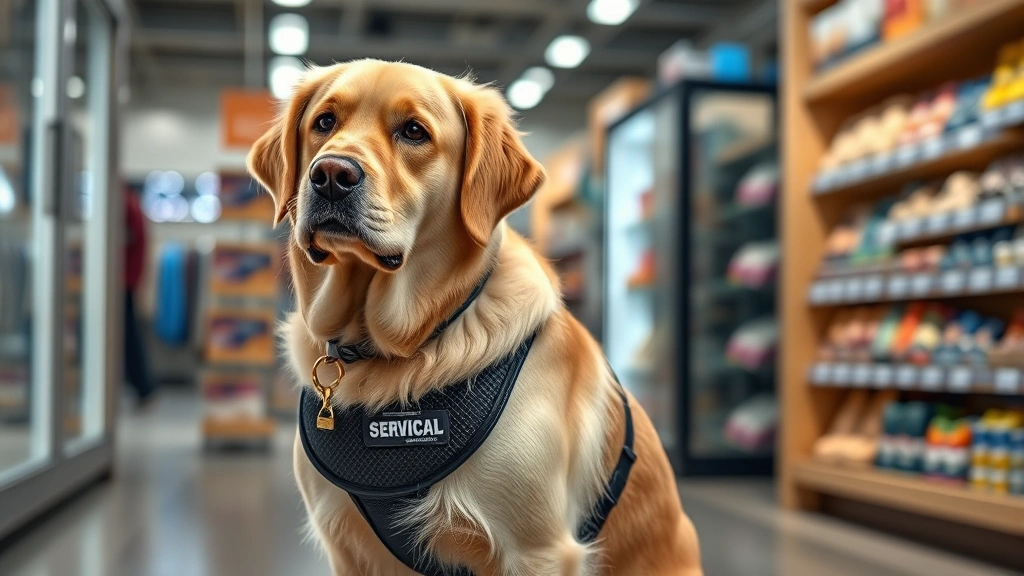
Can I Bring My Dog to Target? Store Policy Explained
Planning a shopping trip and wondering if your furry companion can tag along? The question of whether you can bring your dog to Target is more nuanced than a simple yes or no. Target’s official pet policy allows only certified service animals inside their stores, but understanding the specifics—and knowing your alternatives—can help you make the best decision for both you and your pup.
As a pet owner, you naturally want to include your dog in your daily activities. However, retail environments present unique challenges for dogs, from crowded aisles to unfamiliar sights and sounds. This comprehensive guide breaks down Target’s pet policies, explains the differences between service animals and emotional support animals, and provides practical solutions for shopping with your four-legged friend.
Target’s Official Pet Policy
Target maintains a clear and straightforward pet policy that aligns with federal regulations under the Americans with Disabilities Act (ADA). According to their official guidelines, only certified service animals are permitted inside Target stores. This means your beloved pet, regardless of how well-behaved or small, cannot accompany you through the checkout lanes during regular shopping trips.
The policy applies uniformly across all Target locations nationwide. Whether you’re shopping at an urban Target or a suburban location, the rules remain consistent. Target does not make exceptions for:
- Small dogs or toy breeds
- Dogs wearing special clothing or vests
- Emotional support animals without ADA certification
- Dogs on leashes or in carriers
- Well-trained pets with perfect behavior records
This blanket approach protects both the shopping environment and the wellbeing of all animals in the store. While it may feel restrictive, understanding the reasoning behind this policy helps pet owners respect the boundaries.
Service Animals vs. Emotional Support Animals
A critical distinction exists between certified service animals and emotional support animals (ESAs), and Target’s policy strictly adheres to the ADA definition. Service animals are specially trained dogs that perform specific tasks for individuals with disabilities. These tasks might include guiding people who are blind, alerting to seizures, retrieving items, or providing mobility assistance.
Emotional support animals, by contrast, provide comfort through companionship alone. They haven’t undergone specialized task training and lack the legal protections that service animals receive. According to the ADA, only dogs (and miniature horses in specific circumstances) qualify as legitimate service animals. Certification documents, vests, and registration websites have no legal bearing on whether an animal qualifies.
Target employees receive training to distinguish between these categories. They may ask two questions to verify service animal status: “Is this a service animal required because of a disability?” and “What work or task has the dog been trained to perform?” Answers about emotional support or companionship indicate the animal doesn’t meet the service animal definition.
If you have a legitimate service dog, you should be able to enter Target without issue. However, the responsibility falls on you to be prepared to answer these qualifying questions honestly and clearly.
Why Dogs Aren’t Allowed in Target
Target’s pet restriction isn’t arbitrary—it stems from legitimate health, safety, and operational concerns. Understanding these reasons helps pet owners appreciate why the policy exists and makes informed decisions about their shopping strategy.
Food Safety and Health Code Compliance
Target sells food items, groceries, and health products. Federal food safety regulations under the Food Safety Modernization Act prohibit animals (except service animals) in areas where food is stored, prepared, or sold. Even the most hygienic dog could shed fur, dander, or carry bacteria that contaminates products.
Allergen and Phobia Concerns
Many customers suffer from dog allergies or cynophobia (fear of dogs). A dog-friendly policy would create an inhospitable environment for these shoppers. Target has a responsibility to maintain an accessible shopping experience for all customers, regardless of their allergies or anxieties.
Behavioral Unpredictability
Even well-trained dogs can react unpredictably in unfamiliar environments. Loud noises, crowded spaces, or interactions with strangers might trigger anxiety, aggression, or escape attempts. A frightened or aggressive dog in a busy retail environment poses risks to customers, employees, and the dog itself.
Liability and Insurance
Retail stores carry liability insurance that typically excludes non-service animals. If a dog causes injury or property damage, the store faces potential legal and financial consequences. This protection extends to both customers and employees.
Alternatives to Bringing Your Dog Shopping
Since bringing your dog to Target isn’t an option, consider these practical alternatives that keep your pup safe and comfortable while you shop.
Leave Your Dog at Home
The simplest solution for short shopping trips is leaving your dog in a secure, comfortable home environment. Ensure they have access to water, a comfortable resting area, and appropriate toys to prevent boredom. For trips lasting under four hours, most healthy adult dogs adjust well to staying home alone.
Use Curbside Pickup or Delivery Services
Target offers convenient curbside pickup and same-day delivery options that eliminate the need to enter the store. Order online, and Target employees gather your items. You’ll save time and keep your dog at home where they’re most comfortable. This option proves especially valuable if your dog has digestive sensitivities or anxiety that could be triggered by stress.
Arrange Dog Care
Ask a trusted friend, family member, or professional dog walker to watch your pup during shopping trips. Dog daycare facilities also provide supervised care and socialization opportunities. While this requires advance planning and expense, it ensures your dog receives proper attention and care.
Time Your Trips Strategically
Shop during early morning or late evening hours when you can complete your trip quickly. The faster you shop, the less time your dog spends alone. Consider combining multiple errands into one efficient trip to minimize separation time.
Visit Pet-Friendly Retailers
Some retailers explicitly welcome well-behaved pets. Home Depot, Lowe’s, and Petco allow leashed dogs in their stores. If your shopping needs include pet supplies or home improvement items, these stores offer dog-friendly alternatives.
Tips for Pet-Friendly Errands
When you do need to run errands, structure your outings to keep your dog safe and secure. These strategies minimize stress for both you and your pet.
Create a Safe Car Environment
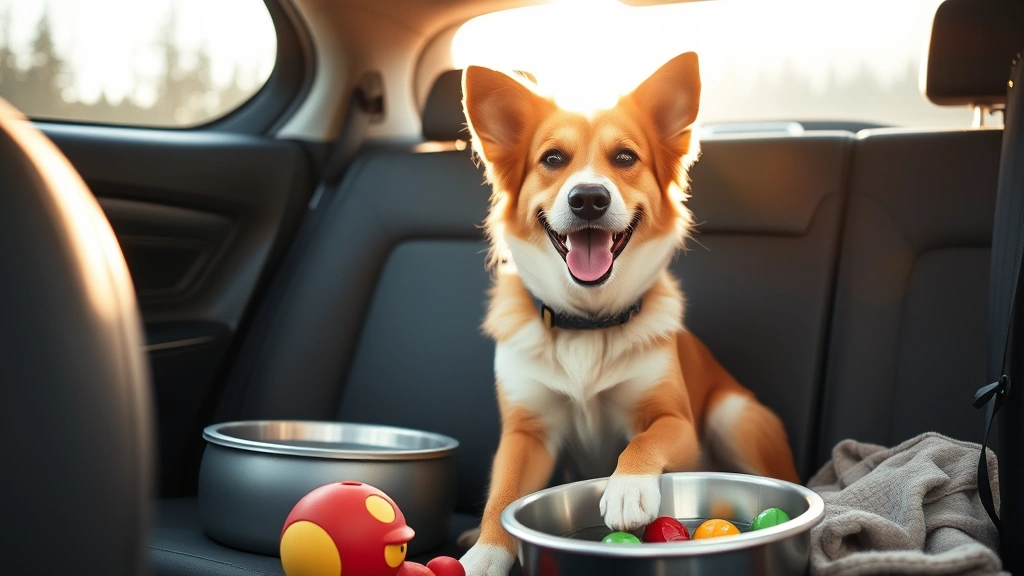
If your dog accompanies you to Target’s parking lot (waiting in the car), ensure proper ventilation and temperature control. Never leave a dog unattended in a vehicle for extended periods, especially in warm weather. Even with windows cracked, cars heat dangerously fast. Consider keeping a travel water bowl and portable water bottle in your vehicle.
Prepare a Comfort Kit
Pack familiar items that soothe your dog: a favorite toy, blanket, or treat. These items provide comfort and distraction during waits. Puzzle toys filled with treats offer extended mental stimulation and can prevent destructive behaviors born from boredom.
Practice Relaxation Training
Teach your dog to settle calmly in a car or crate before long errands. Use positive reinforcement to create positive associations with waiting. Dogs with solid training in calm behavior experience less stress during separation.
Exercise Before Shopping
A well-exercised dog is a calm dog. Take your pup for a walk or play session before heading to Target. Physical activity burns energy and promotes relaxation, making wait times less stressful.
Check Weather Conditions
Never leave your dog in a vehicle during extreme weather. Hot days, cold nights, or severe storms create dangerous conditions. If weather is questionable, use delivery or curbside pickup instead.
Health Considerations When Shopping
Beyond policy restrictions, consider how shopping environments affect your dog’s health and wellbeing. Retail spaces present various stressors that impact your pet’s physical and mental state.
Stress and Anxiety
Crowded stores with unfamiliar people, loud noises, and strange scents trigger stress responses in many dogs. Stress elevates cortisol levels and can contribute to behavioral issues like aggression or excessive barking. If your dog already experiences stress-related vomiting or digestive upset, retail environments may exacerbate these conditions.
Exposure to Pathogens
Retail floors are touched by hundreds of feet daily and may harbor bacteria or parasites. Dogs that sniff or lick floors risk exposure to pathogens. Even brief store visits could expose your dog to kennel cough, intestinal parasites, or other contagious conditions.
Nutritional Concerns
Some dogs are tempted to eat items off shelves or floors. Chocolate, xylitol-containing products, or other toxic substances are common in retail environments. Keeping your dog away from these temptations eliminates this risk entirely. If your dog has food sensitivities, you might also consider whether certain foods found in stores could trigger reactions.
Physical Injury Risks
Heavy shopping carts, closing doors, and crowded aisles create injury hazards. A dog could be stepped on, knocked down, or caught in a door. Small breeds face particular vulnerability in busy retail spaces.
Vaccination and Health Status
If your dog hasn’t completed their vaccination series or has a compromised immune system, exposure to public spaces increases disease risk. Consult your veterinarian about your individual dog’s health status before considering any public outings.
FAQ
Can I bring my service dog to Target?
Yes, certified service dogs trained to perform specific tasks for individuals with disabilities are permitted in Target stores. Service dogs are not pets—they’re working animals with legal protections under the ADA. Target employees should accommodate legitimate service animals without question.
What if my dog is a registered emotional support animal?
Unfortunately, emotional support animals don’t have the same legal access rights as service animals. Registration documents, vests, and certificates have no bearing on ADA compliance. Target will not allow ESAs inside their stores. However, if your ESA helps manage anxiety or other conditions, keeping them home in a calm environment may actually provide better therapeutic benefits than a stressful retail trip.
Are there any Target locations with different policies?
Target’s pet policy is uniform across all locations nationwide. No individual stores have exceptions or special allowances for non-service dogs. The policy remains consistent whether you’re shopping in a city or rural area.
Can I bring my dog in a carrier or backpack?
No. Target’s policy applies to all dogs regardless of how they’re transported. A dog in a carrier, backpack, or stroller is still not permitted. The only exception remains certified service animals.
What should I do if I see someone with a non-service dog in Target?
You can politely inform a Target employee about the situation. However, avoid confronting the customer directly. Employees are trained to handle policy violations professionally. It’s possible the dog is a legitimate service animal, so judgment calls are best left to staff.
Can I challenge Target’s pet policy?
Target’s policy aligns with federal law and industry standards. The ASPCA and other animal welfare organizations recognize that retail environments aren’t appropriate for pet dogs. Individual customer complaints are unlikely to change a nationwide corporate policy.
Are there pet-friendly shopping alternatives?
Yes! Many retailers welcome leashed dogs, including Home Depot, Lowe’s, Petco, and some local boutiques. Outdoor shopping areas and farmers’ markets often allow well-behaved dogs. Always call ahead to confirm a store’s pet policy before visiting.
How long can I safely leave my dog in a car while shopping?
Generally, healthy adult dogs can safely wait 2-3 hours in a well-ventilated vehicle with access to water. However, puppies, senior dogs, or dogs with health conditions may need more frequent breaks. Never leave a dog unattended in extreme temperatures, and always provide proper ventilation.





