
Triple Antibiotic for Dogs: Vet Guidance on Safe Use
Triple antibiotic ointment is a common household staple found in most medicine cabinets, and many dog owners wonder whether they can use it on their furry companions. The short answer is: yes, but with important caveats and veterinary guidance. Triple antibiotic ointment—typically containing bacitracin, neomycin, and polymyxin B—can be safely applied to minor dog wounds in limited situations, yet it’s not a substitute for professional veterinary care when infections are present or wounds are severe.
Understanding when and how to use triple antibiotic ointment on dogs requires knowledge of proper wound care, potential risks, and when veterinary intervention becomes necessary. This comprehensive guide walks you through everything pet owners need to know about topical antibiotics for dogs, including safe application methods, alternative treatments, and red flags that warrant immediate professional attention.
Can Dogs Use Triple Antibiotic Ointment?
Triple antibiotic ointment is generally considered safe for topical use on dogs when applied to minor cuts, scrapes, and abrasions. The three active ingredients work together to prevent bacterial growth: bacitracin inhibits bacterial cell wall synthesis, while neomycin and polymyxin B disrupt bacterial cell membranes. According to the American Kennel Club, topical antibiotics can be beneficial for minor wound care in dogs.
However, the critical distinction lies in understanding what constitutes a “minor” wound. Small scratches from play, minor cuts from rough surfaces, or minor abrasions from running are appropriate candidates for home treatment with triple antibiotic ointment. Deeper puncture wounds, bites from other animals, or wounds showing signs of infection require professional veterinary evaluation and potentially prescription-strength medications.
The primary concern with using over-the-counter antibiotic ointments is that pet owners might delay seeking professional care for wounds that actually need veterinary attention. Additionally, some dogs may have sensitivities to neomycin, a common ingredient that can cause allergic reactions in sensitive animals. Your veterinarian can recommend safer alternatives if your dog has known sensitivities.

How to Safely Apply Triple Antibiotic on Dogs
Proper application technique ensures maximum effectiveness and minimizes the risk of adverse reactions. Follow these steps for safe triple antibiotic use on your dog:
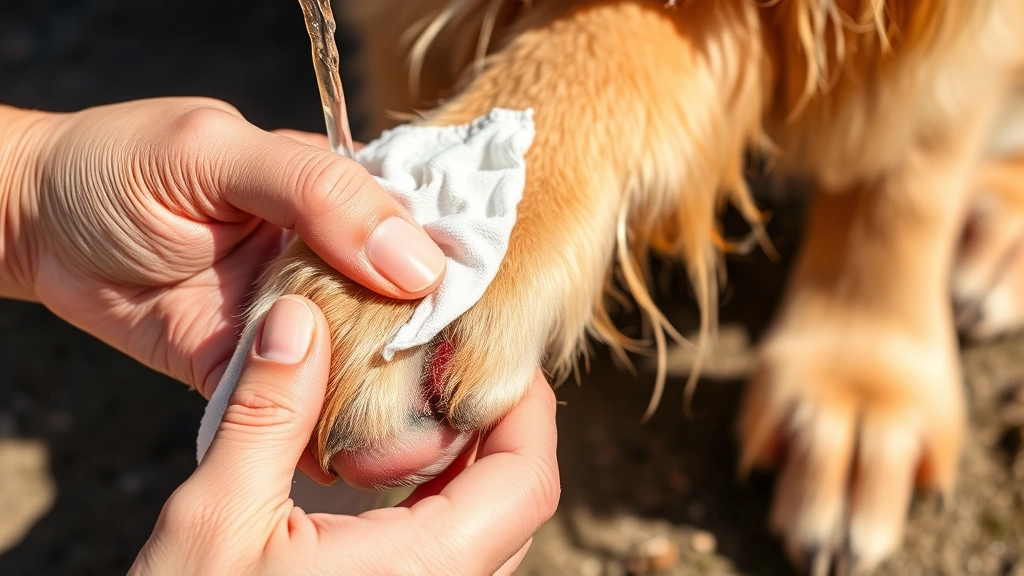
- Clean the wound first: Gently wash the affected area with lukewarm water and mild soap. Remove any dirt, debris, or dried blood using a soft cloth. Pat dry completely with a clean towel—moisture can trap bacteria beneath the ointment.
- Trim surrounding hair if needed: For wounds surrounded by long fur, carefully trim hair around the area (not directly over the wound) to improve visibility and prevent hair from contaminating the wound site.
- Apply a thin layer: Use a clean applicator or your finger to apply a thin, even layer of triple antibiotic ointment directly to the wound. A little goes a long way—excessive ointment doesn’t provide additional benefit.
- Cover if necessary: For wounds on areas your dog can easily lick, consider covering the area with a sterile gauze pad secured gently with medical tape. This prevents your dog from ingesting the ointment and keeps the wound protected.
- Reapply appropriately: Most wounds benefit from reapplication 2-3 times daily. Continue treatment for 7-10 days or until the wound shows significant improvement.
- Monitor for reactions: Watch for signs of allergic reactions, increased redness, swelling, or discharge. Discontinue use immediately if adverse reactions develop and contact your veterinarian.
Never apply triple antibiotic ointment to puncture wounds without veterinary guidance. Puncture wounds can seal over quickly, trapping bacteria deep within the tissue and potentially leading to serious infections. These wounds often require professional cleaning and possibly oral antibiotics.
If your dog shows signs why is my dog throwing up or other systemic symptoms after a wound, seek immediate veterinary care, as this could indicate infection spreading beyond the local wound site.
When NOT to Use Triple Antibiotic Ointment
Several situations contraindicate the use of over-the-counter triple antibiotic ointment, and professional veterinary care becomes essential:
- Puncture wounds: These deep wounds created by teeth, nails, or sharp objects require professional evaluation and cleaning to prevent serious infections deep within tissue layers.
- Animal bites: Bite wounds from other dogs, cats, or wildlife carry high infection risk due to bacteria in animal saliva. Your veterinarian may prescribe oral antibiotics and recommend wound management strategies.
- Wounds showing infection signs: If you notice pus, excessive redness, warmth, swelling, or foul odor, the wound requires professional treatment. Prescription antibiotics may be necessary, and your vet might need to drain the wound.
- Wounds on the eyes or near eyes: Eye wounds require specialized care. While some veterinary ophthalmologists use antibiotic ointments, these must be specifically formulated for ocular use. Red, irritated eyes need professional evaluation.
- Wounds that won’t stop bleeding: Excessive bleeding suggests deeper tissue damage requiring professional assessment and possible sutures or surgical intervention.
- Wounds larger than one-quarter inch: Larger wounds may benefit from professional cleaning, suturing, or advanced wound care techniques unavailable in home settings.
- Known neomycin sensitivity: If your dog has previously reacted to neomycin-containing products, choose alternative treatments or consult your veterinarian for safer options.
- Chronic or non-healing wounds: Wounds that don’t improve after 7-10 days of home care warrant veterinary evaluation to rule out underlying conditions or resistant infections.
Image 2 will appear here
Alternative Treatments for Dog Wounds
Several alternatives to triple antibiotic ointment exist, some of which may be more appropriate depending on your dog’s specific situation:
Veterinary-Prescribed Antibiotics: For infected wounds or situations where over-the-counter treatment is insufficient, veterinarians prescribe prescription-strength topical antibiotics like mupirocin or specialized formulations. These often penetrate more effectively than consumer products and target specific bacteria types identified through culture.
Honey-Based Wound Care: Manuka honey has gained recognition for its antibacterial properties and ability to promote healing. Some veterinarians recommend medical-grade honey preparations for minor wounds, though these work best under professional guidance.
Chlorhexidine Solution: This antimicrobial solution effectively cleanses wounds and prevents bacterial growth. Many veterinarians recommend diluted chlorhexidine (0.05%) for wound washing, particularly for contaminated wounds before applying other treatments.
Saline Rinses: Plain sterile saline solution gently cleanses wounds without irritation. This is particularly useful for removing debris and is safe even if your dog licks the area.
Hydrogel Dressings: These specialized dressings maintain moisture while protecting wounds, promoting faster healing than traditional dry dressings. Veterinarians often recommend them for wounds that are healing well but need protection.
Oral Antibiotics: When infection is present or likely, oral antibiotics like amoxicillin, cephalexin, or fluoroquinolones provide systemic coverage. These require veterinary prescription and should be given exactly as directed.
Your veterinarian can recommend the most appropriate treatment based on wound characteristics, your dog’s medical history, and infection risk factors. Don’t hesitate to ask about alternatives if you’re concerned about specific ingredients.
Image 3 will appear here
Signs Your Dog Needs Veterinary Care
Recognizing warning signs that indicate professional care is necessary can prevent complications and ensure your dog receives appropriate treatment:
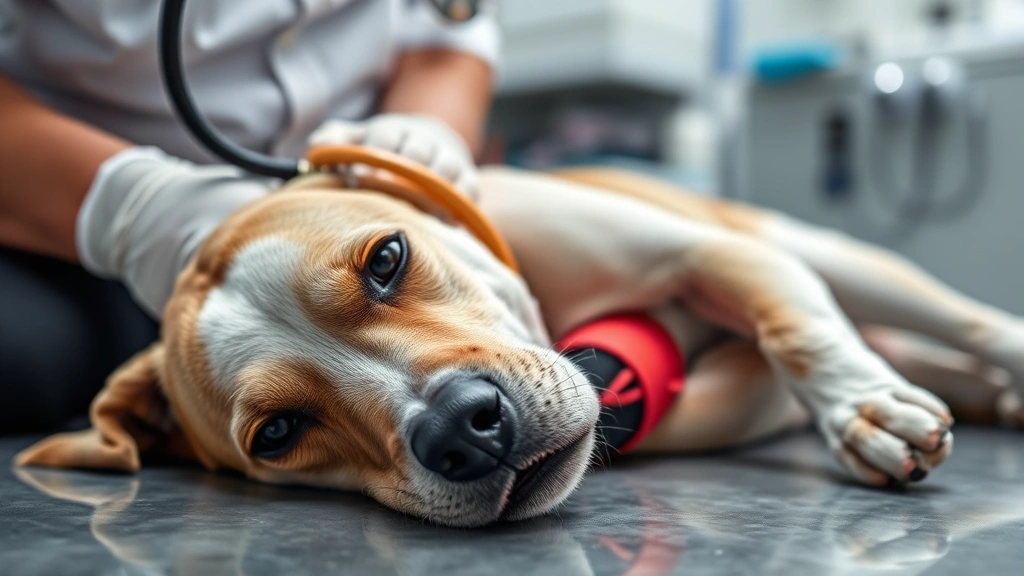
Infection Indicators: Pus (yellow, green, or bloody discharge), increasing redness, warmth to the touch, swelling that worsens after initial injury, or foul odor all suggest bacterial infection. Additionally, if your dog has a fever, the wound may have caused systemic infection requiring immediate veterinary attention.
Systemic Symptoms: If your dog develops lethargy, loss of appetite, excessive panting, or other signs of illness alongside a wound, professional evaluation is crucial. These symptoms suggest the infection has spread beyond the local wound site.
Behavioral Changes: Excessive licking or chewing at a wound, limping if the wound affects a limb, or reluctance to move normally indicates pain or infection requiring veterinary assessment.
Wound Characteristics: Wounds that are deep, gaping, have jagged edges, contain embedded foreign material, or won’t stop bleeding need professional care. Veterinarians can determine whether sutures, surgical cleaning, or other interventions are necessary.
Non-Healing Wounds: If a wound doesn’t show improvement after one week of home care, or if it worsens despite treatment, veterinary evaluation is warranted. Underlying conditions like poor circulation, immune system issues, or diabetes can impair healing.
Location Concerns: Wounds on joints, paws, or other high-movement areas may require professional assessment since movement can prevent healing. Eye area wounds and facial wounds near sensitive structures always warrant professional evaluation.
When in doubt, contact your veterinarian. They can often assess wounds quickly via phone or video call to determine whether in-person examination is necessary, saving you unnecessary trips while ensuring your dog gets appropriate care.
FAQ
Is it safe to use Neosporin on dogs?
Neosporin (triple antibiotic ointment) is generally safe for minor dog wounds when applied topically in small amounts. However, some dogs may develop allergic reactions to neomycin, one of the three active ingredients. Additionally, if your dog ingests large quantities, it could cause gastrointestinal upset. For wounds where your dog can easily lick the area, consult your veterinarian about safer alternatives or protective coverings. Always monitor for signs of allergic reaction including redness, swelling, or excessive itching.
Can I put antibiotic ointment on my dog’s paw pad?
Paw pad wounds present unique challenges because dogs constantly lick their paws. While you can apply triple antibiotic ointment to minor paw pad scrapes, protecting the area from licking is essential. Consider using a protective boot or cone collar to prevent ingestion. Paw pad wounds are prone to infection due to moisture and constant exposure to bacteria from the environment. If the wound is deep, bleeding significantly, or shows infection signs, veterinary care is necessary.
What if my dog licks the antibiotic ointment?
Small amounts of triple antibiotic ointment are generally not toxic if ingested, but larger quantities could cause gastrointestinal upset including vomiting or diarrhea. To prevent licking, apply ointment when you can supervise, use protective dressings or bandages, or consider a cone collar during healing. If your dog ingests a significant amount and shows signs of illness, contact your veterinarian or ASPCA Animal Poison Control for guidance.
How long should I use triple antibiotic ointment on my dog?
For minor wounds, apply triple antibiotic ointment for 7-10 days or until the wound shows significant improvement and begins closing. Most minor abrasions heal within this timeframe with proper care. If the wound hasn’t improved after one week or appears to be worsening, discontinue home treatment and seek veterinary evaluation. Some wounds benefit from continued protection even after applying ointment, using clean bandages or protective dressings.
When should I see a vet instead of treating at home?
Seek veterinary care immediately for puncture wounds, animal bites, deep cuts, wounds with excessive bleeding, signs of infection, wounds larger than one-quarter inch, or any wound your dog can’t stop licking. Additionally, if your dog develops systemic symptoms like fever, lethargy, or loss of appetite, professional evaluation is necessary. Veterinarians can assess infection risk, recommend appropriate treatment, and prescribe medications if needed. Don’t delay professional care hoping home treatment will suffice—early intervention prevents serious complications.
Are there prescription antibiotic ointments better than over-the-counter options?
Prescription antibiotic ointments like mupirocin often penetrate tissue more effectively and may target specific bacteria types identified through wound culture. For infected wounds or high-risk situations, veterinarians may recommend prescription options over over-the-counter triple antibiotic ointment. Additionally, prescription formulations are specifically designed for veterinary use and may include ingredients that reduce irritation or promote healing more effectively. Your veterinarian can recommend the best option based on your dog’s specific situation and wound characteristics.





