
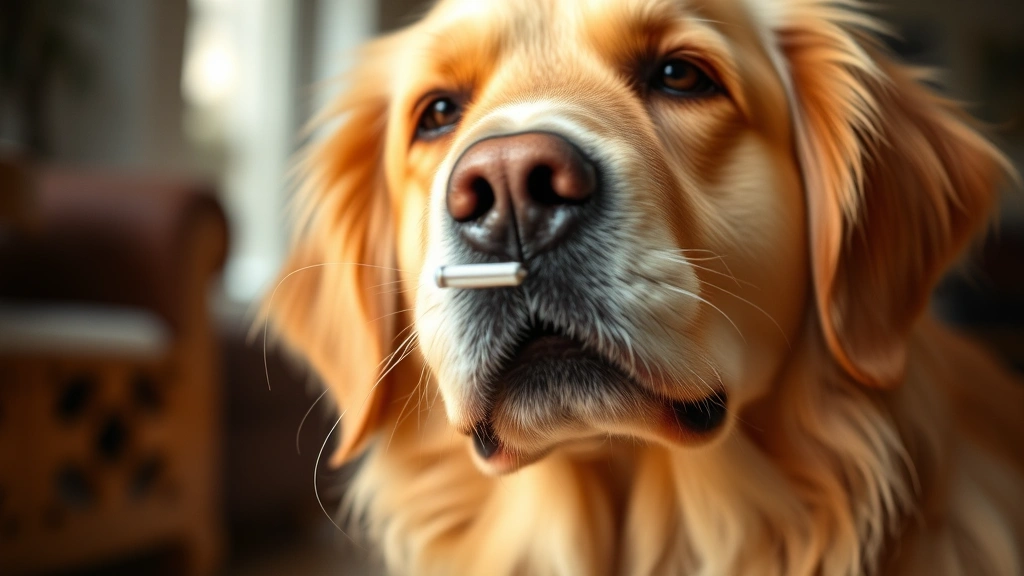
Can Dogs Catch Colds from Humans? Vet Insights
When you’re sniffling and sneezing with a cold, your beloved canine companion is probably right there by your side, offering comfort and cuddles. But a natural concern arises: can your dog catch your cold? The short answer is no—dogs cannot catch the human common cold. However, this doesn’t mean your pup is immune to respiratory illnesses. Understanding the differences between human and canine viruses, how diseases spread between species, and what respiratory issues dogs actually face will help you keep your furry friend healthy during cold season.
Many pet owners worry about transmitting illness to their dogs, especially when they’re feeling under the weather. This concern stems from the close relationship we share with our pets and our desire to protect them from harm. While the human cold virus cannot infect dogs, there are several important nuances to understand about canine health, cross-species transmission, and when you should be genuinely concerned about your dog’s respiratory health.
Why Dogs Cannot Catch Human Colds
The human common cold is caused by rhinoviruses, coronaviruses (not SARS-CoV-2), and other human-specific pathogens that have evolved specifically to infect human cells. These viruses contain genetic material and surface proteins designed to recognize and attach to human cell receptors. Dogs have completely different cellular structures and immune systems, making them incompatible hosts for these human viruses.
According to the American Association of Feed Control Officials and veterinary immunology research, viral infections operate on a lock-and-key principle. The virus is the key, and it can only open specific cell types in specific species. A human cold virus literally cannot unlock a dog’s cells because the cellular receptors are different. This is why we don’t see dogs developing runny noses and sore throats when their owners are ill.
This species-specific nature of viruses is one of nature’s protective barriers. While some diseases can jump between species—like the flu or certain coronaviruses—the common human cold is not one of them. Your dog’s immune system has evolved over thousands of years to fight off canine-specific pathogens, not human ones. This fundamental biological difference means you can safely cuddle with your dog while you’re recovering from a cold without worrying about making them sick with your specific illness.
How Viruses Work Across Species
To understand why your dog is safe from your cold, it’s helpful to learn how viral transmission works between different species. Viruses are incredibly specialized organisms that have adapted to specific hosts over evolutionary time. Each virus has developed specific mechanisms to enter, replicate within, and spread from particular host species.
The process begins with viral attachment. A virus must recognize and bind to specific receptors on the surface of host cells. Human rhinoviruses, for example, attach to intercellular adhesion molecules (ICAM-1) found on human respiratory cells. Dogs have different cellular receptors in their respiratory tract, so human cold viruses cannot establish infection.
Some viruses, however, have broader host ranges. Influenza viruses, for instance, can occasionally infect dogs, though canine flu is typically a different strain (H3N2 or H3N8) than what humans contract. The ASPCA notes that while dogs can get flu, it’s usually from contact with other infected dogs, not from humans. Coronaviruses present another interesting case—while humans caught COVID-19, dogs can catch canine coronavirus, which is a different virus entirely.
Understanding this distinction helps explain why certain precautions matter for some illnesses but not others. When you have a cold, your dog faces no risk from the virus itself. However, other aspects of illness—like reduced energy for play or temporary dietary changes—might affect your dog’s routine.
Common Respiratory Illnesses in Dogs
While dogs cannot catch your cold, they are susceptible to their own respiratory infections. Understanding these canine-specific illnesses helps you recognize when your dog might need veterinary care. The most common respiratory condition in dogs is kennel cough, also called infectious tracheobronchitis.
Kennel cough is highly contagious among dogs and is often caused by the bacterium Bordetella bronchiseptica or viruses like parainfluenza. Dogs typically contract this from other dogs in close quarters—shelters, boarding facilities, dog parks, or training classes. The characteristic symptom is a persistent, dry cough that sounds like a goose honk or seal bark. Unlike a human cold, kennel cough is not spread through the air easily but rather through direct contact with respiratory secretions.
Canine influenza is another respiratory concern. Dogs can contract two strains of canine flu virus (H3N2 and H3N8), which spread rapidly among dogs but do not affect humans. Symptoms include coughing, sneezing, nasal discharge, and lethargy. The American Animal Hospital Association recommends vaccination for dogs with high exposure risk.
Pneumonia in dogs can be caused by bacteria, viruses, or fungi and is more serious than a simple cold. Symptoms include difficulty breathing, lethargy, loss of appetite, and sometimes fever. Chronic bronchitis affects older dogs and causes persistent coughing. Allergic reactions can also cause respiratory symptoms in dogs, mimicking cold-like signs.
Each of these conditions requires different treatment approaches. Some are self-limiting and resolve with supportive care, while others require antibiotics or antiviral medications. This is why consulting your veterinarian when your dog shows respiratory symptoms is crucial—what might look like a simple cold could be something requiring specific treatment.

Signs Your Dog Has a Respiratory Infection
Knowing what symptoms to watch for helps you determine when your dog needs medical attention. Common signs of respiratory illness in dogs include a persistent cough, sneezing, nasal discharge (clear, cloudy, or bloody), difficulty breathing, wheezing, or labored breathing. Your dog might also show decreased appetite, lethargy, fever, or reluctance to exercise.
The duration and severity of symptoms matter. A brief episode of sneezing or coughing might be your dog reacting to dust or irritants. However, a cough lasting more than a few days, especially if accompanied by other symptoms, warrants a veterinary evaluation. Some respiratory conditions develop gradually, so monitoring changes in your dog’s breathing patterns is important.
Age plays a significant role in symptom severity. Puppies and senior dogs have less robust immune systems and may develop more serious complications from respiratory infections. Dogs with pre-existing health conditions, heart disease, or compromised immune systems are also at higher risk for severe illness.
You should also note environmental factors. If your dog recently attended a dog park, boarding facility, or grooming appointment, they may have been exposed to contagious respiratory pathogens. Seasonal changes, cold weather, or indoor heating can also exacerbate respiratory symptoms in dogs with existing conditions.

Prevention and Care Tips
While you cannot give your dog your cold, you can take steps to protect your dog from canine-specific respiratory illnesses. Vaccination is the most effective prevention method. The AAFCO and veterinary organizations recommend core vaccines for all dogs, including protection against certain respiratory pathogens. Your veterinarian can recommend additional non-core vaccines based on your dog’s lifestyle and exposure risk.
Maintaining good hygiene practices benefits both you and your dog. Wash your hands regularly, especially before petting your dog or handling their food and water bowls. While your cold virus won’t infect your dog, good hygiene prevents other potential transmission of bacteria or fungi. If you’re very ill, consider having another family member handle primary feeding and care duties, more for your own rest than for your dog’s protection.
Minimize your dog’s exposure to other sick dogs. Avoid dog parks, boarding facilities, and group training classes when respiratory illness is circulating in your community. If your dog must attend these venues, ensure they’re up-to-date on vaccinations. Maintain proper nutrition and hydration for your dog—a well-nourished dog with optimal immune function is better equipped to fight off infections.
Environmental management helps too. Ensure your home has adequate ventilation, avoid excessive humidity that promotes mold growth, and keep your dog away from smoke and strong chemical fumes. These environmental irritants can make your dog’s respiratory system more susceptible to infection.
If your dog does develop respiratory symptoms, supportive care is often the first line of treatment. This includes ensuring adequate hydration, maintaining nutrition, and providing rest. Humidifiers can help ease congestion, though you should consult your vet before using any medications, even over-the-counter ones. Some human cold medications are toxic to dogs, so never give your dog medication without veterinary guidance.
When your dog has respiratory symptoms, monitor their eating and drinking habits. If they’re refusing food or water for more than a day, contact your veterinarian. Loss of appetite can lead to dehydration and complications, especially in puppies and senior dogs.
When to Contact Your Veterinarian
Certain symptoms warrant immediate veterinary attention. If your dog is having difficulty breathing, shows rapid or labored breathing at rest, has pale or blue-tinged gums, or is coughing up blood, seek emergency care immediately. These signs indicate a serious respiratory emergency.
You should also contact your veterinarian if your dog’s cough persists for more than a week, if symptoms are worsening rather than improving, or if your dog develops fever (normal canine body temperature is 101-102.5°F). A cough accompanied by vomiting, especially if your dog is throwing up frequently, needs professional evaluation. Some dogs shake excessively when ill, which can indicate systemic illness.
If your dog is a puppy, senior, or has pre-existing health conditions, err on the side of caution and contact your vet sooner rather than later. These dogs are more vulnerable to complications. Similarly, if your dog is immunocompromised or on medications that affect immune function, professional evaluation is important even for mild symptoms.
During your veterinary visit, your vet will perform a physical examination, listen to your dog’s lungs, and may recommend diagnostic tests like chest X-rays or bloodwork to determine the cause of respiratory symptoms. This information guides appropriate treatment, whether that’s antibiotics for bacterial infection, supportive care for viral illness, or medication for chronic conditions.
Don’t hesitate to ask your veterinarian about prevention strategies specific to your dog’s risk factors. They can provide personalized recommendations for vaccination, lifestyle modifications, and early warning signs to watch for.
FAQ
Can my dog catch my cold symptoms?
No, your dog cannot catch the human cold virus. The viruses that cause human colds are species-specific and cannot infect dogs. However, your dog could develop their own respiratory illness from exposure to other dogs or environmental factors.
Is it safe to cuddle my dog when I have a cold?
Yes, it’s completely safe to cuddle your dog when you have a cold. You cannot transmit the human cold virus to your dog. However, if you’re very ill and fatigued, you might want to limit physical contact simply for your own recovery. Wash your hands frequently and avoid coughing directly on your dog out of general hygiene principles.
What respiratory illnesses can dogs actually catch?
Dogs can catch kennel cough (caused by Bordetella bronchiseptica or parainfluenza virus), canine influenza (H3N2 or H3N8), canine coronavirus, and various bacterial infections. They can also develop pneumonia from multiple causes and may experience chronic bronchitis, particularly as they age.
How is kennel cough spread between dogs?
Kennel cough spreads through respiratory secretions, direct contact with infected dogs, and contaminated surfaces. It’s highly contagious in environments where dogs are in close contact, such as boarding facilities, shelters, and dog parks.
Should I get my dog vaccinated against respiratory illnesses?
Core vaccines protect against some respiratory pathogens. Non-core vaccines, including those for Bordetella and canine influenza, may be recommended based on your dog’s lifestyle and exposure risk. Discuss vaccination options with your veterinarian to determine what’s appropriate for your dog.
What should I do if my dog develops a cough?
Monitor your dog’s cough for duration and severity. A brief cough might be harmless, but a persistent cough lasting more than a few days warrants veterinary evaluation. If your dog shows additional symptoms like lethargy, fever, or difficulty breathing, contact your vet promptly.
Can I give my dog over-the-counter cold medicine?
Never give your dog over-the-counter cold medicine without veterinary guidance. Many human cold medications are toxic to dogs or inappropriate for canine physiology. Always consult your veterinarian before administering any medication to your dog.
How long does it take for a dog to recover from a respiratory infection?
Recovery time varies depending on the cause and severity of infection. Viral infections may resolve in 1-2 weeks with supportive care, while bacterial infections requiring antibiotics might take longer. Chronic conditions may require ongoing management. Your veterinarian can provide specific timelines based on your dog’s diagnosis.





