

Can Dogs Eat Celery? Vet Insights Here
Yes, dogs can eat celery, and it’s actually a healthy treat option when prepared correctly. Celery is low in calories, contains beneficial vitamins and minerals, and can even help freshen your dog’s breath. However, like any human food, there are important guidelines to follow to ensure your furry friend stays safe and healthy. Understanding how to serve celery properly and recognizing potential risks will help you make informed decisions about your dog’s diet.
Many pet owners wonder about incorporating fresh vegetables into their dog’s meals, and celery is one of the safer options available. This crunchy vegetable offers nutritional benefits while being gentle on most dogs’ digestive systems. In this comprehensive guide, we’ll explore everything you need to know about feeding celery to your canine companion, including preparation methods, nutritional value, and when to be cautious.
Nutritional Benefits of Celery for Dogs
Celery is packed with essential nutrients that can contribute to your dog’s overall health. This vegetable contains vitamins A, C, and K, which support immune function, bone health, and vision. Additionally, celery provides potassium, an important mineral for heart and muscle function in dogs. The high water content—approximately 95%—makes celery an excellent low-calorie treat that can help keep your dog hydrated, especially during warmer months.
One of the most notable benefits of celery is its natural ability to freshen breath. The crunchy texture and compounds within the vegetable can help reduce bacteria in the mouth, making it a natural breath freshener for your pup. This is particularly useful if your dog has mild breath odor issues. Furthermore, the fiber content in celery supports digestive health, though moderation is key to avoid digestive disturbances.
The nutritional profile of celery makes it an excellent supplement to a balanced diet. Unlike many treats laden with artificial ingredients and excessive calories, celery offers genuine nutritional value. Studies have shown that adding whole foods like vegetables to a dog’s diet can improve coat quality and energy levels. However, celery should never replace commercial dog food formulated to meet your pet’s complete nutritional needs.
Rich in antioxidants, celery contains compounds that may help reduce inflammation in your dog’s body. This can be particularly beneficial for aging dogs or those with joint issues. The vitamin K content supports proper blood clotting and bone metabolism, ensuring your dog’s skeletal system remains strong throughout their life.
How to Safely Prepare Celery for Dogs
Proper preparation is crucial when serving celery to your dog. Always wash celery thoroughly under running water to remove any pesticides, dirt, or contaminants. Organic celery is preferable if available, as it reduces exposure to harmful chemicals. After washing, trim away the leaves and any fibrous strings that could pose a choking hazard or cause intestinal blockages.
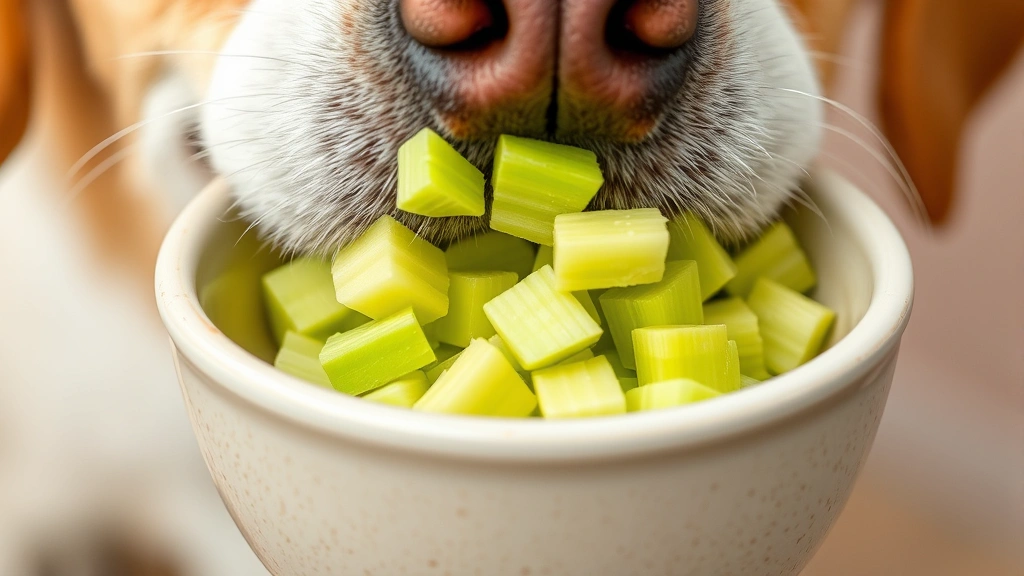
Cut celery into appropriate-sized pieces based on your dog’s size. Small dogs should receive celery cut into quarter-inch pieces or smaller, while larger breeds can handle half-inch pieces. Never serve celery whole or in large chunks, as this significantly increases choking risk. The fibrous nature of celery means it doesn’t break down as easily as softer vegetables, making proper sizing essential for safety.
You can serve celery raw or lightly steamed. Raw celery provides more nutritional benefits and the satisfying crunch that many dogs enjoy. Steaming can make celery slightly softer and easier to digest for dogs with sensitive stomachs, though it may reduce some heat-sensitive nutrients. Avoid adding salt, seasoning, or cooking oils, as these can be harmful to dogs. Plain celery is always the safest option.
Some pet owners freeze celery pieces to create a refreshing treat during summer. Frozen celery can soothe sore gums and provide mental enrichment as your dog works to consume it. Just ensure pieces aren’t so large that they pose a choking risk. You can also blend celery into homemade dog treat recipes, though always check that other ingredients are dog-safe.
Potential Risks and Precautions
While celery is generally safe for dogs, certain precautions must be observed. The primary concern is the choking hazard posed by the vegetable’s fibrous strings. Dogs with a tendency to gulp food without chewing thoroughly are at higher risk. Additionally, dogs with dental issues or missing teeth may struggle with raw celery and benefit more from steamed or finely chopped pieces.
Celery contains small amounts of psoralens and oxalates, compounds that can be problematic in large quantities. However, the amount present in celery is minimal and unlikely to cause issues with normal serving sizes. Dogs with kidney disease or those prone to kidney stones should consult their veterinarian before adding celery to their diet, as oxalates can complicate these conditions.
Some dogs may experience gastrointestinal upset when introduced to new vegetables. Symptoms can include mild diarrhea, vomiting, or excessive gas. Start with small amounts and monitor your dog for adverse reactions over 24-48 hours. If your dog has a sensitive stomach or history of digestive issues, introduce celery gradually and in minimal quantities.
Dogs with pancreatitis or those requiring low-fat diets can safely consume celery, as it’s virtually fat-free. However, those with certain health conditions should always receive veterinary approval before dietary changes. If your dog is on medications or has underlying health concerns, consult your vet before introducing celery or any new food.

Proper Serving Guidelines
The general rule for treating is that treats should comprise no more than 10% of your dog’s daily caloric intake. For most dogs, this means celery should be given as an occasional treat rather than a daily staple. A small dog might receive one or two small celery pieces, while a large breed could handle several pieces per serving. Frequency should be limited to 2-3 times per week maximum.
Consider your dog’s total caloric intake when offering celery. While low in calories, any treat adds to the daily total. If your dog is overweight or on a weight management diet, celery is an excellent choice due to its negligible caloric content. However, ensure that adding celery doesn’t inadvertently increase total food consumption beyond recommended levels.
Always introduce new foods gradually. Begin with a tiny piece and wait 24-48 hours to observe for any adverse reactions before offering more. This cautious approach helps identify potential sensitivities or allergies. Some dogs may develop an allergy to celery, though this is rare. Signs of allergic reaction include itching, swelling, or gastrointestinal distress.
Puppies, senior dogs, and those with compromised immune systems should receive smaller portions or avoid celery altogether until they’re older or health improves. Pregnant or nursing dogs can safely consume celery, as it provides additional nutrients during these demanding life stages. However, maintain appropriate portion sizes to avoid filling them with low-calorie foods that displace more nutrient-dense meals.
Digestive Impact and Fiber Content
Celery’s fiber content can significantly impact your dog’s digestive system. While fiber is essential for healthy digestion, excessive amounts can cause problems. The recommended fiber intake for dogs is approximately 2-4% of their daily food intake. Celery contains about 0.6 grams of fiber per stick, which is minimal compared to daily requirements, making it safe in appropriate portions.
The fiber in celery can help dogs with mild digestive sluggishness. If your dog experiences occasional constipation, small amounts of celery may provide gentle relief. The high water content combined with fiber creates a gentle bulking effect that promotes regular bowel movements. However, dogs with diarrhea or loose stools should avoid celery, as it may worsen symptoms.
Some dogs may produce more gas after consuming celery, a normal response to increased fiber intake. If your dog shows signs of excessive bloating or stomach noises, reduce celery portions or discontinue it temporarily. Monitor your dog’s bathroom habits for several days after introducing celery to ensure it agrees with their system.
The water content in celery can also aid hydration, particularly beneficial for dogs that don’t drink enough water. This is especially important during hot weather or for dogs prone to urinary issues. The combination of hydration and fiber makes celery a beneficial occasional addition to a healthy dog’s diet when served properly.
Healthy Vegetable Alternatives
If your dog doesn’t enjoy celery or you’re looking for variety, several dog-safe vegetables offer similar nutritional benefits. Broccoli provides vitamins, minerals, and fiber, though it should be given in moderation due to compounds that can irritate the stomach in large quantities. Carrots are excellent for dental health and provide beta-carotene, supporting eye health and immune function.
Sweet potatoes offer more calories and nutrients than celery, making them ideal for active dogs needing additional energy. Green beans provide fiber and nutrients with minimal caloric content, similar to celery. Pumpkin is particularly beneficial for digestive health, helping with both constipation and diarrhea.
Zucchini is another excellent low-calorie option that most dogs tolerate well. Spinach contains iron and antioxidants but should be given sparingly due to oxalate content. Cucumbers are refreshing, hydrating, and safe for dogs, making them perfect summer treats. Always introduce new vegetables gradually and in small portions to ensure your dog tolerates them well.
When selecting vegetable treats, remember that variety is beneficial. Rotating between different vegetables ensures your dog receives diverse nutrients and prevents boredom. Always verify that any new food is safe for dogs before offering it, as some vegetables commonly eaten by humans are toxic to canines.
FAQ
Is celery safe for all dog breeds?
Yes, celery is safe for all dog breeds when properly prepared and served in appropriate portions. However, toy breeds and puppies require smaller, finely chopped pieces to prevent choking. Brachycephalic breeds (flat-faced dogs like Bulldogs) may have difficulty with raw celery and benefit from steamed or pureed versions. Always consult your veterinarian if your dog has specific health conditions.
Can puppies eat celery?
Puppies can eat celery once they’re eating solid food, typically around 4-6 weeks old. However, pieces should be extremely small to prevent choking. Puppies’ digestive systems are still developing, so introduce celery very gradually and in minimal amounts. Ensure celery doesn’t replace essential puppy nutrition from commercial puppy food formulated for their developmental needs.
How much celery can I give my dog daily?
Most dogs should receive no more than 2-3 small celery pieces per serving, 2-3 times weekly. This ensures celery remains a treat comprising less than 10% of daily caloric intake. Individual dogs vary, so adjust portions based on your dog’s size, weight, and overall health. Consult your veterinarian for personalized recommendations.
What should I do if my dog eats a large piece of celery?
If your dog swallows a large celery piece, monitor them closely for signs of choking or intestinal blockage, including difficulty breathing, drooling, vomiting, or abdominal pain. Most large pieces will pass through the digestive system without issue. Contact your veterinarian immediately if you observe concerning symptoms.
Can dogs eat celery leaves?
Celery leaves are technically safe for dogs and contain concentrated nutrients. However, they’re tougher and more fibrous than stalks, posing a greater choking hazard. Remove leaves before serving celery to your dog to minimize risk. If you want to offer leaves, chop them finely and mix into food rather than serving whole.
Are there any dogs that shouldn’t eat celery?
Dogs with kidney disease, kidney stones, or pancreatitis should consult their veterinarian before consuming celery. Those with severe gastrointestinal sensitivity or blockage history may need to avoid celery. Senior dogs with dental problems or difficulty swallowing should receive steamed, pureed, or finely chopped celery, if any at all.
Does celery help with dog breath?
Yes, celery can help freshen your dog’s breath naturally. The crunchy texture mechanically cleans teeth and gums, while compounds in celery reduce odor-causing bacteria. However, persistent bad breath may indicate underlying health issues requiring veterinary attention. Don’t rely solely on celery; maintain regular dental care and professional cleanings.





