

Can Vestibular Disease Kill a Dog? Veterinary Insights & What Pet Parents Need to Know
Vestibular disease strikes fear into the hearts of dog owners who witness their beloved pets suddenly losing balance, experiencing severe dizziness, and exhibiting distressing symptoms. The question that haunts many caregivers is straightforward yet deeply concerning: can vestibular disease kill a dog? The short answer is that while vestibular disease itself is rarely directly fatal, the complications arising from it and the underlying causes can pose serious risks to your dog’s health and survival.
Understanding vestibular disease requires recognizing that this neurological condition affects the vestibular system—the intricate network of structures in your dog’s inner ear and brain responsible for balance, spatial orientation, and coordination. When this system malfunctions, dogs experience profound disorientation that can be terrifying for both pet and owner. Many dogs recover well with proper veterinary care, but some cases present life-threatening scenarios that demand immediate professional intervention.
What Is Canine Vestibular Disease?
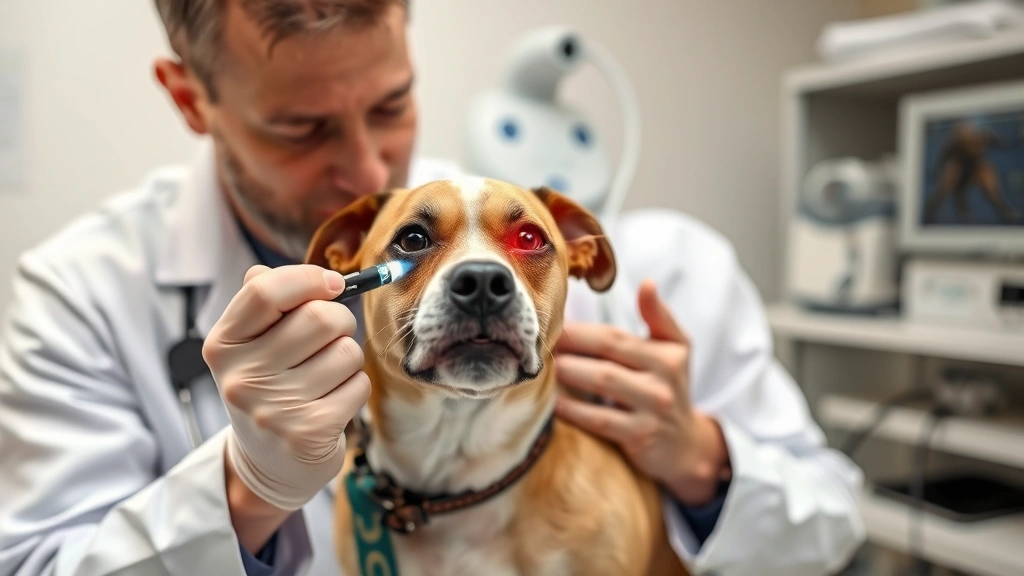
Vestibular disease in dogs manifests as a sudden onset of neurological symptoms affecting balance and coordination. The condition can be classified into two primary categories: peripheral vestibular disease, which involves the inner ear structures, and central vestibular disease, which affects the brain itself. Understanding which type your dog has is crucial for determining prognosis and treatment options.
Dogs experiencing vestibular disease typically display dramatic symptoms including severe head tilting, circling movements, rapid involuntary eye movements called nystagmus, loss of balance, and profound disorientation. Some dogs become so disoriented they cannot stand or walk without falling. The onset is usually sudden—often occurring within hours—which makes it particularly frightening for owners who watch their previously healthy pets become temporarily disabled.
The condition can result from various causes. According to the American Kennel Club, idiopathic vestibular disease (meaning no identifiable cause) is most common in older dogs, while younger dogs with vestibular symptoms often have underlying infections, tumors, or trauma. Other potential causes include ear infections, certain medications, thyroid disease, and neurological disorders.
Direct Mortality Risk Factors
While vestibular disease itself rarely causes death directly, specific circumstances can transform it into a life-threatening emergency. The critical distinction lies in understanding that the disease process—the inflammation or dysfunction of the vestibular system—doesn’t typically kill dogs. Instead, the complications and underlying causes are what threaten survival.
One significant danger involves aspiration pneumonia. Dogs experiencing severe vestibular symptoms often struggle to eat and drink properly. Their compromised balance and coordination can cause them to inhale food, water, or saliva into their lungs rather than their esophagus. The ASPCA emphasizes that aspiration pneumonia is a serious complication requiring immediate veterinary attention, as it can rapidly progress to respiratory failure without treatment.
Dehydration and malnutrition present another critical concern. Dogs unable to maintain balance struggle to reach food and water bowls. Extended periods without adequate hydration can lead to organ failure, electrolyte imbalances, and shock—all potentially fatal conditions. This is particularly dangerous in senior dogs or those with pre-existing health conditions compromising their resilience.
Additionally, some dogs develop such severe disorientation they injure themselves. Falls from furniture, running into walls, or tumbling down stairs can cause traumatic injuries including head trauma, broken bones, and internal bleeding. While the vestibular disease itself isn’t the killer, the injuries it enables can be fatal without emergency intervention.
Underlying Conditions That Increase Danger
The true mortality risk from vestibular disease often stems from what caused it in the first place. Central vestibular disease—affecting the brain rather than just the inner ear—frequently indicates serious underlying pathology. Brain tumors, strokes, and severe infections are significantly more life-threatening than peripheral causes.
Bacterial or fungal infections of the inner ear or brain can spread systemically, causing sepsis and organ failure. Senior dogs are particularly vulnerable to these complications. Vestibular symptoms from brain tumors carry a poor long-term prognosis, as the tumor itself presents the primary threat to survival. Strokes and hemorrhages in the brain can be immediately fatal or cause permanent neurological damage.
Dogs with metabolic diseases like diabetes or kidney disease face higher mortality risks when vestibular symptoms develop. Their compromised immune systems and reduced physiological reserves make complications more likely and recovery more difficult. Medication toxicity—certain antibiotics and chemotherapy drugs can damage the vestibular system—may indicate the underlying disease or treatment is more dangerous than the vestibular symptoms themselves.
This is why comprehensive veterinary diagnostics are essential. Your veterinarian may recommend bloodwork, urinalysis, imaging studies like MRI or CT scans, and other tests to identify any underlying conditions requiring specific treatment. A dog with idiopathic vestibular disease (no identifiable cause) generally has a much better prognosis than one with central vestibular disease from a brain tumor or infection.
Recovery Rates and Prognosis
The good news is that many dogs recover remarkably well from vestibular disease. Studies indicate that approximately 50-80% of dogs with idiopathic vestibular disease recover significantly or completely, often within weeks to a few months. This substantial recovery rate provides hope to frightened owners watching their disoriented pets.
Recovery patterns vary considerably. Some dogs show dramatic improvement within days, while others require weeks of gradual rehabilitation. Senior dogs, despite being more prone to developing idiopathic vestibular disease, often recover as well as younger dogs—age alone doesn’t necessarily worsen prognosis. However, dogs with identified underlying causes like infections or tumors have prognosis determined primarily by those conditions rather than the vestibular component.
Residual symptoms are common even in successfully recovering dogs. Many maintain a permanent head tilt or mild balance issues, but these don’t significantly impact quality of life. Dogs adapt remarkably well to persistent mild symptoms and continue enjoying normal activities.
The key to positive outcomes involves immediate veterinary care, proper supportive management, and patience during recovery. Dogs hospitalized early with IV fluids, anti-nausea medication, and assisted feeding have better outcomes than those left to manage symptoms at home without professional support. Your veterinarian’s guidance on when and how to reintroduce food, water, and activity is crucial for preventing complications.
When to Seek Emergency Care
Recognizing when vestibular symptoms constitute an emergency is critical for your dog’s survival. Sudden onset of severe balance loss, inability to stand, or rapid progression of symptoms warrants immediate emergency veterinary evaluation. Don’t wait or assume your dog will improve overnight—early intervention significantly improves outcomes and prevents life-threatening complications.
Seek emergency care immediately if your dog exhibits:
- Complete inability to stand or walk without assistance
- Severe vomiting preventing any food or water intake
- Signs of respiratory distress or difficulty breathing (possible aspiration pneumonia)
- Seizures or loss of consciousness
- Evidence of head trauma or injury from falls
- Fever or other signs of infection
- Inability to blink or close one eye (suggesting nerve involvement)
- Bleeding from ears or nose
Even if your dog shows less severe symptoms, don’t delay professional evaluation. A veterinary examination can identify underlying causes, assess severity, and establish appropriate treatment plans. What appears to be simple vestibular disease might indicate something more serious requiring specific treatment.
Supporting Your Dog Through Recovery
Once your veterinarian has diagnosed vestibular disease and ruled out life-threatening underlying conditions, your role becomes essential for successful recovery. Proper supportive care at home significantly impacts your dog’s comfort and recovery timeline.
Create a safe recovery environment by removing hazards that could cause injury. Use baby gates or closed doors to restrict your dog to one safe room with non-slip flooring. Provide easy access to food and water bowls, positioning them at a level your dog can reach without excessive movement. Some dogs benefit from elevated food stations that require less bending.
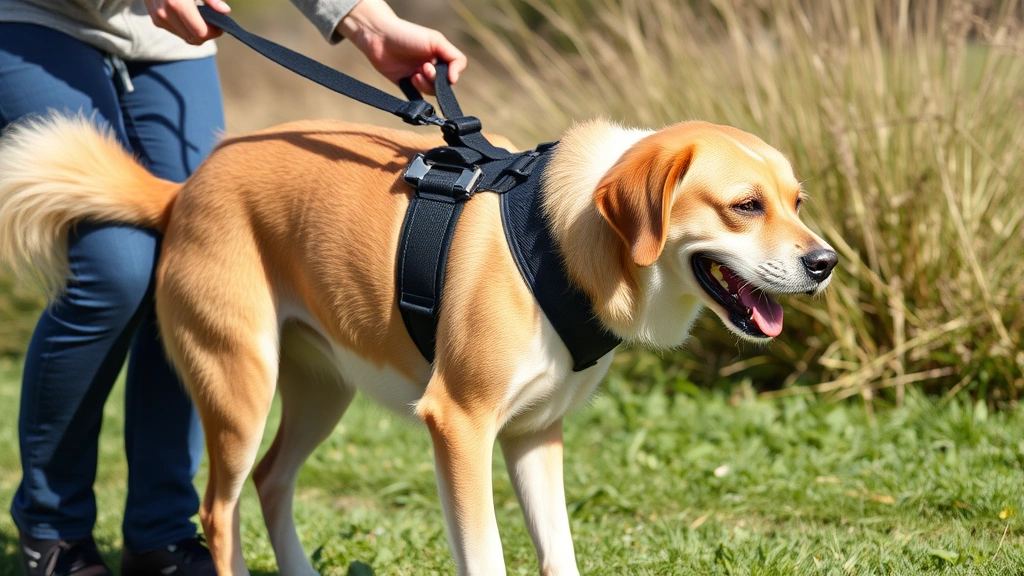
Assist with bathroom breaks and outdoor time. Many dogs need physical support to walk safely, especially during the first week of illness. Use a sling or harness under their body to prevent falls. Take short, supervised trips outside rather than expecting independent bathroom breaks.
Medication administration is critical—give all prescribed medications exactly as directed. Anti-nausea medications help prevent vomiting and allow your dog to eat and drink. Some veterinarians prescribe steroids to reduce inflammation, while others may recommend vestibular rehabilitation exercises as your dog improves. Never skip doses or stop medications early without veterinary approval.
Nutrition becomes particularly important during recovery. If your dog struggles to eat normally, ask your veterinarian about nutritional support options. Some dogs benefit from hand-feeding, softer food consistency, or temporary feeding tubes in severe cases. Maintaining adequate nutrition and hydration prevents complications and supports healing.
Monitor your dog carefully for any changes. Note symptom progression, appetite changes, or new symptoms to report at follow-up veterinary visits. Most dogs show improvement within the first week, but recovery can continue for months. Patience and consistent care during this period directly influence outcomes.
Regarding your dog’s overall health during recovery, maintaining proper digestive function becomes important. If your recovering dog experiences digestive upset, consult your veterinarian about dietary adjustments. You might find resources like our guide on what to give a dog for constipation helpful if your dog develops this complication. Similarly, understanding how to stop dog diarrhea and knowing how many times a day dogs should poop helps you identify potential complications early.
Your dog’s diet quality matters significantly during recovery. If you’re considering dietary changes, research quality options—our article on whether Pure Balance is a good dog food can guide those decisions. Some dogs benefit from digestive support during recovery, and understanding what dogs can eat for natural digestive support like prunes provides additional options to discuss with your veterinarian.
Knowing how long dogs can hold their poop helps you plan appropriate bathroom breaks for your recovering dog, ensuring they have frequent opportunities to relieve themselves without accidents or stress.
FAQ
Is vestibular disease fatal in dogs?
Vestibular disease itself is rarely directly fatal, but complications from it or underlying causes can be life-threatening. With proper veterinary care, most dogs recover well. The mortality risk depends primarily on the underlying cause rather than the vestibular symptoms themselves.
How long does vestibular disease last in dogs?
Most dogs show significant improvement within 1-3 weeks, though some symptoms may persist for months. Complete recovery varies widely—some dogs recover fully within weeks while others require months. Permanent mild symptoms like head tilt are common but don’t impact quality of life.
What percentage of dogs survive vestibular disease?
Approximately 50-80% of dogs with idiopathic vestibular disease recover significantly or completely. Survival rates depend heavily on the underlying cause—dogs with infections may have different outcomes than those with tumors or idiopathic disease.
Can vestibular disease cause death through complications?
Yes, complications like aspiration pneumonia, severe dehydration, organ failure from inadequate nutrition, or traumatic injuries from falls can be fatal. This is why immediate veterinary care and proper supportive management are essential.
Is old dog vestibular disease different from younger dogs?
Idiopathic vestibular disease is common in senior dogs and carries similar recovery prospects as in younger dogs. However, younger dogs with vestibular symptoms more often have identifiable underlying causes like infections or tumors, which may carry different prognoses.
What should I do if my dog shows vestibular disease symptoms?
Seek immediate veterinary evaluation. Don’t wait or assume your dog will improve on their own. Early professional intervention prevents complications and improves recovery outcomes significantly.
Can vestibular disease be cured?
Idiopathic vestibular disease often resolves on its own with supportive care. Vestibular disease caused by infections may be cured by treating the underlying infection. Disease from tumors or permanent neurological damage may not be curable, but symptoms can often be managed.





