
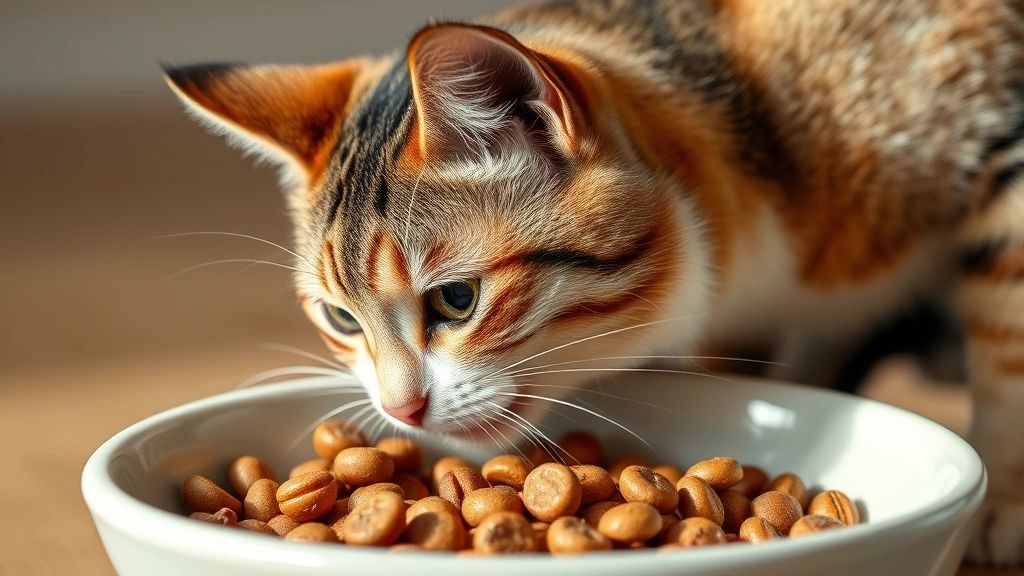
An adult cat feeding guide is your secret weapon for keeping your feline friend healthy, energetic, and thriving through their golden years. If you’ve ever wondered whether your cat is eating the right amount, at the right times, or getting the right nutrients, you’re not alone—and honestly, it’s way more complicated than most people think. Let’s break down everything you need to know about feeding your adult cat like a pro.
Table of Contents
- Understanding Your Adult Cat’s Nutritional Needs
- How Much Should You Feed Your Adult Cat Daily?
- Wet Food vs. Dry Food: The Great Debate
- Portion Control and Preventing Feline Obesity
- Feeding Schedules: Timing Matters
- Choosing Quality Cat Food for Optimal Nutrition
- Special Dietary Considerations for Adult Cats
- Hydration: The Often-Overlooked Piece
- Treats, Snacks, and the 10% Rule
- Transitioning to New Foods Safely
- Red Flags: When to Call the Vet
- Frequently Asked Questions
- Summary: The Adult Cat Feeding Guide Essentials
Understanding Your Adult Cat’s Nutritional Needs
Adult cats (typically ages 1-7 years) have very different nutritional requirements than kittens or seniors. Unlike their adorable kitten counterparts who need constant fuel for growth, adult cats need a more balanced approach to maintain their lean, mean hunting machines. Cats are obligate carnivores, which means they need meat-based proteins to survive—not the plant-based stuff. Their bodies require specific amino acids like taurine, which they can’t produce on their own.
The foundation of any solid cat feeding strategy includes high-quality protein (at least 26% for adults), moderate fat content (around 9%), and minimal carbohydrates. Think of it like this: your cat’s ancestors didn’t hunt down grain fields—they hunted mice and birds. Your modern tabby still has those same dietary instincts, even if they spend most of their time napping on the couch.
How Much Should You Feed Your Adult Cat Daily?
Here’s where things get tricky because there’s no one-size-fits-all answer. Most adult cats need between 200-300 calories per day, but this varies wildly depending on activity level, metabolism, and body composition. A lazy indoor cat might need 150 calories, while an active outdoor explorer could need 400+. The easiest rule of thumb? Feed about 20 calories per pound of body weight for an average indoor cat.

If your cat weighs 10 pounds, that’s roughly 200 calories daily. But don’t just eyeball it—actually read the feeding guidelines on your cat food packaging. Most quality brands provide recommendations based on weight. And here’s a pro tip: your vet can help you dial in the perfect amount during annual checkups. They’re basically the nutritionists of the pet world.
Wet Food vs. Dry Food: The Great Debate
This is where cat owners get passionate (sometimes irrationally so). Both wet and dry foods have legitimate benefits, and honestly, the best diet often includes a combination of both. Wet food is closer to what cats would eat in nature—it’s moisture-rich, which helps with hydration and kidney health. Dry food is convenient, helps with dental health through the chewing action, and is easier on the wallet.
Many veterinarians recommend a mixed approach: about 75% wet food and 25% dry food, or whatever ratio keeps your cat happy and healthy. Some cats are dry food snobs, others will only eat wet food, and some are happily omnivorous (food-wise, at least). The key is finding what works for your individual cat while ensuring they’re getting complete nutrition.

Portion Control and Preventing Feline Obesity
Overweight cats are basically epidemic in the U.S., and it’s usually because we love them too much with food. A chunky cat might look adorable, but obesity leads to diabetes, joint problems, and a shorter lifespan. Nobody wants that. The solution? Portion control and actually measuring food instead of free-feeding.
If you’re using wet food, a 5.5-ounce can is typically one serving for an average adult cat. For dry food, use a measuring cup—not the “handful” method your cousin uses. Measure out the recommended daily amount and divide it into two meals. This approach helps with digestion, keeps energy levels stable, and prevents that 3 AM zoomie session from hunger. You might also consider preventative care supplements to support your cat’s overall health during their adult years.
Feeding Schedules: Timing Matters
Adult cats thrive on routine. Most vets recommend feeding twice daily—morning and evening—which mimics their natural hunting patterns better than one large meal. This schedule also helps with weight management because smaller, frequent meals keep metabolism active and prevent that ravenous midnight hunger that leads to overeating.
Pick consistent times and stick to them religiously. If you feed at 7 AM and 6 PM, your cat’s internal clock will adjust beautifully. They’ll start hanging around their food bowl around feeding time, and their digestive system will work like clockwork. Plus, this schedule makes it easier to monitor if they’re eating normally—a sudden loss of appetite is often the first sign something’s wrong health-wise.
Choosing Quality Cat Food for Optimal Nutrition
Not all cat foods are created equal, and the marketing on the bag can be seriously misleading. Look for foods where meat is the first ingredient (chicken, turkey, beef, or fish), not meat by-products or grain fillers. Check the AAFCO statement on the label—this ensures the food meets minimum nutritional standards for adult cats.
Premium brands often cost more upfront, but they’re more nutrient-dense, so your cat needs less food to get the same nutrition. Plus, better ingredients mean better digestion, healthier skin and coat, and fewer litter box surprises. Some cats also benefit from sensitive stomach supplements if they have digestive issues, which can be determined through trial and error or vet consultation.

Special Dietary Considerations for Adult Cats
Some adult cats need customized feeding strategies. Indoor cats tend to be more sedentary and need fewer calories than outdoor cats. Senior cats (7+ years) often benefit from lower calories but higher-quality proteins to maintain muscle mass. Cats with specific health conditions—kidney disease, diabetes, urinary issues—might need prescription diets formulated by veterinarians.
If your cat has a sensitive stomach or skin issues, you might want to explore options like pet multivitamins to fill nutritional gaps. Additionally, omega-9 for cats can support coat health and overall wellness. Discuss any dietary changes with your veterinarian first—they know your cat’s health history better than anyone.
Hydration: The Often-Overlooked Piece
Cats are notoriously bad at drinking water. They evolved in desert environments and get most of their hydration from prey, which is why wet food is so beneficial. If your cat is on a primarily dry food diet, you absolutely need to ensure they’re drinking enough water. Dehydration can lead to kidney problems and urinary issues.

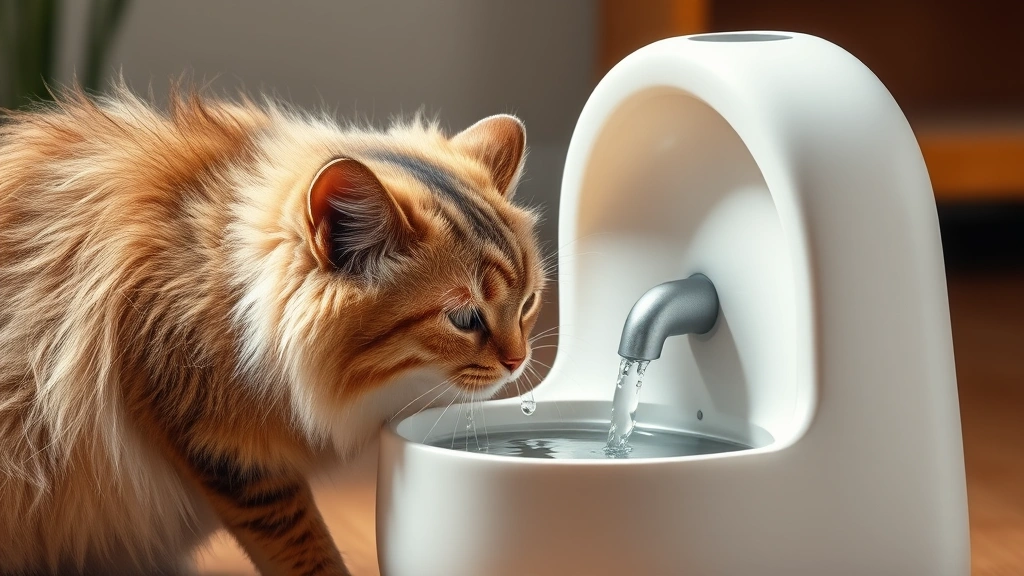
Invest in a cat water fountain—many cats prefer running water to stagnant bowls. Keep water bowls away from food bowls (cats don’t like drinking where they eat). Some people even add a little water to dry kibble to increase moisture content. Monitor your cat’s water intake, and if they seem to be drinking excessively or not at all, that’s a vet visit situation.
Treats, Snacks, and the 10% Rule
Treats should make up no more than 10% of your cat’s daily caloric intake. That means if your cat needs 200 calories daily, treats should be limited to 20 calories. This sounds restrictive, but it’s the difference between a healthy cat and one that’s overweight and nutritionally imbalanced. Many cat owners unknowingly overfeed treats while thinking the main meals are the problem.
Healthy treat options include small pieces of cooked chicken, freeze-dried meat, or commercial treats made with minimal ingredients. Skip the human food—most of it is either toxic to cats or nutritionally inappropriate. Your cat doesn’t need your leftover pizza, even if they’re giving you those irresistible puppy dog eyes.

Transitioning to New Foods Safely
If you’re switching your cat’s food, do it gradually over 7-10 days. Mix increasing amounts of the new food with the old food to prevent digestive upset. Start with 25% new food and 75% old food for a few days, then 50/50, then 75/25, and finally 100% new food. This slow transition helps their digestive system adjust and prevents diarrhea or vomiting.
Some cats are more sensitive than others, so watch for any signs of digestive distress during the transition. If your cat has a particularly sensitive stomach, you might consider pet supplement combination packs to support digestive health during the change.
Red Flags: When to Call the Vet
Monitor your cat’s eating habits closely. Sudden changes in appetite, either increased or decreased, warrant a vet visit. Other concerning signs include weight loss despite normal eating, vomiting after meals, or diarrhea lasting more than a day or two. Cats are masters at hiding illness, so changes in eating behavior are often the first clue something’s amiss.

If your cat is gaining weight despite eating the recommended amount, metabolic issues could be at play. If they’re losing weight, they might have dental problems, health issues, or not be getting enough calories. Your veterinarian can run blood work and assess whether your cat needs a different food or medical intervention.
Frequently Asked Questions
How often should I feed my adult cat?
Most adult cats do best with two meals daily—morning and evening. This mimics their natural hunting patterns and helps with weight management and digestive health. Some cats can handle once-daily feeding, but twice daily is generally recommended by veterinarians.
Is it okay to free-feed my cat?
Free-feeding (leaving food out all day) is generally not recommended for adult cats, especially indoor cats. It makes portion control impossible and significantly increases obesity risk. Scheduled feeding times are much better for weight management and health monitoring.

What’s the difference between kitten food and adult cat food?
Kitten food has higher calories and protein to support growth and development. Adult cat food is formulated for maintenance and has lower calories. Feeding kitten food to an adult cat will likely cause weight gain, while adult food won’t provide enough nutrition for growing kittens.
Can cats be vegetarian?
Technically, you can feed cats vegetarian diets, but they’re obligate carnivores and need specific amino acids like taurine that are primarily found in meat. A well-formulated vegetarian diet with taurine supplementation can work, but it requires careful planning and veterinary oversight. Most vets recommend meat-based diets for cats.
How do I know if my cat is overweight?
You should be able to feel your cat’s ribs easily without pressing hard. They should have a visible waist when viewed from above. If you can’t feel ribs or see a waist definition, your cat is likely overweight. Your vet can provide a body condition score assessment.
Should I give my cat supplements?
Most cats eating high-quality commercial food don’t need supplements, but some benefit from them. Cats with specific health issues, dietary restrictions, or those eating lower-quality food might benefit from additional support. Always consult your vet before adding supplements to your cat’s diet.
What human foods are toxic to cats?
Onions, garlic, chocolate, grapes, raisins, xylitol, and certain plants are toxic to cats. Even small amounts can cause serious health issues. When in doubt, don’t share your human food with your cat—stick to cat-appropriate treats and meals.
How much water should my adult cat drink?
Adult cats should drink approximately 1 ounce of water per pound of body weight daily. A 10-pound cat should drink about 10 ounces (1.25 cups) of water daily. This varies based on diet—cats eating wet food get more moisture from food and may drink less water.
Summary: The Adult Cat Feeding Guide Essentials
Feeding your adult cat properly isn’t rocket science, but it does require attention and consistency. Start with high-quality food, measure portions carefully, feed on a schedule, and monitor your cat’s weight and health. Remember that every cat is unique—what works perfectly for your friend’s cat might not be ideal for yours. Work with your veterinarian to develop a feeding plan tailored to your specific cat’s needs, activity level, and health status.
The investment in quality nutrition and proper feeding practices now will pay dividends in the form of a healthier, happier cat with fewer health problems down the road. Plus, a well-fed, properly portioned cat is less likely to develop obesity-related issues like diabetes and joint problems. Your cat will thank you with purrs, head bumps, and those adorable slow blinks that mean “I love you.” And really, isn’t that what it’s all about?





