
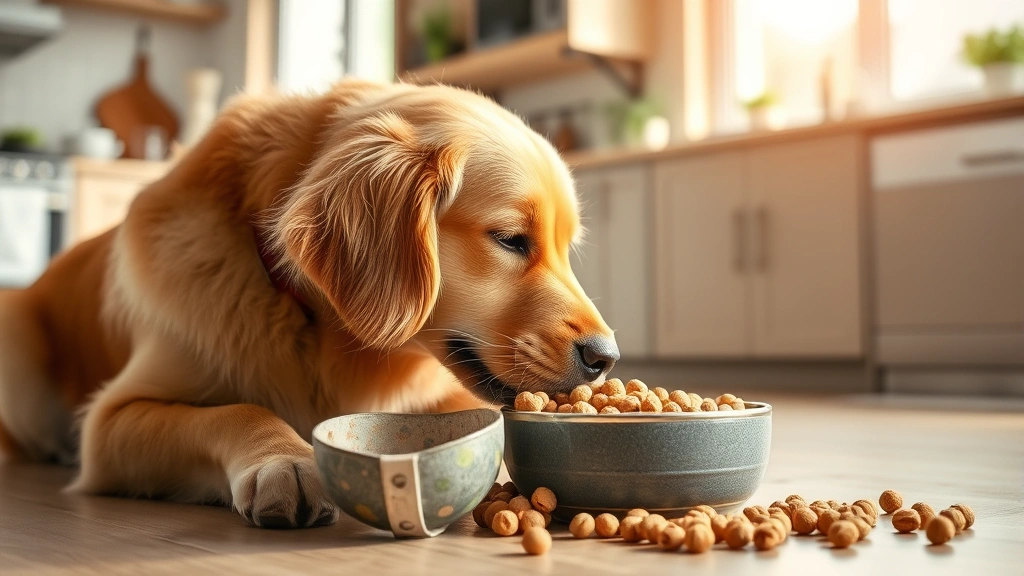
If you’re standing in the pet food aisle staring at bags of kibble wondering if there’s something better for your dog, you’re not alone. Many dog owners feel stuck between expensive raw diets and ultra-processed kibble. That’s where air dried dog food comes in. It’s basically the Goldilocks of dog nutrition—not raw, not heavily processed, but genuinely nutritious and convenient. As a vet tech who’s seen countless dogs thrive on different diets, I can tell you that air dried dog food has earned its reputation for good reason. It preserves nutrients without the mess, cost, or food safety headaches of raw feeding. Let’s break down what makes air dried dog food worth considering for your pup.
What Is Air Dried Dog Food?
Air dried dog food is made by slowly removing moisture from raw ingredients using low temperatures—typically between 90-104°F. Think of it like a food dehydrator on a gentle setting. The process takes 12-24 hours, which is slow enough to preserve heat-sensitive nutrients like enzymes and proteins that would get destroyed in traditional kibble manufacturing (which uses temperatures around 350°F).
The result? A shelf-stable product that looks and feels closer to fresh food than traditional kibble, but without the bacterial contamination risks of true raw diets. It’s nutrient-dense, meaning you need less volume per meal compared to regular kibble.
The ingredient list usually reads like real food: chicken, beef, organ meats, vegetables, sometimes fruits and supplements. No mystery meat by-products or artificial flavors needed—the food smells and tastes good to dogs naturally.
How Air Dried Food Differs From Other Options
Let’s be honest: there are a lot of dog food options out there, and they’re not all created equal.
- vs. Kibble: Traditional kibble is cooked at high heat, which kills pathogens but also damages nutrients. Air dried food preserves more nutritional integrity while staying shelf-stable. Kibble is cheaper upfront, but air dried is more nutrient-dense, so you feed less.
- vs. Raw: Raw diets (like BARF) are nutrient-rich but require careful handling to avoid bacterial contamination like E. coli and Salmonella. You’re also dealing with freezer space and thawing logistics. Air dried food gives you similar nutrition without those food safety headaches.
- vs. Canned/Wet: Canned food is cooked and shelf-stable, but it’s mostly water. You’re paying for weight that isn’t nutrition. Air dried has a much higher nutrient concentration per ounce.
- vs. Fresh/Refrigerated: Fresh dog food delivery services are excellent but expensive and require constant refrigeration. Air dried is more affordable and doesn’t need a freezer.
According to the Association of American Feed Control Officials (AAFCO), air dried products must meet the same nutritional standards as kibble, but the processing method preserves more of the original nutrient profile. That matters.
Nutritional Benefits of Air Dried Dog Food
Here’s where air dried dog food really shines. The low-temperature drying process is a game-changer for nutrient preservation.
- Enzymes stay intact: Raw enzymes help with digestion and nutrient absorption. High-heat cooking destroys them. Air drying preserves them.
- Proteins remain bioavailable: The amino acid profile doesn’t get damaged by extreme heat. Your dog’s body can actually use the protein efficiently.
- Vitamins and minerals last longer: B vitamins and heat-sensitive minerals survive the process better than in kibble.
- Fat-soluble vitamins (A, D, E, K) are preserved: These are critical for skin, coat, immune function, and bone health. Air drying keeps them stable.
- No need for synthetic vitamin packs: Because nutrients are preserved naturally, manufacturers don’t need to add as many synthetic vitamins to compensate for processing losses.
In my experience, dogs on air dried diets often show visible improvements within 4-6 weeks: shinier coats, better energy, smaller poops (because they’re absorbing more), and cleaner teeth. These aren’t placebo effects—they’re real physiological changes.
If you’re curious about other nutrient-dense options, Purina offers some formulations worth exploring, though air dried typically has a nutritional edge due to processing methods.
Better Digestibility and Absorption
This is one of the biggest practical benefits I see in the clinic. Dogs on air dried food tend to have fewer digestive issues.
Here’s why: The food is already partially broken down by the drying process, making it easier for your dog’s digestive system to work with. It’s like the food is pre-chewed. Your dog’s stomach acid and enzymes don’t have to work as hard to extract nutrients.
That means:
- Better stool quality (fewer digestive upsets)
- Less gas and bloating
- Fewer allergic reactions because the food is less inflammatory
- Better nutrient absorption overall
Dogs with sensitive stomachs, allergies, or inflammatory bowel issues often do remarkably well on air dried diets. It’s not a cure-all, but it’s worth trying before jumping to prescription diets.
The AAFCO standards ensure digestibility testing, so reputable air dried brands have data to back up their claims. Look for brands that publish digestibility percentages (usually 80%+).
Shelf Life and Storage
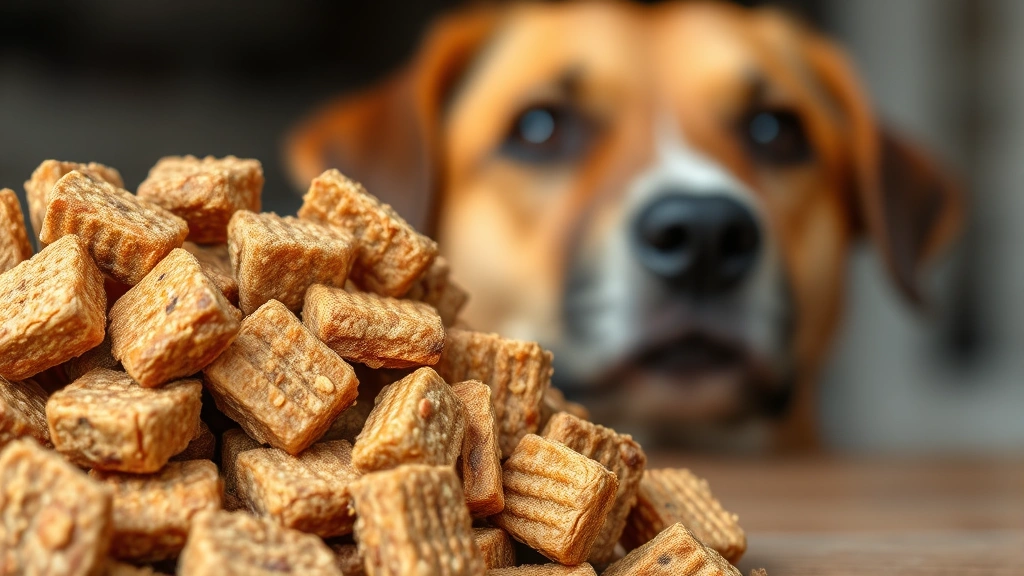
One of the practical advantages of air dried dog food is how easy it is to manage at home. No freezer space required, no thawing logistics, no food safety panic.
Shelf life: Most air dried products stay fresh for 12-24 months unopened, and 4-6 weeks after opening (keep the bag sealed tightly). Compare that to raw, which is maybe 3 days thawed, or fresh delivery food, which is 5-7 days.
Storage tips:
- Keep unopened bags in a cool, dry place (not above the stove or in direct sunlight)
- Once opened, use an airtight container or resealable bag to prevent moisture and oxidation
- A pantry or cupboard is fine; freezing is unnecessary and can actually damage the nutrient profile over time
- Check the expiration date—yes, it matters, even though it lasts forever
The portability is also underrated. If you travel with your dog, air dried is infinitely easier than managing raw or dealing with multiple cans of wet food. Throw a bag in your car, and you’re set.
Cost and Value Reality Check
Let’s talk money, because this is where people get hung up. Air dried dog food is more expensive per pound than kibble. No getting around it.
A typical bag of quality kibble costs $1.50-3.00 per pound. Air dried usually runs $4.00-8.00 per pound. That stings at first glance.
But here’s the real math: You feed less air dried food because it’s nutrient-dense and highly digestible. A 10 lb dog might eat 1/2 cup of kibble daily (about 1.5 lbs per month) but only 1/4 cup of air dried daily (about 0.75 lbs per month). You’re using half the volume.
So the actual monthly cost difference might be $30-40 more for air dried, not $100+. That’s a premium, but for many owners, the health benefits justify it.
Cost breakdown for a 50 lb dog:
- Mid-range kibble: ~$60-80/month
- Quality kibble: ~$90-120/month
- Air dried: ~$100-150/month
- Raw: ~$150-250/month
- Fresh delivery: ~$200-400/month
Air dried sits in the sweet spot between affordability and nutrition. You’re not breaking the bank, but you’re getting genuinely better food.
If budget is tight, air dried can work as a topper or mixer with regular kibble. Mix 25% air dried with 75% kibble and you still get some of the benefits without the full cost.
How to Transition Your Dog to Air Dried Food
This is critical. Jumping straight to new food causes digestive upset. I’ve seen dogs get diarrhea within hours of a quick switch.
The transition timeline:
- Days 1-3: Mix 25% air dried with 75% old food
- Days 4-6: Mix 50% air dried with 50% old food
- Days 7-10: Mix 75% air dried with 25% old food
- Day 11+: 100% air dried
If your dog has a sensitive stomach, stretch this out to 2-3 weeks. If they have diarrhea at any point, slow down the transition and stay at that ratio longer.
Rehydration option: Some dogs do better if you add a little warm water to the air dried food (about 1/4 cup per serving). This rehydrates it slightly and makes it easier to digest. It’s optional, but helpful for dogs with digestive issues or older dogs with sensitive stomachs.
Portion sizing: Air dried food is more concentrated, so you’ll feed less by volume. Start with about 60% of the kibble volume you were feeding, then adjust based on your dog’s weight and energy level. Your vet can help dial in the exact amount.
Watch for these positive changes over 4-6 weeks:
- Shinier, healthier coat
- More stable energy (no crashes)
- Better breath (seriously)
- Cleaner teeth
- Smaller, firmer stools
- Less itching or scratching
Best Practices and Safety Tips
Buy from reputable brands. Not all air dried food is created equal. Look for companies that:
- List specific meat sources (not “meat meal” or vague ingredients)
- Publish AAFCO certification
- Have third-party testing for pathogens and nutrient content
- Provide digestibility data
The AAFCO website has a database of certified pet food manufacturers. Use it.
Monitor your dog’s response. Every dog is different. Some thrive on air dried immediately; others need a longer transition. Keep notes on energy, coat quality, digestion, and behavior for the first month.
Store properly. Air dried food can absorb moisture and go rancid if stored incorrectly. Keep it sealed, cool, and dry. Humidity is the enemy.
Combine with whole foods thoughtfully. Air dried food is complete and balanced on its own, but many owners add toppers like bully sticks as occasional treats or vegetables. Just don’t overdo it—treats should be less than 10% of daily calories.
Be aware of protein content. Air dried food is often higher in protein than kibble (30-50% vs. 18-25%). This is good for most dogs, but if your dog has kidney disease, discuss it with your vet first. Understanding what proteins are safe helps you make informed decisions about your dog’s diet.
Pro Tip: If you’re mixing air dried with kibble long-term, keep them separate in the bowl. Some dogs have preferences, and you’ll notice if they’re rejecting one or the other. It also makes portion tracking easier.
If your dog has health issues, knowing which foods to avoid is just as important as knowing which to choose. Always discuss dietary changes with your vet, especially if your dog is on medication or has chronic conditions.
Frequently Asked Questions
Is air dried dog food actually better than kibble?
– For most healthy dogs, yes. Air dried preserves more nutrients, is more digestible, and causes fewer digestive issues. The trade-off is cost. If your dog does fine on kibble and you’re on a tight budget, kibble is fine. But if your dog has any digestive sensitivity, allergies, or dull coat, air dried is worth trying.
Can I feed air dried food exclusively, or should I mix it with kibble?
– You can feed it exclusively if you want. It’s a complete and balanced diet on its own. Many owners feed 100% air dried with great results. Others mix it with kibble for cost savings or to ease into it. Both approaches work. Do what fits your budget and your dog’s needs.
Is air dried food safe? What about bacteria?
– Air dried food is safer than raw because the low-temperature process doesn’t create the bacterial contamination risks of raw diets. However, it’s not sterile like kibble. Buy from reputable brands that test for pathogens. If your dog is immunocompromised, discuss it with your vet. For healthy dogs, air dried is safe.
How much should I feed my dog?
– Start with about 60% of the kibble volume you were feeding, then adjust based on your dog’s body condition and energy level. Every dog is different. Your vet can help calculate the exact amount based on calories and your dog’s weight. Most air dried products have feeding guidelines on the bag—use them as a starting point.
Will my dog’s poop change on air dried food?
– Yes, and it’s a good sign. Stools usually become smaller, firmer, and less frequent because the food is more digestible and nutrient-dense. Less poop is actually ideal—it means your dog is absorbing more. If your dog gets diarrhea, slow down the transition.
Can puppies eat air dried food?
– Yes, but make sure the formula is specifically for puppies or all life stages. Puppies have different nutritional needs than adults (more calcium, phosphorus, and calories). Check the AAFCO statement on the bag to confirm it’s appropriate for growth.
Is air dried food good for dogs with allergies?
– Often, yes. Air dried food is less inflammatory than kibble, and the ingredient list is usually cleaner (fewer fillers and additives that trigger allergies). If your dog has specific allergies, look for air dried brands with limited ingredients and your dog’s known safe proteins. Understanding ingredient safety helps you make better choices.
How long does an opened bag last?
– Usually 4-6 weeks if kept sealed in a cool, dry place. Once you open it, use an airtight container to prevent moisture absorption and oxidation. Check the expiration date on the bag. If it starts smelling off or looks discolored, toss it.
Can I rehydrate air dried food with water or broth?
– Absolutely. Some dogs prefer it rehydrated, especially older dogs or those with dental issues. Add warm water or low-sodium broth (no onions or garlic) to make it softer. This also increases the volume, which can help dogs feel fuller longer.
What’s the difference between air dried and freeze-dried dog food?
– Both preserve nutrients better than kibble. Freeze-dried uses a different process (freezing then removing ice crystals) and is usually more expensive. Air dried is slightly less nutrient-dense than freeze-dried but more affordable. Both are good options—air dried is the better value.





