
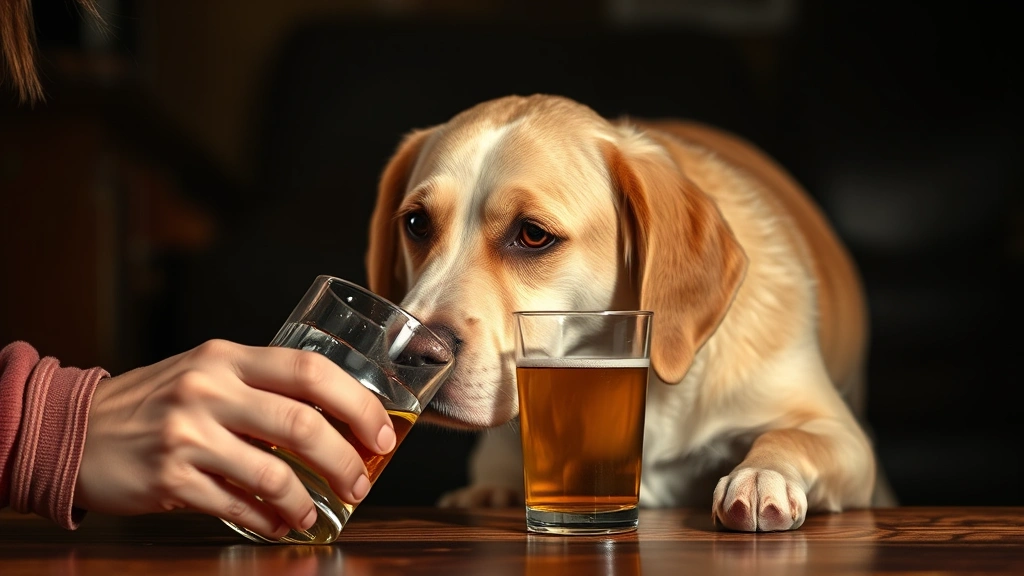
When it comes to alcohol and pets, the relationship is about as friendly as a cat at a dog park – which is to say, not at all. If you’re a pet owner who enjoys a cold beer, glass of wine, or cocktail, it’s absolutely critical to understand why your furry friend should never have access to your alcoholic beverages. This isn’t just about preventing a funny viral video moment; it’s about keeping your beloved companion safe from serious, potentially life-threatening harm.
Table of Contents
- Why Alcohol is Toxic to Dogs and Cats
- Signs of Alcohol Poisoning in Pets
- Common Household Items Containing Alcohol
- Alcohol and Pets: Immediate Emergency Response
- Prevention: The Best Medicine for Pet Safety
- Fermented Foods and Hidden Alcohol Sources
- Special Considerations for Different Pets
- Long-Term Effects and Recovery
- Education and Community Responsibility
- When to Seek Veterinary Help
- Frequently Asked Questions
- Summary: Keeping Your Pet Safe
Why Alcohol is Toxic to Dogs and Cats
Here’s the thing: your pet’s body processes alcohol completely differently than yours does. While you might enjoy a drink without much worry, even small amounts of alcohol can be dangerous for dogs, cats, and other animals. Ethanol – the active ingredient in beer, wine, and spirits – is rapidly absorbed through the gastrointestinal tract and metabolized by the liver, just like in humans. However, pets are far more sensitive to its effects.
Dogs are particularly vulnerable because they lack certain enzymes that help break down alcohol efficiently. Cats? Even worse. Their livers are smaller and less equipped to handle toxins, making them extremely susceptible to alcohol poisoning. A few laps of your martini could send your cat into a dangerous spiral.
Signs of Alcohol Poisoning in Pets
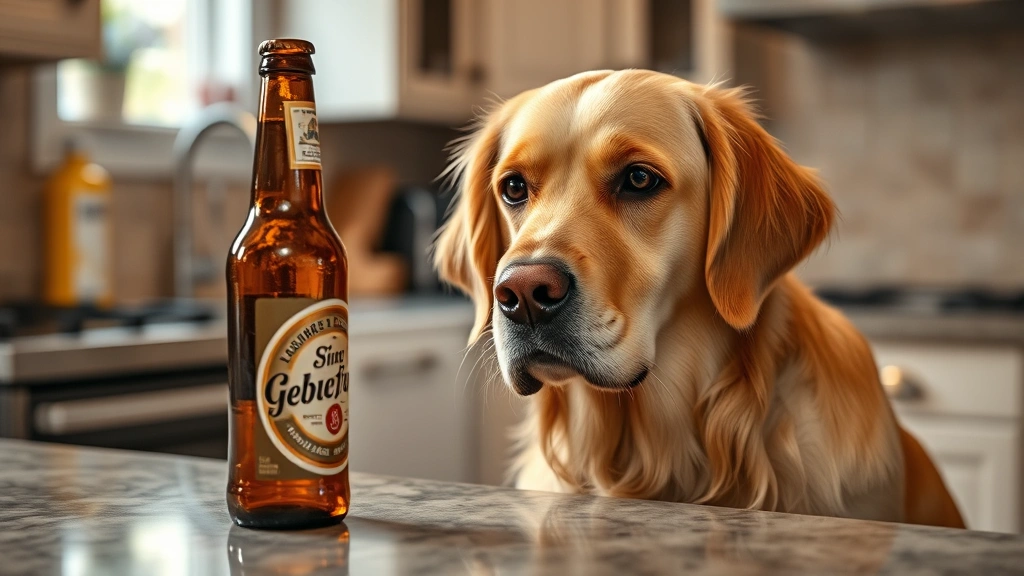
If your pet has somehow gotten into alcohol, knowing the warning signs could save their life. Alcohol toxicity in animals progresses quickly, so timing is everything. Watch for these red flags:
- Vomiting or retching
- Loss of coordination (stumbling, swaying)
- Tremors or seizures
- Excessive drooling
- Lethargy or depression
- Difficulty breathing
- Hypothermia (dangerously low body temperature)
- Coma in severe cases
The severity depends on the amount consumed and your pet’s size. A 10-pound Chihuahua who drinks the same amount as a 90-pound Golden Retriever will be in much worse shape. If you suspect your pet has consumed alcohol, don’t wait – contact your veterinarian or poison control immediately. Time is critical.

Common Household Items Containing Alcohol
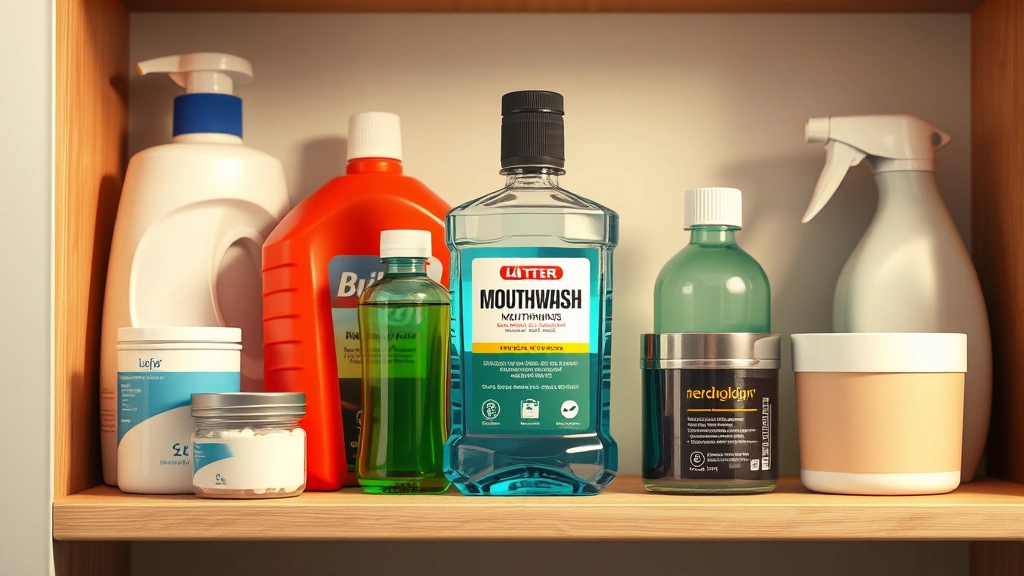
Many pet owners think about obvious culprits like beer and wine, but alcohol hides in unexpected places around your home. This is where vigilance becomes your best friend. Beyond the obvious beverages, check your cabinets for:
- Mouthwash and breath fresheners – Some contain 15-27% alcohol
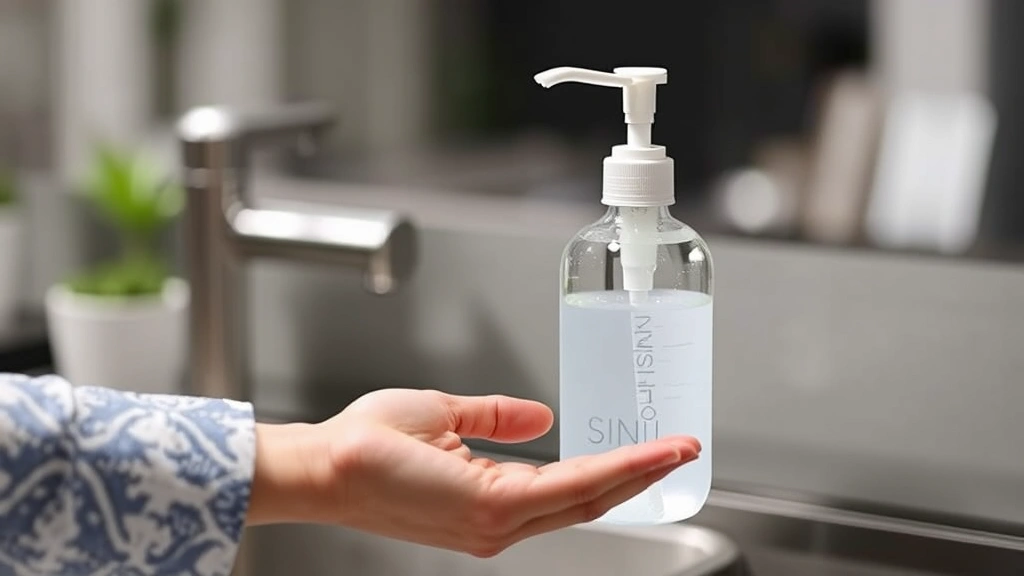
- Hand sanitizer – Concentrated alcohol that’s extremely dangerous
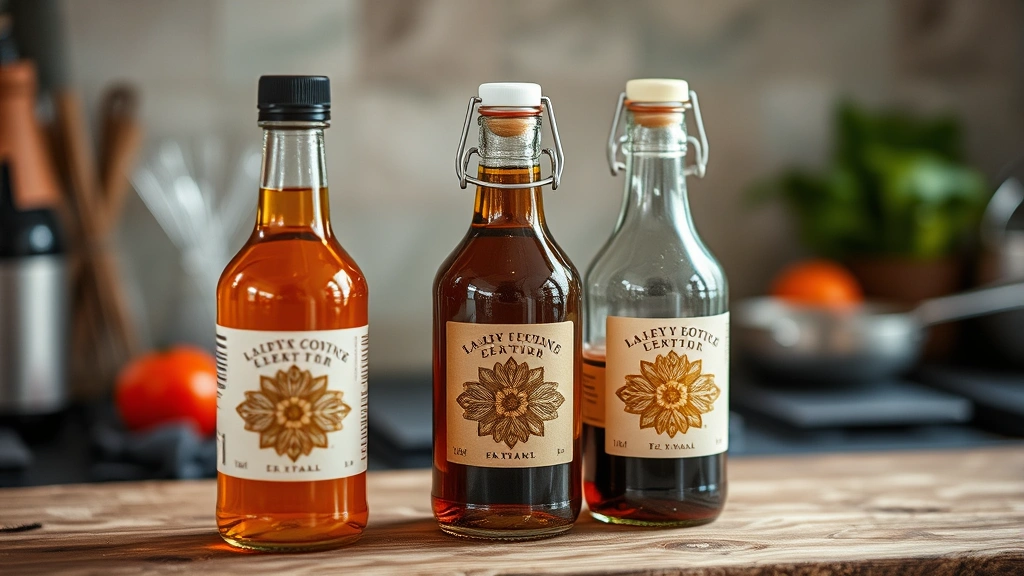
- Cooking extracts – Vanilla extract can be 35% alcohol
- Perfume and cologne – High alcohol content
- Rubbing alcohol – Used for cleaning wounds
- Certain medications – Some liquid formulations contain alcohol
- Fermented foods – Yeast dough and fermenting fruit can produce alcohol
The sneaky part? Your pet doesn’t need to drink a full glass. Even licking spilled cocktail or chewing on a bottle cap can expose them to harmful amounts. Keep these items secured in cabinets your pet cannot access.

Alcohol and Pets: Immediate Emergency Response
So your dog just grabbed your beer bottle and took a few gulps. Panic mode activated, right? Here’s what you need to do immediately. First, don’t waste time trying home remedies or waiting to see if your pet “seems okay.” Call your veterinarian or the ASPCA Animal Poison Control Center (888-426-4435) right away. They’ll ask about your pet’s weight, the type of alcohol consumed, and the amount.
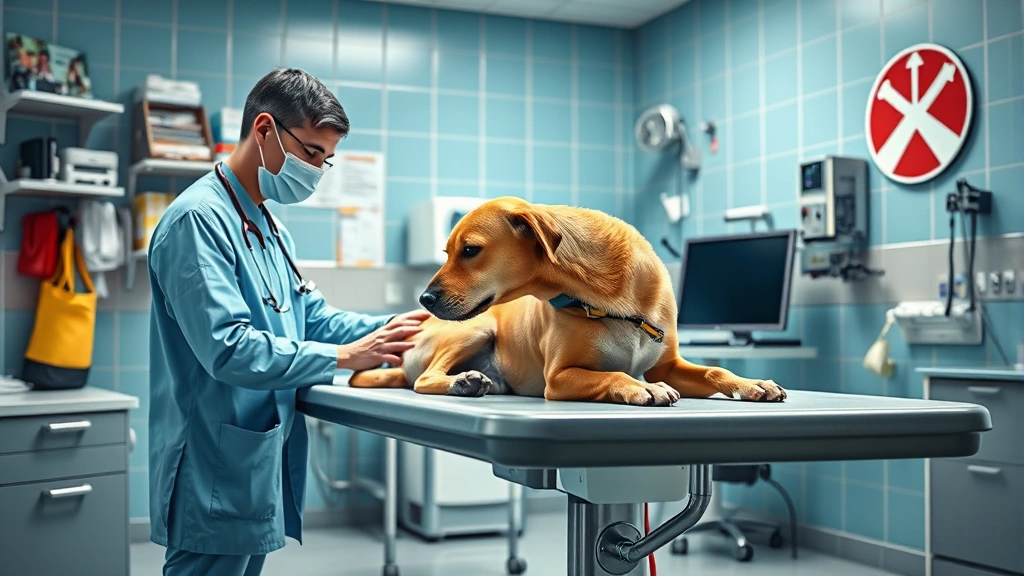
When you contact emergency services, have this information ready: your pet’s weight, the type and percentage of alcohol in the beverage, and the approximate amount consumed. Your vet may recommend bringing your pet in for observation and treatment, which might include IV fluids, monitoring of blood sugar and body temperature, and supportive care. Check out our comprehensive Pet First Aid Guidance for additional emergency protocols.
Prevention: The Best Medicine for Pet Safety
Preventing alcohol exposure is infinitely easier than treating poisoning. Make your home a safe zone by establishing strict protocols around alcoholic beverages. Never leave drinks unattended on tables, counters, or coffee tables. Pets are curious creatures with lightning-fast reflexes – they’ll investigate that margarita the second you turn your back.
During parties and gatherings, this becomes especially important. Guests may not realize the danger and might find it cute to let your dog lick their glass. Politely educate visitors about the risks. Keep alcoholic beverages in a designated area away from pet access, and assign someone to monitor drinks if you’re hosting.
Store all alcohol-containing products in high cabinets or locked storage areas. This applies to mouthwash, hand sanitizer, cooking extracts, and medications. Train your family members about the importance of pet safety around alcohol. Children especially need to understand that sharing their drink with the family dog is absolutely not okay.
Fermented Foods and Hidden Alcohol Sources
Here’s a curveball many pet owners don’t see coming: fermented foods. Yeast dough – the kind used for bread and pizza – produces alcohol as it rises. If your pet eats raw dough, they’re essentially consuming alcohol and experiencing yeast fermentation in their stomach. This is doubly dangerous because the dough expands, potentially causing bloat.

Similarly, fermenting fruits, kombucha, and other fermented beverages contain alcohol. Your pet might not be interested in your kombucha, but they could easily get into fermenting fruit scraps in the compost or garden. Keep compost bins secured and dispose of fermenting materials safely.
Special Considerations for Different Pets
While we’ve focused on dogs and cats, other pets face similar risks. Rabbits, guinea pigs, birds, and reptiles are all susceptible to alcohol toxicity. Their smaller body sizes make them even more vulnerable. A bird that takes a sip of your drink could suffer severe consequences.

Ferrets, popular exotic pets, are particularly sensitive to toxins and should never have any exposure to alcohol. If you have multiple types of pets, implement household-wide protocols that protect everyone. When dealing with pet health concerns, understanding proper Prescription Diet Feeding and monitoring becomes part of responsible pet ownership.
Long-Term Effects and Recovery
If your pet survives acute alcohol poisoning, recovery depends on the severity of exposure and how quickly treatment was administered. Mild cases might resolve within 24-48 hours with supportive care. More severe cases can result in lasting organ damage, particularly to the liver and kidneys.

Some pets may experience lingering effects like decreased appetite or behavioral changes. Monitor your pet closely during recovery and follow all veterinary recommendations. Keep detailed notes about your pet’s progress and report any concerning changes to your vet. Staying vigilant about Water Intake Monitoring can help identify complications early.
Education and Community Responsibility
Part of being a responsible pet owner means educating others about the dangers of alcohol and pets. Friends, family members, and pet sitters should all understand why they can’t share their drink with your furry friend. Create a simple house rule: no one gives the pet food or beverages without explicit permission.
If you use pet sitters or dog walkers, include a written note about alcohol safety. Mention any specific risks in your home, like hand sanitizer dispensers or open compost bins. This proactive communication prevents accidents and shows you take your pet’s safety seriously.
When to Seek Veterinary Help
Never underestimate potential alcohol exposure. If there’s any chance your pet consumed alcohol – even if they seem fine – call your veterinarian. Some symptoms take hours to develop. Your vet might recommend observation or blood work to check liver function and blood sugar levels.
For any poisoning concern, the ASPCA Animal Poison Control Center is available 24/7. They charge a consultation fee but provide expert guidance. It’s worth every penny for peace of mind. Your vet can also provide specific recommendations based on your pet’s health history and any pre-existing conditions.
Frequently Asked Questions
Can pets have any alcohol at all?
No. There is no safe amount of alcohol for pets. Even small quantities can cause problems, and the effects are dose-dependent based on your pet’s weight. What seems like a tiny amount to you could be dangerous for your pet.
What’s the most dangerous type of alcohol for pets?
All alcoholic beverages are dangerous, but concentrated forms like hand sanitizer, cooking extracts, and rubbing alcohol are particularly hazardous. Hard liquors have higher ethanol concentrations than beer or wine, making them more dangerous in smaller quantities.
How long does it take for alcohol to affect a pet?
Alcohol is rapidly absorbed and can affect pets within 15-30 minutes of consumption. Symptoms may worsen over several hours, with peak effects typically occurring within 60-90 minutes.

Can I induce vomiting if my pet drinks alcohol?
Don’t attempt home treatment. Call your veterinarian immediately. They’ll determine whether inducing vomiting is appropriate based on the type and amount of alcohol consumed and your pet’s condition. In some cases, vomiting can cause additional harm.
What should I do if my pet eats yeast dough?
Contact your vet right away. Raw dough poses a double threat: alcohol production and bloat from expansion. Your vet may recommend monitoring or treatment depending on the amount consumed and your pet’s size.

Are some pets more sensitive to alcohol than others?
Yes. Cats are more sensitive than dogs. Smaller animals are at higher risk than larger ones. Puppies and kittens, senior pets, and those with liver disease are particularly vulnerable.
Summary: Keeping Your Pet Safe
The relationship between alcohol and pets is straightforward: they don’t mix. Your responsibility as a pet owner includes understanding these dangers and implementing preventative measures. Secure all alcoholic beverages and alcohol-containing products, educate your household and visitors, and know the signs of alcohol poisoning.

If exposure occurs, act immediately by contacting your veterinarian or poison control. Don’t waste time on home remedies or observation – professional help saves lives. By taking these precautions seriously, you’re protecting your pet from unnecessary harm and ensuring they live a long, healthy life by your side.
Remember: your pet depends on you to keep them safe. When it comes to alcohol, the best approach is absolute prevention. Your pet will thank you with unconditional love – which is infinitely better than any cocktail.





